Finding holes in your clothes or linens after storage is disheartening. To effectively remove moths and prevent infestations, follow these expert-recommended methods.
Leading entomologists provide their top tips to keep these pests away, including deterrents, traps, and storage advice.
11 Strategies to Remove Moths
1. Properly Store Out-of-Season Clothes

Effective storage is key to avoiding moths.
When transitioning your seasonal wardrobe, avoid tossing everything into a trash bag. Nicole Carpenter from a pest control service states that clean, dry clothes should go into airtight containers, vacuum-sealed bags, or sturdy bins. Flimsy materials won't suffice against moths.
Dr. Tracy Ellis, an entomologist, recommends airtight sweater boxes or vacuum-sealed bags, like the Household Essentials Cedarline Zippered Sweater Bag. These containers help create a barrier and allow easy visibility of contents.
2. Deep Clean Your Closet

Regular cleaning is essential for moth prevention.
Deep cleaning your closet regularly is crucial for moth control. Daniel Baldwin, an entomologist, emphasizes the importance of vacuuming carpets and cleaning surfaces thoroughly to remove any moth eggs and larvae.
Use a Microfiber Cleaning Cloth with a multipurpose cleaner like Method All-Purpose Cleaner for effective cleaning.
3. Maintain Clean Clothing

Keeping clothes clean deters moths.
To prevent moth infestations, keep your clothing clean, as moths are attracted to proteins found in natural fibers and food residues. Regularly take garments to dry cleaning to eliminate moisture and kill existing pests.
Alternatively, wash fabrics on a hot cycle of at least 140°F (60°C) to eradicate moths and larvae. Check laundry symbols to ensure fabrics can withstand the heat.
4. Use Natural Moth Deterrents

Utilize eco-friendly solutions to deter moths.
Try bay leaves, lavender, or rosemary to naturally repel moths. John Stewart from a sustainable pest control brand suggests using organic sprays made from essential oils.
5. Set Up Moth Traps
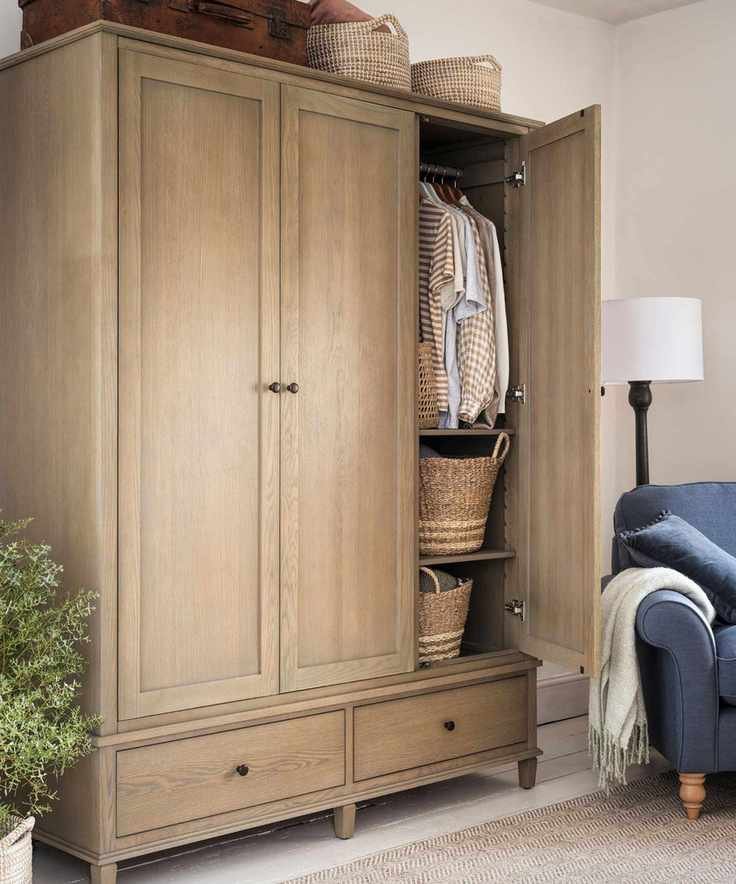
Traps can help reduce moth populations.
For moths already in your home, consider using traps. Pheromone traps are particularly effective for capturing male moths, disrupting their breeding cycle.
6. Address Carpet Moths

Regular vacuuming combats carpet moths.
Vacuum carpets thoroughly to remove moths and eggs. Focus on dark areas and regularly empty the vacuum to prevent reinfestation.
7. Clean Stains Immediately

Promptly clean spills to deter moths.
Quickly clean food and drink spills to avoid attracting moths. Use baking soda or an enzyme spray for stain removal. Steam cleaning also helps eliminate moth eggs.
8. Utilize Vinegar

Vinegar can kill and deter moths.
White vinegar is an effective natural cleaner that can help kill moth larvae. Apply it with a sponge or as traps with apple cider vinegar and dish soap.
9. Seal Entry Points

Block entry points to prevent moths.
Inspect your home for cracks and gaps where moths might enter. Seal these openings with caulk to limit their access.
10. Be Wary of Pantry Moths

Pantry moths can spoil food supplies.
While less common than clothing moths, pantry moths can infest food. Inspect dry goods and seal them in airtight containers to prevent contamination.
11. Freeze Affected Fabrics

Freezing fabrics kills moths effectively.
Freezing items at 0°F (-18°C) for 72 hours effectively kills moths and their eggs, making it a simple solution for affected fabrics.
Shopping Recommendations
All prices were correct at the time of publication.
 Effective moth traps
Dr. Killigan's Pantry Moth Traps feature potent pheromones and sticky glue for capturing moths effectively.
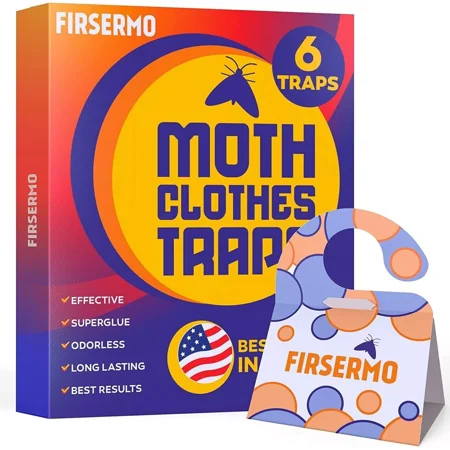 Pack of six traps
These traps protect your clothes from moths with sticky pheromone glue.
 Natural cedar spray
This cedar and lavender spray restores scents and protects your closet.