

Coneflowers, also known as echinacea, are beloved for their striking plum purple and dusky pink blooms that can light up any garden from July to October. These North American natives shine in prairie-style gardens and wildflower meadows, bringing natural beauty and attracting pollinators to herbaceous borders.
Their petals unfurl into stunning star shapes before gently drooping as summer progresses. Even as the first frost approaches, their sculptural seed heads provide interest and structure. It's no surprise they rank among the top perennials!
Thanks to dedicated plant breeders, coneflowers now come in a variety of vibrant colors, including lime green, tangerine, apricot, and mango. You can find compact varieties like the pink 'Kim's Knee High' that fits perfectly in smaller spaces, or the marbled 'Art's Pride' that combines pink and orange for a bold display. With so many coneflower options available, you'll have plenty to explore when learning how to grow them.

Echinacea 'Art's Pride' showcases a delightful tangerine hue.
Understanding Coneflower Growth
Echinacea is a robust perennial that withstands harsh winters. These plants enter dormancy during winter and re-emerge in spring, when it's advisable to trim them back for optimal summer growth.
For the best results, plant coneflowers in spring or early fall (before September) to allow them to establish roots before winter. Keep them well-watered during dry spells.
Before planting, soak your potted coneflower to ensure it's hydrated. Dig a hole twice the width of the pot and the same depth. Gently remove the plant from its pot and position it in the hole. Fill in with soil and water thoroughly.
From May to September, ensure coneflowers receive ample water. During hot spells, monitor them closely, as they can struggle if the soil dries out.
Mulching established plants in late spring or early summer helps retain moisture and promotes health.
Interestingly, smaller coneflowers often fare better through winter in their pots than when planted out in late fall. For optimal blooming, plant them early in the fall. Echinacea may take three months to produce leaves and can take up to two years to bloom if planted in early spring.
Starting Coneflowers from Seed

Growing coneflowers from seed in spring or fall is a rewarding choice. They're affordable and widely available, such as these white Echinacea purpurea seeds at Walmart. Here's how to grow them:
- Fill a wide pot with seed compost, leaving little space at the top. Sprinkle a small pinch of seeds evenly across the compost.
- Lightly cover the seeds with more compost.
- Water gently and cover the pot with a plastic bag.
- Once germination occurs and growth begins, remove the bag. Seedlings typically appear in about three weeks.
- When they're large enough, transfer each seedling to a 9cm pot. Keep them in a cool, bright spot and protect from frost. For transplanting advice, check our guide on transplanting seedlings.
- Once frost is no longer a threat, plant seedlings in a sunny garden spot.
Optimal Coneflower Planting Locations
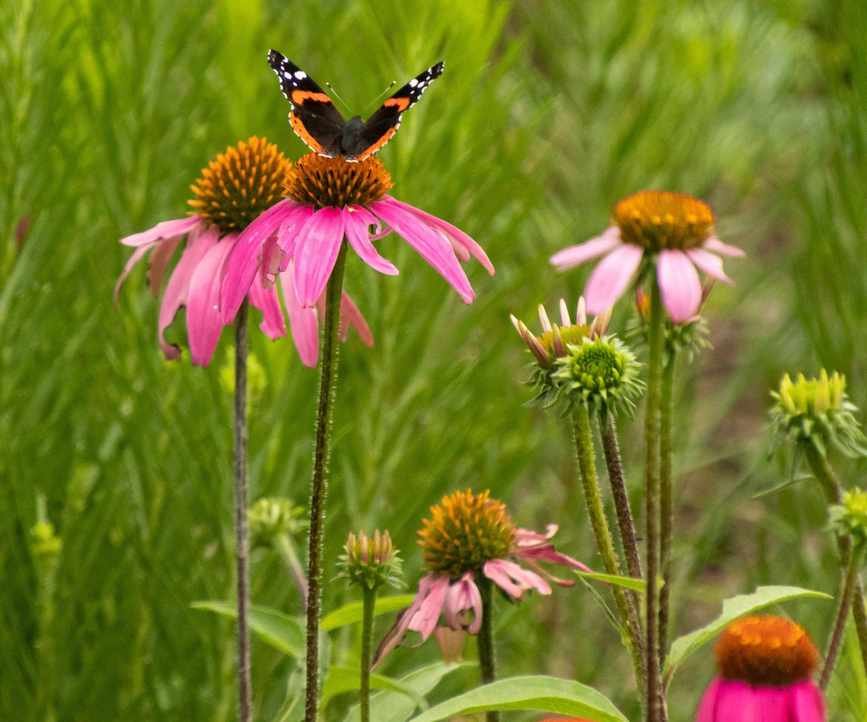
Coneflowers thrive in sunny locations, preferring warm conditions. They can endure some shade, but it's not ideal.
These adaptable plants grow well in various soil types, as long as it remains well-drained and doesn't dry out completely. They grow quickly and can self-seed, returning in unexpected spots. Fertile soil leads to even more vibrant growth.
For maximum impact, group several echinacea plants in clusters of three or five within garden borders.
Coneflowers also flourish in pots, provided they have ample space. Select a deep container and ensure it receives plenty of sunlight.
If your soil is heavy and prone to waterlogging, container gardening is advisable. Use a quality potting compost with added horticultural grit or vermiculite from Walmart for proper drainage.
Additional Coneflower Care Tips
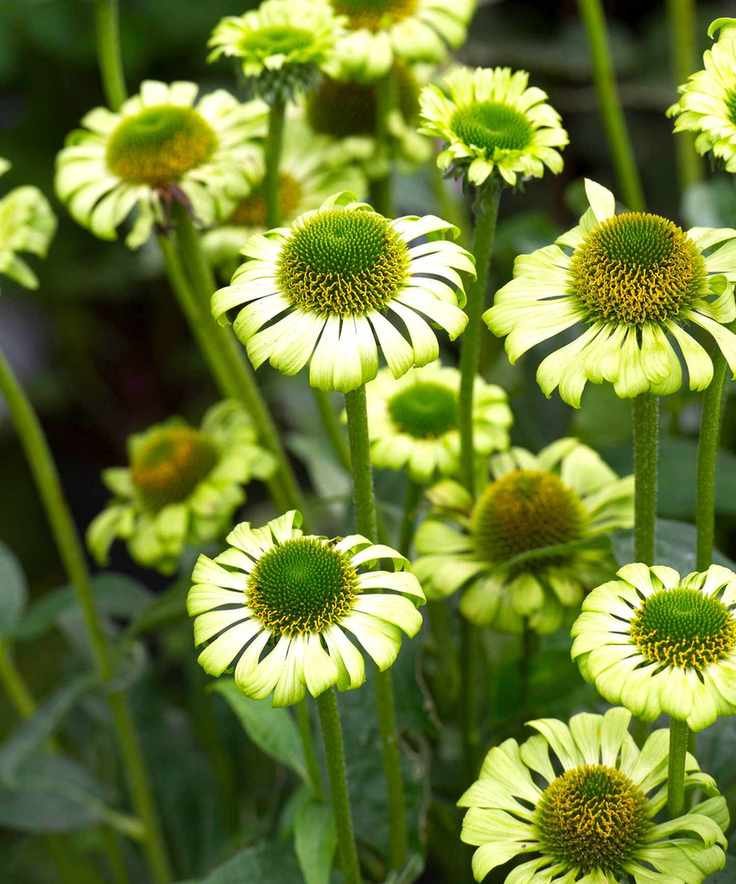
Regular deadheading encourages more blooms, but leave seed heads in place during fall for birds and winter beauty.
In spring, cut back echinacea as new foliage emerges. Generally, they're free from diseases and pests.
If growing in large clusters, consider dividing your plants in the spring. Though it may be stressful for them, this promotes new growth for naturalistic drifts.
Use a knife if needed to separate plant portions during division. Like many herbaceous perennials, echinacea should root well from basal cuttings taken from new spring growth. Make cuttings 4-5 inches (10-13 cm) long and cover with ventilated plastic to encourage rooting.
For more insights, check our guide on taking plant cuttings for propagation tips.
Can Coneflowers Be Used as Cut Flowers?
Coneflowers are excellent for cutting gardens
Coneflowers make stunning cut flowers, whether displayed individually or as part of natural arrangements with cosmos, veronica, and summer foliage. They can last up to three weeks when water is changed regularly.
For the best results, harvest flowers in the morning when they're freshest. Cut stems as close to the ground as possible to encourage more blooms. Remove lower leaves and cut stems at a sharp angle for better hydration.
Historically, Native Americans have utilized echinacea for various ailments. Today, it's recognized as a popular herbal remedy for colds and flu, as well as for managing pain, inflammation, and migraines. The plant's upper parts and roots are used in tablets, tinctures, extracts, and teas. If you're interested in herbal teas, there are many ways to grow your own!


