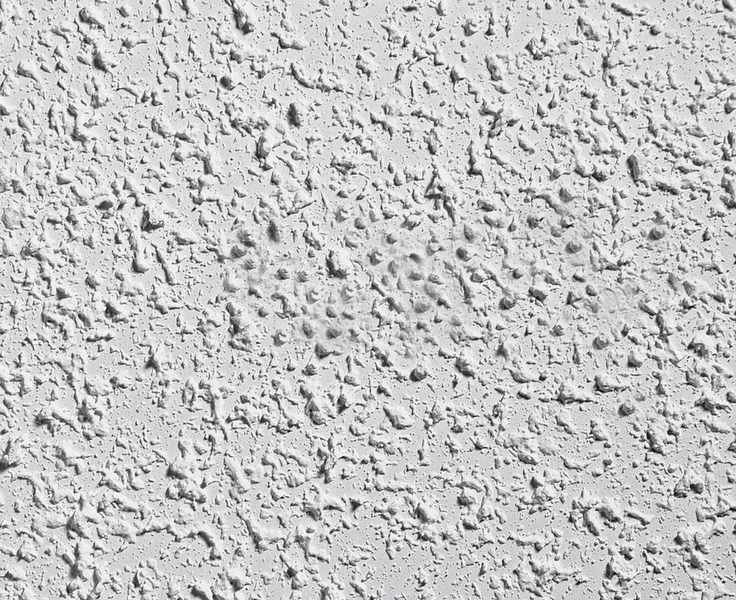
Is there a more disliked trend than popcorn ceilings? If you find yourself looking up and asking how to eliminate this design choice, you're certainly not the only one.
Once a popular feature in the 1970s, popcorn ceilings—also referred to as acoustic or stucco ceilings—were created to muffle sound or hide existing imperfections. However, this trend has long since faded, and homeowners are now eager to find ways to remove or conceal these unattractive ceilings.
Ready to embark on a DIY project and rid your home of popcorn ceilings? We've got you covered with safe and straightforward methods for removal.
Steps to Remove Popcorn Ceiling
If you're fed up with your popcorn ceiling and ready for a change, you'll be pleased to know that removing it is a manageable DIY task that requires time, effort, and minimal costs.
The ceiling offers endless creative opportunities and deserves the same attention as any other wall in your home. If removal isn't feasible, consider stylish alternatives like trendy wood paneling or ceiling tiles to cover it up.
1. Check for Asbestos
Before you begin, it's crucial to confirm that your ceilings are free of asbestos. This hazardous material was commonly included in textured popcorn ceilings prior to the early 1980s. Its popcorn texture was effective for soundproofing and fire resistance.
We recommend having this ceiling tested by a professional. Alternatively, you can purchase a DIY test kit from a hardware store, which will require you to send the samples to a certified laboratory. If you choose the DIY route, ensure you wear proper safety gear, including gloves, a mask, and eye protection.
If your ceiling contains asbestos, enlist a licensed professional for safe removal or consider having them cover the ceiling with paneling, drywall, or plaster.
2. Prepare for Removal
Once you confirm that your popcorn ceiling is asbestos-free, you can get ready for removal while taking necessary safety precautions. 'Wearing a particulate mask during the removal process is essential,' advises Jeremy Hume, president and CEO of Phoenix CR Pro. Don't forget to wear goggles for eye protection as well.
Clear the room of furniture, paying special attention to valuable or sentimental items. Use painter's plastic to mask the walls and cover the floor with plastic sheeting. 'Avoid using cloth tarps, as they are not waterproof,' says Jeremy.
Make sure to turn off the electricity in the room and open the windows for proper ventilation.
3. Gather Your Tools
The removal process doesn't require any specialized or costly tools. Here's a list of necessary items for popcorn ceiling removal:
- Putty knife or taping knife
- Drop cloths or plastic sheeting (plastic is preferred for its waterproof properties)
- Garden sprayer
- Safety goggles
- Dust mask
4. Wet the Ceiling
To make scraping easier, start by moistening the ceiling with a garden sprayer. A damp ceiling is much simpler to work on than a dry one.
'Using a pump garden sprayer, lightly mist a section of about 5 by 5 feet with water and wait 10 to 15 minutes for it to soak in,' suggests Jeremy Hume. 'Be careful not to oversaturate, as this can damage the drywall.'
Work in small sections to prevent them from drying out before you get to them. After spraying, wait for around 10-15 minutes to allow the water to fully penetrate.
Now you're ready to scrape! 'Gently run a putty knife along the wet ceiling,' he advises. Be careful not to damage the underlying drywall.
Continue scraping around the room until all texture is removed. Some stubborn areas may require multiple passes, so patience is key.
5. Sand, Prime, and Paint
After successfully removing the popcorn ceiling, you can sand the area and make any necessary repairs. If there are gouges or damage, use joint compound to fill them before sanding.
Once the sanding is complete, apply a fresh coat of paint. After the paint dries, remove the plastic sheeting, reinstall lighting fixtures, and enjoy your newly smooth ceiling.