Many homeowners believe that shutting vents in rooms they don't use can help save energy and reduce heating or cooling expenses. However, this common assumption can actually create larger issues, leading to increased energy bills and potential damage to your HVAC system.
Closing off vents in unoccupied spaces can backfire, causing inefficiencies in energy use, higher costs, and even harm to your heating, ventilation, and air conditioning (HVAC) system.
Experts in HVAC explain why it's best to leave vents open and discuss alternative measures you can take. By learning how to maintain and operate your HVAC system, you can keep your home comfortable and energy-efficient.
Should you close vents in unused rooms?
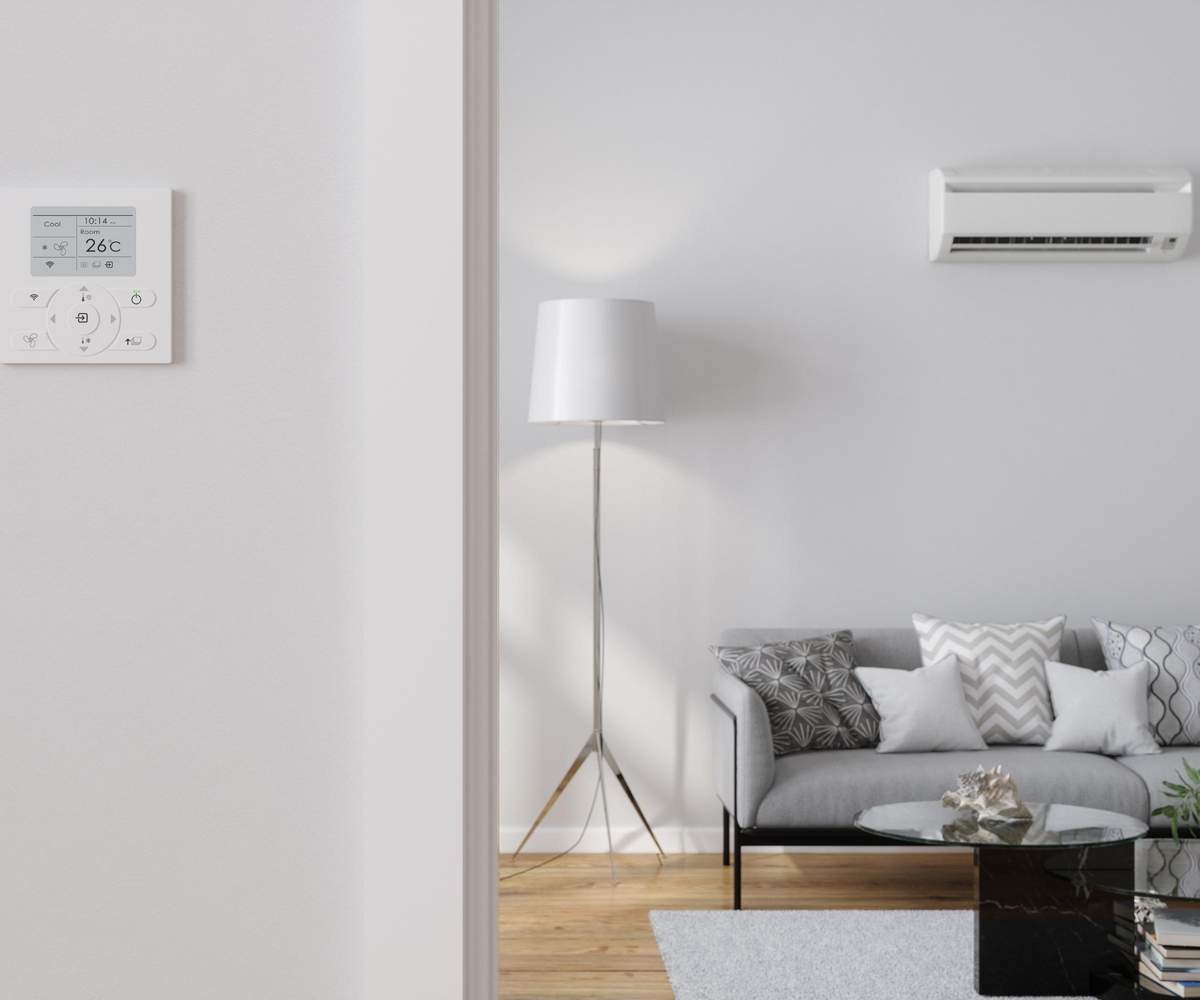
In brief, the answer is no. Your HVAC system is engineered to distribute air evenly throughout your home, and closing vents disrupts this balance, potentially leading to various problems.
Andrew Hulsebos, who serves as the lead service director at a reputable HVAC company, has over 15 years of experience in the field. He notes, 'When vents are closed in unused rooms, it leads to unbalanced airflow, which increases pressure within the ductwork.'
'Most HVAC systems are built to heat or cool the entire space, so blocking certain areas forces the system to work harder to maintain the temperature, making it less efficient overall. This extra strain can raise energy usage, increase wear on the system, and possibly shorten its lifespan.'
While various issues can arise, Josh Mitchell, an HVAC technician and founder of a well-known HVAC resource, highlights some of the most common problems:
- Higher pressure in the ductwork: Closing vents can elevate pressure in the system by as much as 20%, putting additional strain on your HVAC unit. Duct leaks are already a frequent issue, with studies indicating that up to 30% of conditioned air may escape through leaks. Increasing pressure exacerbates these leaks and energy waste.
- Decreased system efficiency: For optimal performance, HVAC systems rely on balanced airflow. Disrupting this balance means the blower works harder to maintain temperatures, leading to longer run times, higher energy consumption, and increased costs. Efficiency can drop by as much as 15%, raising your energy bills.
- Increased wear and tear: Continually forcing your HVAC unit to work against higher pressure can result in premature wear. Over time, this can lead to costly repairs and potentially shorten the system's operational life.
Mitchell concludes, 'Overall, it's clear that closing vents in unused rooms can lead to more problems than it solves.'
What to do instead

Instead of closing vents, prioritize optimizing your HVAC system for better efficiency. There are several effective strategies, including using vent deflectors, changing filters regularly, utilizing air purifiers, enhancing your insulation, installing smart thermostats, and considering a zoned heating system. Punteha van Terheyden, head of a home improvement brand, saved hundreds on her energy bills by maintaining a constant temperature in her heating system.
1. Use vent deflectors
Vent deflectors can effectively modify airflow in your home without the need to close any vents.
Mitchell explains, 'Vent deflectors are an easy and cost-effective solution that help maintain system balance by redirecting air away from unused areas or into spaces that require more heating or cooling.'
He recommends the Thermwell HD5 Heat and Air Deflector, available on Amazon, which is sold in packs of four.
2. Change filters regularly
Regularly changing air filters significantly enhances your system's efficiency. Adam Ross, who owns a Florida-based HVAC firm, emphasizes, 'It's essential for homeowners to replace their air filters every 90 days to improve airflow and reduce contaminants in the air.'
'Many people don't realize that clean filters save money by preventing the AC system from overworking, which results in higher energy use. Clean filters also help avoid overheating or freezing issues, leading to costly and unnecessary repairs.'
While options will vary based on your specific system, Ross recommends this Filterbuy MERV Air Filter from Amazon, compatible with several popular models, including Trane Perfect Fit and American Standard.
3. Add air purifiers
Investing in one of the best air purifiers can further enhance your home's air quality.
Ross states, 'While air filters are effective at filtering out unwanted contaminants, they might not suffice. This is why we recommend using an air purifier to remove dust and debris, reducing strain on your system and improving efficiency.'
'Some air purifiers, such as the REME HALO Whole Home In-Duct Air Purifier, utilize UV light to significantly enhance indoor air quality by eliminating bacteria, viruses, odors, and mold spores. This not only saves on energy costs but also promotes better health for you and your family.'
Be sure to check out our expert guide on what to look for in an air purifier.

The Best Budget Levoit Air Purifier for Home Allergies Pets Hair in Bedroom
We tested this air purifier and found it to be the best budget option. It covers 1,095 square feet, features a three-in-one HEPA filter to eliminate even the smallest particles, includes a sleep mode, and has a compact design.
4. Improve insulation
Ensuring your home is airtight helps retain conditioned air and prevents unfiltered air from entering. Neglecting this is a common mistake that can increase energy expenses.
Ross explains, 'Air leaks place additional strain on your heating and cooling systems, so it's crucial to seal even the smallest gaps. Leaks around windows, doors, ducts, and attics allow valuable air to escape, causing HVAC systems to work harder to maintain temperature stability, which raises energy use and costs.'
'Using products like caulk, weather stripping, and foam can effectively seal these gaps, enhancing HVAC efficiency, lowering energy bills, and extending the life of your HVAC system.'
Ross recommends Touch 'n Seal Gun Foam II Sealant, available on Amazon. He adds, 'This high-performance sealant has residential fire blocking approval.'
Learn about essential areas in your home that professionals recommend insulating.
5. Go Smart
Smart vent systems provide excellent options for those seeking more control over home heating.
Mitchell states, 'These programmable vents offer a sophisticated solution for managing airflow. Products like Flair Smart Vents, available on Amazon, enable you to regulate airflow in individual rooms based on temperature sensors. Designed with HVAC systems in mind, they adjust automatically to prevent pressure buildup, making them a safer alternative to manually closing vents.'
Ross adds, 'Imagine returning home to a perfectly cooled house after a long, hot day! Many of these systems can be controlled via your smartphone, giving you total control over your entire air conditioning system.'
Ross also recommends the Amazon Smart Thermostat, which can be controlled remotely in various ways, including via Alexa or your Ring doorbell. Ecobee Smart Thermostats are also highly recommended by our experts for their reliability and advanced technology.
6. Zone heating systems
If there's one scenario where the advice to close vents is appropriate, it's when a zoned heating system is installed.
Mitchell explains, 'Zoned HVAC systems are specifically designed to independently heat and cool different areas, utilizing dampers that control airflow. In these systems, closing vents in unused rooms is actually part of their intended functionality.'
'If you're considering temperature management on a room-by-room basis, zoning can be a valuable investment. It allows you to adjust temperatures in different areas or 'zones' without creating the pressure issues associated with closing vents in standard systems. This can be especially beneficial for larger or multi-story homes where varying temperatures are often needed.'
The Keen Home Smart Vent Pro is a favored zoned heating system among our experts. It can be controlled via an app and is one of the more affordable options available for room-by-room temperature control.
Check out our guide on additional ways to enhance ventilation in your home and beware of these everyday items that could be polluting your indoor air.
FAQs
Does partially closing vents save energy?
Partially closing vents disrupts airflow and creates unnecessary pressure in your HVAC system. It's better to keep vents fully open and explore alternative solutions, like programmable thermostats or zoning systems, for more effective energy management.
Now is a good time to check if your home requires vapor barriers for optimal performance.
What are signs of HVAC pressure imbalance?
Indicators include uneven temperatures, loud airflow sounds, or a system that frequently cycles on and off. Addressing these problems promptly can prevent further damage and enhance your HVAC system's performance.
Do vent covers help save energy?
While magnetic vent covers can temporarily redirect airflow, they don't resolve the underlying inefficiencies. For lasting energy savings, consider upgrading your HVAC system or improving your home's insulation.
In summary, HVAC professionals advise against closing vents in unused rooms unless you have a zoned temperature system and have shared what to do instead.
Closing vents in unused rooms might seem like a quick fix, but it's more likely to harm your HVAC system and drive up energy costs. By focusing on smarter solutions, you can save money while keeping your home comfortable and efficient.
Next, explore these nine methods for cooling a hot apartment in winter, how to keep a poorly insulated house warm, and find out whether you should close window trickle vents during the winter months.