
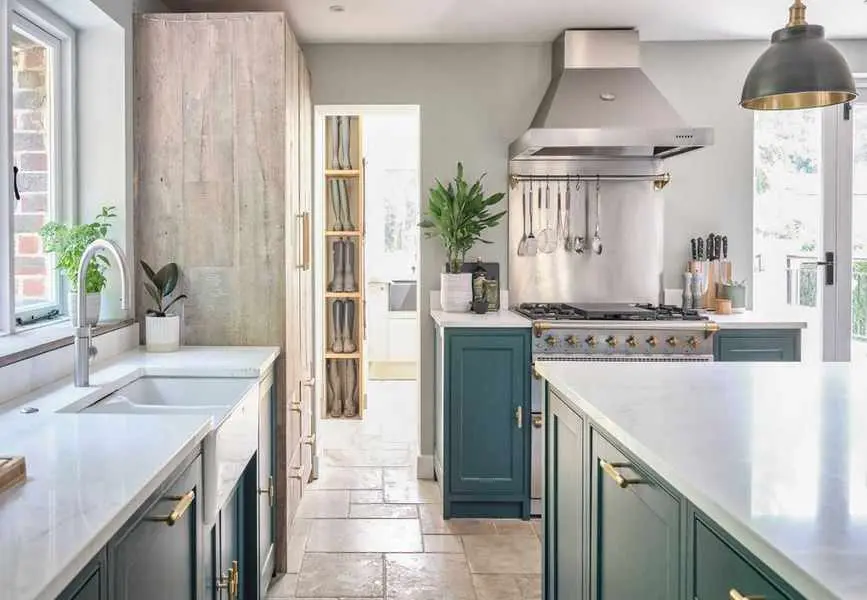
Organizing your kitchen can feel like a daunting task, but it's incredibly rewarding. A well-organized kitchen not only looks appealing but also streamlines cooking, enhances your hosting experience, and reduces food waste.
Here, we present 35 proven kitchen organization techniques along with practical tips to simplify the process.
Professional Tips for Organizing Your Kitchen
Tackling your kitchen organization, whether it's your first time or not, can be manageable with these steps:
- Clear Out Everything: Start by emptying your kitchen. Group similar items together; this chaos decluttering method helps you assess what you own and makes the process smoother.
- Eliminate Duplicates: Next, declutter your kitchen. If you have multiples of an item, keep the best and discard the rest to free up valuable space.
- Evaluate Single-Use Tools: Consider how often you use items meant for one specific purpose. If they rarely come out, it's time to let them go.
- Clean Thoroughly: After emptying cabinets and drawers, clean the surfaces with a non-toxic cleaner. Consider DIY solutions like vinegar to cut through grime.
- Organize by Frequency of Use: When restocking cabinets, place frequently used items at eye level. Less-used items can go on higher or lower shelves.
- Implement Regular Check-Ins: Make it a habit to revisit your kitchen organization monthly. Conduct an expiration sweep at least once or twice a year.
 EWG Certified
Attitude All Purpose Cleaner
The Environmental Working Group (EWG) has certified Attitude products as non-toxic, ensuring a safe cleaning experience.
 Machine washable
Mr. Siga Microfiber Cleaning Cloths
These cloths are reusable and easy to sanitize after use.
 For tough grease
Scrub Daddy Scratch-Free Sponge
This sponge adjusts to different water temperatures for effective cleaning without damaging surfaces.
Recognizing Ineffective Kitchen Organization

An organized kitchen simplifies cooking and entertaining.
Some organizing methods may not suit your kitchen's demands. Here are signs your current system needs adjustment:
- Persistent Clutter: If clutter accumulates, your kitchen lacks adequate storage for essentials.
- Frequent Misplacement: If you consistently struggle to find items, it's time to reassess your organization.
- Tidying Feels Overwhelming: If returning items to their places is cumbersome, consider reorganizing zones based on your routine.
- Inflexible Systems: Rigid labeling can hinder functionality. Opt for adjustable storage solutions instead.
- Overflowing Storage: If areas are packed, re-evaluate your storage strategies.
- Cooking Stress: If meal prep induces anxiety, it's a clear sign for better organization.
Key Kitchen Zones for Organization

Defining kitchen zones enhances workflow.
When organizing, focus on these six essential zones to streamline your kitchen:
- Food Storage: Keep non-perishables together, categorized for easy access.
- Cooking: Store pots, pans, and utensils near the cooking area.
- Food Prep: Designate space near the cooking zone for meal prep activities.
- Cleaning: This area should include the sink, dishwasher, and cleaning supplies.
- Kitchenware Storage: Keep dishes and utensils close to the cleaning zone for convenience.
- Entertainment: If your kitchen has seating, position it away from the cooking area to avoid congestion.
Expert Kitchen Organizing Ideas

Top kitchen organizing strategies from professionals.
1. Organize by Category
For better flow, categorize kitchen essentials. Suggested categories include:
- Dry goods, canned items, and spices
- Pots, pans, and cookware
- Baking essentials
- Cutlery
- Dishes
- Glassware
- Special occasion items
- Dish towels
- Kids' dishes
- Cleaning supplies
2. Apply the FIFO Method
Implementing the FIFO (first in, first out) technique reduces waste and simplifies cooking. Place older items at the front for easy access.
3. Assign Homes for All Items
Each item should have a designated spot, promoting efficiency and ease in both finding and returning them.
4. Ensure Accessibility
Avoid complex organizing systems. Make items easy to reach, eliminating unnecessary steps to access them.
5. Keep Counters Clear
Minimize countertop clutter. Only keep frequently used appliances visible. Utilize trays for organizing smaller items.
6. Install an Appliance Garage
These hidden storage spaces keep appliances out of sight while remaining accessible for use.
7. Maximize Storage with a Back Kitchen
If space allows, use a back kitchen or pantry to store bulk items and reduce clutter in the main kitchen.
8. Utilize the Golden Triangle
Arrange key appliances (stove, fridge, sink) in a triangle for efficient movement during cooking.
9. Simplify Shelf Usage
Keep shelves tidy to avoid clutter. Use decorative baskets for less frequently used items.
10. Optimize Drawer Space
Keep drawers tidy by utilizing dividers and ensuring commonly used items are easily accessible.
11. Double Up Cabinet Storage
Utilizing tiered shelf organizers can effectively increase available storage space.
12. Make Use of Corner Cabinets
Opt for lazy susans or pull-out cabinets to maximize corner storage.
13. Introduce Pull-Out Shelves
Pull-out shelves make accessing items in deeper cabinets easier, ensuring no space goes unused.
14. Use Clear Bins
Transparent containers help keep track of contents and maintain organization.
15. Control Tupperware Chaos
Organize containers and lids efficiently to prevent clutter.
16. Embrace Vertical Storage
Utilizing vertical space can significantly enhance storage capacity.
17. Incorporate Mobile Storage
Wheeled carts or islands can provide extra workspace and storage.
18. Try Pegboards
Pegboards can enhance accessibility for utensils and pans.
19. File-Fold Towels
This method keeps towels organized and neat.
20. Centralize Spices
Organizing spices in one area prevents confusion and ensures accessibility.
21. Label Everything
Labels help maintain an organized system that others can follow.
22. Maintain Food Freshness
Utilize quality storage containers to reduce food waste.
23. Repurpose Containers
Use old jars and boxes for organizing rather than purchasing new bins.
24. Keep Non-Cooking Items Out
Minimize distractions by storing non-cooking items outside the kitchen.
25. Establish a Tech Nook
Create a space for tech to avoid cluttering countertops.
26. Chill Wine Properly
A dedicated bar area can enhance your kitchen's functionality.
27. Consider Decanting
Streamline your pantry by decanting certain food items.
28. Install Child-Locks
Child-proof your lower cabinets to ensure safety.
29. Create Snack Stations
Organize snacks for easy access to prevent mess.
30. Set Up a Command Center
A shared calendar in the kitchen serves as a helpful hub.
31. Develop a Breakfast Zone
Consolidate breakfast items for streamlined morning routines.
32. Seek Storage Beyond the Kitchen
Use other areas of your home for seasonal kitchen items.
33. Make Islands Multifunctional
Use kitchen islands for additional storage and workspace.
34. Avoid Overstuffing
Keep storage areas functional by avoiding excessive items.
35. Organize the Sink Area
Invest in a sink caddy for efficient cleaning and maintenance.
Explore how to zone your tasks and enhance your kitchen organization with these practical tips!



