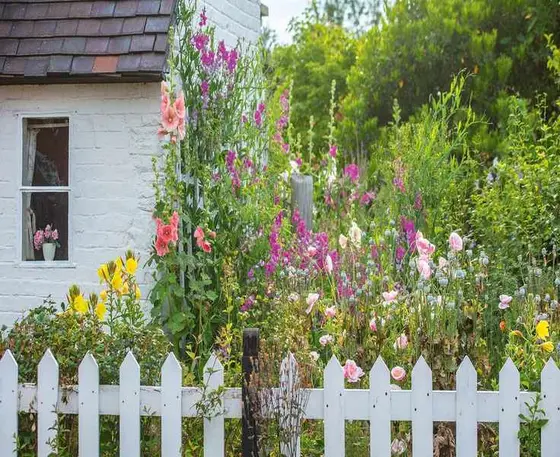
Fushimi Inari Shrine, Kyoto, Japan
My day started at 4:30 a.m., fueled by determination despite my drowsiness. My mission was straightforward – to capture stunning images of the iconic Fushimi Inari Shrine in Kyoto, Japan, without any crowds. The early riser truly gets the best shots.
Over the last eight years, I’ve traveled extensively as a freelance photographer and guided photo excursions across Asia. One vital lesson I’ve learned is that early mornings pay off in travel photography. The quiet, unobstructed scenes allow for authentic cultural captures.
No matter if you’re using an iPhone 6 or a DSLR, these five strategies will enhance your photography skills for your next journey.
1. Focus on Composition
The strength of a photo lies in its composition. Aim to fill the frame with essential elements and eliminate distractions. Create depth and balance through your camera angle, employing leading lines to direct the viewer’s gaze. In the previous image, the staircase's curve draws attention and guides the eye upward. If the shot lacks completeness, I patiently wait for elements to enhance it. For instance, a surfer passing by enriched my photo taken at Bells Beach, Australia.
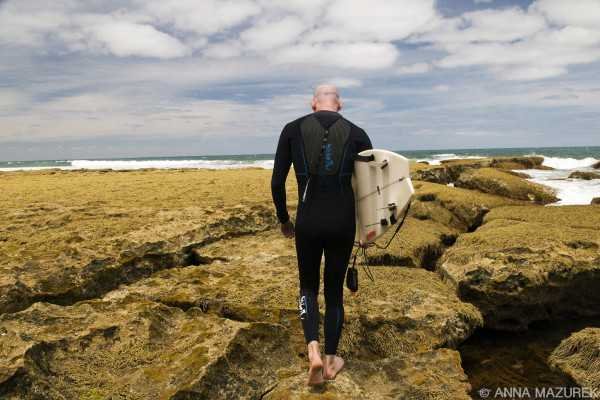
Bells Beach, Australia
2. Eliminate Distracting Backgrounds
Let’s face it – no one wants an unsightly tree branch ruining their shot. Elements like power lines and street lamps can detract from even the best photos. To boost your photography, reposition yourself or your subject to minimize distractions. Shooting from a lower angle with a wide aperture can also help blur unwanted elements. Try to avoid overly bright colors that steal focus from your main subject.
3. Capture the Light
When you discover a location you want to photograph, revisit it several times throughout the day to observe how the light changes. Monitor the quality and direction of both natural and artificial light. Haze and fog can soften colors and diminish contrast. Use your hand to assess the light’s direction, helping you choose your angle and position your subject effectively. Avoid taking portraits during harsh midday light, as it creates unflattering shadows.
The ideal time for photography is known as “Magic Hour” – the thirty minutes before and after sunrise or sunset, when the light is at its most enchanting. The most captivating sunset photos often occur before or after a storm when clouds enhance the sky's drama. A sunset shot is particularly stunning after a late afternoon rain.
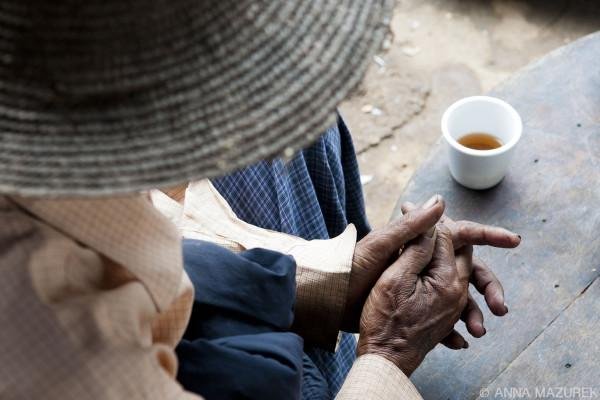
Inle Lake, Burma
4. Embrace People & Details
Capturing images of strangers is easier than you may think. Start a conversation; people love sharing their stories. Consider setting your camera aside and returning later for a photo. When in new cultures, research local customs and learn a few basic phrases like “hello” and “thank you.” If you’d like to take someone’s picture, gesture to your camera, smile, and give a thumbs up. If they decline, it's a no for the camera, not for you personally. Just move on.
When taking portraits, focus on the eyes or unique features. Steer clear of forced smiles and anticipate genuine expressions. Include details that offer insight into the subject. A great instance is the shot from a market in Inle Lake, Burma, where I quickly captured an older man enjoying tea, framing his hands as I passed by.
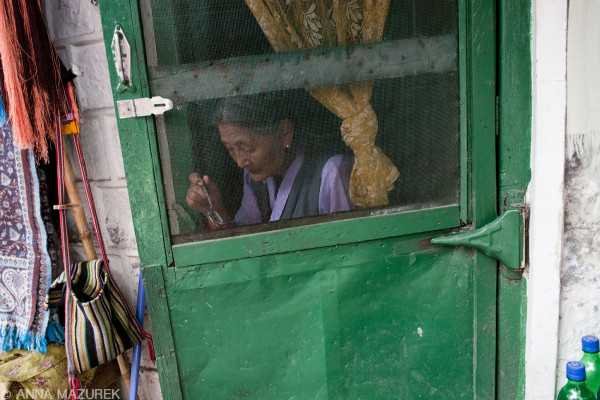
McLeod Ganj, India
5. Shoot from the Hip
One of my favorite travel activities is wandering through streets, capturing candid moments of daily life – kids heading to school, vendors stacking fruits, and locals chatting. While I do photograph renowned spots, my background in photojournalism drives my fascination with everyday life. Street photography is a growing trend, allowing for cultural documentation. It relies on intuition and readiness; when you recognize a moment, act quickly to seize it before it fades. Henri Cartier-Bresson called this “the decisive moment” when everything aligns perfectly.
Shooting from the hip is a fantastic way to gain unique perspectives. It allows for capturing serene moments from a different angle, like the image of a woman enjoying her lunch at a market in McLeod Ganj, India.
I keep my camera at my side, manually adjusting the exposure for the ambient light with a central focal point and a shutter speed around 1/250. For iPhone users, it’s easy: I open the camera app, hold the phone horizontally at hip level, and press the volume up button to snap a picture. I pause briefly to ensure focus and avoid motion blur.
Most importantly, remember to be patient and have fun while capturing your travel photography!