

For gardeners, September brings a sense of fulfillment, and Monty Don considers it one of his 'favorite times' to be in the garden. There's so much to appreciate, from harvesting to tidying up, and as Monty emphasizes, it's the perfect moment to take cuttings and propagate plants.
If you're contemplating what to plant this month, it might be wise to explore your garden before purchasing new specimens. From roses to berries, propagating existing plants is a simple, eco-friendly way to enhance your garden's diversity and richness. In a recent blog post, Monty shares his five top tips for successfully taking fall cuttings.
1. Always Choose Cuttings from Your Best Plants
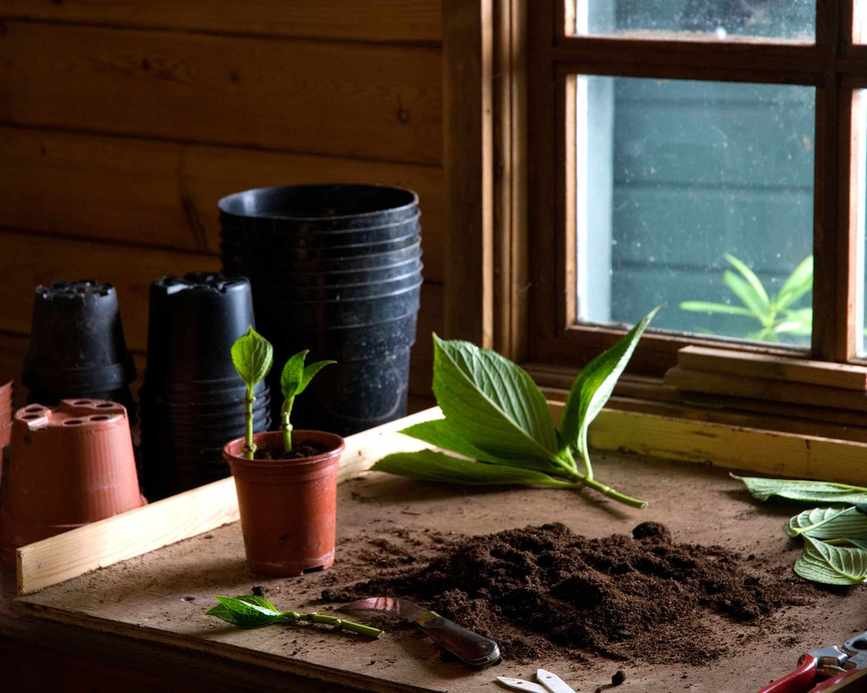
Taking cuttings is well worth the effort since it allows you to replicate your finest plants. Monty explains that 'a plant grown from a cutting will always be exactly the same as its parent plant, while one grown from seed will vary.' So, if you adore a particular rose, learn how to take rose cuttings. This principle also applies to fruiting plants—your favorite gooseberry will taste just as delightful when propagated from a cutting of the original.
2. Use Semi-Ripe Cuttings for Fall Propagation

A semi-ripe cutting is taken from the current season's wood that has begun to harden slightly. This method is especially beneficial as winter approaches. While a semi-ripe cutting (woody at the base and soft at the tip) may take longer to root compared to a soft cutting, it is also more resilient.
Monty believes that propagating plants in this manner 'provides more flexibility and reduces the urgency surrounding the process.' You won't need to fret about dropping temperatures in a greenhouse or conservatory, for instance.
3. Retain Moisture for Successful Cuttings

Maintaining moisture is crucial for ensuring the survival of your cuttings. Monty suggests placing the cutting in a plastic bag immediately after making it to minimize moisture loss.
Additionally, keeping your secateurs sharp is vital—a clean, sharp cut increases the likelihood of successful rooting. As for the common advice to take cuttings in the morning? Monty acknowledges that while it's generally good advice, 'in practice, it's best to do it whenever you feel inspired.'
4. Pot Up Cuttings Immediately
This step is perhaps the most critical for successful propagation. Monty emphasizes the urgency: 'the cuttings start to decline the moment you cut them, so the sooner you can help them root, the better your chances of success.'
Don't hesitate—pot them up in soil right away.
Monty recommends placing cuttings 'around the edge of a pot, allowing at least four to fit in one container.' Remember to remove any leaves from the lower part of the stem first. These pots can also create a lovely arrangement as part of your greenhouse ideas.
5. Care for Cuttings Until They Root
It's vital to ensure that cuttings do not dry out, as this will greatly affect their survival. Monty advises watering them frequently and misting the leaves often 'before new roots have time to develop.' It's also essential to avoid putting them in a south-facing position where they will be exposed to harsh sunlight.
How can you tell when your cuttings have rooted? 'You'll know roots have formed when you see new growth. At that point, you can remove the cuttings from the pot and transplant them individually before planting them out next spring.'


