What is retro style? Many people mistakenly view it as outdated, associating it with relics like lava-rock decor and old linoleum. But retro is distinct from vintage or antique styles.
The fine line between styles is crucial. When executed well, retro design can shine—imagine a stunning 1950s Hollywood Hills home. However, it can also result in an uninviting space, like a dim bathroom with moss-green carpet. For instance, glass brick tiles can either feel dated or become a trendy feature, as seen in NYC's Bridges, designed by Billy Cotton, where they create glowing partitions that are both nostalgic and contemporary.
Retro home decor is less about freezing a moment in time and more about blending different eras. It allows for a mix of bold, experimental elements from the past, presented through a modern lens.
We consulted designers immersed in this aesthetic to clarify retro's meaning in 2025 and the best ways to incorporate it into your home.
What Defines Retro Style?

Retro decor reimagines design elements from the 1940s to the 1970s rather than being a standalone trend.
Annie Harrison, founder of Fare Inc, describes retro design as familiar, nostalgic, and character-driven, connecting us to the past while remaining contemporary. It's not about strict replication of mid-century or postmodern styles but rather about reinterpretation that feels both evocative and modern.
Retro style encourages personal expression; it's about curating elements you love while leaving behind what doesn't resonate. Combine glossy walnut veneer with playful geometric designs or soften bold colors with tactile upholstery like velvet. The balance between honoring past materials and integrating them into modern contexts is essential.
Currently, retro is experiencing a resurgence, according to interior designer Matthew Williamson.

Key Features of Retro Style
Here's how to incorporate retro into a timeless home—by breaking mid-century palette rules and choosing statement pieces for an era-blending appeal.
1. Prioritize Tone Over Theme

Annie Harrison advises focusing on tone rather than a full retro theme. Instead of duplicating a classic diner or a kitschy lava rock shower, opt for evocative materials and shapes. Examples include a low-slung modular sofa or a pop of ochre. These subtle gestures evoke retro vibes without locking your space into one decade.
Think of it like holiday decorating: a few carefully chosen elements can convey the season without clutter. The same applies to retro—retain the nostalgia but avoid kitsch.
2. Embrace Earthy Color Palettes
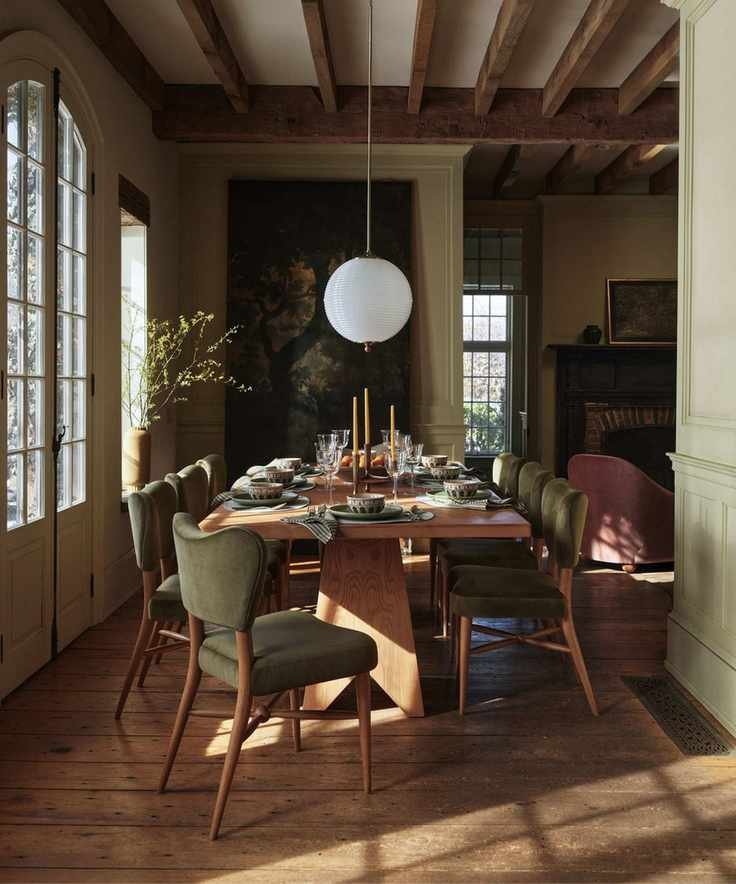
Jessica Hubner, founder of Collection Seven, emphasizes the importance of color in retro style. Use mustards, olives, rusts, and browns, and modernize them with matte finishes for a fresh feel.
Incorporating earthy colors lends warmth and nostalgia that feels current, whether through wall paint, upholstery, or tabletop decor.
3. Focus on Tactile Textures

Retro is a tactile experience. The cozy 1940s to '70s era can be channeled through textiles. Nadia Watts, an interior designer, suggests using fabrics like bouclé, chenille, and velvet, which evoke retro vibes.
Velvet, in particular, embodies retro luxury, enhancing depth and drama in a space. A velvet accent chair in ochre or burnt orange can be transformative.
For hard materials, opt for rich woods like teak or rosewood, grounding bolder elements. Nadia highlights burlwood for its unique movement and nostalgic feel.
4. Incorporate Vibrant Patterns

While retro color palettes can be subdued, the style thrives on boldness and experimentation.
Matthew Williamson encourages embracing vibrant geometric patterns and statement furniture like mid-century sofas. These lively motifs complement earthy tones while allowing for personal expression.
Imagine a chocolate-brown living room anchored by a chevron rug and a clean-lined coffee table.
5. Embrace Fearless Juxtaposition

Successful retro design in 2025 relies on contrasts—shapes, styles, and eras should interact. Henriette Kockum emphasizes layering geometric forms and warm tones to recreate 'Old Hollywood' glamour.
Don't shy away from dramatic contrasts; boldness is key.
6. Choose Low-Slung Furniture

The aim is to achieve balance with vintage pieces grounded by modern elements, creating an inviting atmosphere.
Amy Youngblood advises selecting clean-lined furniture to complement retro items. Mix asymmetric sofas and vintage chairs for an eclectic yet harmonious space.
Outdoor areas can also reflect this style with bold stripes and playful designs.
7. Use Sculptural Lighting

Lighting should follow the same principles as furniture, mixing old and new for balance.
Statement floor lamps or pendants provide visual interest. Pair bold retro lighting with minimalist details to keep the look fresh.
8. Add Bright Pops of Color

Small doses of color can invigorate an earthy retro palette, similar to Bauhaus design principles.
Nadia Watts suggests incorporating colors like mustard yellow and burnt orange through art and accessories. A canary yellow lamp can echo nearby hues and enhance the retro vibe.
Why is Retro Style Trending in 2025?

Though retro never truly disappeared, its resurgence reflects a desire for homes that resonate with personal identity.
Jess Hubner notes that people now favor unique, character-filled spaces over generic interiors. Retro style encourages experimentation and layering, influenced by hospitality trends that embrace warmth and charm.
Notable examples include the TWA Hotel and The Roxy in NYC, showcasing mid-century shapes blended with modern aesthetics.
How to Incorporate Retro Elements in Your Home
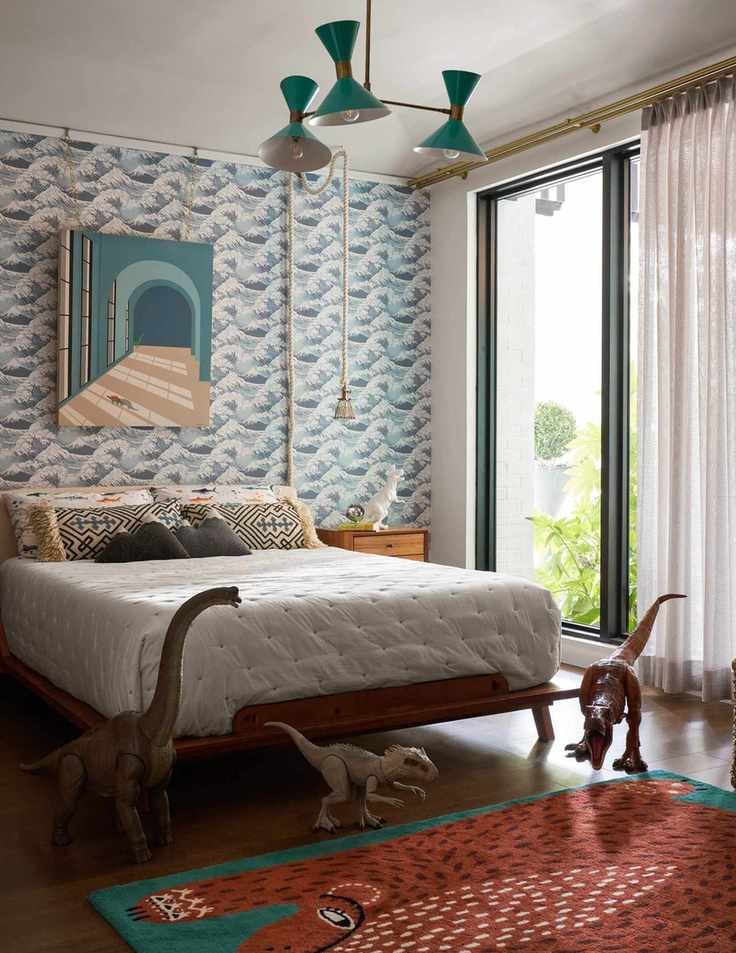
Incorporating retro elements requires a thoughtful approach. Select a few impactful pieces rather than overwhelming your space with retro items. Nadia Watts recommends smaller accessories, like rugs, to add character without dominating the room.
Consider color and texture continuity across different areas of your home for a cohesive look. Jewel-toned pillows in the living room or a chevron-printed throw in the bedroom can create balance.
Amy Youngblood suggests mixing colorful retro items while ensuring they don't compete. Aim for harmony in your decor—when in doubt, less is often more!
What to Avoid in Retro Style?
While no design element is off-limits if styled intentionally, some trends may feel outdated. Jessica Hubner points out that bold retro florals can easily overwhelm a space.
Instead, focus on one strong statement piece and build around it with harmonious tones and textures.
Shop Retro-Inspired Decor
Allmodern
Bauhaus Hand Tufted Area Rug, 5' x 8'
This hand-tufted wool rug combines a neutral palette with a cobalt blue accent, perfect for balancing mid-century and contemporary pieces.
Target
Bud Vase, Set of 2
These vibrant orange vases add a retro touch to any decor, making them a standout feature even without flowers.
George Oliver
Mid-Century Rattan Accent Chair
This low-slung rattan chair exudes breezy retro vibes, pairing perfectly with heavier fabrics and dark woods.
Beautiful by Drew Barrymore
Burlwood Table Lamp
This faux burlwood lamp adds a touch of elegance to any space, perfect for bookcases or bedside tables.
Cb2
Maro Smoked Mauve Cut Viscose Throw Pillow Cover
This moody velvet cover brings a retro feel to any chair or sofa, inviting comfort and style.
Crate & Barrel
Pom Pom 3-Oz. Green Marble Pinch Bowl by Laura Kim
This colorful marble bowl can add a pop of contrast to your decor, great for various uses.
If retro appeals to you, you may also enjoy Nostalgia-core, a trend that embraces sentimentality and nostalgic aesthetics.