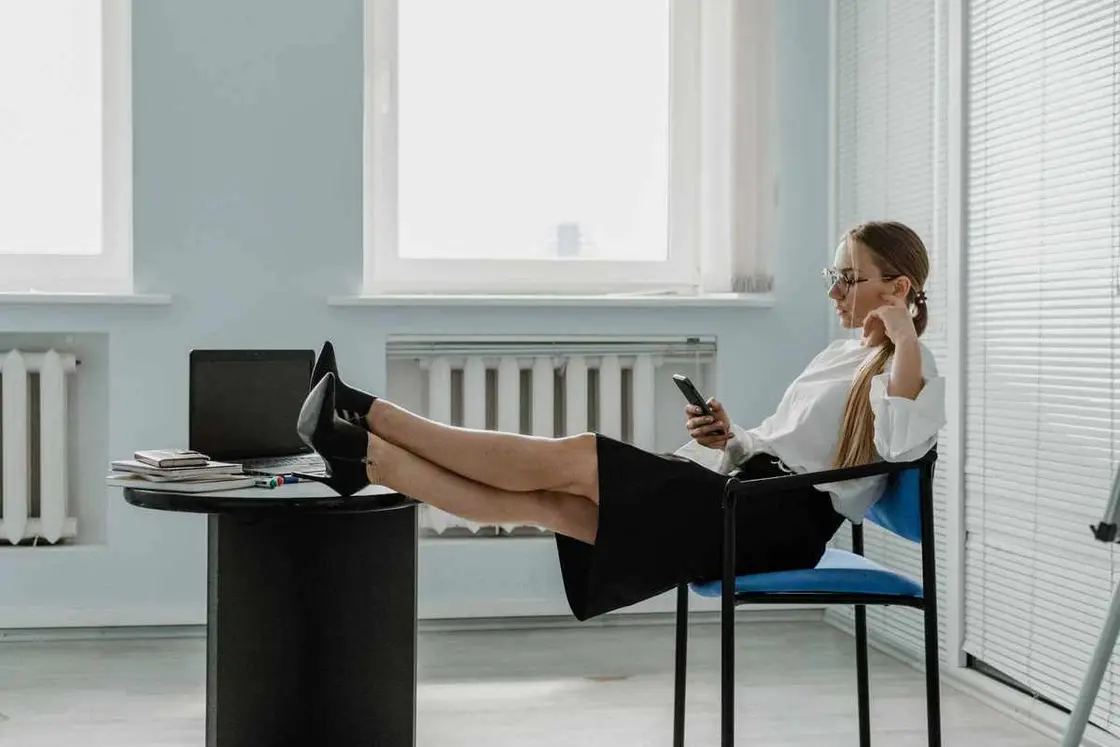
After spending over a year in comfortable loungewear, many are curious about the dress code expectations as we head back to the workplace.
In recent years, most industries have leaned towards a business casual approach. With the pandemic pushing us to remote work, yoga pants became the norm. Now, as we transition back, many wonder how to dress appropriately for the office. While some workplaces have specific guidelines, others simply ask employees to 'dress suitably.' But what does that mean in today's context?
Dress Codes Vary by Industry
There isn’t a universal answer when it comes to workplace attire.
“Dress codes are influenced by industry standards,” explains Jacqueline Whitmore, an expert on business etiquette and founder of The Protocol School of Palm Beach.
Fields like finance and law tend to maintain more formal dress requirements compared to sectors such as engineering or entertainment.
“A person's role within the company matters too,” Whitmore continues. “If you're meeting clients, remember to dress for their comfort rather than just your own.”
Conversely, Elaine Swann, founder of the Swann School of Protocol in Carlsbad, California, sees a shift towards prioritizing employee comfort.
“Companies are beginning to understand that they must enhance employee satisfaction and engagement,” she states. This includes improved salaries and benefits.
“I believe this will reflect in dress codes as well,” she adds.
Megan LaRussa Chenoweth, a style consultant and founder of Style Yourself Chic, has found that her clients' attire hasn’t changed as drastically as expected.
“In Fall 2020, I helped clients create stylish ‘upleveled casual’ outfits for Zoom meetings and home responsibilities,” Chenoweth shares. “Now that many are returning to offices, their dress codes are not significantly different, especially in traditional roles.”
For instance, her client, an estate attorney, still opts for business casual daily. Another client, a CEO in construction, wears either business casual or professional attire based on her schedule. Similarly, a client in finance sticks to business casual for routine tasks but dresses more formally for crucial meetings.
Nonetheless, Chenoweth notes that traditional suits are less common now.
“Business casual seems to dominate, a trend that was already on the rise before the pandemic,” she mentions. “This past year has only accelerated the move towards a more relaxed dress code for many.”
Many might also be ready to move past leggings.
“Some people are eager to dress up again,” Whitmore observes.
Swann recognizes this enthusiasm in her office, particularly among mothers who balanced work and homeschooling during the past year.
These women are keen to get back to styling their hair and dressing professionally, according to Swann.
“They’re wearing pumps and looking fantastic,” she remarks.
Dressing for Your Day and Your Life
Some organizations adopt a dress-for-your-day policy. Casual attire might be fine for regular office hours, but more formal clothing is expected when meeting clients.
Busy professionals must also consider their broader lives when selecting outfits.
“I don’t foresee an ultra-casual approach becoming the norm,” Chenoweth states. “My clients are busy juggling work, family, and social lives, and they need wardrobes that cater to all aspects. They require business casual pieces that can seamlessly transition from office wear to kid's practice with just a change of shoes or accessories.”
It's essential to strike a balance between dressing for your current situation and your aspirations.
“Dress for the position you want, not just the one you have,” advises Whitmore.
Chenoweth has a client who embodies this principle.
“One of my clients aims to become a partner at her accounting firm,” she shares. “While she's been comfortable in lounge wear and Zoom tops over the past year, returning to the office means she must present herself as a prospective partner to achieve her career goals.”
Choosing Your Work Attire
What should you opt for as you return to your workplace? If you're in law, finance, or other sectors that necessitate conservative attire, adhere to the established dress codes.
“Ultimately, it’s dictated by what your employer specifies as acceptable attire,” Whitmore states.
In the absence of strict guidelines, lean towards business professional or business casual, depending on your company's culture. For more progressive sectors, Chenoweth suggests 'upleveled casual' as the way forward.
“The key is maintaining a polished, professional appearance,” she emphasizes.
What should you consider for your back-to-office shopping list? Swann suggests stylish yet comfortable drawstring pants made of linen or breathable fabric.
“We might not all be ready to slip into jeans just yet,” she chuckles.
If wearing heels feels daunting, consider wedge sandals. Pair with a blazer, rolled-up sleeves, and your go-to accessories for a polished look.
“It’s a chic ensemble that still conveys professionalism,” Swann notes.
Keep in mind that companies recognize the challenges of transitioning back to an office environment.
“I’ve held numerous Zoom workshops for various organizations to assist employees in reacclimating to professional attire as they return to the workplace,” Chenoweth explains. “It might feel overwhelming, but it doesn't have to be drastically different. The focus should be on choosing comfortable fabrics with tailored fits to help ease back into office life.”