During the warm summer months, watering becomes a vital task in maintaining your vegetable garden. Regardless of where you reside or the scale of your garden, you'll find yourself dedicating ample time to keep your plants hydrated as temperatures rise.
There are various methods to hydrate your crops, from watering cans and hoses to sprinklers and automated irrigation systems. Regardless of your watering approach, knowing when to water your plants can optimize water usage and promote plant health.
Some times are more effective than others for watering, and certain periods should be avoided altogether when tending to your vegetable garden. If you can adapt your schedule to include these ideal times, your plants will thrive.
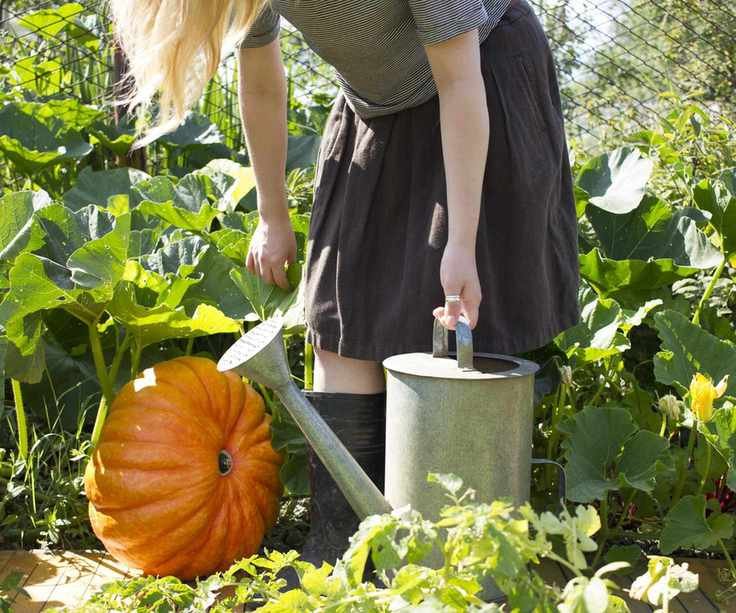
Watering your vegetable garden at optimal times encourages robust crop growth.
What is the Optimal Time to Water Your Vegetable Garden?
To cultivate the healthiest vegetables, we'll uncover the best times for watering. Additionally, we will explore the times to avoid and the reasons behind these recommendations.
Water Early in the Morning
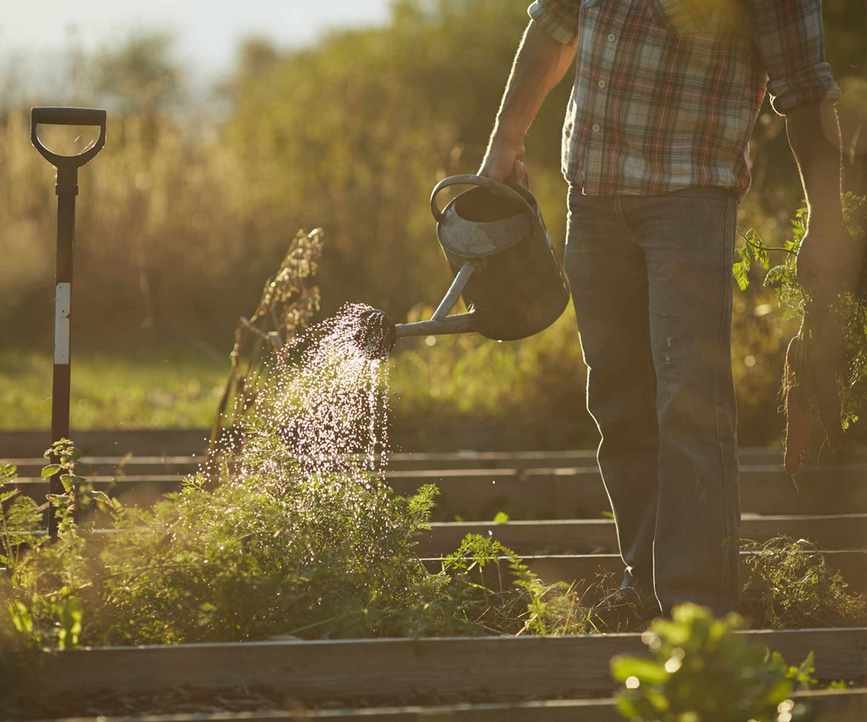
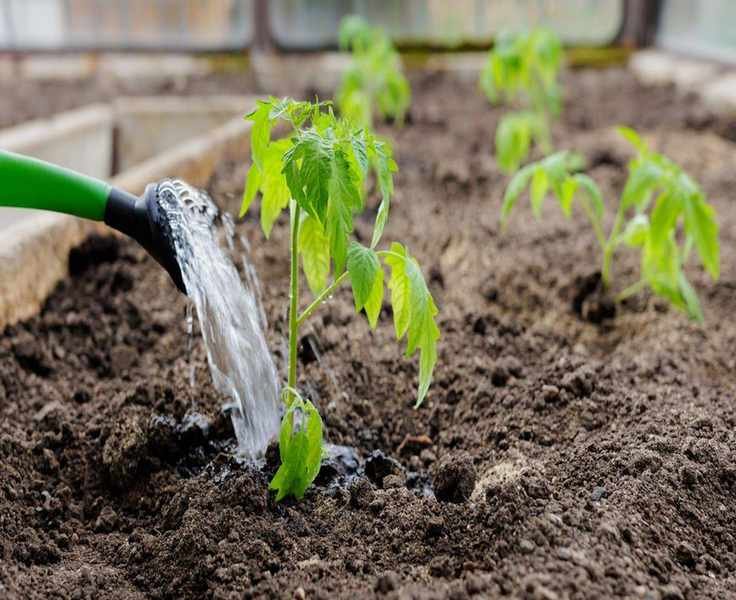
Watering a vegetable garden can become a daily routine during summer.
The optimal time to water your vegetable garden is early in the morning. If your schedule allows, watering before heading to work or getting the kids ready will greatly benefit your plants.
During the cooler morning hours, water has ample time to penetrate the soil and be absorbed by the plants, reducing loss from evaporation. As temperatures rise throughout the day, evaporation increases, making it less effective to water during these warmer periods, particularly at midday.
Mariah Henry, Director of Urban Agriculture at Carolina Farm Trust, suggests that watering between 5 AM and 7 AM is ideal. She advises against afternoon watering during hotter months to improve water retention.
She explains, 'In warmer weather, water can evaporate quickly, hindering the plants' ability to absorb it.' Watering during peak heat is counterproductive, as plants won't draw as much benefit when temperatures soar.
Another benefit of early morning watering is that any moisture on the leaves has time to dry before nightfall. Leaving plants wet overnight can increase the risk of fungal diseases such as powdery mildew.
Gerry Murphy, owner of Growseed, emphasizes that watering early prepares plants to face the sun effectively. 'Morning watering ensures plants are well-hydrated before the heat sets in, which is crucial during hot spells,' Gerry states.

Mariah Henry is dedicated to re-educating communities on sustainable practices through her role as Director of Urban Agriculture.
Alternatively, Water in the Evening
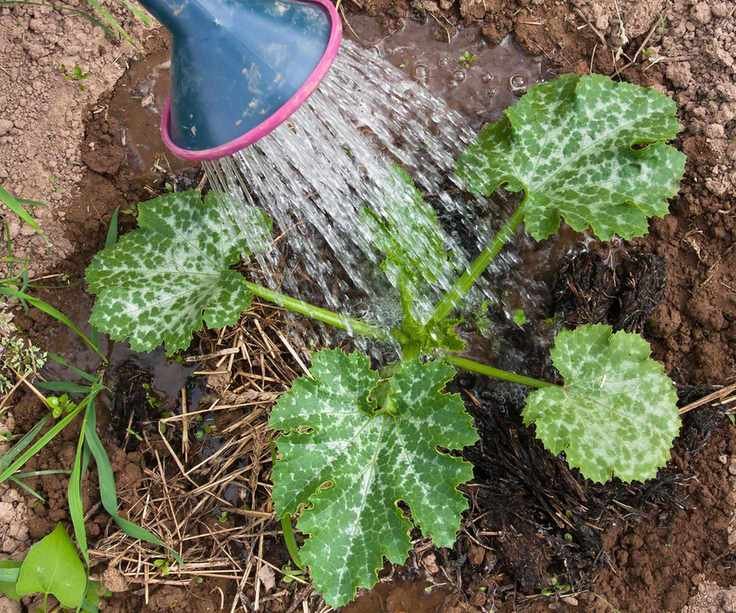
Watering earlier in the day allows foliage sufficient time to dry.
While morning is the most efficient time to water, if your schedule doesn't permit it, evening watering is the next best option. The cooler evening air helps prevent evaporation.
'If you miss watering in the morning, don't worry—just resume in the early evening,' says Mariah Henry. However, one drawback of evening watering is that wet foliage may remain damp overnight, posing a risk of fungal issues, especially if you use a sprinkler or hose.
Timing May Depend on Your Watering Method
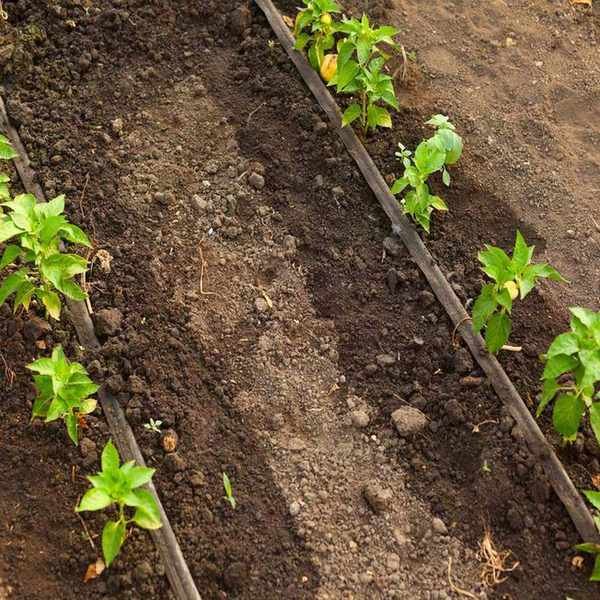
Drip irrigation delivers moisture directly to the roots, where it's most needed.
The timing for watering your vegetable garden can vary depending on how you choose to water. Utilizing sprinklers or hoses increases the risk of water accumulating on the foliage, while drip irrigation minimizes this risk.
Drip irrigation or soaker hoses can effectively deliver water to the base of the plants, ensuring it reaches the root zone. Shawn Jadrnicek, an extension agent for Virginia Tech, notes that with a drip system, you can water 'anytime' since the leaves remain dry, although there are still preferred times for optimal results.
'The best time for drip irrigation is when plants need water, typically when the sun is shining,' Shawn explains. 'With drip irrigation, you want to keep the soil around the plants consistently moist without oversaturating the root zone, which usually requires more frequent watering for shorter durations.'
To prevent fungal issues, always direct water to the base of the plants and avoid wetting the foliage by refraining from overhead watering with a can or hose.

Shawn Jadrnicek brings over 25 years of experience in agriculture, having worked in various roles from farmer to extension agent, honing his skills in cultivating food across diverse climates.
Find Essential Drip Irrigation Tools
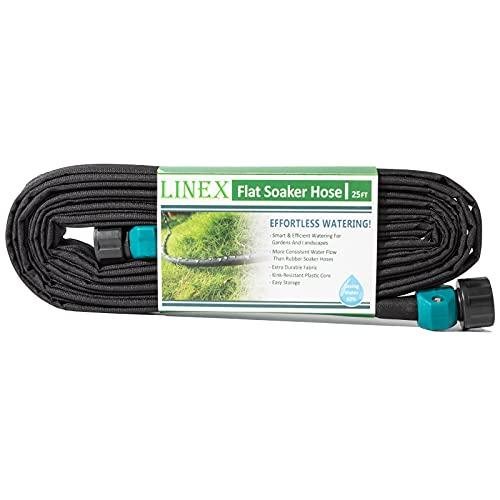
A soaker hose that delivers water at a rate of 3 gallons per minute, evenly distributing moisture along its length. This garden soaker hose is easy to set up and relocate.
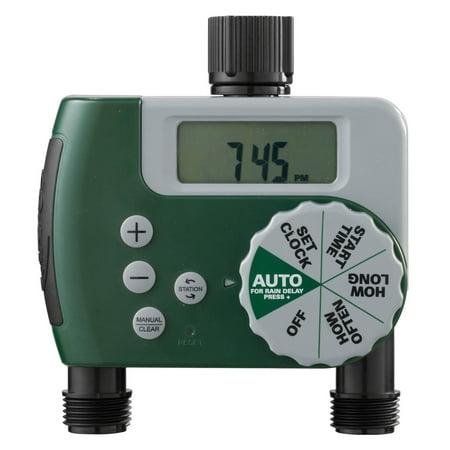
This programmable timer is user-friendly and can schedule watering from every 6 hours up to once a week, with durations ranging from 1 to 240 minutes.
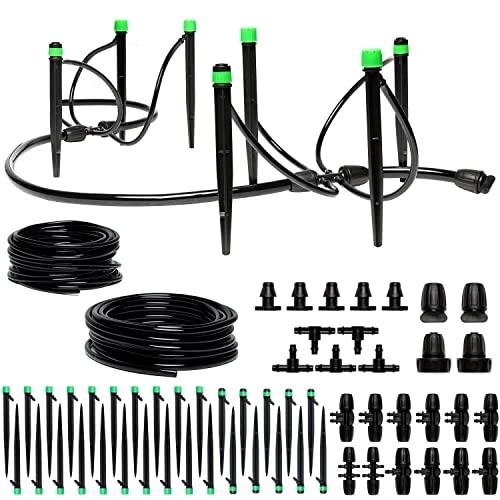
This customizable drip irrigation kit includes sprayers, emitters, and tubing to effectively hydrate vegetable gardens, flower beds, or raised garden beds.
Frequently Asked Questions
Should I Water My Vegetable Garden Overnight?
Watering your vegetable garden overnight is not recommended. Nighttime watering increases the risk of diseases due to wet leaves and can attract slugs and snails that thrive in damp conditions. Additionally, without monitoring, overnight watering may lead to waterlogging and overwatering unless you use timers for your irrigation system.
If you have a smaller vegetable garden or container plants, you can utilize drip irrigation systems and other DIY watering solutions. These budget-friendly options can effectively hydrate your plants, especially when you're away.