
I've dedicated a significant part of my life to maintaining a clean home. However, when I first tried this scrubbing brush, I was amazed by the hidden grime it uncovered in areas I thought were spotless.
Growing up, scrubbing brushes weren't a staple in our cleaning routine, so I never considered their potential. Only recently did I search for a compact cleaning tool to tackle a stubborn gap in my bathroom, and that's when everything changed!
Now, I can't imagine cleaning without this must-have scrubbing brush.
My New Favorite Cleaning Tool: Scrubbing Brushes
Using a scrubbing brush has completely changed how I clean my bathroom and kitchen. It's particularly effective for areas around drains, tracks, and faucets where sponges struggle to reach.
The stiff bristles offer the right amount of scrubbing power to eliminate dirt without scratching delicate surfaces like glass or stainless steel. It also preserves the shine of chrome fixtures.
Karina Toner, a professional cleaner and operations manager, shares, 'Scrubbing brushes are incredibly versatile for removing stubborn grime from hard-to-reach areas.'
'Their stiff bristles deliver just enough abrasion to dislodge dirt without harming sensitive surfaces. They're essential for every home cleaning kit, making it easy to clean those tricky spots that sponges miss.'
Perfect for Bathroom Cleaning
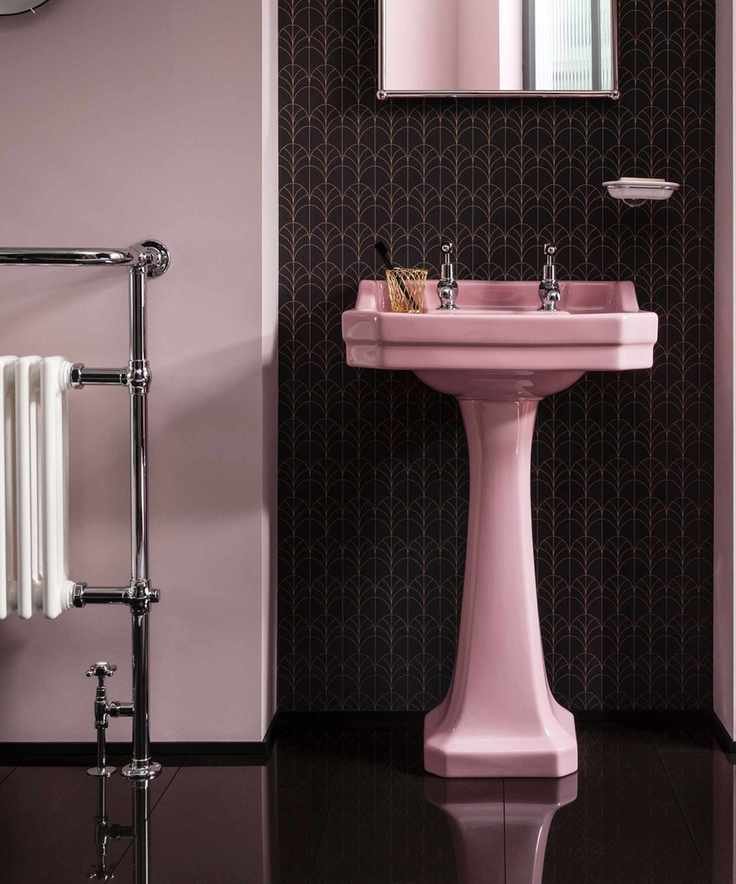
Custom pink Edwardian basin
I first used mine to clean the shower track where the tray meets the glass door, which was covered in mineral deposits and soap scum.
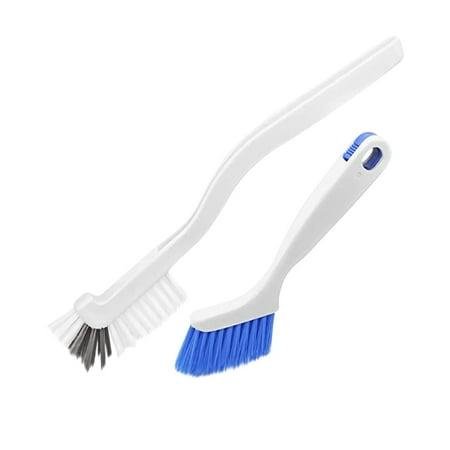
It's also effective on window tracks, where shower fixtures meet tiles, and in grout lines. If you find 'pink mold' (a type of bacteria), grab a crevice brush like this one from Walmart for thorough cleaning.
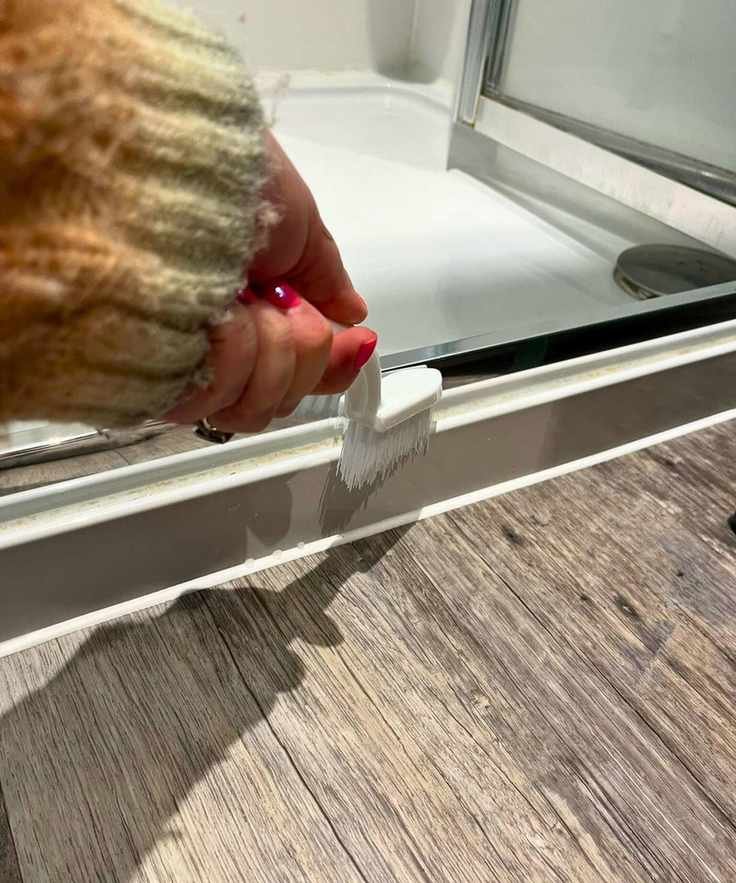
Karina adds, 'Bathroom components like shower tracks and grout lines can gather soap scum and bacteria that typical cleaning tools can't fully eliminate. A crevice scrubbing brush helps you reach tight spots, restoring cleanliness.'
'For bacteria like pink mold, combine your brush with a gentle disinfectant made for bathrooms. It's a straightforward yet effective approach to keeping your bathroom spotless.'
Consider trying Method's Eucalyptus Mint antibacterial cleaner, available on Amazon, which effectively tackles mold and soap scum using plant-based ingredients.
Effective for Sinks

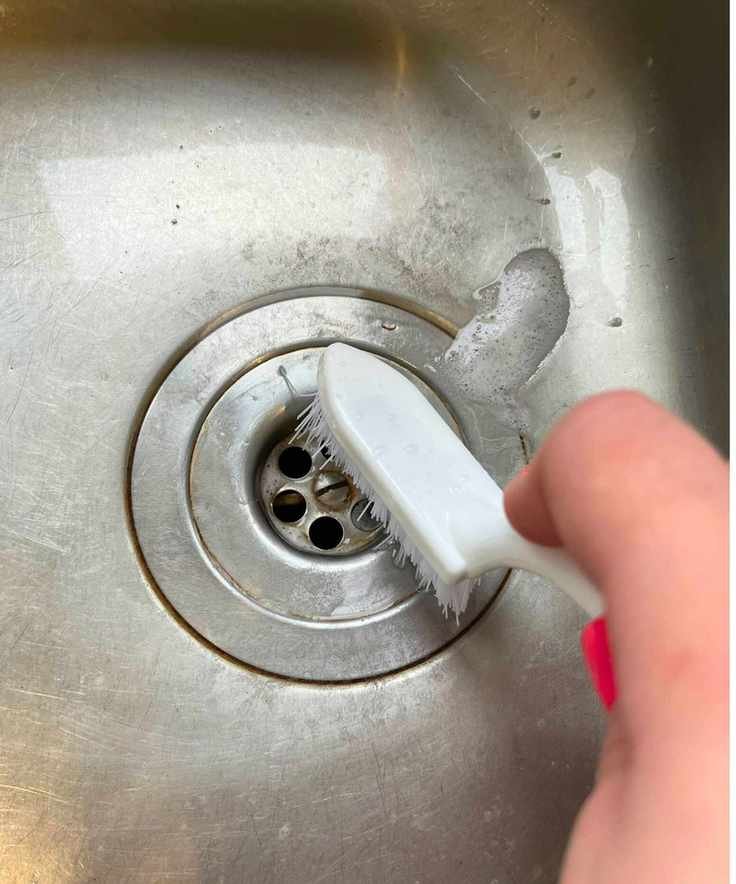
With our love for tea and coffee, stains can quickly accumulate in our stainless steel sink. While I can easily clean the sink's body with a regular sponge (I prefer heavy-duty Scotch-Brite sponges from Amazon), the drain area is trickier.
My scrubbing brush took care of it in just 30 seconds, eliminating coffee and tea stains completely.
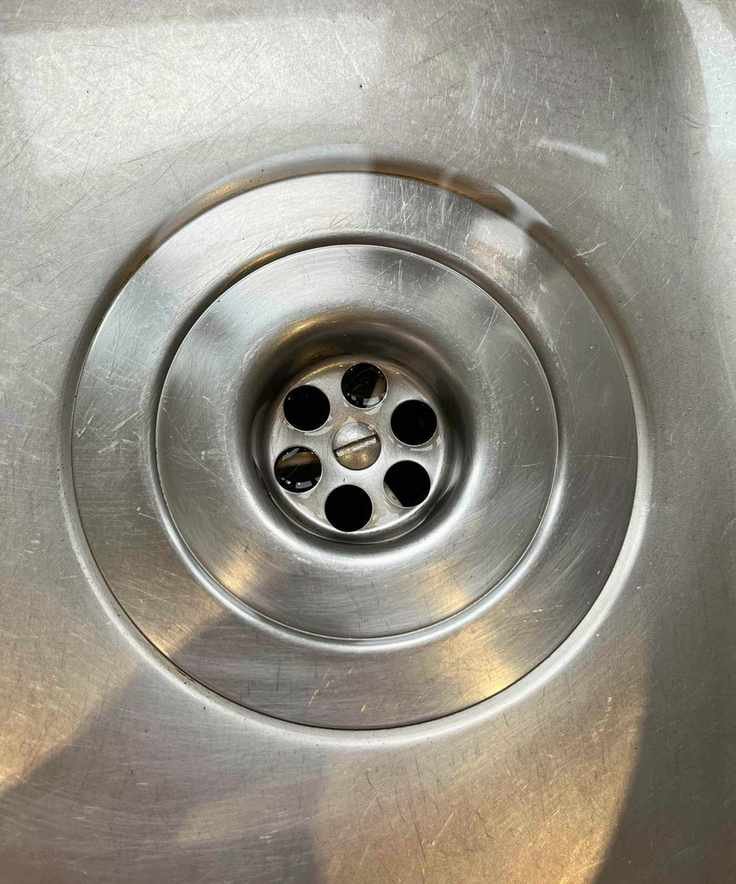
After
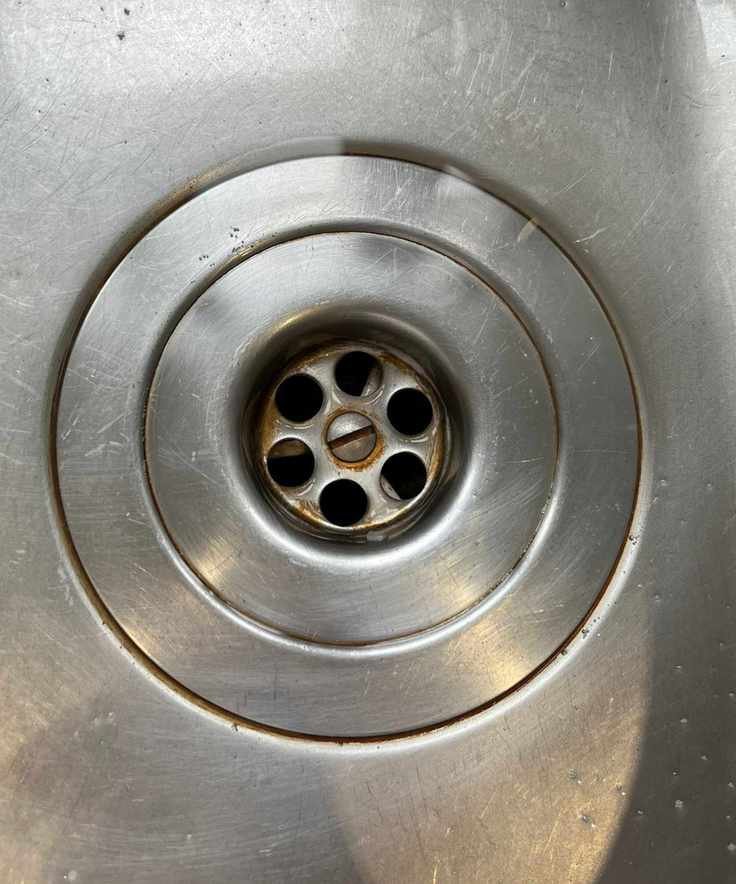
Before
While Cleaning
Karina mentions, 'Tea and coffee stains can be tough to combat in stainless steel sinks since they build up over time. They often settle in places sponges can't reach, like the drain.
'A scrubbing brush is incredibly effective here, especially when paired with a baking soda and vinegar paste or a specialized stainless steel cleaner like Bar Keepers Friend Cleanser. These methods eliminate stains without scratching, leaving your sink gleaming in no time.'
Baking soda is also great for making a cleaning paste (just add water until it's the right consistency) or sprinkle it on carpets and fabrics before vacuuming to deodorize.
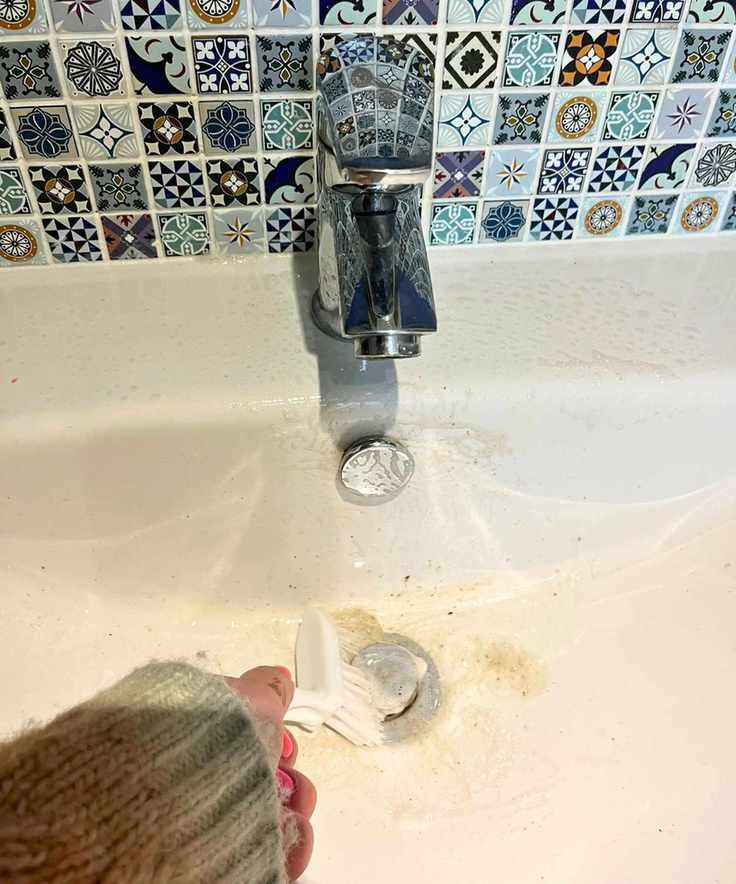
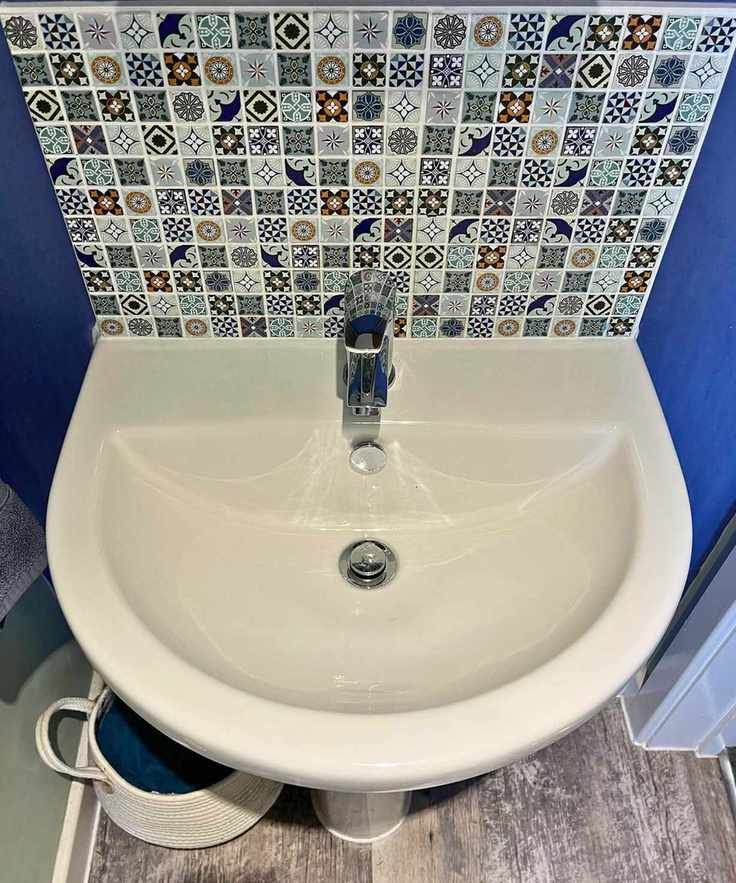
I was shocked by how much grime my bathroom sinks concealed. Take a look at the difference below!
Before
After
There are countless areas in your home that can benefit from a scrubbing brush. Karina highlights her favorites:
- Window tracks: Use a narrow brush to remove dirt and debris.
- Bathtubs: Clean soap scum and hard water stains effectively with a stiff brush and your preferred cleaner.
- Tiles: Tackle grout lines with a brush and a baking soda-hydrogen peroxide mix.
- Shower shelves: Eliminate built-up residue and mineral deposits.
- Counter edges: A small brush can clear dirt along edges.
- Window edges: Reach corners and grooves using a crevice brush for a clean finish.
- Grouting: Use a grout cleaner or a baking soda-water paste for deep cleaning.
- Shower heads: Scrub after soaking in vinegar to remove mineral buildup.
- Faucets: Focus on edges and crevices where grime tends to gather.
My Opinion
Having tried a scrubbing brush, there's no going back for me. It's now a permanent fixture in my cleaning arsenal. I purchase mine in multi-packs for designated areas, ensuring no risk of cross-contamination.
Essential Cleaning Tools
 Duo
Duo
This humble scrubbing brush has truly changed how I tackle tough grime in my home.
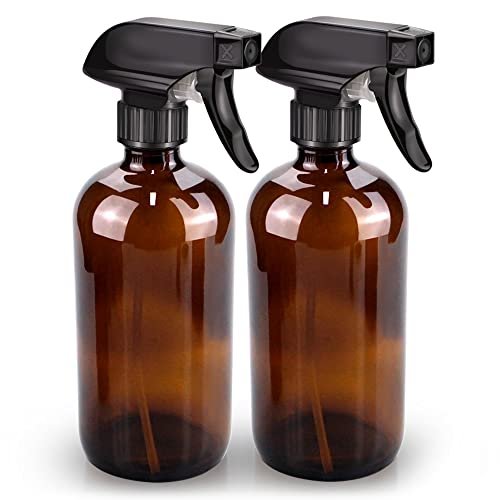 For DIY sprays
If you're looking to minimize chemical use, consider making your own cleaners and storing them in amber glass spray bottles. I mix equal parts vinegar and water in one and combine two cups of water with 10 drops of essential oil and a dash of dish soap in another.
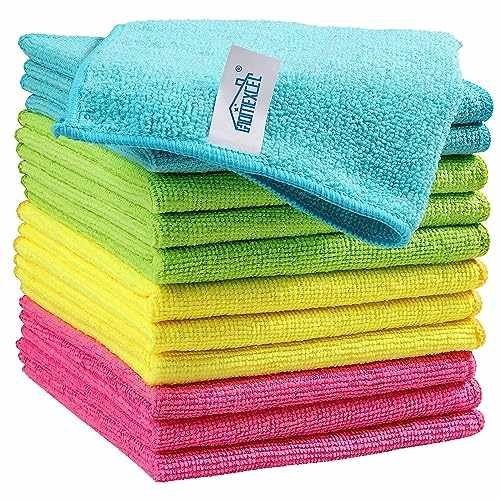 Reusable
For sustainability, I use microfiber cloths. These durable cloths last for years when washed and dried correctly. Avoid fabric softeners to maintain their absorbency, and utilize color zoning for extra sanitation.
Next, discover the one cleaning tool that our content editor swears by for deep cleaning her entire kitchen.