
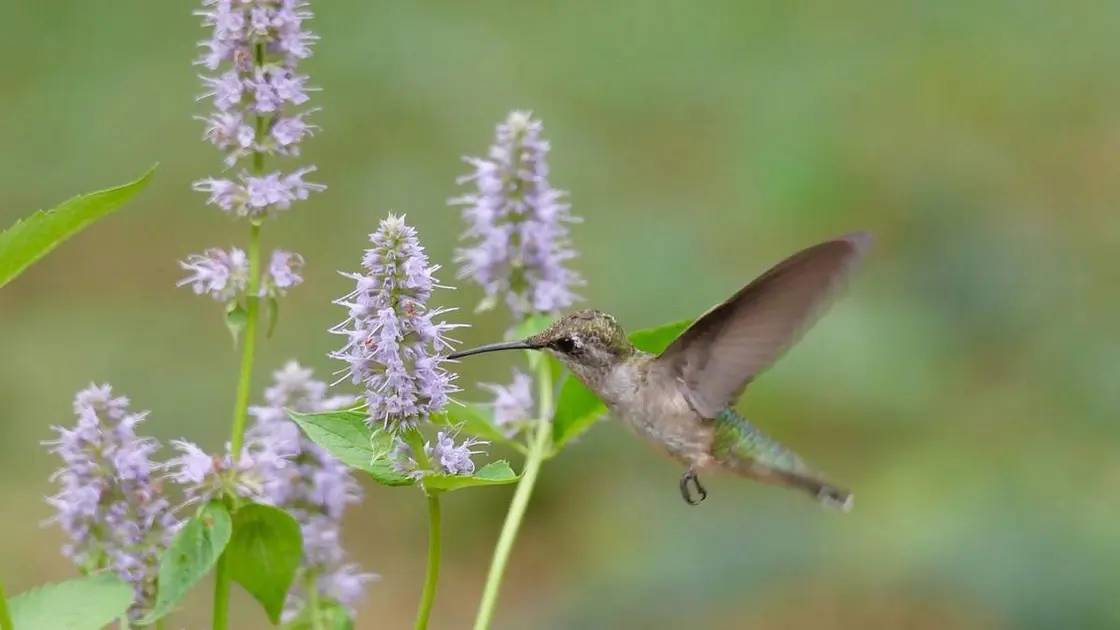
During spring and summer, a single hummingbird may visit up to 2,000 blooms daily, making them delightful to observe as they flit from flower to flower. If you're passionate about birdwatching, cultivating plants that entice these creatures can bring vibrancy to your garden.
Fortunately, countless plant varieties are favorites among hummingbirds. While red flowers often draw attention, other factors like fragrance, shape, and nectar sweetness are equally important. Thus, planting a variety of species will effectively attract these birds and keep them returning throughout the seasons.
If you're eager to nurture local wildlife, creating a habitat for hummingbirds is a fantastic way to begin. Here are five perennials known to attract hummingbirds, featuring colorful and fragrant selections endorsed by gardening experts across North America.
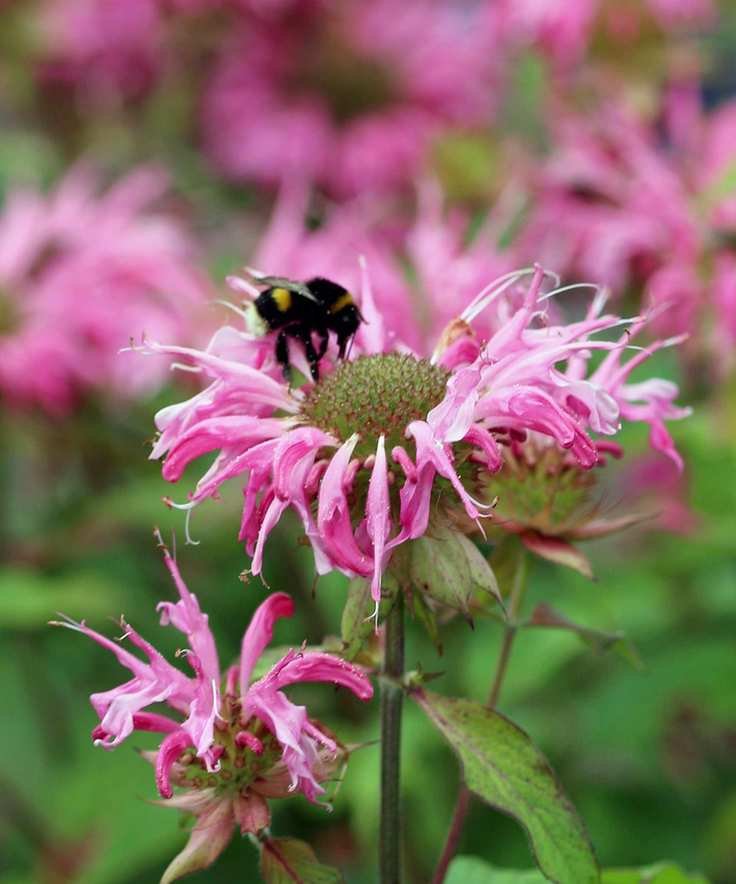
5 Best Perennials for Hummingbirds
North America is home to about 15 species of hummingbirds, many of which migrate to equatorial regions. Each year, these birds embark on their migration, leaving their feeding grounds in late summer and returning in spring. To support them, enrich your garden with flowering plants. Below are five perennials that provide nourishment for hummingbirds.
1. Hummingbird Mint
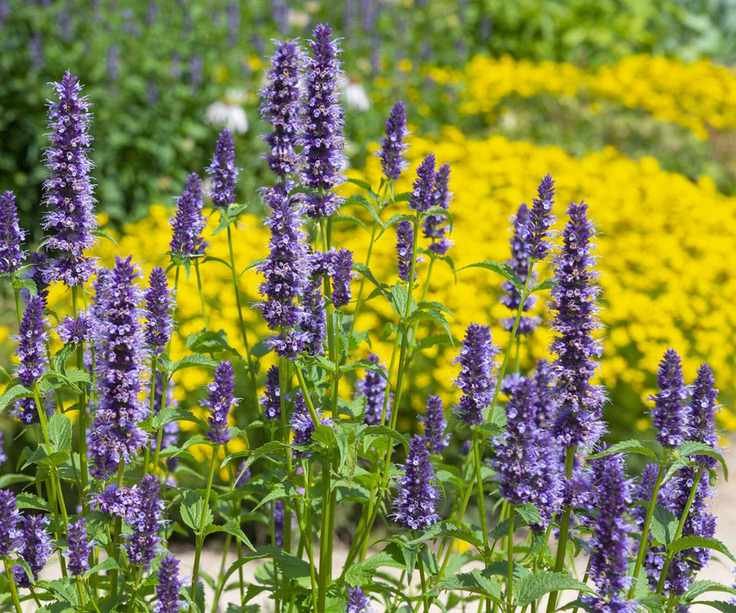
Agastache, or hummingbird mint, is widely regarded as one of the best plants to attract these birds, according to a gardening expert. This perennial boasts tall spikes adorned with pink, purple, and blue blossoms, ensuring a steady supply of nectar while enhancing your garden's aesthetics from summer through fall.
Hummingbird mint flourishes in full sun and well-drained soil. Most varieties thrive in USDA hardiness zones 3 through 10. Its drought-resistance makes it ideal for xeriscaping, and its natural deer resistance and butterfly attraction make it a versatile addition to any pollinator-friendly landscape.
This plant is also great for container gardening. Just use well-draining soil and avoid overwatering to keep them flourishing in pots for multiple seasons.
Order live hummingbird mint plants on Amazon.
2. Bee Balm
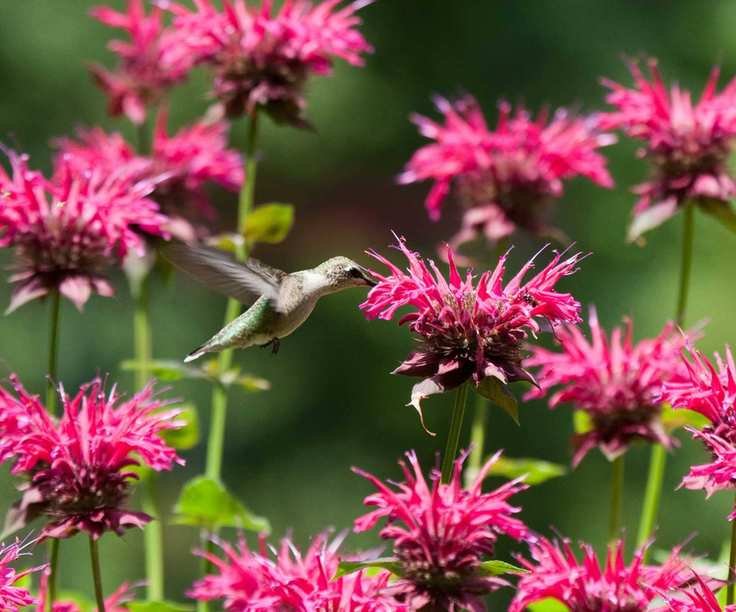
Bee balm, or Monarda, is essential in any wildlife garden. One of the best varieties, 'Jacob Cline', showcases striking crimson blooms in summer and is adored by hummingbirds, bees, and butterflies alike.
This variety resists mildew, ensuring it remains a robust and long-lasting component of your garden. It adapts well to full sun and partial shade, thriving in USDA hardiness zone 4 and above.
Bee balm prefers moist, well-drained soil but also tolerates clay soils. Whether planted in a garden bed or a large container, this resilient plant provides an abundance of nectar-rich flowers, keeping your garden lively throughout the season.
Find live Monarda 'Jacob Cline' plants on Amazon.
3. Red Hot Poker
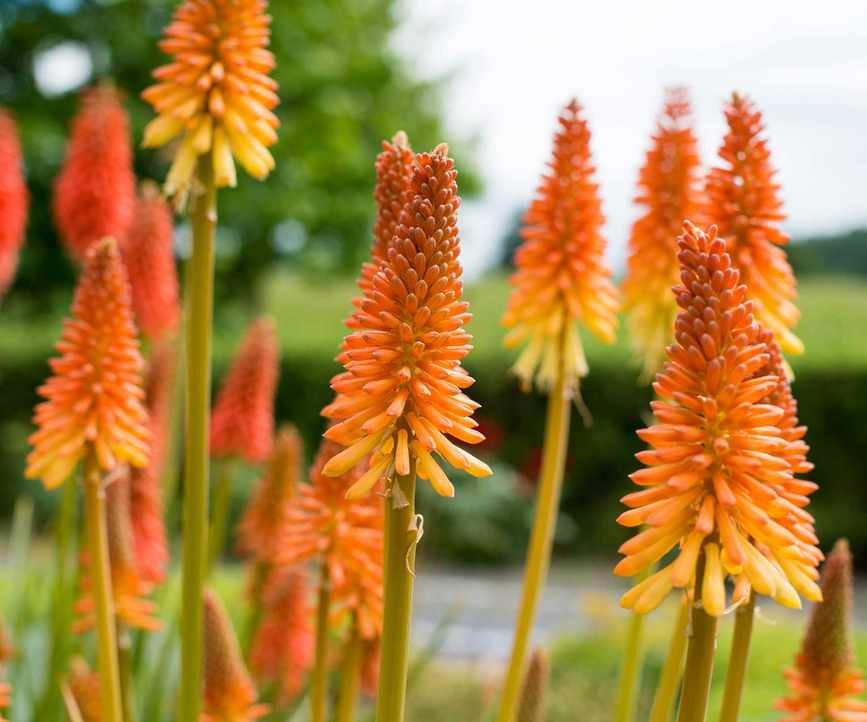
Red hot pokers are striking tall perennials, featuring vibrant spikes that produce numerous tubular flowers in shades of orange, yellow, or red. Not only are they visually appealing, but they also provide nectar that hummingbirds love.
These plants thrive in USDA zones 5 to 9, preferring full sun and well-drained, drought-tolerant soil. Numerous attractive varieties can reach heights from two to five feet. For a unique dwarf option, try the 'Mango Popsicle' red hot poker, which features eye-catching orange blooms.
4. Salvia
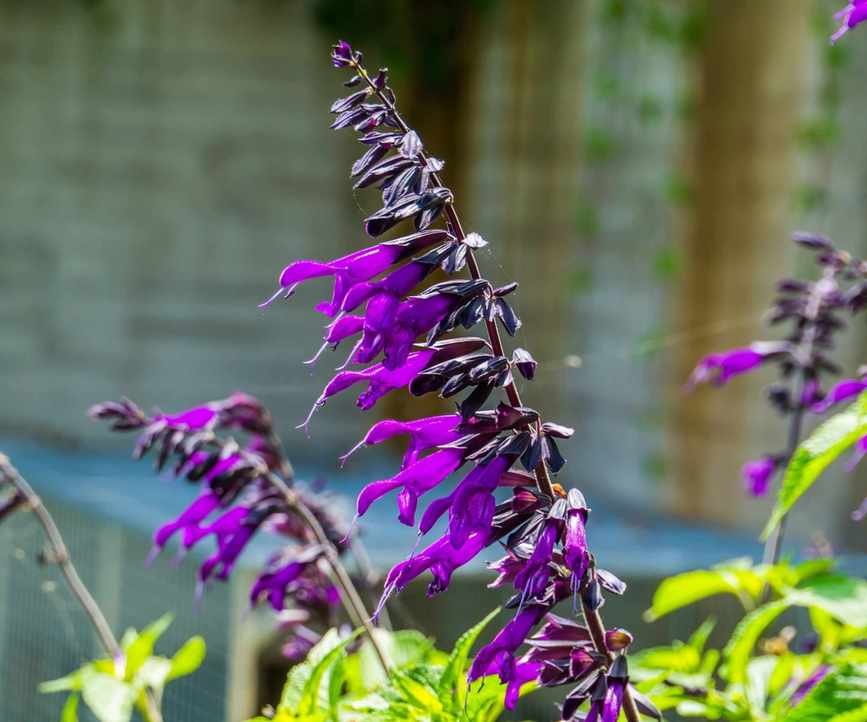
With over 900 species, Salvia is native to the Americas, Europe, and Asia. Growing requirements vary by species, but most thrive in zones 3 to 9, allowing for plenty of options to fit your needs.
Both Salvia nemorosa (woodland sage) and Salvia pratensis (meadow sage) are Mediterranean plants that prefer sunny locations and well-drained soil.
Another great choice is Salvia x 'Raspberry Delight', a hybrid known for its stunning raspberry-colored flowers. Standing three feet tall, this perennial is hardy to zone 6 and provides late-season nectar.
In warmer climates, consider Salvia elegans, or pineapple sage, which features red blossoms and aromatic foliage, ideal for attracting hummingbirds.
Order live pineapple sage plants on Amazon.
5. Hummingbird Trumpets
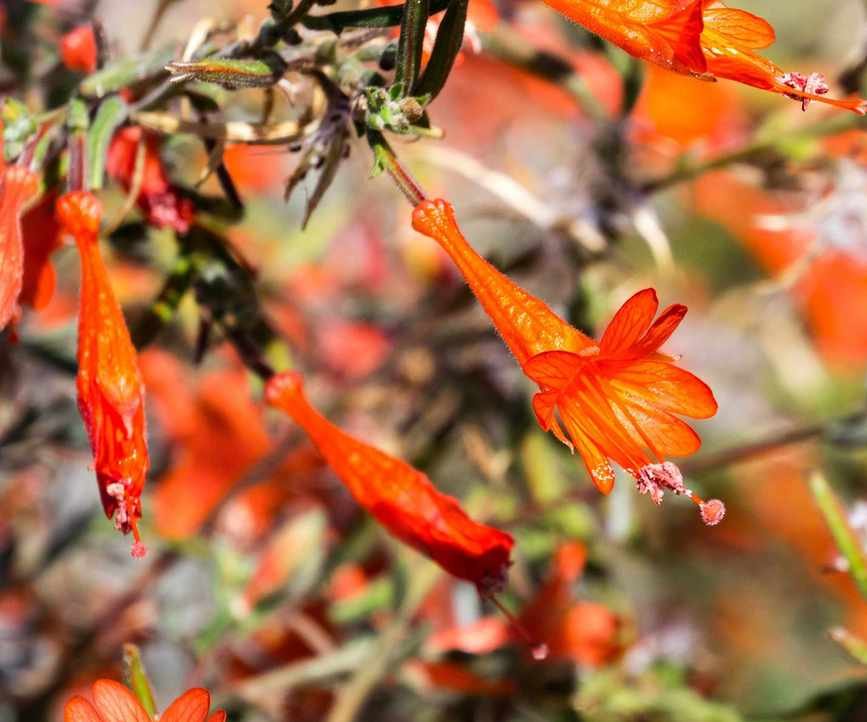
Hummingbird trumpets, also known as Epilobium or Zauschneria, are perfect for attracting pollinators, showcasing vibrant orange blooms that are high in nectar.
Consider the creeping hummingbird trumpet, or Zauschneria garrettii 'Orange Carpet', a fantastic ground cover that adds a splash of color while spreading beautifully over rock walls or pathways. This variety thrives in zone 3, preferring well-drained soil and some shade during hot afternoons.



