

Creating a warm and inviting atmosphere in your small living room is essential since it's a space for relaxation and hosting loved ones. So, how do you enhance your small living room?
Small living room concepts can be stylish, regardless of the limited space. There are numerous techniques to design a cozy and functional living area, perfect for both unwinding and entertaining. Choosing the right furniture size and incorporating suitable colors through paint and artwork can significantly elevate the ambiance of a compact room.
Whether your goal is to create an upscale look or simply to beautify your living area, these designer insights will enable you to make the most of your small space while addressing the challenges that small room designs often present.
Enhancing Your Small Living Room Design
Designing a small living room can embrace universal ideas, as noted by designer Seyie Putsure: 'Several elements contribute to a charming small space, including furniture size, color choices, and creating visual interest.' The key lies in balancing these elements to maximize your space.
1. Make a Statement with Window Treatments

Window treatment options are both practical and stylish, adding personality to a room while tying the design together. According to Seyie, 'Tailored draperies can create a solid foundation for the room.' Hanging curtains high can enhance the ceiling's height, making the space feel more expansive.
For smaller, darker spaces, opt for lighter materials to maintain brightness and avoid a bulky appearance. Longer curtains that reach from the ceiling to the floor can create the illusion of height, while improperly hung shorter curtains can make the area feel cramped. Avoid common curtain mistakes to ensure your room feels open.
2. Choose Appropriate Furniture Size
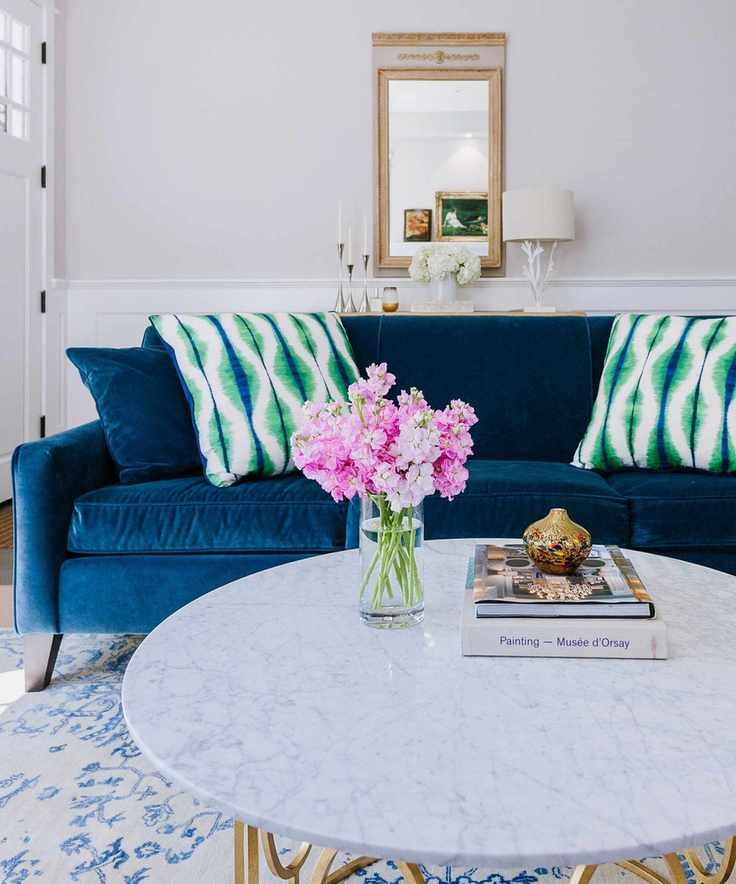
Furniture selection is crucial for every room, and while luxurious items may be tempting, the size of your living room furniture should take priority in a small space.
As Finnish designer Johanna Lehmuskallio explains, 'Avoid overcrowding a small living room with furniture. The wrong size can obstruct flow.' Choose pieces that are neither too large nor too small; furniture arrangement matters greatly in creating an inviting atmosphere.
Designer Julia Dempster emphasizes the importance of scale and proportion in furniture. A chaise sofa allows for lounging without occupying too much space, while a circular glass coffee table ensures visibility around the room. Seyie concurs, stating that a well-sized sofa should fill the room comfortably, leaving enough space to navigate around it.
Lower-backed furniture can also prevent a congested feel. Opt for round, lightweight coffee tables and side tables to enhance the inviting atmosphere. For example, a marble-topped table with a slender base is visually appealing and works well.
3. Optimize Your Layout
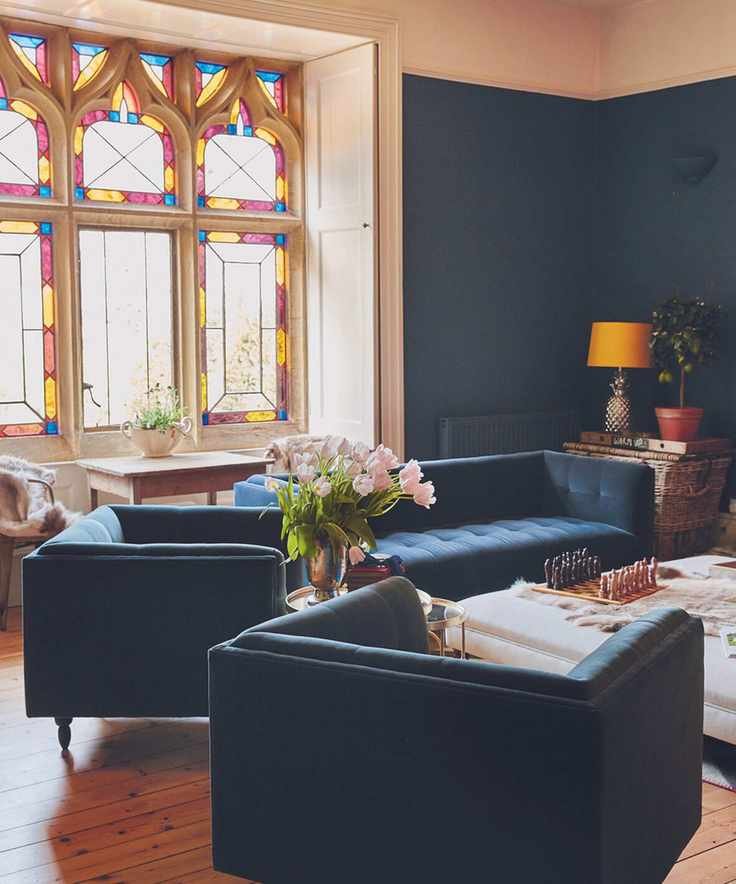
Finding the right layout can be challenging in a small space. A well-planned living room layout should allow for comfortable movement while avoiding a disjointed feel. Johanna suggests keeping some distance between large furniture and walls to create a more spacious appearance. Additionally, using a large rug can help unify the furniture arrangement.
4. Consider Color and Pattern

Living room paint options can introduce color while establishing the room's mood.
In compact living rooms, lighter or neutral hues can create an illusion of space, making the area appear larger and brighter. Dark colors might add coziness but can absorb light, making the room feel smaller. For a more open feel, keep the color palette light and consistent. When walls, flooring, and furniture share shades, it enhances visual continuity, making the space feel airy.
While darker shades can create intimacy, integrating colors in furnishings, such as a sofa in a bold hue, can add character to a small area. Soft furnishings like pillows and rugs can also introduce texture and visual interest, enriching the overall design.
5. Incorporate Accessories and Art

Styling your living room with accessories and art is vital for adding individuality and charm. Seyie notes, 'Artwork and mirrors with unique frames are essential for completing a polished look.' When uncertain, using various shades of one color can create depth. For instance, a turquoise lamp complements different blue tones in the living area.
6. Layer Your Lighting

Proper lighting ideas are crucial for ensuring your space feels inviting and functional. Layering light sources can transform a small living room, making it warm and welcoming. Johanna advises against relying solely on a central ceiling fixture, as it can limit illumination. Instead, incorporate smaller lamps throughout the room to distribute light evenly and enhance the overall ambiance.
Niki Wright, co-founder of lights&lamps, mentions that products with exaggerated shapes can create a sense of fun and interest in the living room. This could involve a collection of uniquely designed lamps or playing with geometric forms like domes and globes.
What Colors Make a Small Living Room Feel Larger?
Light neutrals and pastels are ideal for making a small space feel bigger. A cohesive color scheme is crucial; using a variety of colors that clash can lead to a disjointed look.
Consider a tonal palette with cooler blues and greens or warm beiges and rusts to add color while maintaining a clean aesthetic. Painting trims like door frames and skirting boards in crisp white can further brighten the space.



