Exchanging money on the black market in Argentina can feel like a thrilling scene from a movie—minus the action star. My adventure began when an expat friend shared a discreet address in a posh Buenos Aires neighborhood. As I pressed the buzzer and stepped inside, anxiety hit me. Was I stepping into danger or just being overly cautious? After haggling with a Che Guevara lookalike, I emerged with a purse full of pesos, feeling quite pleased with my negotiation skills.
With Argentina's soaring inflation, the black market is a go-to for many, offering rates nearly 50% better than ATMs. I did my homework first, choosing a trustworthy spot and carefully inspecting the bills as I counted them. A second check at my apartment confirmed I was right to be cautious.
Contrary to what my mother and the media often suggest, the world is largely safe. (Motor vehicle accidents are the top cause of unnatural deaths for Americans abroad, according to the New York Times.) Since 2002, I've traveled solo across five continents, always prioritizing safety. I aim to ease some concerns by sharing key tips for staying secure while exploring the globe.
I've had my share of travel mishaps—my purse got stolen in both Thailand and Barcelona due to my inattention. Those experiences taught me valuable lessons that helped me thwart a pickpocket in Buenos Aires, and I hope they assist you too.
Here are some strategies to help manage anxiety and ensure your safety:
Travel Alerts & Destination-Specific Cautions
- Check travel alerts. Research health, political, environmental, and terrorism issues at your destination before booking. Americans should visit travel.state.gov for updates and enroll in the STEP Smart Traveler Program for free email notifications.
- Consult recent travel guides. These can inform you about safety incidents and high-theft areas. Personally, I've felt safest traveling solo in Japan, Europe, Australia/New Zealand, and much of Southeast Asia. I also felt secure in Cuba and Burma, while I was more cautious in parts of Mexico, Peru, Nicaragua, Bolivia, and India.
- Steer clear of areas with military conflicts or elections. Smaller elections might not grab international attention. I once spent a week in Northern Chile due to weather that closed the Bolivia border and election protests that blocked roads. Thankfully, both issues resolved quickly.
- Dress appropriately for the culture. Women should dress modestly in conservative societies to avoid unwanted attention. Respect local customs when visiting temples. In some Thai locations, you may need to rent shawls if wearing tank tops or shorts. Loose harem pants are ideal for hot climates like India and also help deter mosquito bites. Both men and women should leave expensive jewelry at home, especially on public transport.
Secure Travel Insurance
Insurance is straightforward: Cover what you can't afford to lose. I always secure travel medical insurance that includes emergency evacuation, trip interruptions, adventure sports, and end-of-trip coverage for lengthy travels. Most policies don't cover electronics fully, often offering a flat reimbursement (typically $250). I insure my camera gear and Mac separately with State Farm's Personal Articles Policy.
For long trips, I cancel my regular health insurance since U.S. plans provide limited international coverage. Instead, I choose a zero-deductible travel medical policy for comprehensive overseas coverage at a fraction of the cost ($30-50/month). I've relied on International Medical Group for years, and they process claims swiftly. (I have no affiliation with them.)
Monitor Weather Conditions
Lower prices often reflect the low season for a reason: monsoon season. Be mindful of transport disruptions during monsoon, hurricane, or typhoon seasons. In places like Thailand, it may just mean some daily rain. However, in regions like the Philippines, it can lead to hazardous conditions that paralyze transport for days.
Safe Transportation
- Safety has no price tag. Never compromise your safety for savings.
- In high-risk areas, skip local buses for long trips and instead invest a bit more in private buses. In Peru, I always travel with Cruz del Sur due to their safety record, private bus terminals, secure luggage handling, and safe taxi options.
- Avoid hailing taxis off the street in high-crime areas. Always have your hotel, hostel, or a restaurant call one for you. Reliable radio taxi services operate in major cities, including Meru in India and Tappsi in Colombia.
- Try not to arrive late in regions with safety concerns like India, Central America, Peru, and Bolivia. If you're using overnight transport, plan to arrive during daylight hours.
- Write down your destination's address to show the taxi driver. Never hand over your phone for them to check it.
- Familiarize yourself with local taxi regulations to ensure your taxi is appropriately marked before getting in. Guidebooks and hotel staff can help.
Strategies to Prevent Theft
- Don't carry everything with you. Only bring the cash you need for the day. Stash money, passports, and credit cards in various discreet spots. The harder they are to find, the better.
- Secure valuables and passports in hotel/hostel safes or lockers. (I never stay in a hostel without lockers. I carry a sturdy combination lock to secure it. Avoid flimsy suitcase locks and oversized school locker locks that are often too bulky.)
- Keep an eye on your bags in crowded venues, restaurants, and public transport, especially in high-risk areas like Barcelona. When seated or standing, loop your leg through your bag strap. Don't hang bags on restaurant chairs or place them in overhead racks on local buses. Keep them in your lap or at your feet.
- Refrain from placing your phone in your back pocket or leaving it on restaurant tables. Break that habit fast. I keep mine in my purse, which stays in my lap with the strap across my body.
- Be vigilant with bags on public transport. If you have a purse, ALWAYS keep your hand over the zipper. Move items from your pockets to your front pockets and keep your hand inside to secure them. Position your backpack in front of you in crowded areas or lock zippers with a suitcase lock.
- Be cautious of counterfeit currency in high-inflation regions. Familiarize yourself with local currency watermarks and holograms. Always check your change carefully in taxis and markets when breaking larger bills. Even if you receive counterfeit notes, don't stress—they can often be passed off easily in street markets. (I received fake currency on my last day in Peru and made it a challenge to spend it all before departure—and succeeded!)
- Avoid entering backrooms in shops. Politely ask vendors to bring items to the main area. If a vendor in India offers you tea, kindly decline.
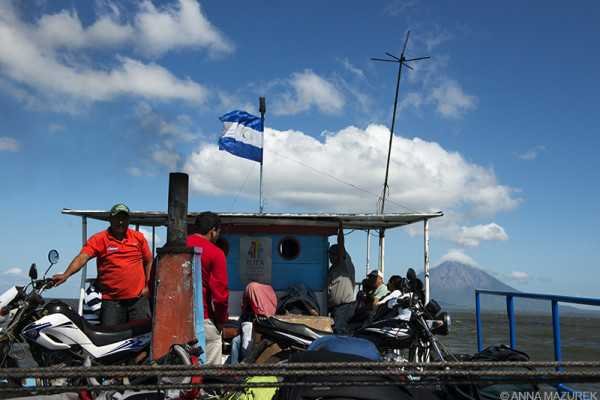
Overloaded ferries can pose serious safety risks. Never take the Ometepe, Nicaragua ferry like the one in the picture. Always opt for the larger car ferry instead.
Trust Your Instincts
Would you stroll through the roughest parts of your hometown at 2 a.m. with $1,000 in cash? No? Then don't do it abroad! Use common sense. Also, be mindful of your alcohol consumption. Intoxication can cloud your judgment and make you an easier target for thieves. (Many robberies I've encountered during my travels occurred at night when people were out partying or wandering alone.) If your intuition signals something is off, remove yourself from the situation immediately! Don't worry about being impolite. Just leave!
Consult Locals
I always seek safety advice from locals. Hotel staff, guides, and expats can be excellent resources. (I rarely book luxury hotels but will walk into one to ask the concierge about safety issues.) Is it safe for a foreigner to take a local bus or visit a particular area? Do they feel safe in that neighborhood? If they express concern for their safety—or yours—avoid that area or time.