It all started outside a hotel room in New Orleans, where a life-changing call came. My friend and I had enjoyed a lively weekend in the French Quarter, and despite a late night, I found myself awake at 8 a.m., accepting a chance to travel for a year.
The catch? I needed to downsize my life in New York, leave my steady job, and embrace the unknown. At that time, I was making nearly six figures at a trendy start-up, plus side gigs as a freelance writer. The idea of being my sole provider was daunting.
Fast forward two years later: after visiting 26 countries across six continents, I reflect on that moment with a smile. Joining a program called Remote Year, which facilitates group travel for remote workers, proved to be one of my best decisions. I gained invaluable experiences, discovered I could earn more as a full-time freelancer, and without the burden of rent or car expenses, I saved more money than I ever thought possible.
Understanding the Digital Nomad Lifestyle
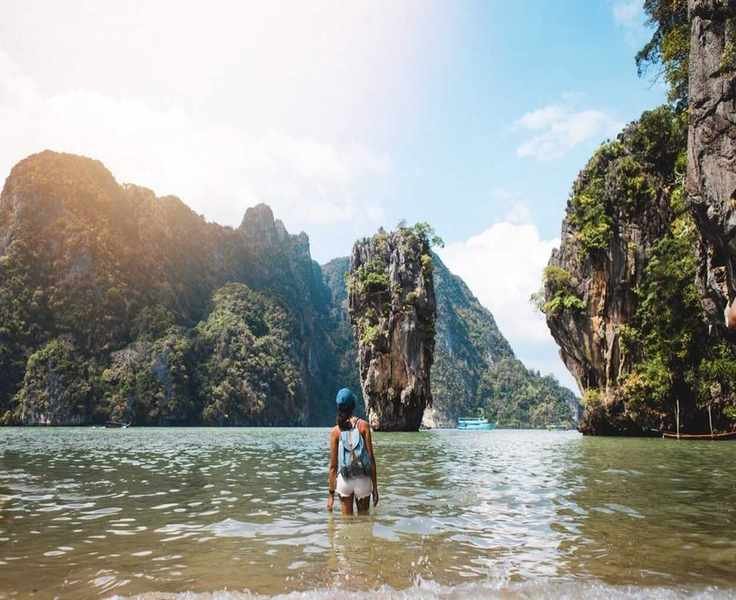
You might have heard the term “digital nomad,” which describes those who travel while working remotely. It sounds too good to be true — exploring vibrant markets in Thailand, admiring street art in Colombia, and soaking in breathtaking views in Portugal, all while earning a living. However, many overlook the fact that living costs in these countries are significantly lower than in the U.S. For instance, a delicious meal in Southeast Asia can cost around $3, while a comfortable apartment in Bogota may be just $200 per month. This was one of the most eye-opening realizations from my 18-month adventure.
Location Matters for Savings
While there are cheaper ways to be a digital nomad, my Remote Year program cost $2,000 monthly (now $2,500), covering a private room, utilities, a co-working space, three activities in each country, and travel logistics. After booking my first one-way ticket to Croatia, all subsequent transport was included as we moved to new places. In Manhattan, my rent was comparable, but without any added benefits.
“Living in a pricey city can severely limit your budget and future savings. Ideally, you shouldn’t allocate over 30% of your income on housing,” notes an expert. You also need to factor in taxes when residing in high-cost areas. A surprise for me was discovering my eligibility for the Foreign Earned Income Exclusion. If you spend between 330 and 365 days abroad, you can avoid taxes on the first $100,000 of income. Beyond that, a freelancer tax applies based on your earnings.
Balancing convenience with living expenses is crucial, regardless of your location. Not everyone seeks global adventures, but many can save by choosing areas with lower taxes. For example, many New Yorkers commute from New Jersey, benefiting from lower property and state taxes while still being close to the city.
Networking Globally Enhances Career Opportunities
The people I met while traveling were graphic designers, accountants, web developers, and writers. While exploring together, we unknowingly expanded our networks. Connections, even from different fields, can lead to lucrative job opportunities. As a writer aspiring to be a travel journalist, the Remote Year program set me up for success, providing access to a global platform for pitching to various publications. It also bolstered my confidence to launch a content consultancy.
Now, I travel for at least a week every month, maintaining focus whether I’m 30,000 feet in the air or in a different time zone, working before my clients wake up. Ultimately, I earned tens of thousands more than I did in a full-time role back home. This was partly due to the tax exemption for nomads, but also because I finally had the time to fully commit to my business. With reduced expenses from avoiding costly NYC dinners, I managed to double my savings year after year. While my financial gains are significant, the greatest reward is the appreciation for the beauty around me and the freedom to build a career that offers a work-life balance on my own terms.