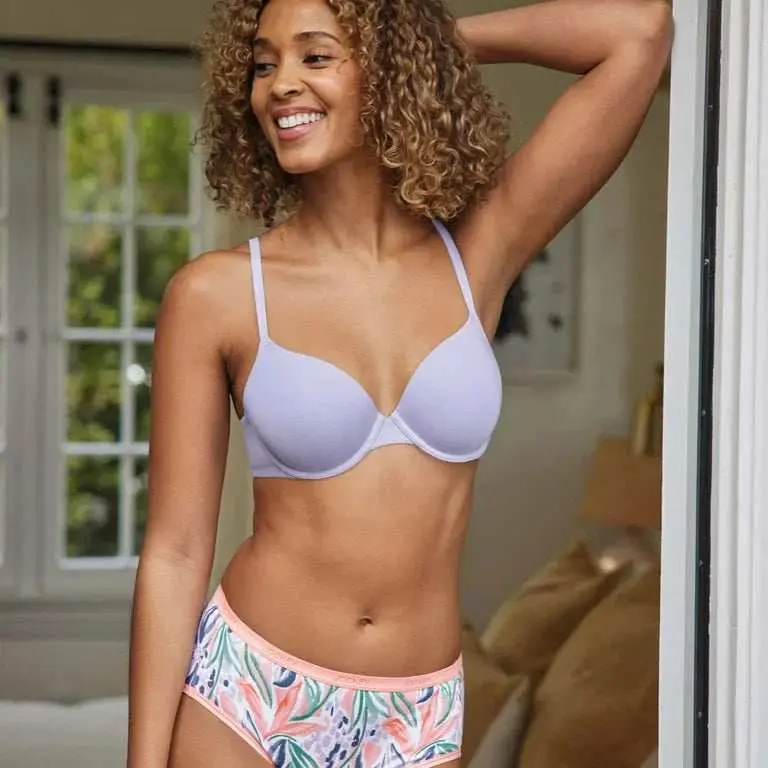
Finding the right bra size can be challenging. This guide simplifies the process by detailing common bra band and cup sizes from smallest to largest, accompanied by visual references.
When we mention "pictures," we refer to realistic fit images, using neutral lighting without padding, allowing for true size comparisons. The primary sizing system here is US sizing (inches for bands, AAA to N for cups), with key UK and EU differences highlighted. You can jump right to our size list below.
Bra Sizes in Order From Smallest to Largest
Bra sizes consist of two components: band size (underbust measurement) and cup size (difference between bust and band). Below are the most common sizes you'll encounter while shopping.
Cup progression for a 32 band (from smallest to largest):
- 32AAA
- 32AA
- 32A
- 32B
- 32C
- 32D
- 32DD (also known as 32E in UK sizing)
- 32DDD/32F
- 32G
- 32H
- 32I
- 32J
- 32K
- 32L
- 32M
- 32N
Band progression with a mid-range cup (narrowest to widest):
- 28D
- 30D
- 32D
- 34D
- 36D
- 38D
- 40D
- 42D
- 44D
- 46D
- 48D
While bra cup letters typically progress as AAA → AA → A → B → C → D → DD → DDD/F → G → H → I → J → K → L → M → N, specialty brands may offer sizes below 28 bands (down to 26) and above N cups.
Visual Guide: What Each Cup Size Looks Like on the Same Band
To assist comparisons, envision images of the same individual in a 32 band, with cup sizes ranging from 32AA to 32J. This isolates how cup volume changes with each letter.
Reference images should include simple front and side shots in neutral lighting, featuring unpadded bras. Each size description below provides approximate volume in cc, projection details, and tips for capturing the best photo angles.
All photos should include a consistent scale marker, like a grid or ruler, to illustrate size differences practically.

32AA – Almost Flat, Light Contour
A 32AA typically shows a 0–1 inch difference between bust and underbust, appearing nearly flat from the side.
What the reference photo shows:
- Frontal and side images with minimal projection
- Breast tissue close to the rib cage
- No visible cleavage
- Chest contour aligning with torso outline
Volume ranges from 50–150 cc per breast. Many with this size experience gaping if using molded cups designed for more projection.
Best styles for 32AA:
- Soft bralettes
- Bandeau bras
- Light triangle bras
- Going braless (with nipple covers if desired)
32A – Subtle Shape, Small Projection
A 32A generally indicates a 1-inch difference between band and bust, with slight rounding visible from the side.
What the reference photo shows:
- Model in a non-padded T-shirt bra
- Mild curve at the bust line
- Little to no cleavage visible
- Chest appears fairly flat under fitted clothing
Volume is around 150–250 cc per breast. Common issues include gaping in rigid cups and underwires that may sit too wide.
Recommended styles: Low-coverage bralettes and triangle bras work well at this size.
32B – Gentle Rounded Contour
A 32B indicates about a 2-inch bust to band difference, presenting rounded breasts while still being relatively light in volume.
What the reference photo shows:
- Clear curve extending from the ribcage
- Small but noticeable profile from the side
- Smooth line under fitted tops
- Fuller appearance than 32A
Volume is approximately 250–400 cc per breast. This size is often branded as common and is positioned between flat and full bust.
32C – Medium Volume, Average Appearance
A 32C corresponds to about a 3-inch difference between band and bust. Often labeled as the “average bust size,” current data suggests the median might be closer to 34DD.
What the reference photo shows:
- Full, rounded curve visible from the front
- Clear projection from the side angle
- Breast tissue filling the cup edge without gaping
- Center gore resting flat against the chest
Approximate volume is around 400–550 cc per breast. Weight and bounce become more noticeable compared to B cups.
32D – Full Bust, Visible Projection
A 32D corresponds to about a 4-inch bust to band difference, appearing significantly fuller than C when viewed from the side.
What the reference photo shows:
- Noticeable forward projection beyond the ribcage
- Distinct breast curve evident under clothes
- Early cleavage formation
- Tissue fully contained in properly fitted cups
Volume ranges from 550–700 cc per breast. At this level, support through the band is crucial.
32DD / 32E – Large but Common
A 32DD represents a 5-inch difference and may be labeled as 32E in UK/EU systems. This size has a fuller appearance than 32D.
What the reference photo shows:
- Deep rounded shape from the side
- Pronounced fullness
- Visible cleavage in moderate coverage bras
- Significant forward projection
Volume reaches 600–850+ cc per breast. Despite the size's perception as “very large,” it's quite common among well-fitted women.
32F – Specialist Sizes
A 32F indicates a 6–7 inch difference and often requires specialized brands.
What the reference photo shows:
- Heavy projection from the torso
- Breast edge several centimeters in front of the ribcage
- Clear separation between breasts in a fitting bra
- Bust line partially obscuring the upper torso
Volume estimates reach 1000–1150 cc per breast. Support features become essential at this size.
32G, 32H, 32I/J – Very Large Cups on a Small Band
These sizes indicate 8–11 inch bust to band differences, showcasing substantial volume on a petite frame. Visual impact is significant, especially for sizes like 32J.
32G reference image:
- Strong forward projection
- High coverage full cup bra required
- Band sits parallel to the floor
- Approximately 1150–1400 cc per breast
32H reference image:
- Side photo showing significant bust extension
- Weight supported by both band and wider straps
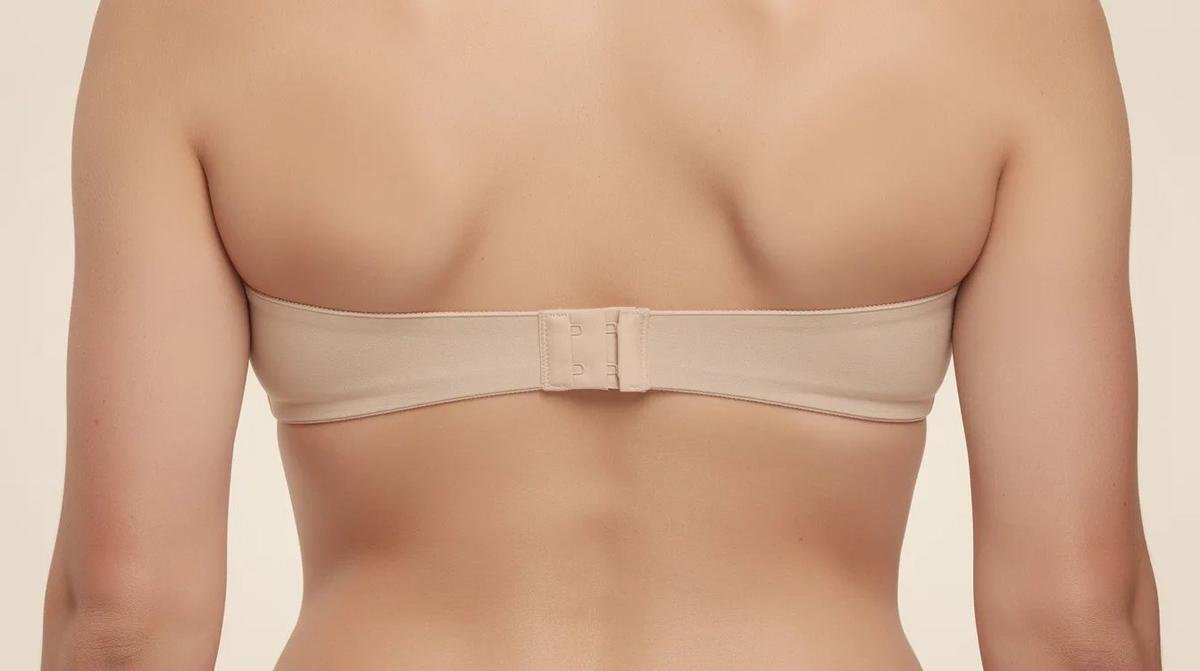
- Three to four hook closures visible
- Approximately 1400–1800 cc per breast
32I/J reference image:
- Very full tissue resting on the abdomen when unsupported
- Coverage extending high on the chest
- Approximately 1800–2500 cc per breast
- Maximum structural support evident
Band Sizes in Order: From Narrowest to Widest
Band sizes increase in even increments, representing the underbust measurement rounded to the closest even number.
Standard band progression:
Important concept: A 32D and a 38D do not share the same cup volume, despite having the same letter. Cup volume increases with band size. For instance, a 28D may hold 350–450 cc while a 48D can reach 1200+ cc.
Cup Sizes in Order: From AAA to N (US and EU Compared)
Cup sizes are derived from the difference between your bust measurement and your band size. Each inch typically equals one letter step, but variations exist by brand and region.
US cup sequence:
AAA → AA → A → B → C → D → DD → DDD/F → G → H → I → J → K → L → M → N
UK cup sequence:
A → B → C → D → DD → E → F → FF → G → GG → H → HH → J → JJ → K
EU cup sequence:
A → B → C → D → E → F → G → H → I → J → K → L → M → N → O
The volume difference between larger cups (G to H) is much greater than that between smaller cups (A to B). This means that while letters appear to progress linearly, the actual volume increases exponentially.
How to Measure Your Bra Size at Home
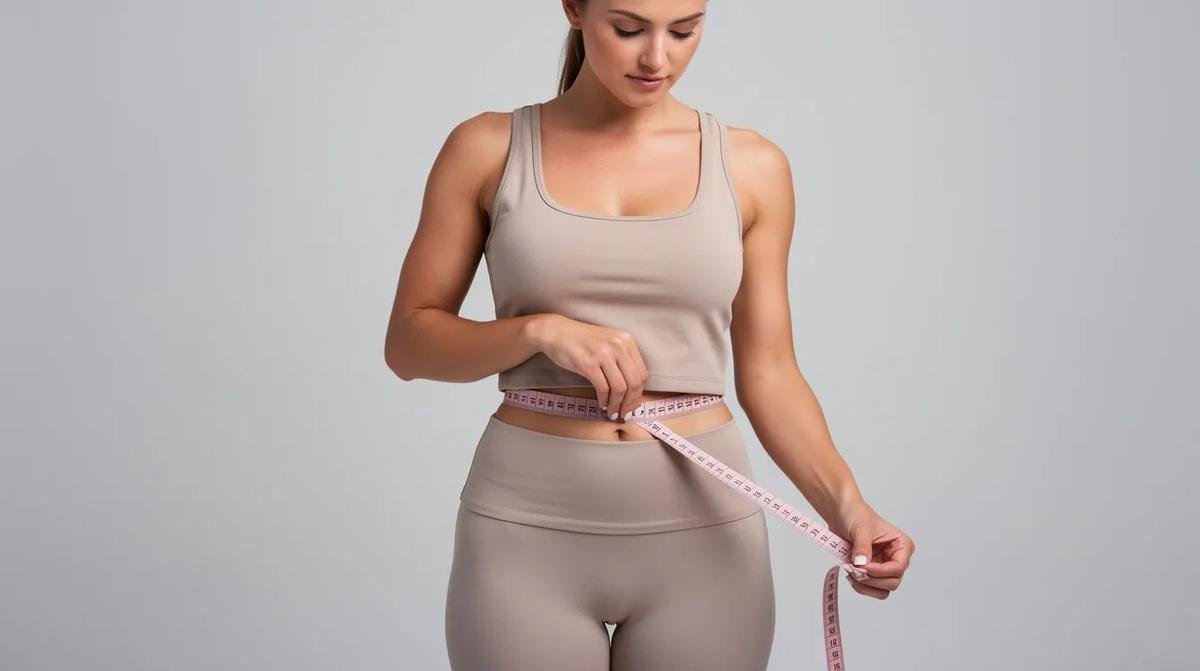
Measuring at home is straightforward and requires a soft measuring tape. Using an unpadded bra or none at all helps ensure your measurements reflect your real shape. By following these steps, you’ll determine your band, bust, and approximate cup size.
These instructions primarily use inches, but converting centimeters is easy: divide your cm measurement by 2.54.
Step 1: Measure Your Underbust (Band)
Wrap the tape snugly around your rib cage beneath your bust, ensuring it's parallel to the floor.
How to read your measurement:
- Note the number in inches
- Round to the nearest whole number
- Round that to the nearest even number for your band measurement
Example: 29.5 inches rounds to 30. If you measure 33 inches, round to 34.
Some older guides recommend adding 4–5 inches to this number. Modern fitting uses the direct measurement or the nearest even number. The old method often leads to bands that are too loose for adequate support.
Step 2: Measure Your Bust (Fullest Point)
Wrap the tape around the fullest part of your bust, typically across the nipples, without compressing breast tissue.
Keep the tape level from front to back for an accurate measurement. For larger cups (F and up), try the lean forward method to capture all breast tissue.
Step 3: Subtract to Find Your Cup Size
Subtract your band size from your bust measurement. The difference indicates your cup size.
Cup conversion chart:
This calculated size is your starting point. Use earlier visual comparisons to confirm if your approximate cup range seems accurate based on your breast shape.
Sister Sizes: Same Cup Volume, Different Bands
Sister sizing can confuse many shoppers. Sister sizes share cup volume but vary band tension, crucial when changing sizes.
The rule: Going up one band and down one cup (or vice versa) roughly maintains breast volume.
Example of sister sizes (same cup volume):
30F ↔ 32E ↔ 34DD ↔ 36D
If your band feels too tight but cups fit well, try your sister size by going one band up and one cup down.
Realistic Expectations: Volume Jumps From Smallest to Largest Cups
Cup letters do not increase linearly in volume. The jump from A to B cup is much smaller than that from H to I cup, even though both are “one letter apart.”
Approximate volume per breast by cup size:
The volume increase jumping from D to G is much greater than from A to C. Thus, letters alone can be misleading.
Common Fit Problems by Size Range
Poor fit can occur across all sizes, from 30A to 44H.
Problem 1: Cups Too Small (Overflow/Quad-Boob)
- Breast tissue spills over the cup edge
- Creates a double bubble effect under shirts
- Fix: Go up a cup size
Problem 2: Cups Too Big (Gaping)
- Empty space at the top of cups
- Cups may wrinkle
- Underwire may sit improperly
- Fix: Go down a cup size or try a different style
Problem 3: Band Too Loose (Riding Up)
- Back rides up toward shoulders
- Front gore doesn't sit flat
- Most support shifts to shoulders
- Fix: Go down a band size
Problem 4: Straps Dig or Slide
- Red marks on shoulders
- Straps may fall down
- Pain by day's end
- Fix: Adjust strap length or try a different style
Problem 5: Band Too Tight
- Difficulty breathing
- Red marks around torso
- Can't fasten on the loosest hook
- Fix: Try a sister size with one band up
Always fasten on the loosest hook when getting a new bra. As elastic stretches, you can adjust to tighter hooks.
FAQ: Smallest and Largest Bra Sizes in Stores Today
What is the smallest bra size available?
Standard retailers typically start at 32A or 34A. Specialty brands can go down to 28AA or even 26AAA.
What is the largest bra size available?
US cup scales in specialty shops often extend to N cups, with brands offering sizes up to 46N or 58K.
Do custom sizes beyond N exist?
Yes, but they are usually outside standard ranges. Custom makers can create virtually any size.
How often should I re-measure?
Every 6–12 months is a good rule. Body changes can affect your measurements.
How to Use This Size Order Guide When You Shop
Knowing your position in the size order helps you identify poor fit advice when shopping.
Practical shopping example:
If you measure as a 32F, but the store only has up to 36D, check for your sister size or brands specializing in smaller bands with fuller cups.
Your shopping checklist:
- Measure underbust and bust at home
- Calculate band and cup sizes
- Refer to the photos in this guide for shape comparisons
- Order 2–3 neighboring sizes for trying on
- Check the band on the loosest hook, ensuring the center gore sits flat
Avoid vanity myths like “D is huge.” A 32D on a small frame may look modest, while on a larger frame, it distributes differently. Focus on comfort and support rather than chasing a specific letter.
Now that you grasp size progression, grab a measuring tape and find your ideal fit!