
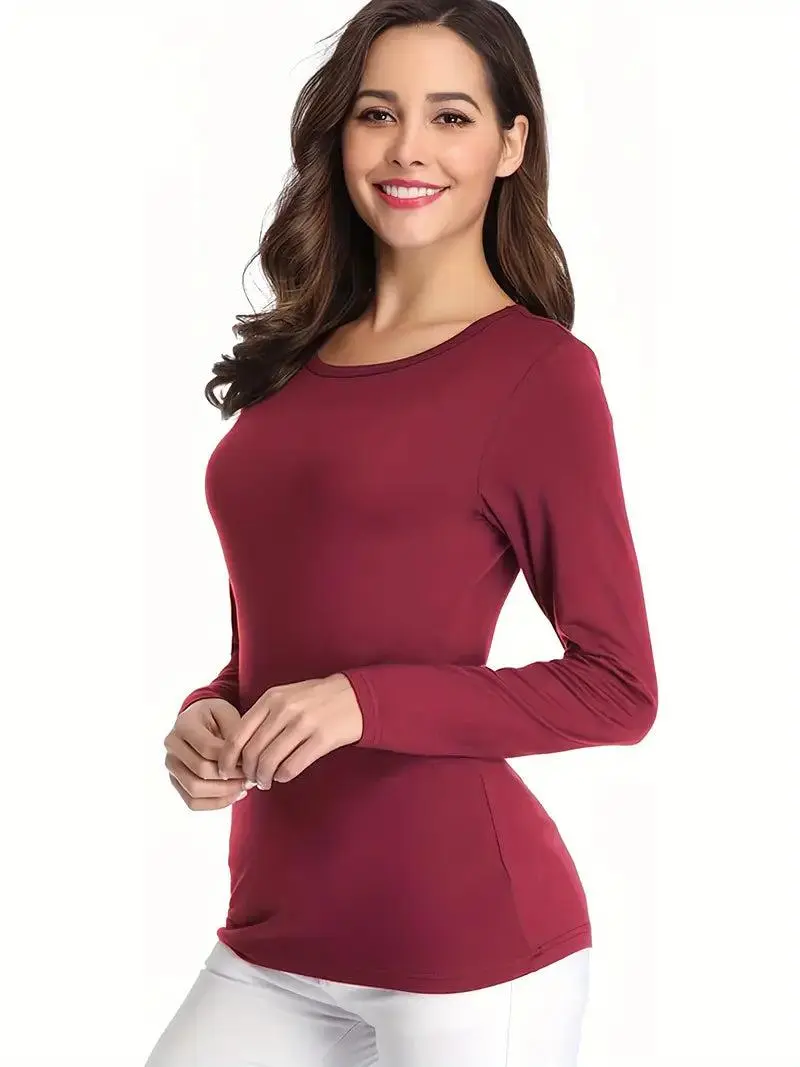
Understanding Elastane: Breathability and Fabric Insights
Is elastane breathable? Not in its pure form. As a synthetic fiber, elastane has limited breathability, but its performance improves when mixed with natural fibers like cotton or nylon. This article explores elastane's breathability, its behavior in blends, and tips for comfort. Composed of polyurethane, elastane is produced via dry spinning, turning liquid plastic into stretchy fibers. Classified as Class E by the Made-By Environmental Benchmark for Fibers, elastane raises concerns due to human toxicity and ecological damage. It sheds microplastics during washing and use, contributing to pollution and is non-biodegradable, persisting in the environment and adding to plastic waste.
Elastane is praised for its exceptional stretch and durability, often blended into fabrics to enhance comfort in activewear. Including elastane in garments improves fit and adaptability to movement. While it lacks breathability on its own, pairing it with materials like cotton or nylon enhances air circulation and moisture management. Many fashion brands utilize elastane to improve flexibility and performance across their collections. As environmental concerns grow, sustainable alternatives are emerging, including recyclable and biodegradable options that maintain functionality while lowering ecological impact. For those prioritizing skin safety, certified non-toxic elastane options are available.
What is Elastane Fabric?

Known as Spandex or Lycra, elastane is a synthetic fiber celebrated for its elasticity and comfort. The terms elastane and spandex can be used interchangeably, with elastane common in Europe and spandex in the U.S. It is produced through solution spinning, creating fibers that can stretch up to five times their original length. Elastane is engineered for elasticity and incorporated into fabrics for added comfort, flexibility, and durability. This stretchability allows the fabric to contour to the body, enhancing fit and comfort. Additionally, elastane is often blended with other synthetics to boost performance.
Elastane is distinguished not only by its stretch but also by its durability, making it ideal for lightweight summer styles. Unlike many materials, it maintains its shape and elasticity over time, crucial for activewear that endures constant movement.
Beyond functionality, elastane offers a silky feel that adds a luxurious touch to everyday wear. When combined with other fabrics, it contributes to a soft, durable, breathable, and versatile material suitable for various applications, from sportswear to casual outfits, showcasing how elastane changes the fit and comfort in modern clothing.
Breathability of Elastane

Despite its benefits, elastane is not a naturally breathable fabric due to its synthetic composition. Its structure limits air permeability, making it less suitable for activities demanding high breathability. Nonetheless, when blended with breathable materials like cotton or nylon, elastane can enhance airflow and reduce heat retention. This combination improves overall breathability, making it more comfortable for activities that induce sweating. For example, elastane mixed with nylon is common in high-performance activewear, where breathability and moisture control are essential.
Higher elastane percentages (over 20%) generally reduce breathability and may trap heat. In significant amounts, elastane can feel warm and restrict airflow, leading to discomfort. Its hydrophobic nature means it repels moisture, causing sweat to linger on the skin and create a sticky feeling during workouts. Often blended with polyester, elastane can also trap heat and odors. Wearing heavy layers of elastane may lead to warmth due to its moisture-repelling characteristics.
Elastane's moisture-wicking abilities play a role here. Blended elastane fabrics are engineered for moisture control, drawing moisture away from the skin, keeping wearers dry. While it may not breathe as effectively as natural fibers, elastane helps regulate temperature during intense activities. These blends can enhance skin comfort, reducing irritation from trapped sweat, although they do not wick moisture away effectively, impacting overall performance.
Elastane Blends and Breathability
The real strength of elastane shines through when blended with other fibers. By combining elastane with cotton, polyester, or nylon, both comfort and performance are improved. These blends balance elastane's stretchiness with the breathability of companion fibers. Elastane blends offer high stretch and shape retention, ideal for activewear requiring freedom of movement. This enables flexible garments that combine structure with stretch for superior comfort.
Mixing elastane with moisture-wicking fabrics speeds up sweat evaporation, although wicking can retain odors. This is crucial in activewear, where moisture-wicking properties can greatly affect performance. Additionally, incorporating fine yarns and strategically placed mesh panels enhances breathability and moisture-wicking capabilities. Effective moisture evaporation, along with specific knits or weaves, creates a versatile foundation for these advanced materials.
This combination with breathable fibers also minimizes heat retention, making it suitable for various climates and activities. Pairing elastane with highly breathable, moisture-wicking fibers like modal fabric, known for its sweat and airflow management, can significantly improve comfort in challenging conditions. Elastane's excellent stretch and ability to return to its original shape maintain the fit, appearance, and durability of garments. Whether seeking a breathable fabric blend or one suitable for high-intensity workouts, the right elastane combination can be transformative. Exploring the softest fabrics used in clothing and activewear can assist in selecting which blends feel best on your skin.
Moisture-Wicking Properties
One of elastane's standout features is its moisture-wicking capabilities. It effectively draws moisture away from the skin, vital for comfort during physical activity. This property helps keep the body cool and dry, enhancing the experience of wearing elastane-based activewear. Elastane blends excel during intense workouts, managing sweat effectively.
However, elastane's moisture-wicking effectiveness isn't as strong as some other synthetic fibers. For example, blending elastane with polyester can enhance moisture management, enabling better sweat evaporation. The efficiency of elastane in moisture control primarily depends on the fibers it's blended with.
While elastane doesn't manage moisture as well as natural fibers like cotton and linen, its snug fit and stretch make it essential for high-performance garments. For everyday use, combining elastane with breathable cotton, as seen in cotton camisoles that provide comfort and gentle shaping, creates garments that are supportive without causing overheating. The right elastane blend offers a balance between moisture management and the stretchy fit that athletes appreciate. Commonly found in leggings, dancewear, and compression wear, elastane's supportive and flexible nature shines.
Elastane garments are durable, retaining their shape and elasticity even after repeated wear and washing, ensuring longevity, especially with proper care and softening methods that keep fabrics comfortable without damage.
Comparing Elastane to Natural Fibers
When assessing breathability and comfort, natural fibers like cotton and linen often excel. These materials allow air circulation, keeping wearers cool, making 100% cotton underwear a popular choice for everyday comfort. Some plant-based fabrics offer natural stretch through knitting techniques, providing shape retention without synthetic elastane. Cotton's moisture-absorbing qualities make it a preferred option for breathability, enhancing overall comfort. It's essential to wear breathable cotton clothing to support the body's natural cooling mechanism.
Furthermore, cotton retains moisture and can trap odors. Breathability varies with lightweight fabrics that enhance comfort, while linen fibers contribute to airflow, whether in knits or looser weaves. However, garments without enough elasticity may lose shape over time from frequent wear and washing.
Conversely, elastane excels in stretch and durability, although it can't match the breathability of natural fibers. Yet, its shape retention and elasticity make it a valuable component in many blends. Combining elastane with nylon results in a durable yet comfortable fabric with some breathability.
Overall, while elastane offers benefits that natural fibers can't provide, like remarkable stretch and durability, it is often blended to create fabrics that incorporate the strengths of both materials, ensuring optimal comfort, breathability, and performance. However, elastane may not suit those with sensitive skin, as chemicals in its production can sometimes cause irritation.
Applications of Elastane in Activewear
Elastane plays a vital role in activewear due to its unique properties. From leggings and yoga pants to running tights and sports bras, elastane is widely used to provide support and flexibility for various activities. Its capacity to stretch and move with the body makes it perfect for snug yet comfortable garments.
In sports bras, elastane provides essential support while allowing freedom of movement, enhancing workout comfort. In running tights, it helps manage moisture, keeping athletes dry and comfortable during intense sessions.
The versatility of elastane extends to casual wear, such as t-shirts, jeans, and tops, enhancing comfort, flexibility, and shape retention. Whether you're jogging, enjoying a laid-back day, or preparing for high-energy activities, elastane ensures your clothing performs effectively.
Care Tips for Elastane Garments
Proper maintenance is key to maximizing the lifespan of elastane garments. Wash them in cold or warm water on a gentle cycle to preserve their properties. Use mild detergents free from bleach or fabric softeners to prevent fiber damage, as advised in care guides for delicate fabrics like viscose.
Fitted sheets often contain elastane for a snug fit, enhancing durability and stability. Many soft fabrics recommended for bedding and loungewear include elastane for added comfort.
For optimal care, consider these tips:
Air drying is ideal.
If using a dryer, select the lowest heat setting to protect elasticity and avoid damage.
Turn garments inside out before washing to reduce friction and fading, preserving their appearance and stretch.
Following these care guidelines will help keep your elastane garments in excellent condition, delivering comfort and performance over time. Proper maintenance extends fabric life while enhancing the wearing experience, as elastane retains its shape after multiple washes, contributing to durability.
Environmental Impact of Elastane
While elastane has numerous advantages for comfort and performance, its environmental impact is concerning. Elastane is non-biodegradable, contributing to long-term ecological degradation. Its production is resource-intensive, relying on crude oil and other materials, increasing its ecological footprint. Additionally, toxic chemicals used in manufacturing can pose risks to workers and consumers, contributing to pollution.
The potential for elastane to release microplastics into the environment is particularly troubling. These microplastics can enter water systems, harming marine life and infiltrating the food chain. They can also carry harmful substances, heightening health risks. Furthermore, chemicals for stain and water resistance in performance fabrics, such as PFAS, raise additional environmental concerns. Addressing these issues is vital for achieving a more sustainable future.
Sustainable Alternatives to Elastane
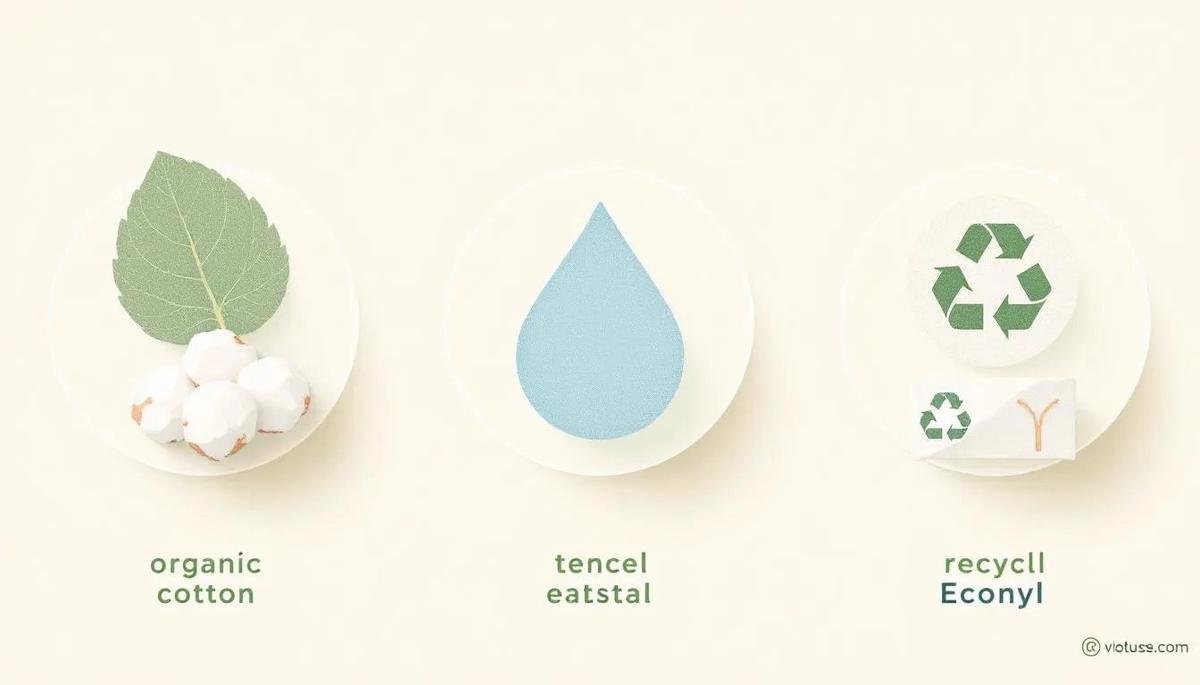
In light of environmental concerns regarding traditional elastane, sustainable alternatives are emerging. New formulations like Roica™ EF utilize significant portions of recycled production waste, providing stretch similar to conventional elastane. These alternatives reduce environmental impact while maintaining advantageous properties.
Bio-based elastane, like Creora®, is produced from renewable resources such as corn, offering elasticity comparable to traditional options. These eco-friendly alternatives deliver performance without compromising sustainability. Furthermore, some biodegradable elastanes, like Roica™ V550, are designed to decompose more quickly in natural environments, lessening their ecological footprint.
Recycled polyester serves as another viable alternative, providing decent stretch while being more environmentally friendly. By exploring and adopting these sustainable fabrics, we can enjoy the benefits of elastane while minimizing ecological harm.
Summary
In summary, elastane has transformed activewear with its unparalleled stretch, durability, and moisture-wicking abilities. While it lacks inherent breathability, blending it with other fabrics enhances its performance for various uses. Understanding its environmental impact and practicing proper care are crucial for maximizing the benefits of elastane garments.
As we move forward, sustainable alternatives like recycled and biodegradable formulations offer promising solutions for reducing ecological footprints. Making informed choices enables us to enjoy the comfort and performance of elastane while considering our environmental responsibilities.
Frequently Asked Questions
What makes elastane fabric unique?
Elastane fabric is notable for its ability to stretch up to five times its original length, providing remarkable comfort and durability, making it ideal for activewear and fitted clothing!
Is elastane breathable?
Elastane itself isn't very breathable; however, when blended with materials like cotton or nylon, its airflow and comfort can significantly improve. Look for those combinations for better breathability!
How does elastane manage moisture?
Elastane excels at moisture management due to its moisture-wicking properties, effectively pulling sweat away from your skin to keep you dry and comfortable during activity.
Are there sustainable alternatives to elastane?
Yes, sustainable alternatives exist, such as recycled elastane and biodegradable options like Roica™ V550, offering similar benefits while being gentler on the planet. Switching to these is a great way to support eco-friendly practices!
What are the best practices for caring for elastane garments?
To maintain your elastane garments, wash in cold or warm water on a gentle cycle with mild detergents, and air dry or use low heat. Turning them inside out before washing helps preserve their quality!



