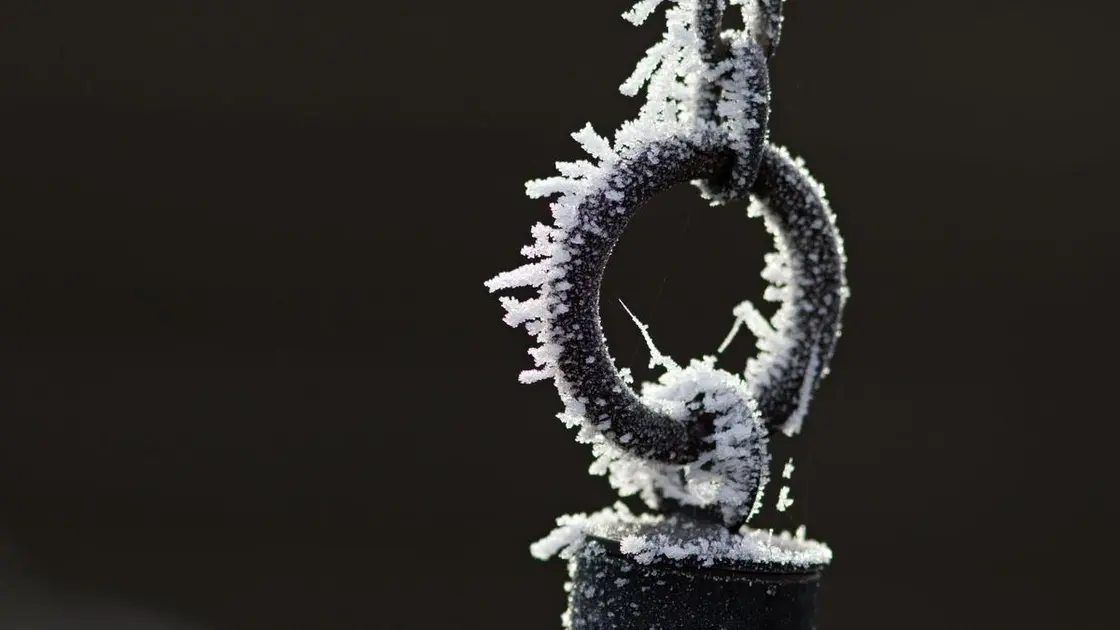
Winter can be tough on rain chains, particularly in colder regions. Knowing how they behave in winter helps prevent issues before they arise.
While the effectiveness of rain chains compared to downspouts is often debated, their charm as garden features for directing water and collecting rain for plants is undeniable.
There are numerous benefits to having a rain chain, but when temperatures plunge, it's essential to be aware of the potential issues to avoid damage to roofs and chains come summer.
Here's what to expect from rain chains in winter and tips for selecting a suitable option for your chilly dwelling.
Winter Effects on Rain Chains
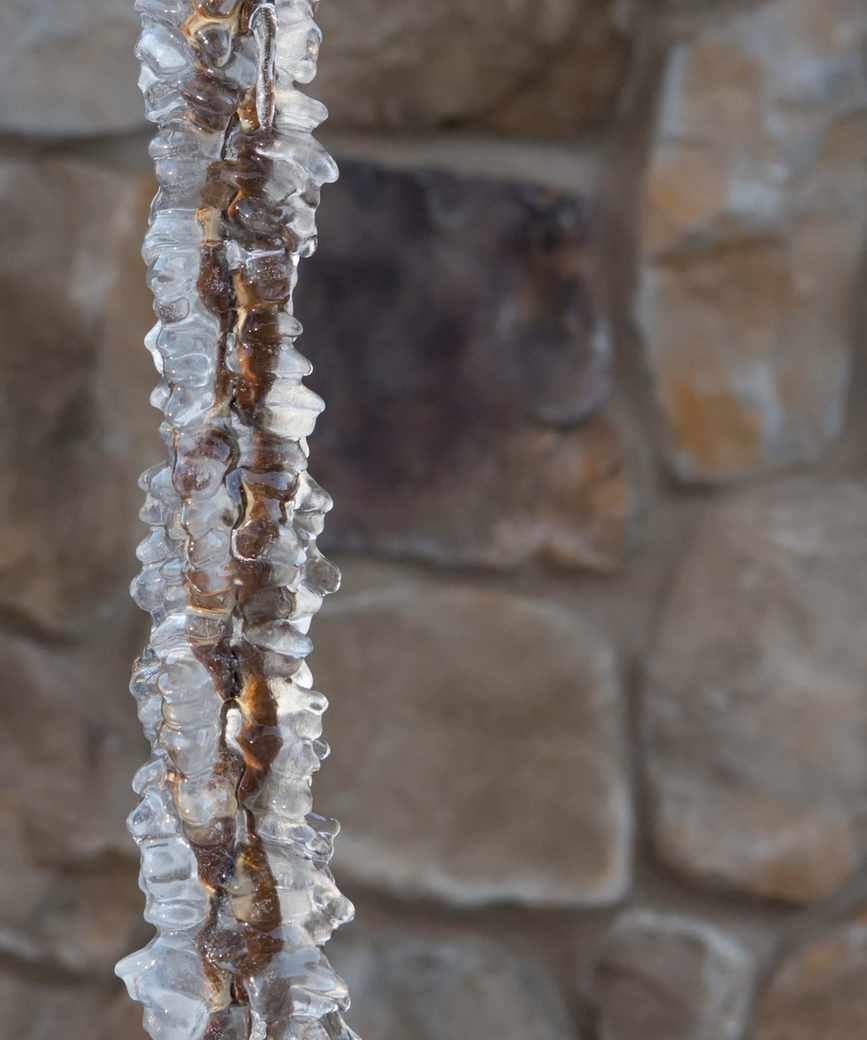
Rain chains generally perform well throughout winter, needing minimal adjustments for spring and summer use, especially in milder climates. However, in extreme cold, frost, snow, and ice can leave homeowners puzzled about their rain chain's functionality.
As Rachel Crow, a garden editor, points out, "Rain chains, being metal, are prone to freezing when temperatures drop." While this isn't always alarming, a frozen rain chain can become too heavy, risking a collapse.
If the chain is attached to a weak roof or porch beam, it may damage the structure too.
Windy conditions also pose a challenge in winter, especially in exposed areas. Despite their weight, rain chains can sway like ropes in strong winds. To prevent this, secure the chain both at the top and bottom with an attachment loop anchored to the ground or your water collection base.
Preventing Freezing of Rain Chains in Winter
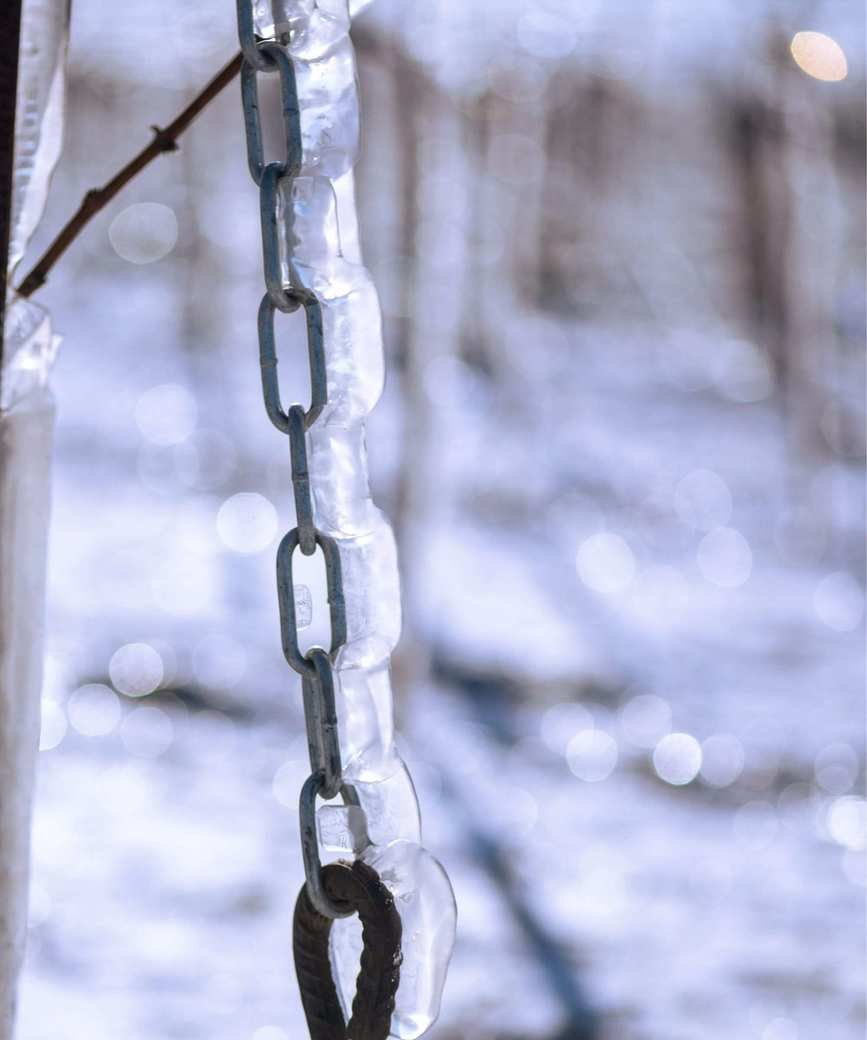
Rachel suggests, "The most effective way to keep a rain chain from freezing is to store it away for the winter." If that's not feasible, consider using de-icers or heat tape to safeguard your chain against frost.
Heat tape like this available on Amazon acts as a heating element wrapped around pipes and chains, preventing water from freezing. Note that an electricity source is needed, which could be challenging if your rain chain is in a tricky spot.
A standard de-icer, such as this liquid ice melt (also on Amazon), can help minimize ice accumulation during winter. It may require reapplication every few days but is often easier than managing heat tape. Remember, if you use de-icer, discard any collected water since it's toxic and unsuitable for plants.
Selecting a Rain Chain for Cold Climates
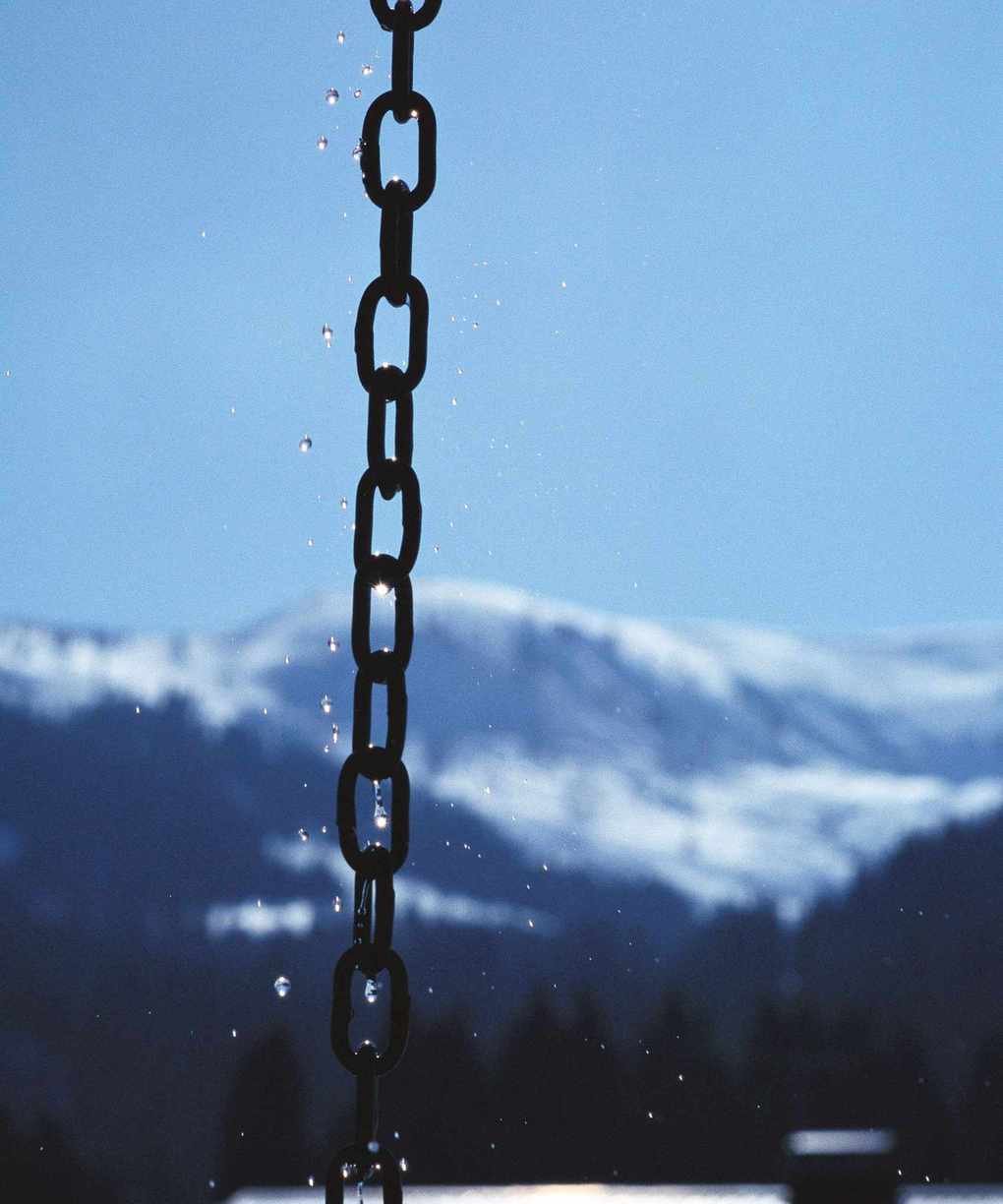
If you're considering purchasing a rain chain for a cold climate, it's wise to know which options are best suited to avoid future problems.
Rachel advises, "Steer clear of overly decorative rain chains with intricate designs. While they look stunning in summer, they can easily crack or warp as ice forms and water expands.
Instead, choose simpler designs. Although they might not be as visually appealing, large link chains, stainless steel, and cast iron chains can better endure temperature fluctuations.
Monarch Rain Chains Traditional Chain – $49.95 on Amazon
This stylish downspout alternative combines artistic flair with functionality, crafted from heavy-duty aluminum to ensure rust resistance and durability.
Do Rain Chains Clog?
Rain chains can experience a unique form of clogging. Unlike traditional gutters, they don't get blocked by debris but can accumulate mineral deposits from rainwater. Regular cleaning at least once a year is recommended to ensure they function properly.
Do Rain Chains Rust?
Whether rain chains rust depends on the material. Aluminum chains are the least likely to rust due to their excellent corrosion resistance.
Many rain chains feature a powder coating for extra protection against rust, but over time, any chain may show signs of wear and corrosion.