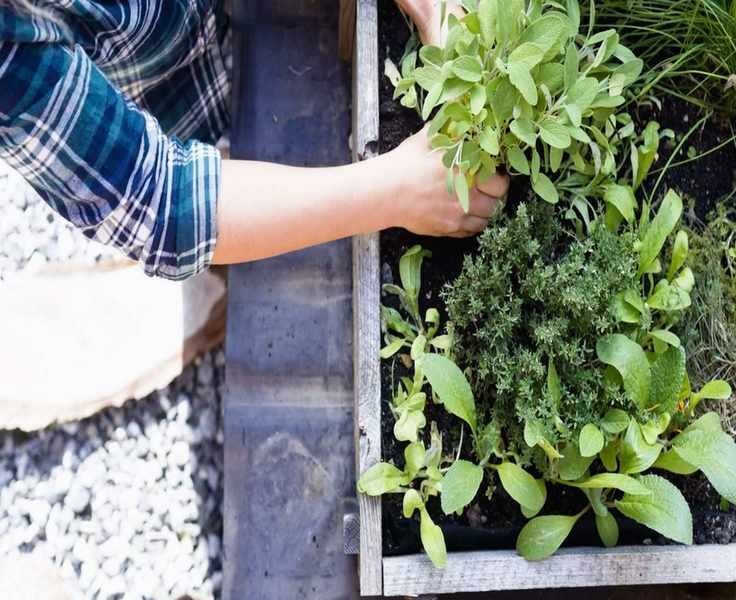
Every gardener should consider adding a herb garden, whether it's indoors, in pots, or outside. These versatile plants not only offer wonderful aromas but can also add beauty to your space.
Once you've established your staples like rosemary, parsley, oregano, and basil, it's time to explore some exciting alternatives.
Growing a variety of unique herbs can greatly enhance your culinary adventures while beautifying your garden.
We've put together a curated selection of distinctive herbs to grow, many of which boast stunning flowers, making them both tasty and visually appealing.
9 Unique Herbs to Cultivate
If you're tired of the usual herbs, consider these uncommon options that promise to add delightful flavors to your garden.
1. Stevia
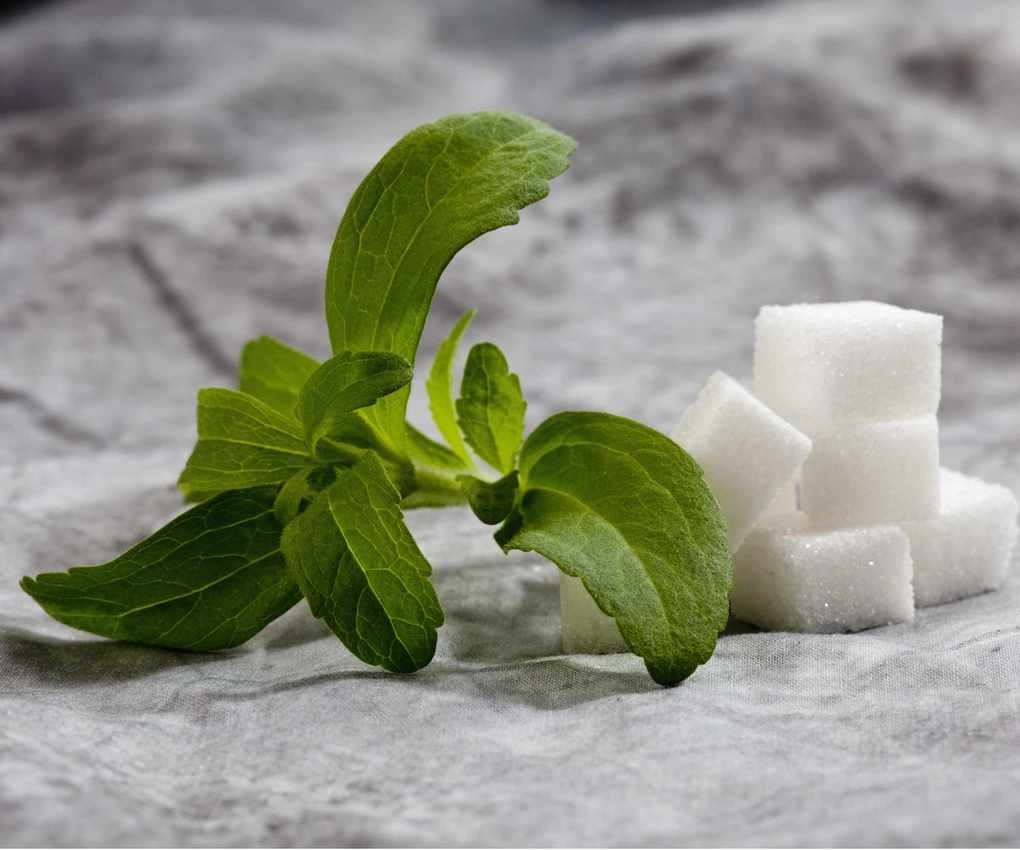
Stevia is a fantastic natural sweetener that can enhance your food and beverages. This bushy perennial produces woody stems adorned with deep green leaves, perfect for harvesting and using in your kitchen. Thriving in warmth, it grows well in US hardiness zone 11 and above.
"This tender herb loves full sun and warm climates, so consider planting it alongside your basil during the summer," suggests a gardening expert.
Stevia plants are often available as small seedlings at local nurseries.
2. Borage
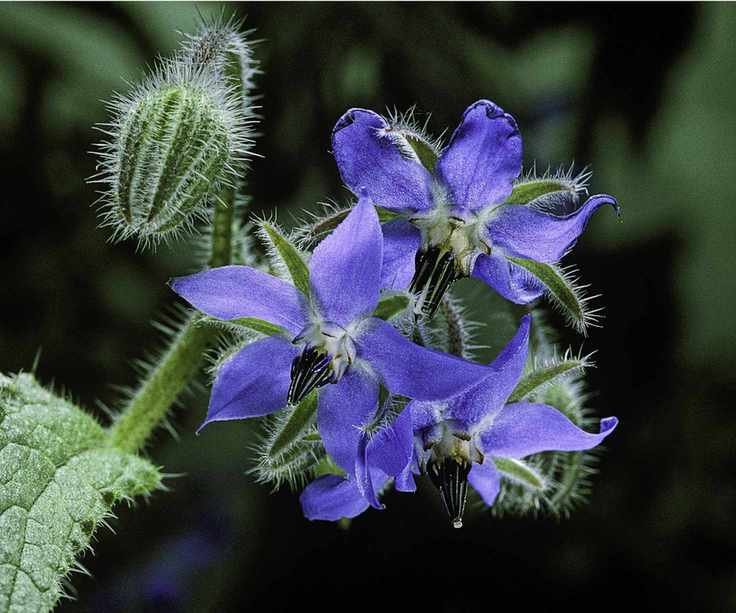
Borage is a wonderful choice for new herb gardeners. Its striking purple-blue flowers and cucumber-flavored leaves make it a great addition to any kitchen garden.
"Borage blooms abundantly, has a mild flavor, and features bold blue flowers," the expert adds.
Native to eastern Mediterranean regions, this herb is easy to cultivate from seeds in US hardiness zones 3-10. However, be aware it can self-seed, so one plant could lead to many in subsequent years.
Blooming from early summer to fall, borage is also friendly to pollinators, so it's wise to let it flourish before harvesting.
3. Ginger Mint
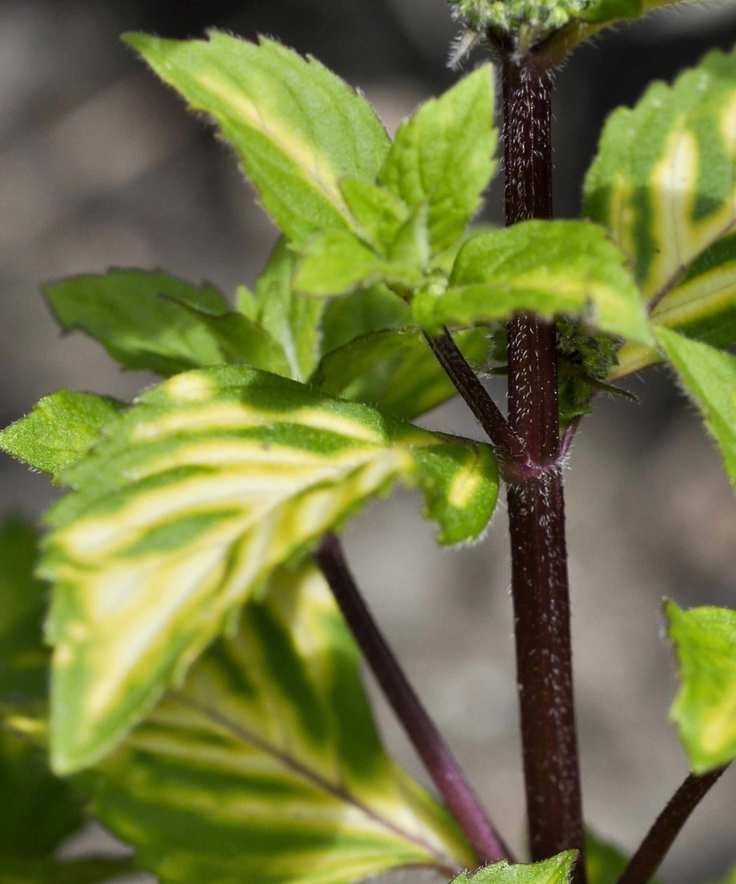
Ginger mint offers a unique peppery flavor. This member of the mint family, Mentha x gracilis, provides a menthol taste with a hint of ginger that's not overwhelming.
"Like other mints, it's best grown in containers due to its ability to spread through rhizomes," advises our gardening expert.
Its pink stems and yellow-streaked leaves make it visually appealing while being aromatic enough for herbal teas or mint juleps. Grow ginger mint in US hardiness zones 5-9, keeping the soil consistently moist.
4. Marsh Mallow
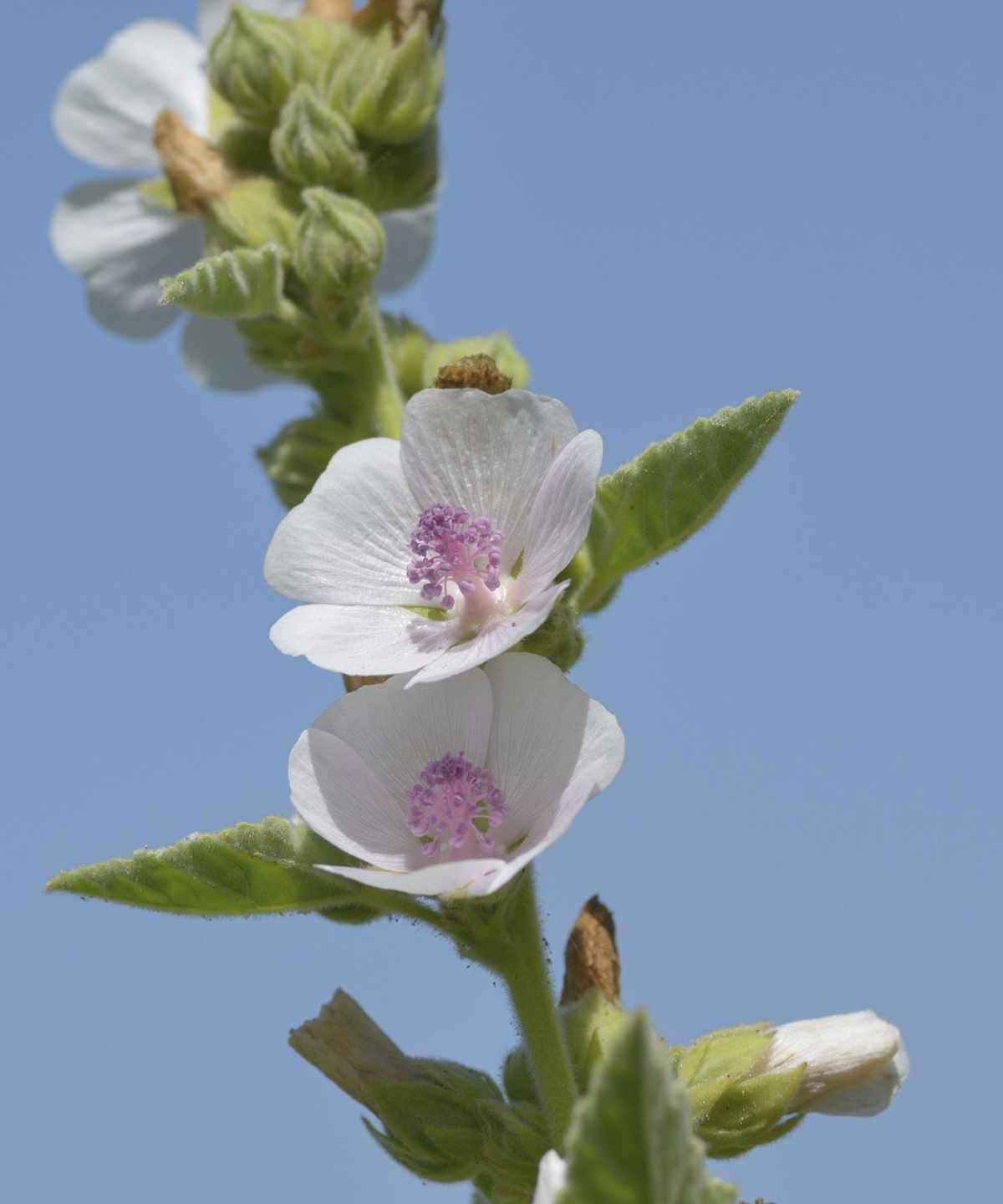
Marsh mallow, or Althea officinalis, tastes sweet and is native to Europe, western Asia, and North Africa. In the US, it flourishes in hardiness zones 3-9.
"Marsh mallow has been valued for centuries for its medicinal uses," a gardening expert shares. "Its roots have been utilized to create a soothing substance for ailments like sore throats and coughs."
This herb features soft, pale pink flowers, which can be harvested in summer for a delicate flavor in salads or teas.
It thrives in sunny areas with moist soil and is best harvested when dormant, after the first frost.
5. Lemongrass
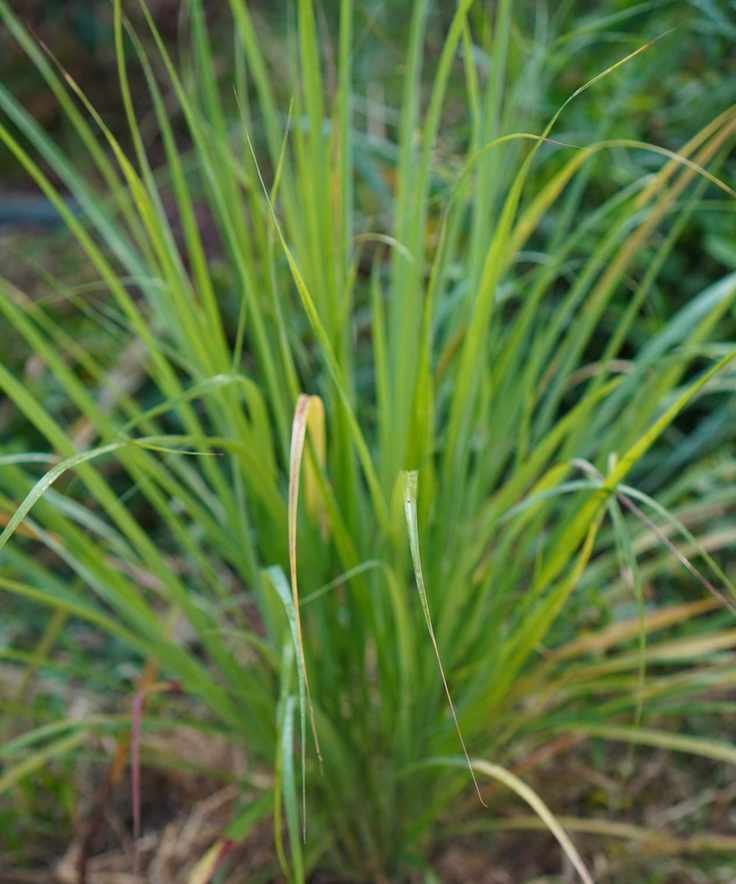
Growing lemongrass rewards you with a citrusy herb that adds elegance to any dish. This tropical plant features graceful, arching grass with a lemony base.
"Lemongrass is easy to cultivate," an organic farmer explains. "While the leaves are tasty, the bulb is most commonly used in cooking." It's a staple in Asian cuisine and flourishes in warm environments.
Thriving in US hardiness zones 9-10, consider growing it in a container for easy indoor relocation during colder months.
6. Lovage

Lovage, or Levisticum officinale, is a perennial favorite for those who appreciate celery and parsley flavors.
"This herb grows larger each year and is fantastic in soups and stews," the farmer notes.
Hardy in US zones 4-8, lovage prefers full sun and rich soil. Its deep taproot also allows it to withstand drought.
7. Pineapple Sage
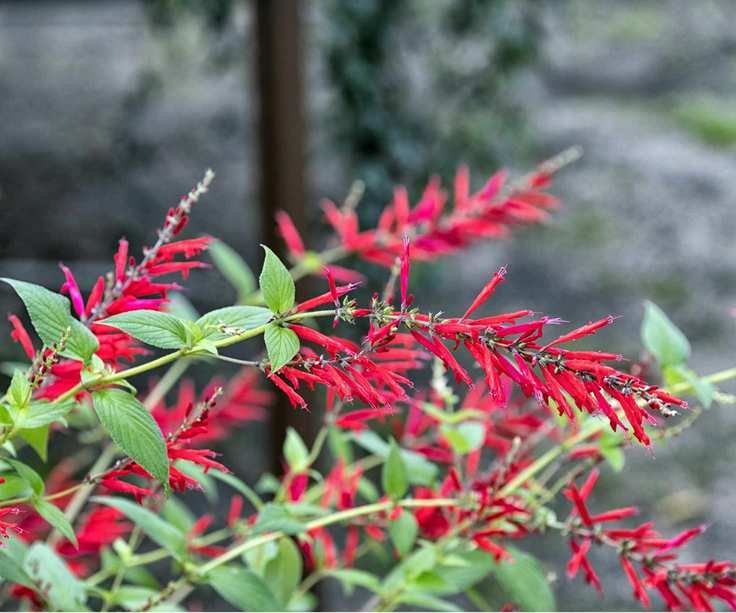
Pineapple sage, Salvia elegans, is a tender perennial native to Mexico and Guatemala. Growing up to five feet tall, it produces vibrant red blooms.
"It has a fresh pineapple flavor when used fresh," the farmer adds. "It's a stunning addition to any landscape, flowering in autumn."
8. Bee Balm
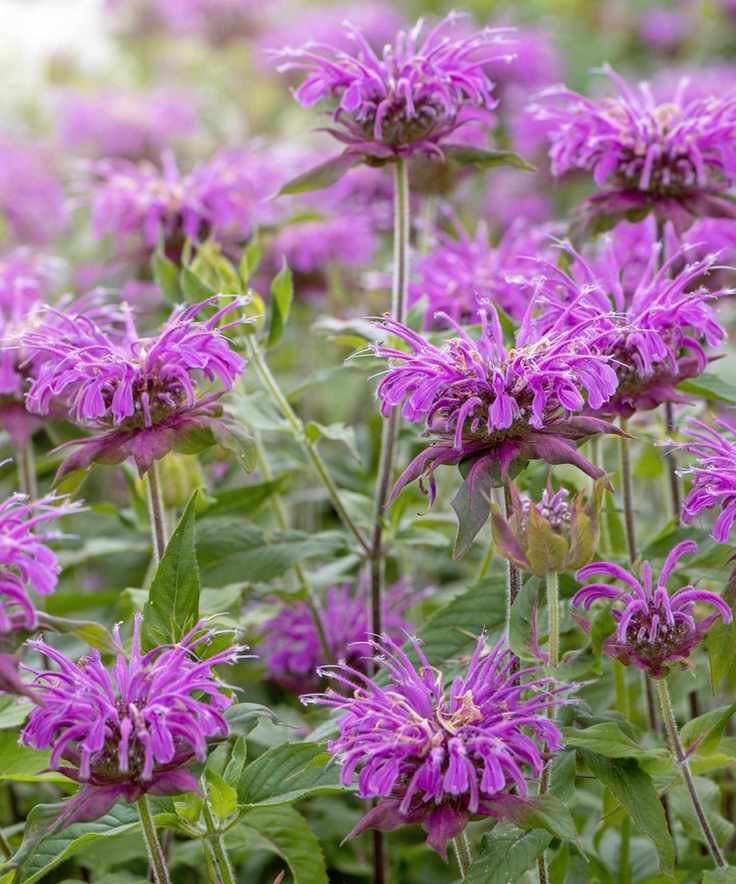
Bee balm, or Monarda didyma, is known for its beautiful flowers and aromatic leaves that taste similar to thyme.
"Often regarded as a flowering plant, bee balm is also a medicinal herb," the farmer mentions.
It thrives in US hardiness zones 3-9, preferring dry settings with consistent moisture. Regular deadheading encourages new blooms.
9. Anise Hyssop

Anise hyssop, or Agastache foeniculum, is a great choice for purple borders. This aromatic perennial flourishes in US hardiness zones 4-8.
Its licorice-flavored leaves and flowers add sweetness to teas and dishes.
Easy to grow and low maintenance, anise hyssop also attracts wildlife like bees and butterflies.
Indoor Herb Planters to Explore
Hydroponic Herb Kit
This hydroponics system features 12 grow stations, perfect for a variety of herbs, vegetables, and flowers.
Hanging Herb Planter
A stylish four-tiered planter that beautifully displays up to 16 homegrown herbs.
Herb Planters with Saucers
Ten herb planters equipped with drainage holes and saucers, ideal for small indoor herb cultivation.
Feeling uninspired by the same old herbs? Embrace these unique plants to enrich your garden and culinary experiences. Just remember to avoid common gardening pitfalls for a fruitful harvest.