

With soaring temperatures and little chance of rain, you may feel stressed about keeping your plants watered. It’s vital to remember that weeds compete fiercely for moisture in your yard, making weeding an essential task during drought conditions.
Weeding isn’t anyone’s favorite chore, especially in the heat. However, weeds can absorb significantly more moisture than your cultivated plants, leaving them deprived of the water they need.
It’s tempting to push weeding down your to-do list, but removing weeds now will help prepare your garden for the scorching days ahead. Let's explore why weeding is so crucial during droughts and how it benefits your yard.
The Importance of Weeding in Drought Conditions
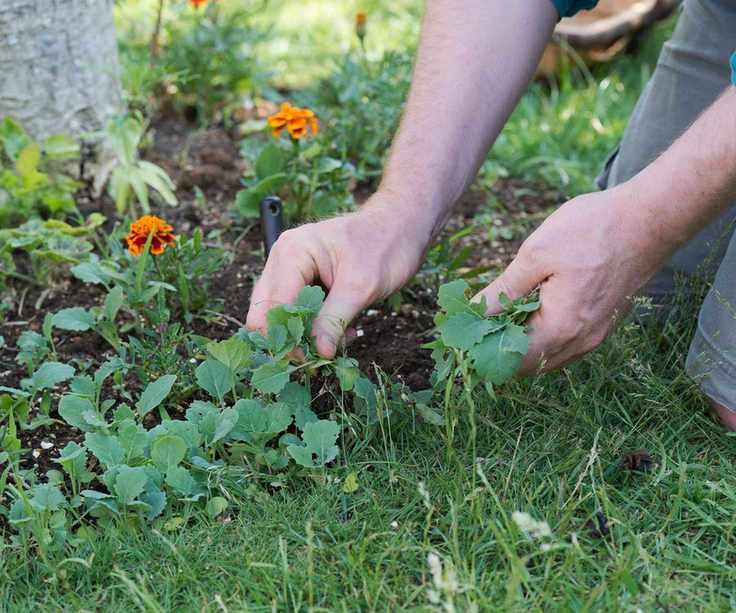
When planning a drought-resistant garden, most people focus on planting. Drought-resistant plants reduce the need for frequent watering, while effective landscaping ensures better water management.
However, experts agree that weeding can have a dramatic impact during hot and dry periods. Weeds don’t just detract from the garden’s appearance; their root systems can siphon off vital moisture and nutrients from surrounding plants.
It’s easy to overlook weeding, especially during heatwaves, but it’s more critical than ever. Completing this task on your summer gardening checklist helps you feel prepared for what lies ahead.
“Many homeowners don’t think about weeding during droughts until they see their yard suffering,” says Bennett Barrier, a turf expert. “But it’s one of the first things I recommend when addressing dry, stressed soil.”

Bennett, who leads a family-run turf business in Texas, has firsthand knowledge of how drought affects lawns and soil.
You may find it hard to believe, but the competition for resources is a fundamental issue.
“Every broadleaf weed you ignore is silently stealing water from your garden,” Bennett explains. “Weeds don’t take breaks in dry weather; they often become more aggressive.”
By pulling weeds from your flower beds, you can significantly enhance moisture retention in the soil.
“In properties where dense clay soil has been cleared of weeds, water retention is much longer compared to those that haven’t,” Bennett adds.
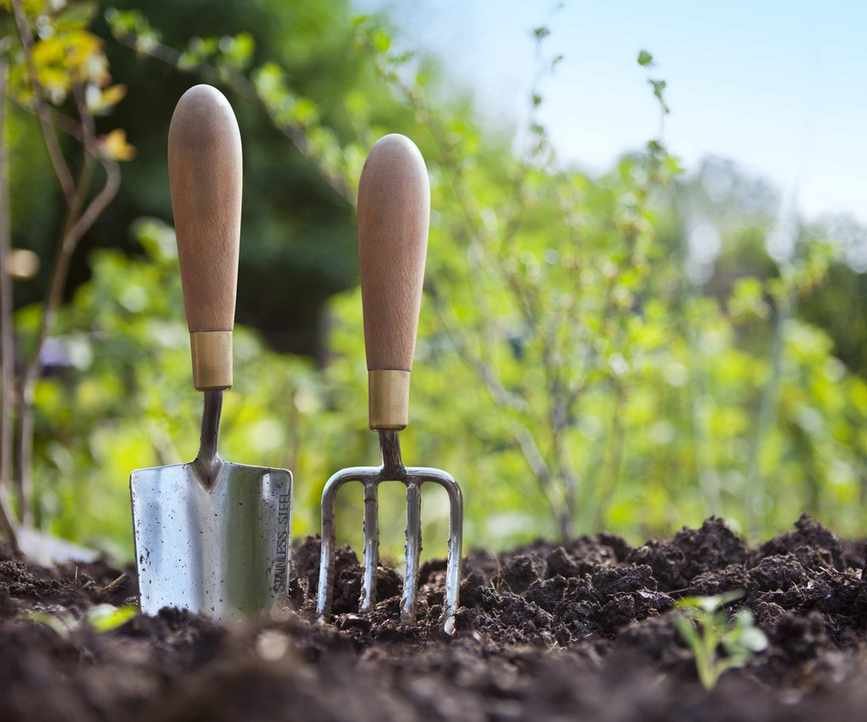
There are various types of weeders suited for different plants. Hand weeders from Home Depot are great for everyday tasks, while standing weeders from Amazon work well for tougher weeds.
Tools like a hori hori knife, available at Walmart, or a hand tiller from Ace Hardware can assist in the weeding process.
Make Weeding a Priority Before Problems Escalate
As summer arrives, your yard maintenance priorities may shift. Think of weeding as a preventative measure: tackle it early to avoid more significant challenges later.
“Drought conditions can quickly turn minor issues into major ones,” says Alex Wright, founder of YardCalc. “A few weeds might not seem significant at first, but once established, they develop larger root systems, making the soil harder and drier.”

Alex, a real estate investor and software engineer, manages a resource for homeowners about landscaping and outdoor projects.
Regular weeding will save you from the strenuous task of uprooting entire plants, which can harm your garden.
“It’s always simpler to remove weeds when they’re small,” Alex advises. “Once they establish roots, it takes more effort and disturbs the surrounding soil.”
Weeding isn’t your only strategy this season; developing a reliable watering system is also vital to protect your plants during heatwaves.
Drip irrigation kits from Amazon can help keep your plants thriving in hot weather. You could also explore a DIY drip irrigation system.
There are irrigation kits available for various areas in your yard: drip irrigation grids provide steady moisture to raised beds, while hanging basket irrigation kits are great for container gardens.
A soil moisture meter from Walmart is a great investment if you’re unsure about the water needs of your plants.
In the end, weeding will ensure a tidier and healthier garden better suited to withstand drought conditions. It not only manages soil moisture but also helps you monitor your plants more effectively, reducing the risk of pest infestations and diseases.
“Thick weed growth makes it harder to detect pest damage and early signs of disease,” Bennett confirms. “Drought-stressed plants are already vulnerable, so catching issues late exacerbates the situation.”
Looking for a low-effort way to weed your yard? Check out our tips on quick weeding methods or learn about common mistakes to avoid when weeding.


