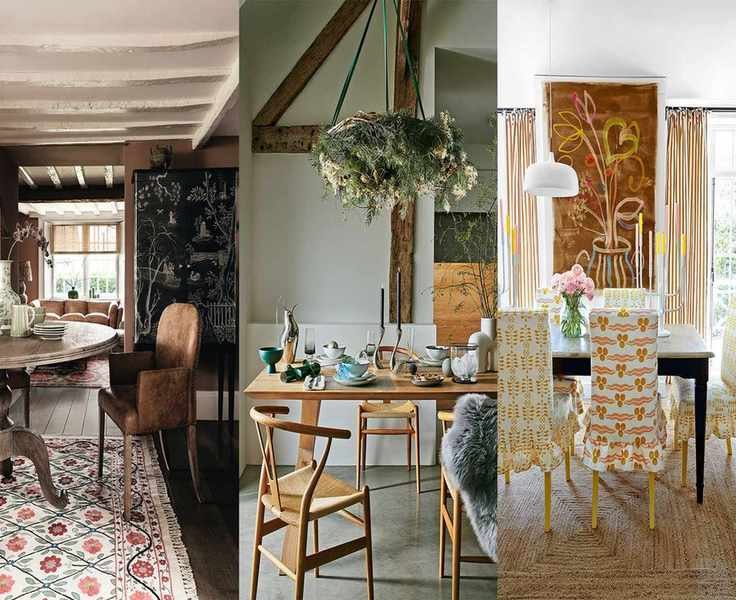
Determining the best dining chairs can spark lively discussions among designers, often posing a challenge in dining room design.
With an array of seating options available, from elegant upholstered chairs to casual wooden styles and benches, selecting the right fit for your dining space can feel overwhelming.
Ultimately, the best choice is subjective and hinges on individual taste and comfort. However, several key factors can influence your decision.
To guide your selection, we consulted designers for their recommendations on choosing ideal dining chairs – here's what they shared.
Identifying the Best Dining Chairs
To determine the most suitable dining chairs for your area, start by evaluating how you utilize the space. Is your dining area dedicated solely to entertaining, or is it part of a multifunctional kitchen diner?
The dimensions and shape of your dining table play a significant role, alongside style considerations. Above all, comfort should be your priority, as noted by a New York City designer Phillip Thomas. 'If a chair isn't comfortable, no meal or fine wine can compensate for it.'
Moreover, 'a dining chair should typically have a seat height around 19in,' adds Simon Temprell, design manager at Neptune.
Below are essential elements to consider when selecting dining chairs, including insights from designers on the advantages and disadvantages of various styles.
Upholstered vs. Non-Upholstered
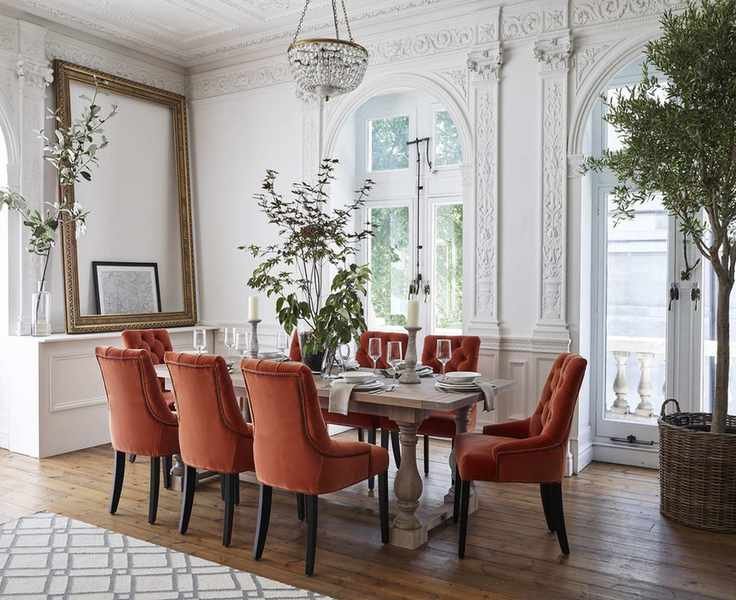
For comfort, upholstered dining chairs reign supreme, allowing for a showcase of vibrant fabrics and patterns. They enhance formal settings, adding a touch of elegance to dinner gatherings.
'Upholstered chairs radiate luxury, fostering a cozy atmosphere,' states Simon Temprell, design manager at Neptune.
'The best dining chairs typically feature a rounded design, adapting to your back for optimal comfort,' remarks designer Tracy Morris.
Designer Phillip Thomas agrees, emphasizing that 'upholstered chairs contribute to a snug dining experience. They also help reduce noise, which is beneficial in lively dining areas.'
However, for open-plan kitchens or informal settings, you might prefer a more casual option.
'In high-traffic spaces like kitchens or breakfast areas, opt for wooden or painted chairs for easier maintenance,' suggests Simon Temprell. Adding seat pads can enhance comfort.
If your dining area is compact, consider lightweight, stackable chairs made from metal or plastic.
Chairs with Arms vs. Armless
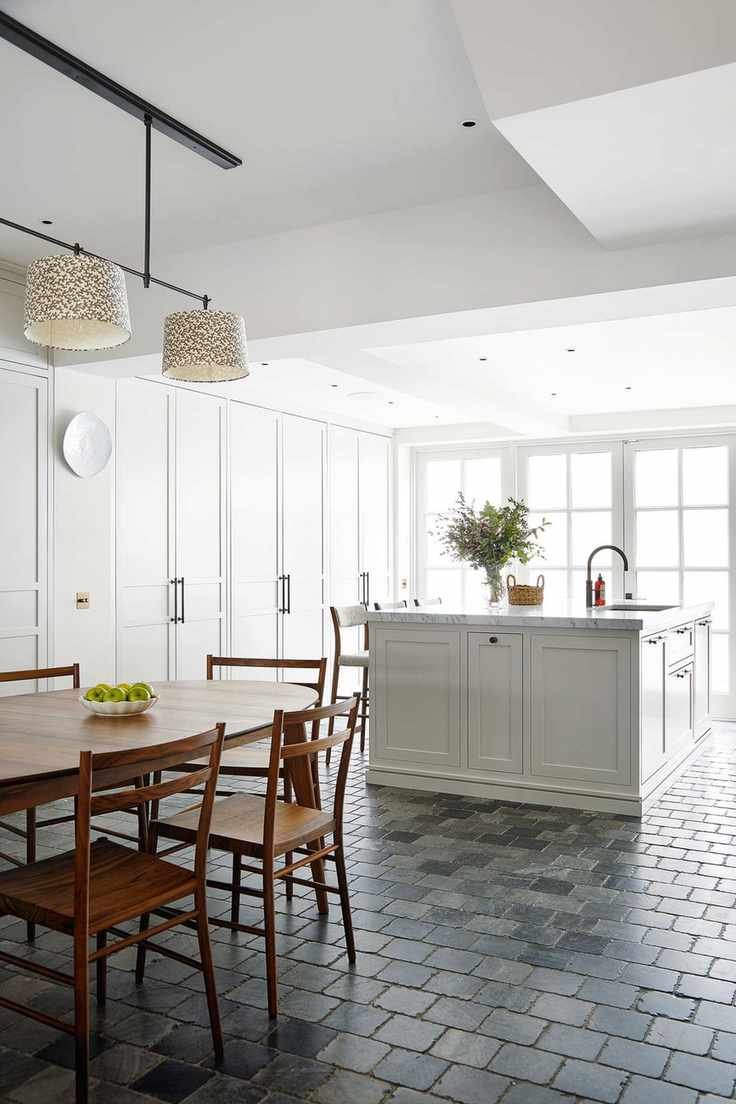
A common debate centers on whether to choose chairs with arms or not – each option has its pros and cons. Armless chairs are practical where space is limited, while armed chairs offer luxurious comfort and versatility if space allows.
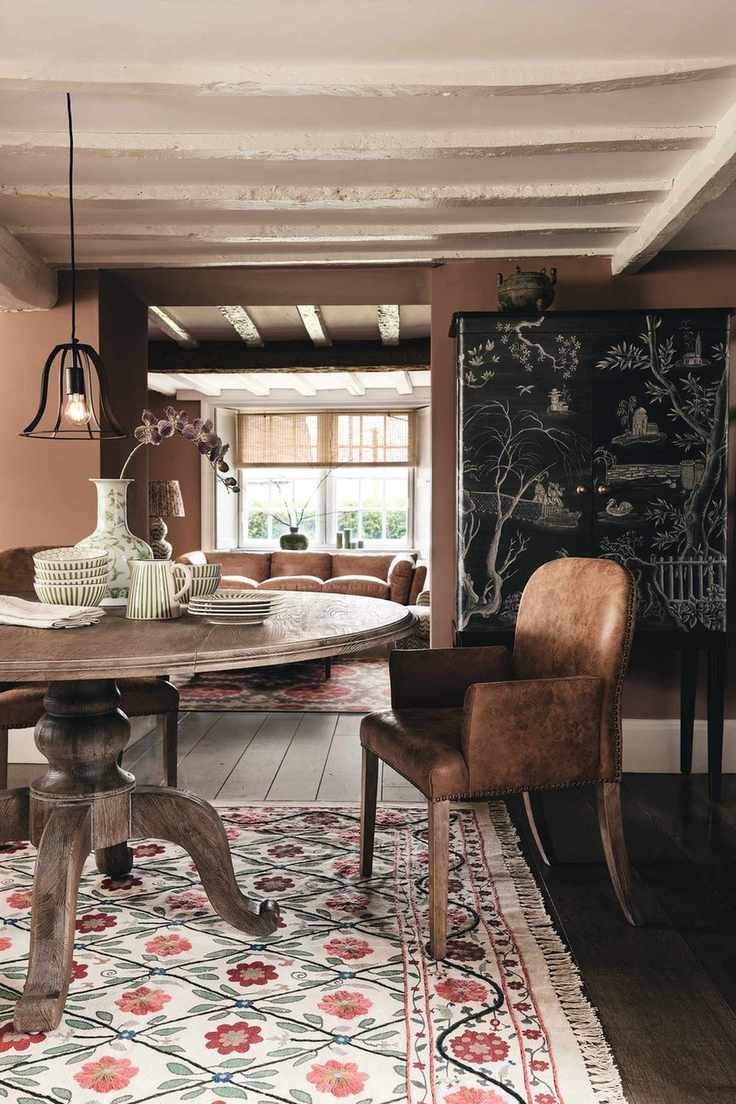
'I favor armed chairs for their exceptional comfort; they can also serve as reading or occasional chairs. However, they require more room – generally an additional 7in per chair, making them ideal for table ends,' explains Sue Jones, co-founder and creative director at Oka. 'When space permits, having armed chairs around a round table creates an inviting atmosphere.'
In contrast, Phillip Thomas points out that armed chairs can act as barriers. 'Some clients feel that armless chairs encourage better interaction among guests, allowing for closer seating. They're also more space-efficient, accommodating more people around the table.'
Selecting Appropriate Fabrics
Dining rooms can be prone to spills, so careful consideration of fabric is crucial when selecting upholstered chairs.
Opt for durable, stain-resistant materials, advises Roger Jones, director of Sibyl Colefax & John Fowler. 'While leather and horsehair are classic choices, many modern fabrics are equally functional.'
'In warmer months, simple linen slipcovers can refresh the dining room's look and are machine washable if they get stained,' he adds.
This is ideal for families with young children or those with busy dining areas, plus it's a great way to update the space seasonally.
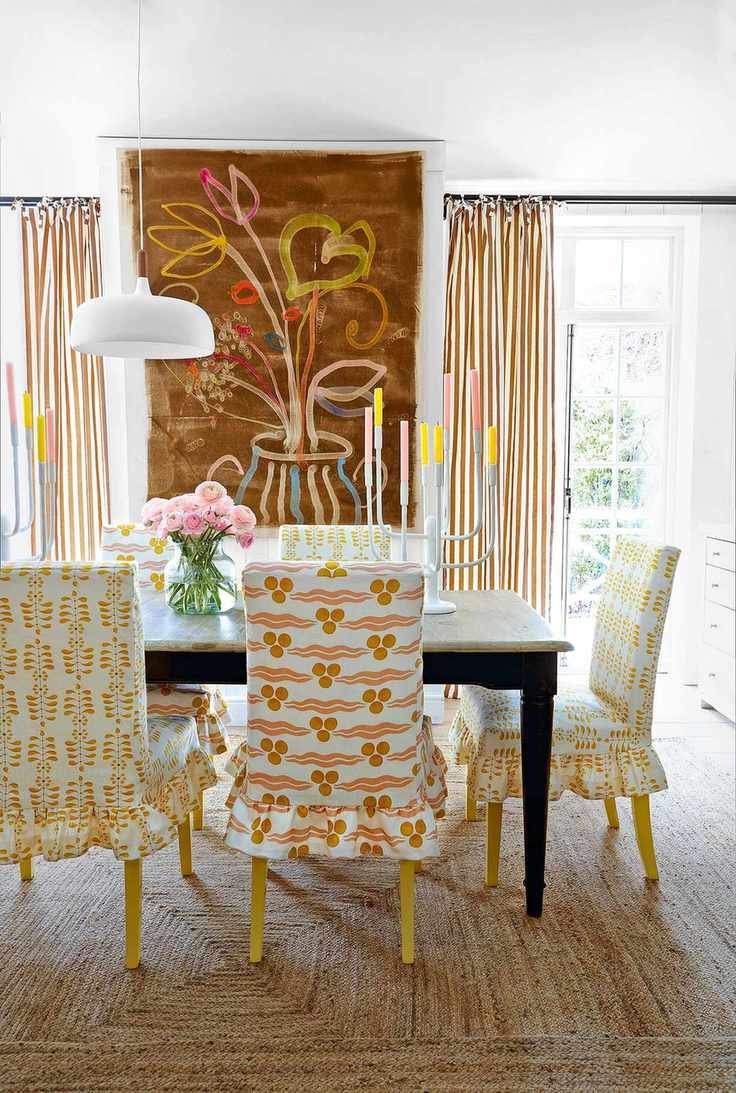
Upholstered armchairs allow for creative fabric choices. With a vast selection available, you're sure to find a perfect match for your desired aesthetic. While staining is a concern, 'advancements in textile technology have introduced various stain-resistant and performance fabrics that are durable,' explains Amanda Huber, owner of Dining Chair Co, ensuring style isn't sacrificed.
For a more relaxed dining environment, 'colorful chairs can add a playful touch,' suggests Anne Hepfer. Alternatively, bold patterns can make a striking statement.
'We prefer lightweight seats. A two-piece design allows for fun fabric combinations to brighten the space,' adds Michael Sandsmark, interior designer at Design West. For a chic yet practical option, consider a basic stain-resistant fabric on the seat with a standout design on the chair's back.
Considering Back Height
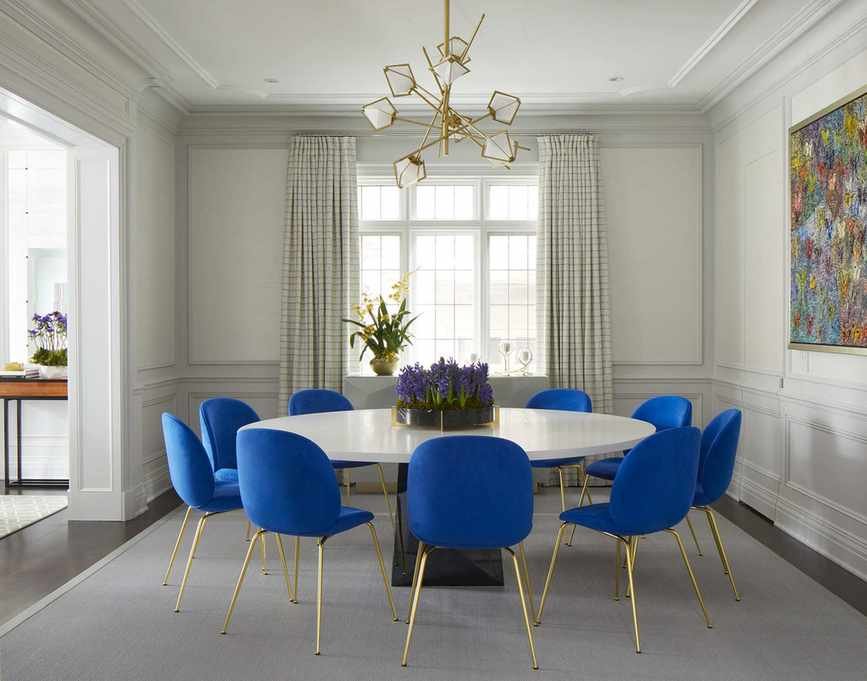
While it may not be a primary consideration when selecting dining chairs, back height can significantly affect both comfort and aesthetics, according to experts. High-backed chairs suit formal dining settings, while low-backed options create a more laid-back vibe.
'Traditionally, upholstered chairs featured higher backs for support and warmth – our Cromwell, Georgian, and Classic Adam designs exemplify this. However, lower-backed profiles are increasingly popular, aligning with contemporary living trends,' notes Amanda Huber, owner of Dining Chair Co.
'Some clients opt for a higher back to showcase a statement fabric across the table or when entering the room,' adds Amanda Huber.
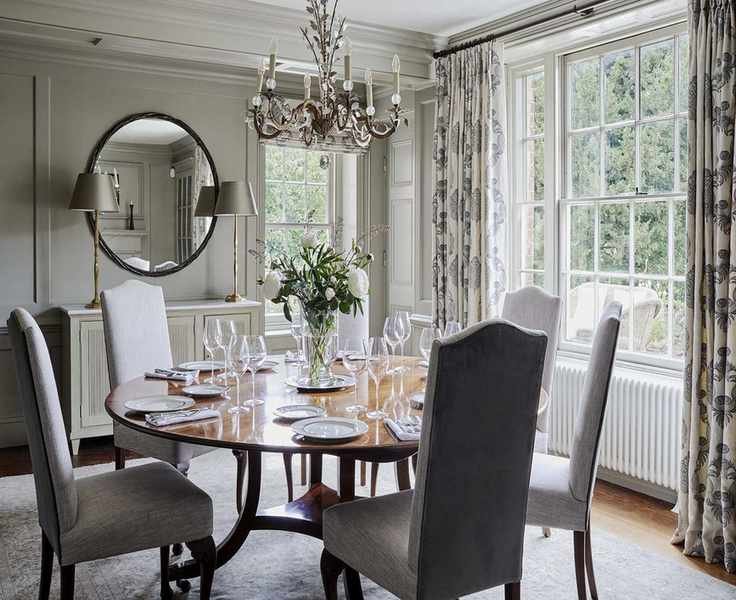
If you prefer not to detract from other room features, low-backed designs are a more discreet choice. Similarly, open-frame styles like wooden Scandinavian or Mid-century designs can make a room feel more spacious.
Simon Temprell from Neptune indicates that 'tall-backed or tufted chairs lend a formal feel, while lower-backed designs are more versatile, fitting seamlessly into various home styles.'
'For an elegant, elevated dining room, consider chairs with tall backs,' suggests Anne Hepfer.

Embracing Bench Seating for a Laid-Back Atmosphere
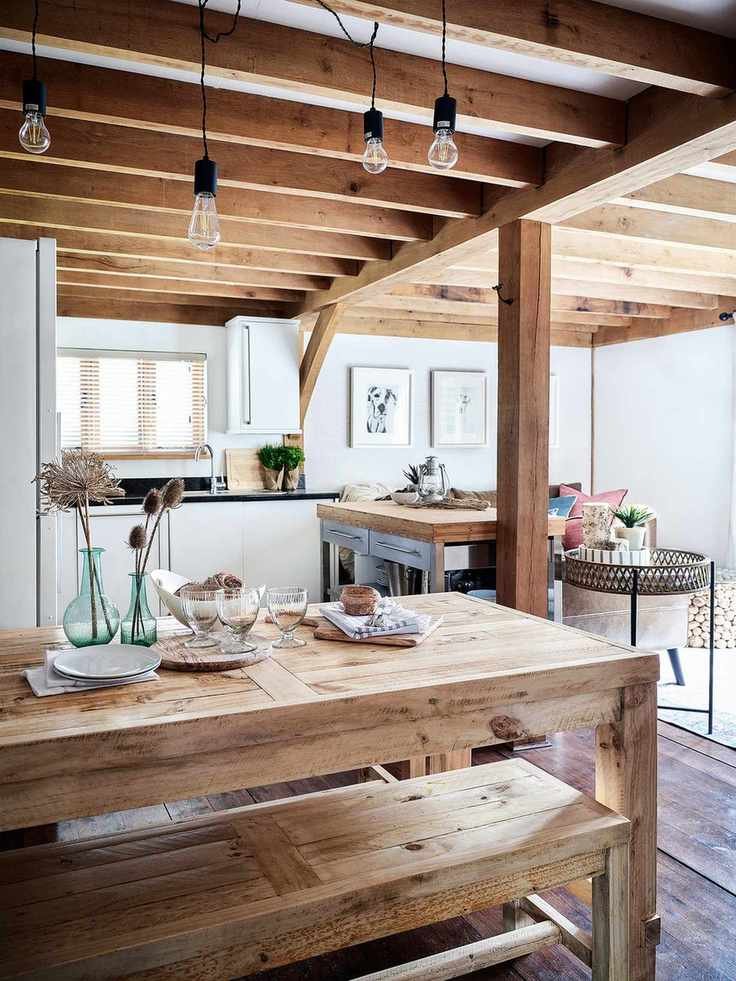
Bench seating is gaining popularity as an alternative to traditional chairs, especially in kitchen diners and open-plan spaces.
Their backless design maintains clear sightlines, creating an open feel. Benches promote social interaction, and while they may lack inherent comfort, adding cushions or throws can enhance coziness. Additionally, table and bench sets designed to fit snugly beneath the table offer excellent solutions for smaller areas.
Banquette seating is also making a comeback. Like benches, banquettes foster a relaxed atmosphere and encourage conversation. 'I prefer to position banquettes along the edges to create a lounge-like setting, ideal for cocktail gatherings,' shares designer Phillip Thomas.
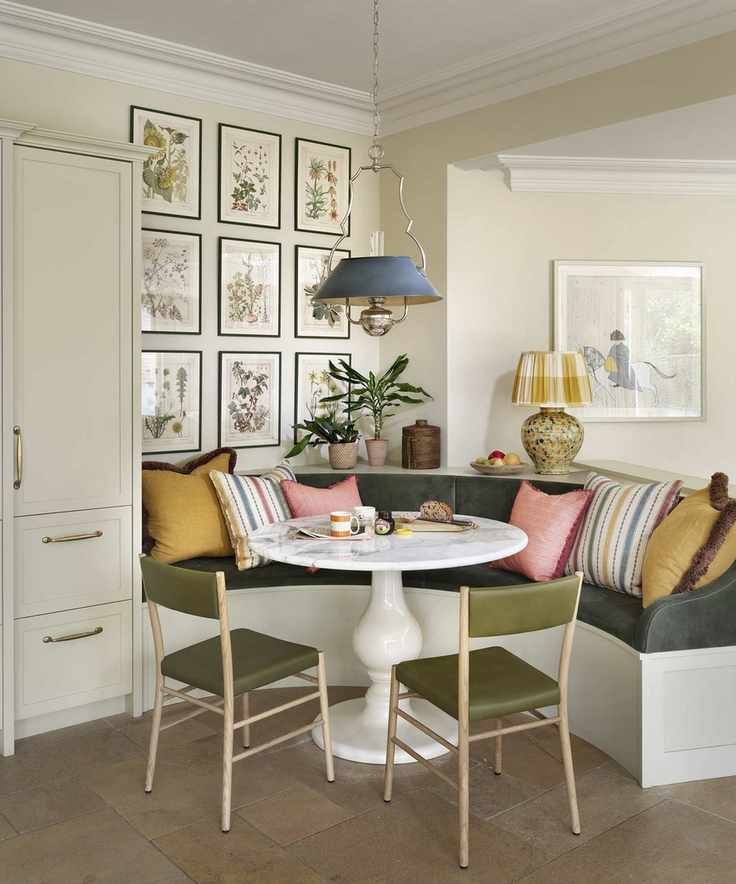
However, fitted fabric seating can present cleaning challenges, so consider materials that are easy to maintain; faux leather is simpler to clean than genuine leather.
'Keep in mind that leather isn't as practical as it appears for dining rooms: oils and grease can penetrate, leaving difficult-to-remove stains,' cautions designer Simon Temprell.
Alternatively, opt for a banquette in a dark fabric to mask stains, complemented by colorful cushions, as illustrated in the above space by Salvesen Graham.