You've found a new place to live, but now the challenge is deciding what to pack first when moving. Don't worry if you're unsure; you're not alone.
Having moved 12 times, including across states and even internationally, I've learned the ins and outs of packing efficiently. My early experiences packing alongside my parents taught me not just how to pack but also how to make it manageable.
To make your move less stressful, start packing as early as possible. Create multiple packing streams: items you won't need until the last minute, essential items for your new home, and decluttering as you go. This order, along with effective labeling, is crucial for maintaining your sanity!
It's no surprise that moving ranks as one of life's most stressful events, alongside loss and divorce. The sheer volume of tasks can be overwhelming, and it's easy to misplace items you'll need right away.
Therefore, begin by packing non-essential belongings.
Nikolay Yanakiev from a moving company shares, 'Knowing what to pack first is pivotal for a smooth moving experience. The best moves I've witnessed were those where packing was done strategically and on a timeline.'
Here's how to keep your belongings organized as Moving Day approaches. This period is also ideal for decluttering, so you're not wasting energy on items that no longer fit your lifestyle.
Two Months Before the Move
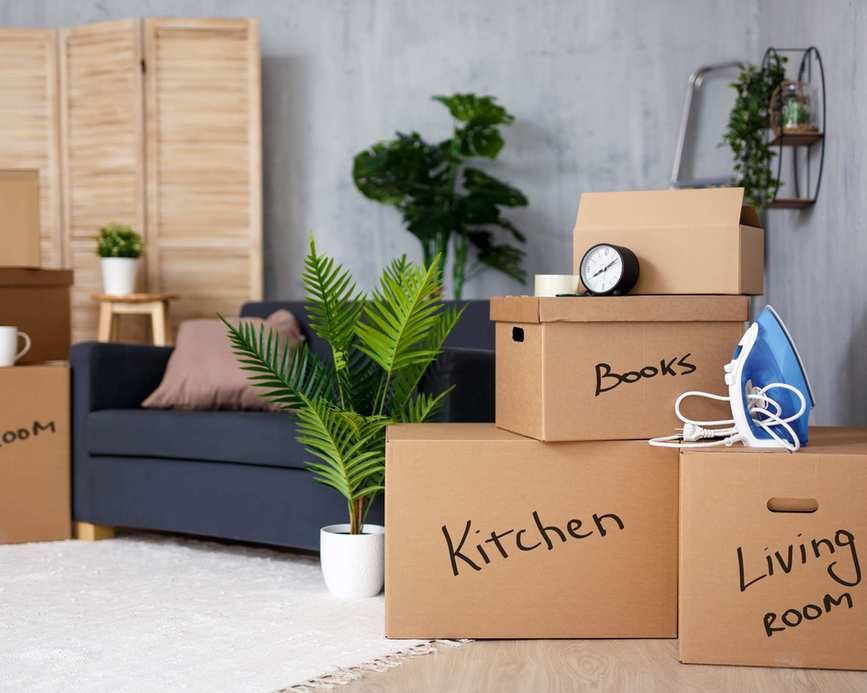
Kick off with non-essential items and ensure your box labels are clear.
Nikolay recommends starting the packing process around eight weeks ahead to 'ease into it and prepare wisely'.
During these weeks, pack seasonal items like off-season clothing, holiday decorations, and rarely used belongings such as fine china or outdated books. I remember packing my parents' wedding china first, employing bubble wrap to keep everything secure without cluttering our space.
He also suggests tackling areas like the garage and attic. 'These spots often harbor items begging for early packing,' he notes. 'Focus on tools, garden supplies, and storage bins.'
It's a prime moment to declutter your garage and organize your attic before the move.
Label everything clearly by room and contents, e.g., 'Guest Room/Holiday Decor'. This way, once you arrive at your new home, sorting boxes becomes a breeze.
For renters, packing early is beneficial. Adam Hamilton from a rental platform states, 'It allows you to identify and fix any minor damages before departure, like patching nail holes in walls.'
Nikolay adds, 'Get rid of anything you won't take to the new place. Begin gathering sturdy boxes, packing tape, bubble wrap, and markers.'
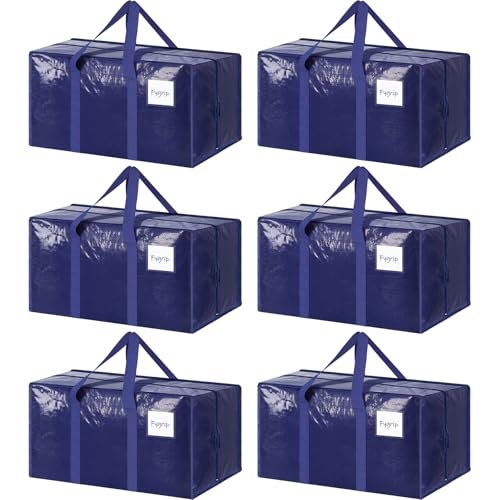 Packing bags
These heavy-duty bags with sturdy handles are perfect for storing out-of-season clothes or linens. Keep them in a controlled environment to prevent damage.
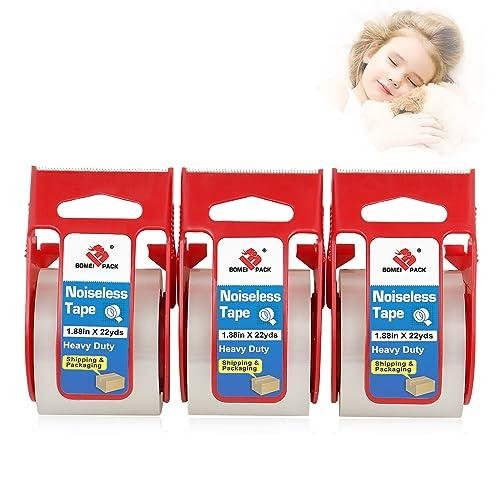 Strong tape
Invest in durable packing tape. Purchase a multi-pack so you can keep supplies handy throughout your home.
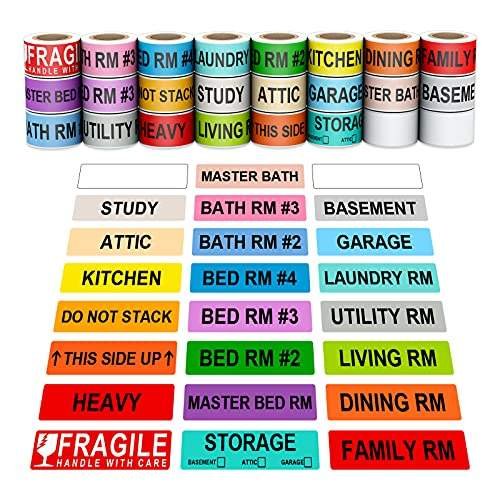 1440 Pcs
Save time by using pre-printed labels that are bright and easy to identify, helping you keep track of your packed items.
Someone who has moved frequently mentions that starting with items like ornaments can help maintain a methodical approach, preventing you from jumping between tasks.
Gradually fill 'fragile boxes', stacking them carefully to avoid pressure on breakables while you continue packing.
For those with delicate items, ensure you have sufficient bubble wrap and newspaper ready. You can also use towels or clothes as padding at the bottom of boxes.
A moving expert advises, 'Start packing off-season clothes and sentimental items well in advance.'
Six to Four Weeks Before the Move

Guest rooms are a great starting point for packing weeks in advance.
Utilize a room-by-room approach. Begin with less-frequented areas like guest rooms and offices. Pack DVDs, toys, and electronics that you don't need right away.
When packing guest rooms, one expert suggests leaving bedding available for any last-minute guests.
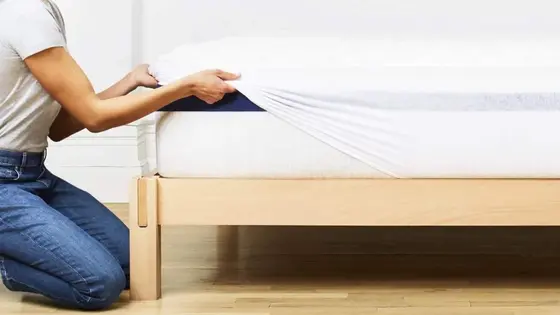
Another tip is to wrap your mattress in an encasement for complete protection, as a mattress protector only covers the top and sides.
Packing sheets and pillows in trash bags can also help keep moisture away from your bedding.
Now is the perfect time to finalize your moving logistics, whether hiring movers or doing it yourself.
Three to Two Weeks Before the Move

Pack clothes on hangers by folding them into a suitcase for easy unpacking later.
Expect a surge of packing during this period. Pack the bulk of your belongings now, especially clothes—leave out only one to two weeks' worth for yourself.
Also, pack pantry items and bathroom extras while keeping only essentials accessible. Don't forget to start on the children's rooms as well.
Consider creating a 'do not pack' zone for important documents, chargers, and essentials. In my experience, this phase can be challenging; seeking help from friends can make a significant difference.
Pack a gym bag for your essentials, treating moving like a mini-vacation.
One Week Before the Move
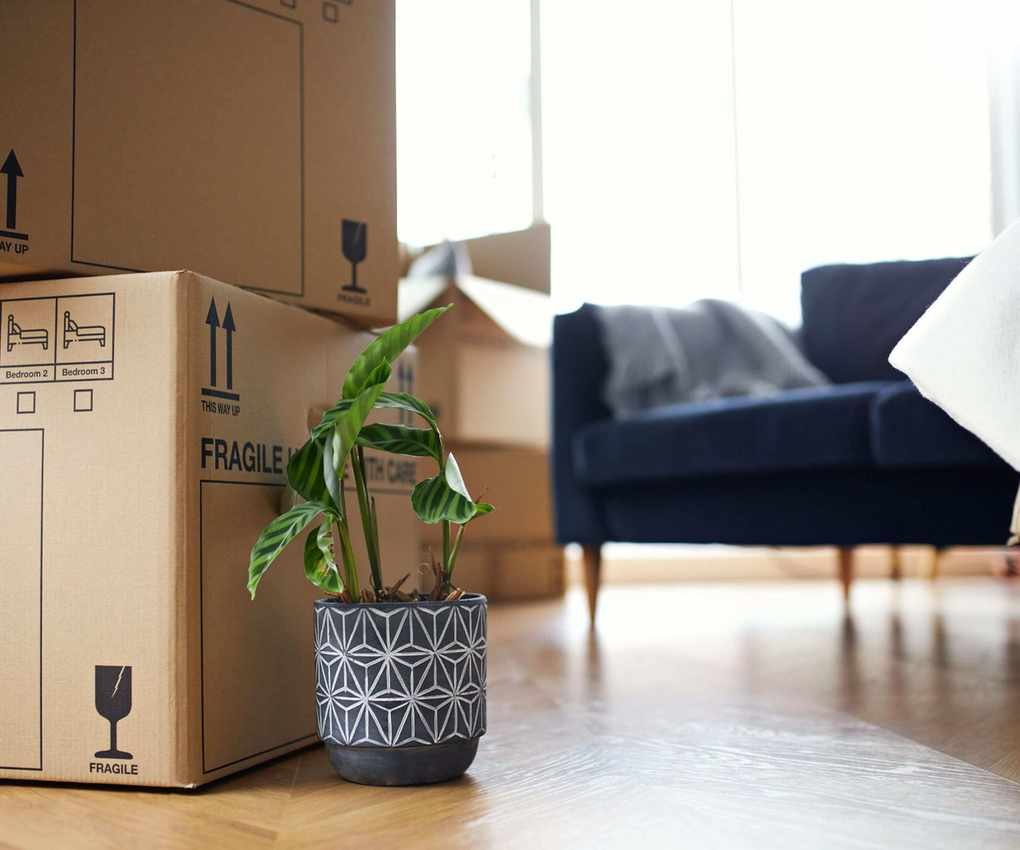
Finish packing the final rooms and prepare an essentials box.
Time to pack remaining rooms and create an essentials box. Only the essentials should be left unpacked. Pack kitchen items but keep out one pot, one plate, and a cup per person.
Your essentials box should include items like a kettle, cleaning supplies, phone chargers, and basic toiletries.
Ensure you have your prescriptions filled and a first aid kit ready for minor injuries. You can also transport valuable items yourself to keep them secure.
It's wise to have a 'first week' box with pajamas, coffee maker, and chargers for your new home.
Day Before Moving

You're almost there!
Prepare to move by taking down any curtains or blinds and unplugging electronics. Wrap cables and disassemble remaining furniture as needed.
My partner and I often opted to sleep on mattresses on the floor the night before moving to simplify the process.
Reusable cable ties are useful for organizing cords. Don't forget to freeze cool packs for transporting perishables tomorrow.
What to Pack Last
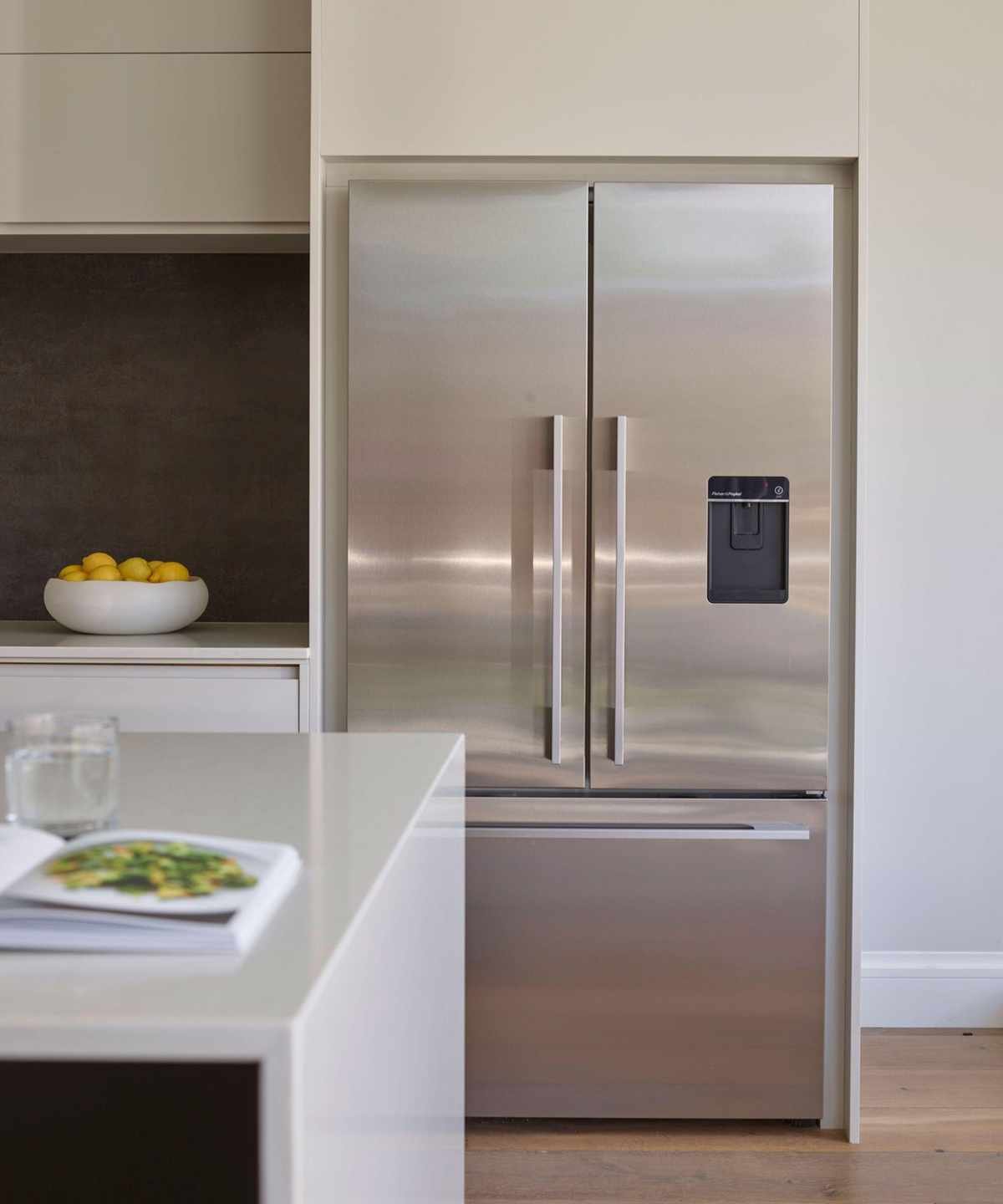
Pack frozen goods into a cooler bag right before you leave your old home.
On moving day, have cleaning supplies ready to clean the new space before settling in. This may include multi-surface cleaners, microfiber cloths, and heavy-duty trash bags.
For me, last-minute items included kitchen essentials, leftover clothing, or laundry. I transported any remaining frozen goods in cooler bags to prevent spoilage.
Check every drawer and cabinet to ensure nothing is left behind. While packing can feel endless, organizing effectively will ease unpacking later.
FAQs
When is it too early to start packing?
Based on experience, starting more than two months prior can become stressful, as you'll need space for the packed boxes. If you don't mind some clutter, begin with non-essentials 4-8 weeks in advance.
Don't forget to declutter forgotten spaces and know which items should never be packed, potentially reducing your load by up to 25%. Utilize cleaning tips to leave your old home in great shape for the new occupants while making your new space feel like home quickly.