This week, we connect with Mark Walsh, who has spent five seasons working in Antarctica. He reveals what life is like on this remarkable continent, alongside a link to his FREE ebook detailing work opportunities on "the ice."
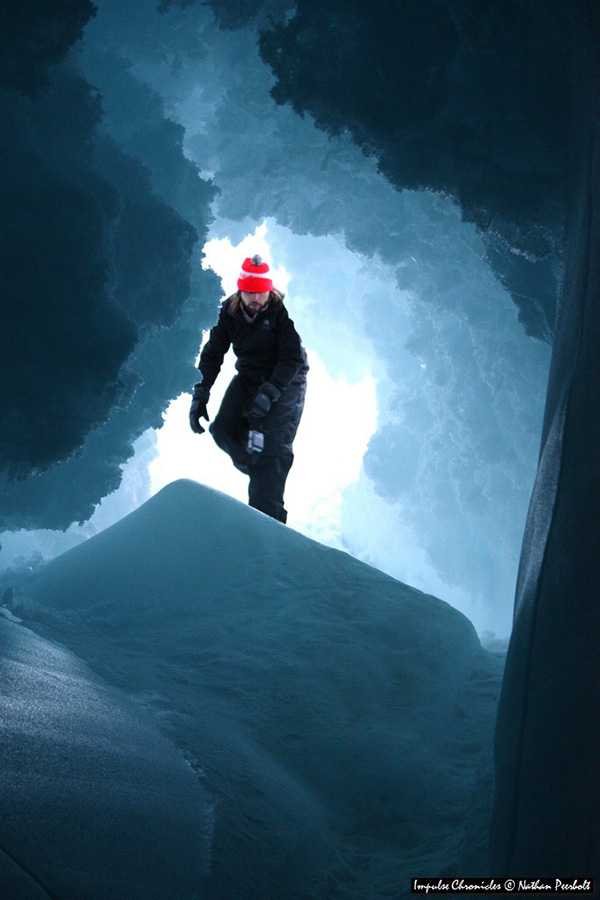
One of Mark's favorite aspects of his Antarctic experience is exploring ice caves. Photo by Nate Peerbolt.
Name: Mark Walsh
Age: 35
Hometown: Moss Point, MS
Countries visited: 12
Website: www.markwalsh.co
1. What sparked your interest in travel?
I grew up adventurous, taking long bike rides, boating, and camping trips as a kid. That curiosity eventually led me beyond my Gulf Coast roots. During high school summers, I traveled away from home, and in college, I ventured even further. Each journey made me a better person, fueling my passion for immersive travel experiences.
2. How did you begin your career in Antarctica?
I learned about the US Antarctic Program (USAP) while working as a research assistant at the College of Charleston. My professor encouraged me to apply, but it took a few years before I found success. A trip to Denver to meet hiring managers set me on the right path, and after a year of training as a weather observer and three years of part-time work, I finally got my chance in 2009. Since then, I've traveled to Antarctica five times, including two winters and three summers. It was a long journey, but definitely rewarding.
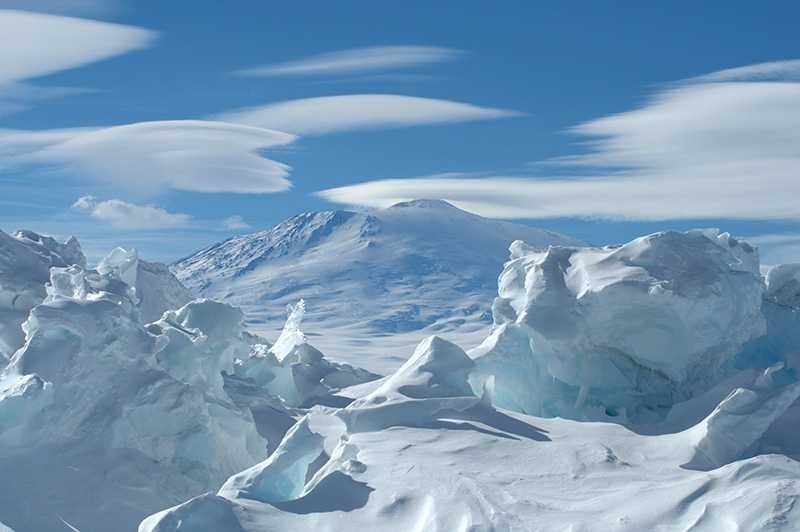
During the North American winter, Antarctica experiences 24 hours of daylight. Photo by Nate Peerbolt.
3. When's the best time to visit Antarctica?
Antarctica is most accessible during the Austral summer (October to March) when daylight lasts all day and temperatures are milder (+20°F). Most scientific work occurs during this time, leading to more job openings and a bustling atmosphere. While summer offers quick visits via cruise ships, winter also presents unique working experiences with its solitude and cold. Depending on your preferences, you might enjoy the vibrant summer or the tranquil winter. I recommend experiencing both!
4. What jobs are available in Antarctica?
Numerous positions exist in Antarctica, essentially mirroring those in a small city. Blue-collar jobs and skilled trades are common, while administrative roles are less frequent but do exist. Entry-level positions can be competitive, but salaries are similar to mainland U.S. wages. However, the lack of living expenses allows for greater savings. I created a simple guide on securing jobs in Antarctica, available for free here. This guide lists various roles, from carpenters to chefs.
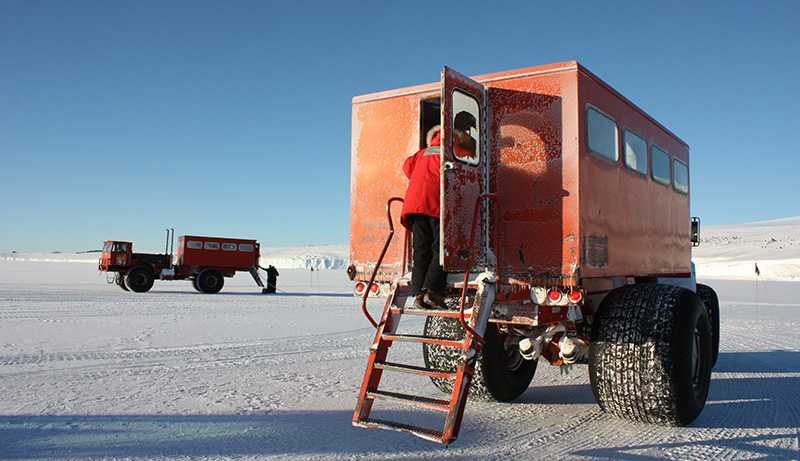
Trucks known as “Deltas” transport people across the icy terrain. Drivers operate from the cab while passengers sit on benches in the back. They have oversized tires to prevent getting stuck in the snow. Photo by Nate Peerbolt.
5. Do you have tips for future Antarctic workers?
Apply! There's a wealth of information about securing jobs in Antarctica now, unlike in the past. You might not succeed on your first attempt, but it’s entirely possible to find work within a couple of years. U.S. citizens have an advantage, as the USAP hires significantly more people than other countries’ programs.
6. What’s the typical cost for a trip to Antarctica for tourists? Any budget tips?
I haven't paid to go, but most travelers take cruises from South America, flying to Chile or Argentina (around $1,000 to $2,000). A typical cruise costs $4,000 to $6,000 per person, plus gear and other expenses, leading to a total of about $7,000 to $10,000 for an Antarctic adventure. However, last-minute cruise deals can drop to around $2,000.
[Antarctica cost update: I've heard average cruise costs reach about $10,000 if booked ahead, with last-minute options from Ushuaia, Argentina, ranging from $5,000 to $7,500. I've even met someone scoring a last-minute deal for just $2,500. While waiting for deals might be necessary, Ushuaia offers plenty of activities. Antarctica is on my travel list for next year, and I'll share updates if I make it there.]
However, working for the USAP lets you bypass these costs. Not only do you get paid, but you also gain invaluable experiences. Want to visit the South Pole? A private company can take you, but expect to pay $40,000 to $60,000. To stay overnight at the South Pole station, you need to work for the USAP. Otherwise, you’ll be camping outside—albeit in a cozy tent.
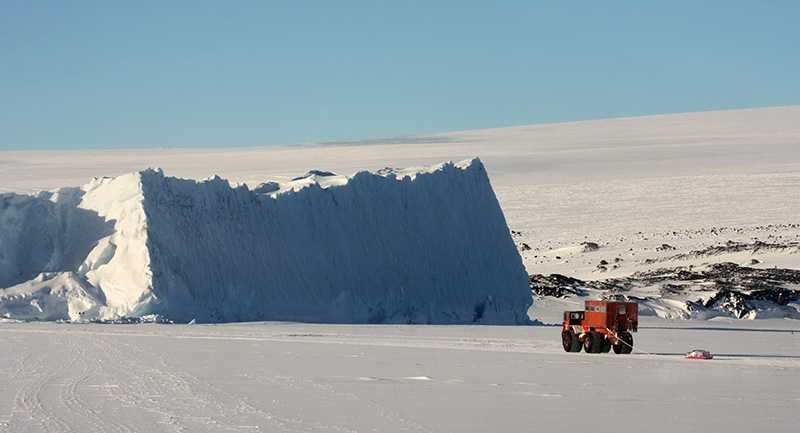
Rush hour in Antarctica. Photo by Nate Peerbolt.
7. What’s a standout memory from your time in Antarctica?
There are countless memorable moments. The entire experience is a highlight. From exploring ice caves and mountain biking to visiting the South Pole and historic huts, engaging in scientific research, performing at an outdoor music festival, polar plunging, flying in military aircraft, and braving -61°F temperatures (not wind-chill), I've done it all, including running a 5K. Yet, these activities can become routine. What I cherish most is the chance to cultivate new habits, learn from diverse individuals, and return as a more developed person.
8. What’s a common misconception about Antarctica?
Some think aliens built pyramids there—just kidding! But many people don’t know much about Antarctica. The most frequent questions I receive are quite basic, and there's often confusion between penguins and polar bears. Remember: Polar Bears = Arctic (North Pole), Penguins = Antarctica (South Pole).
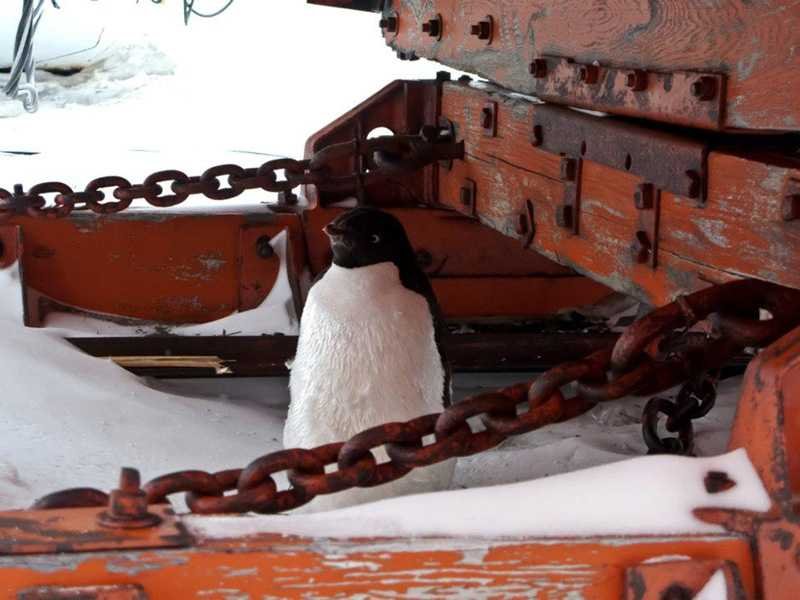
Mark laughs at the myth that Antarctica is home to polar bears. Polar bears reside in the North Pole, while penguins are found in the South Pole. Photo by Nate Peerbolt.
9. What are three essentials you always pack for Antarctica?
A sewing machine, indoor soccer shoes, and a cordless phone.
Life in Antarctica is refreshingly simple. Living on this isolated continent means no cell phones (just pagers!) and slow internet—landline telephones are all we have. With room and board provided, most people don’t need to cook or clean. Work is a short walk from your dorm—everything from the cafeteria to the gym is close by.
Typically, you work nine-hour shifts, six days a week, but you’ll find you have more free time than back home. This allows you to pursue personal projects and recreational activities. Opportunities abound to join clubs, sports leagues, or craft groups, fostering creativity.
10. What’s your next adventure?
Great question! Currently, I’m in Mississippi rebuilding a 38-foot sailboat. I plan to embark on some warm-weather adventures before my next trip to the ice.
__________________________________________
UPCOMING
Top Highlights of 2017
Next week, I’ll summarize the most popular posts and adventures from the year to inspire your travel resolutions for 2018! What are your travel goals for the new year?