
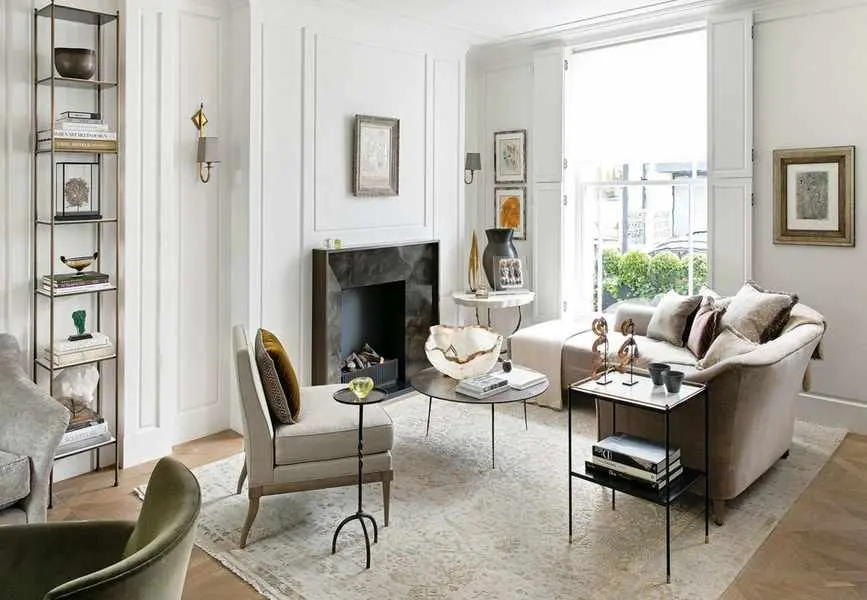
The fireplace serves as a central feature in a living room, where family and friends gather for cozy evenings filled with relaxation and entertainment. It's the heart of the home, providing warmth and a welcoming glow.
"A living room fireplace transcends mere furniture or architectural choice," reflects Monique Tollgard, founder of Tollgard. "Adding a fire to your home is a cherished ritual. The beauty and warmth of a fireplace can profoundly transform a room's ambiance, even when it's not lit.
In the world of living room design, the fireplace becomes not just an accessory but a vital focal point. Finding the right fireplace can elevate a practical space into one imbued with warmth and charm.
Innovative Fireplace Ideas for Your Living Room
Your fireplace design greatly influences the overall feel of a living area, serving as a focal point that can inspire your choice of materials and color schemes. Discover our top fireplace ideas to ignite your creativity and inspire your home design.
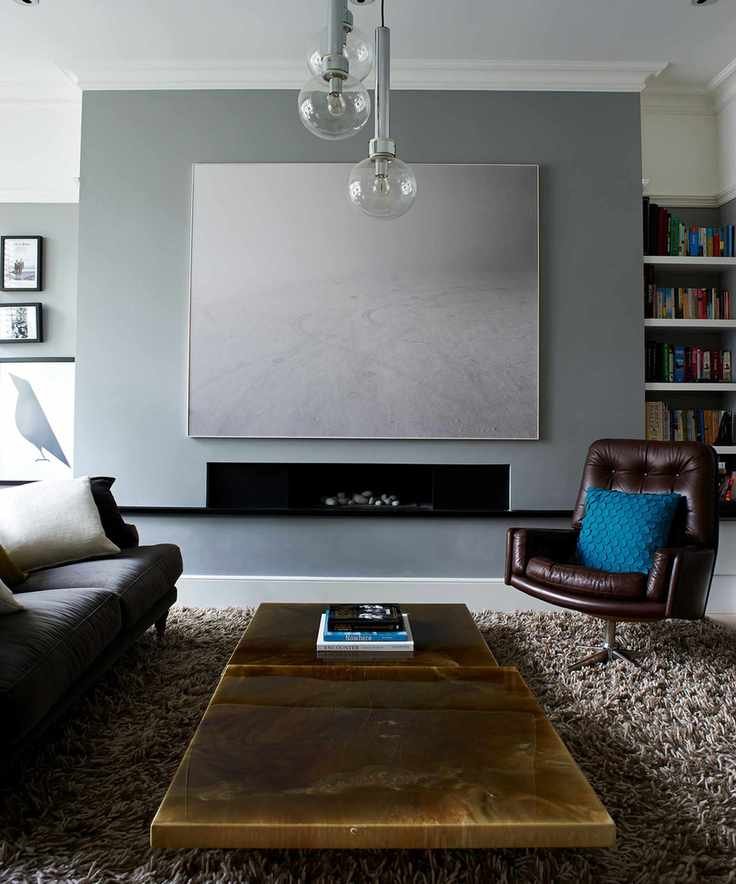
1. Opt for a Low Fireplace Design
Photography/Jonathan Gooch
For a modern aesthetic, consider a low, linear fireplace design. This sleek, horizontal style will resonate with the clean lines of contemporary spaces, seamlessly integrating into your overall decor. Placing it beneath a modern artwork or in a family-friendly living room allows the fireplace to remain the visual anchor.
This option is particularly suitable for minimalist interiors, as the absence of a mantle prevents clutter from accumulating over time.
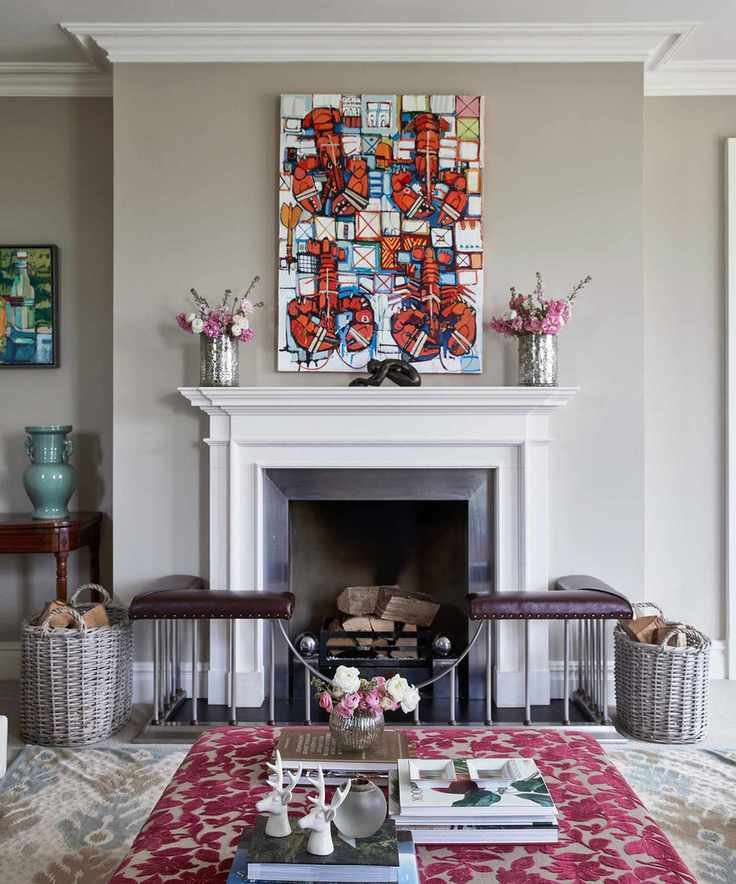
2. Incorporate a Fender in Traditional Settings
Photography/Davide Lovatti
If you prefer a more classic style, consider adding an upholstered fender to your fireplace. This not only helps keep ash contained but can also provide extra seating during gatherings without occupying additional floor space.
A leather covering offers durability, while softer fabrics like velvet can enhance the visual appeal if seating is not the primary function.
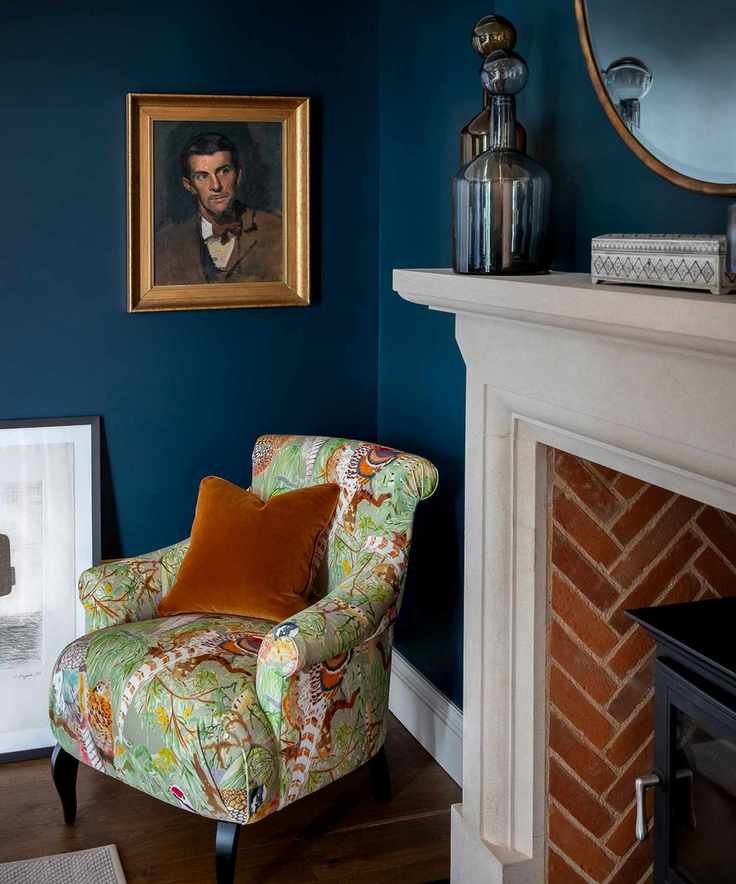
3. Enhance with a Decorative Backplate
Photography/Paul Raeside
The interior of a fireplace is often overlooked, but it's an excellent opportunity to introduce unique patterns and textures. While traditional designs use iron fire backplates, opting for a bold tile design—like herringbone brick—can add stylish visual intrigue without overwhelming a neutral living room.
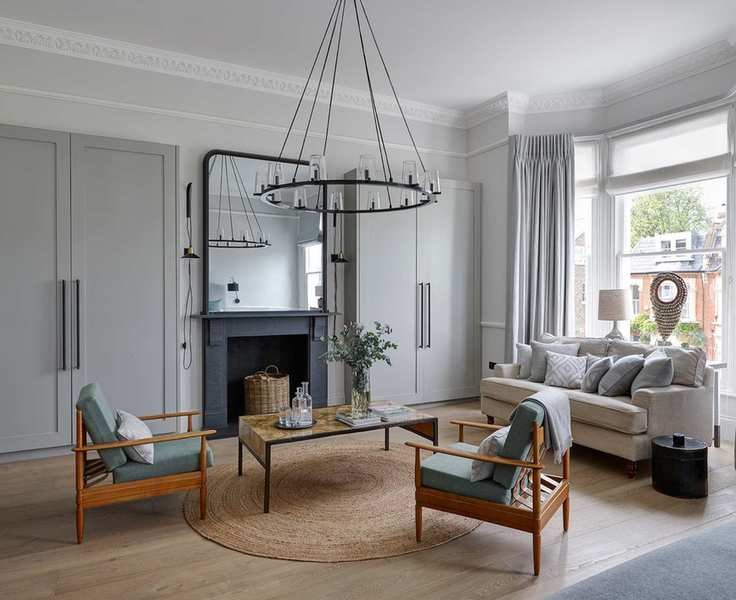
4. Hang a Mirror Above the Fireplace
Photography/Richard Powers
Mirrors above fireplaces are a popular choice, reflecting light and making small living spaces feel more expansive. Instead of simply placing a mirror, consider extending the fireplace material upward to create a cohesive mirror frame that flows naturally from the base. Don't forget to include a mantle for stability and to hold candles.
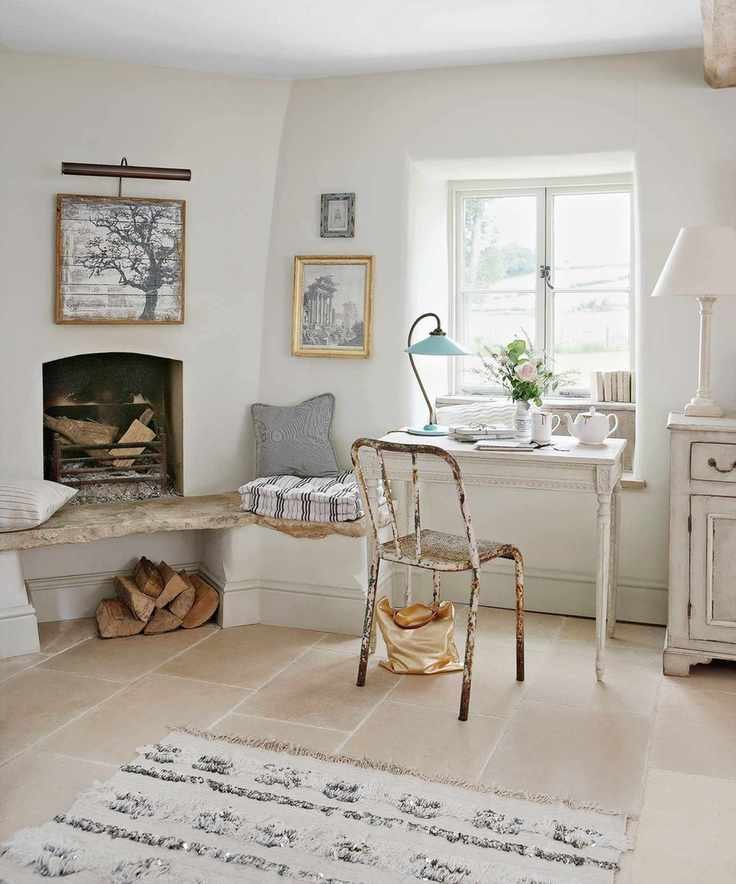
5. Elevate Your Fireplace Design
Photography/Jon Day
Wood-burning fireplaces are typically positioned at ground level, but raising the fireplace can enhance the usability of the space. For instance, incorporating wooden slats can create additional seating. This design is also practical for households with small children or pets.
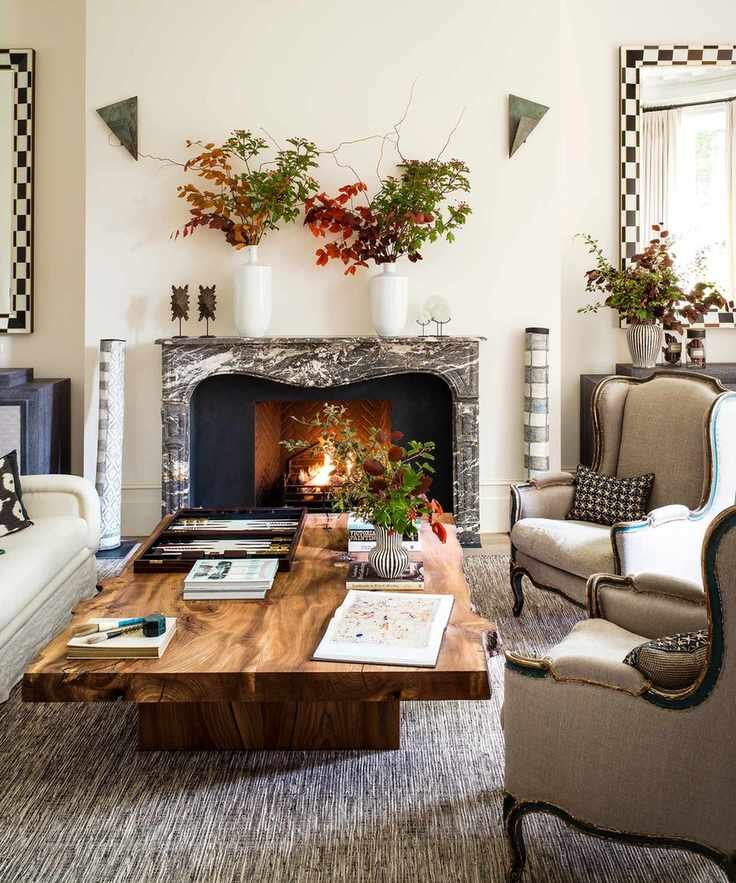
6. Choose a Striking Frame
Photography/Paul Raeside
To ensure your fireplace captures attention, give it an impressive frame. While the surround is crucial, consider how the insert can contribute to the overall look. A dramatic insert that complements the surround—like a dark option that echoes the marble's deeper tones—can enhance the fireplace's presence.
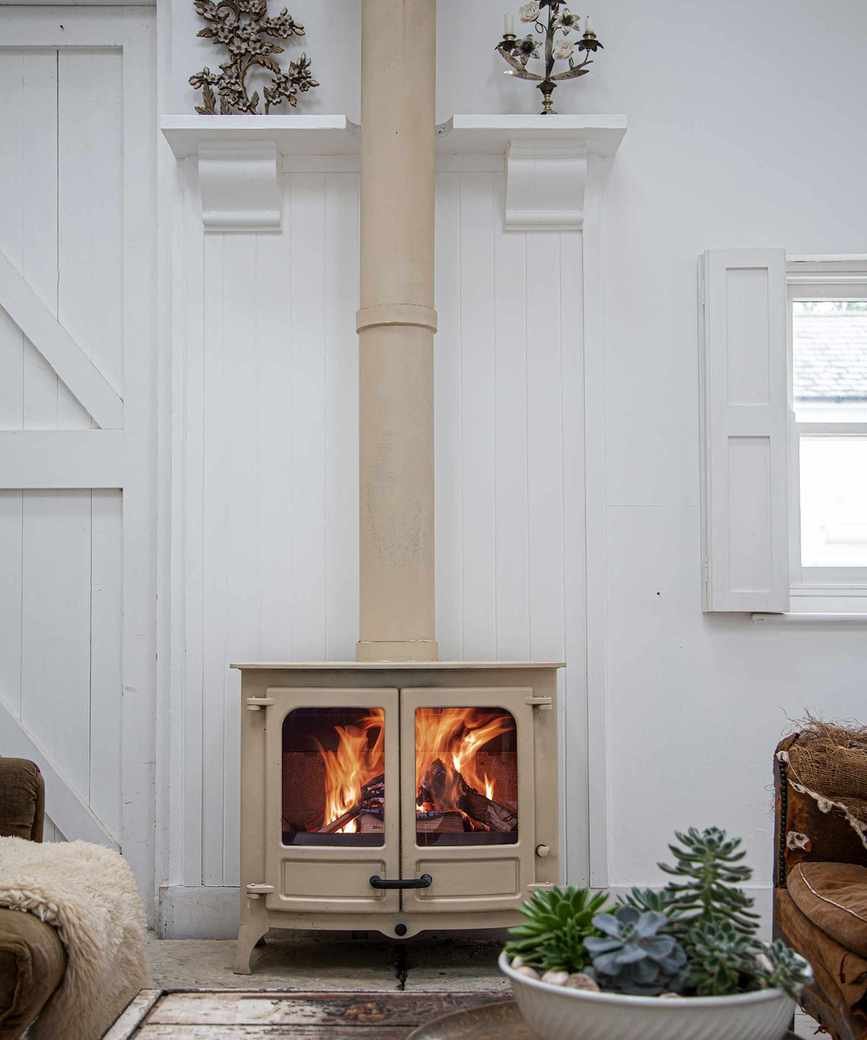
7. Make the Flue a Design Feature
Photography/Charnwood
If your stove requires a flue, consider making it a standout feature. This Charnwood option demonstrates how a visible flue can create a cozy and homey atmosphere. A light color can soften the look, while a monochrome finish would suit a contemporary design.
8. Extend the Surround to the Floor
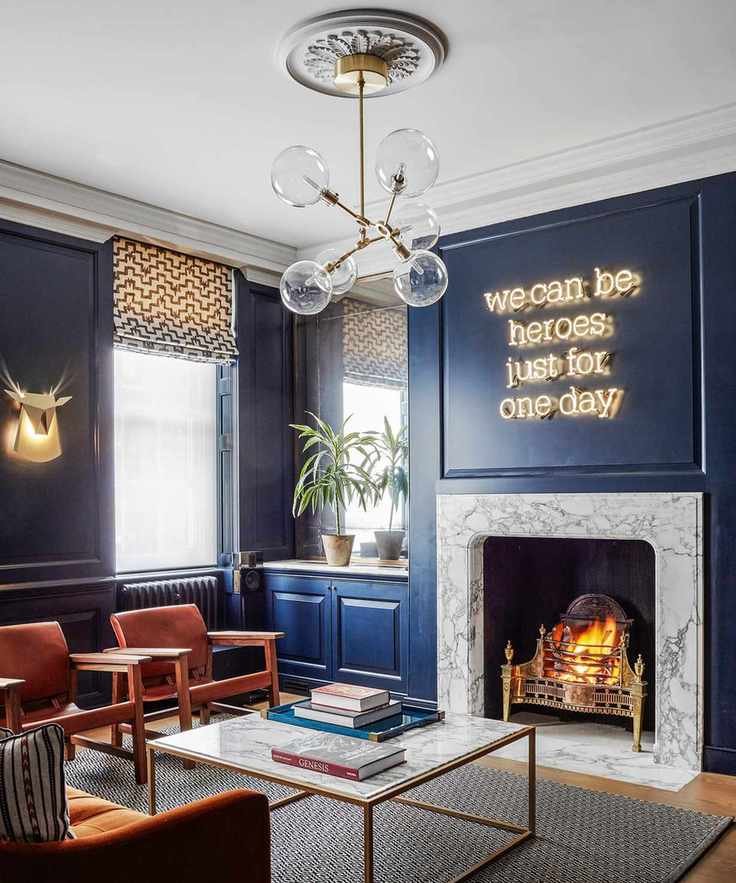
Photography/Brent Darby
For a sophisticated, tailored appearance, consider a bespoke fireplace surround that extends to a matching hearth. Integrating the hearth into wooden flooring can create a modern aesthetic. To balance the hard surfaces, pair with natural textures such as rugs and contemporary furniture.
9. Break Away from Symmetry
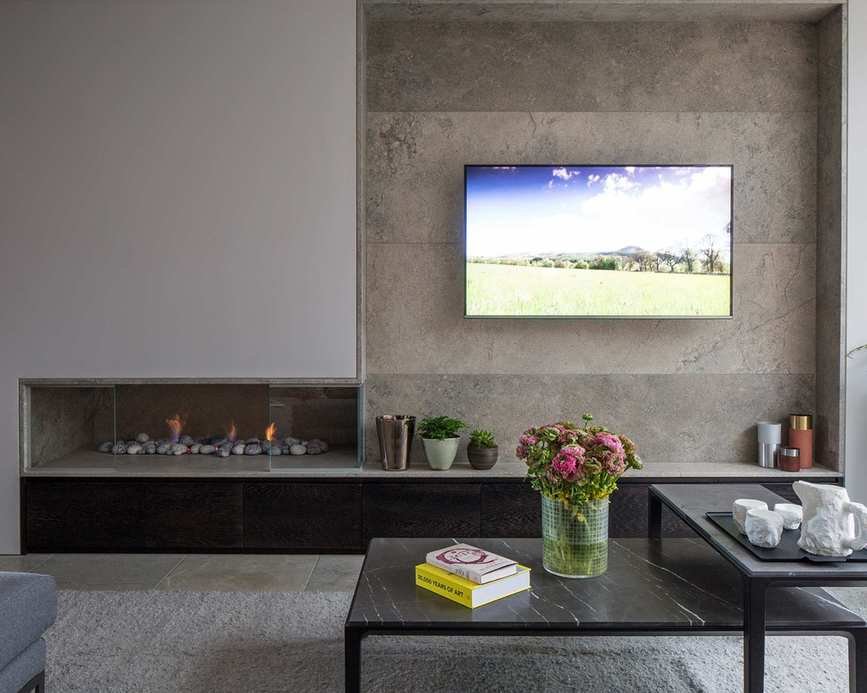
Photography/Tollgard
While symmetry often dictates that fireplaces should be centered, that's not a strict rule. In this design by Tollgard, the fireplace's L-shape extension from the wall housing the TV adds visual interest. This arrangement not only enhances the room's design but also allows for a more engaging experience when lit.
10. Go for Rustic Charm in a Country Setting
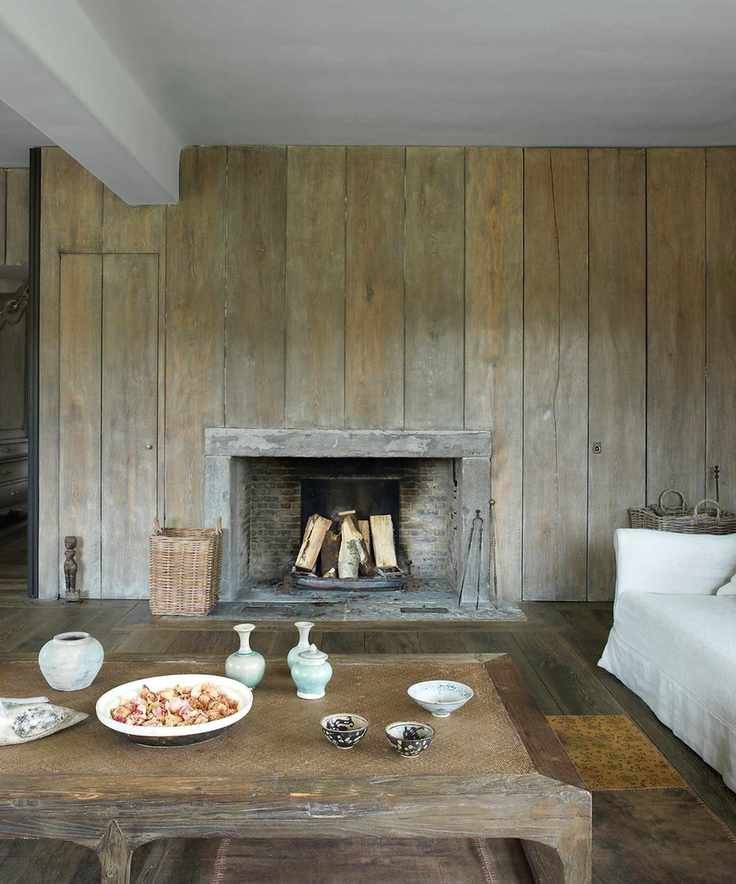
Photography/Mark Luscombe Whyte
For a rustic feel, opt for reclaimed wooden boards and a simple stone fireplace surround. This design evokes nostalgia and simplicity, perfect for a country living room. Although sourcing reclaimed wood may take extra effort, its eco-friendly nature and unique patina are worth it.
Choosing the Right Fireplace
Given their emotional significance, selecting a fireplace that resonates with your style is crucial. However, there are practical considerations to keep in mind.
"Think of your stove as functional furniture for heating," suggests Cedric Wells, Creative Director of Charnwood. "A stove is an investment that should last for years, so prioritize a timeless style that won't go out of fashion."
Size is also important. "It's essential to choose a stove with the right output for your room size," Cedric explains. "A smaller stove that runs efficiently is better than a larger one that generates excessive heat, forcing you to open doors and windows."
Maintaining Your Fireplace
Once you've selected the ideal fireplace, maintaining it is key to ensuring longevity and performance.
"Spring and summer are perfect for maintenance and prepping your stove for winter," advises Vicky Naylor, General Manager at ACR Stoves. "Don't forget to have your chimney cleaned to remove any blockages or soot buildup, and check door seals for wear and tear."
Michael Coke, Senior Development Engineer at Stovax, emphasizes that chimneys also need upkeep. "Your chimney must allow combustion gases to exit properly. Over time, soot and debris can accumulate, reducing efficiency and increasing fire risk."
"If you burn wood, ensure your chimney is swept at least twice a year; for multi-fuel stoves, once a year is usually sufficient," Michael adds. "It's also crucial to have your stove serviced by a qualified professional for optimal performance."
For gas stoves, Alex Sheldon, Development Manager at Gazco, advises annual safety checks by a registered gas engineer. You can find qualified professionals on the Gas Safe website.
For electric fireplaces, maintenance is simple and typically involves dusting and cleaning accessible air inlets to ensure efficient heat output.
Gas vs. Wood Fireplaces: Which is Better?
There are four main types of fireplaces: wood-burning, gas-burning, ethanol-burning, and electric, each with its pros and cons. "Consider local smoke control regulations when choosing your fireplace," suggests Jack Drew from Gazco.
Wood for open fires or stoves must be stored dry. Cedric notes that a wood-burning stove also offers independence from energy utilities, ensuring warmth even during supply disruptions.
Gas fireplaces are low-maintenance and known for efficient heating. As they don't require a chimney, they can be installed in various locations, provided a balanced flue is available. Their temperature control features make them user-friendly, with options for remote or smart controls.
Ethanol fireplaces are increasingly popular in modern designs, though they may not produce as much heat as gas models.
Electric fireplaces are the most economical to purchase and operate. With the shift towards renewable energy, interest in electric models is expected to rise. They also allow you to enjoy the flame effect without the heat, making them a versatile feature year-round.



