Want to kickstart your meal prepping for work? Here are 10 practical tips that’ll help you save cash and maintain a healthy lifestyle.
If you’ve been putting off your New Year’s resolutions, March might be the perfect time for a fresh start. Were you hoping to cut down on take-out or incorporate more whole foods into your meals? March 10 is National Pack Your Lunch Day! Did you know that existed?
We’re sharing meal prepping strategies to simplify your lunch planning and inspire your culinary creativity. Beyond saving money, meal prepping ensures you know exactly what’s in your meals and alleviates the daily lunch decision-making stress.
For those new to meal prepping, start with small batches to find what suits you best, then expand your options. Here’s how to begin.
Choose the Right Containers
Invest in affordable glass containers with airtight lids, like Pyrex containers or bento boxes that are microwave-safe. Alternatively, grab some Mason jars if you have them lying around.
Keep It Simple
Avoid overcomplicating the planning process. Stick to straightforward recipes, suggests Rima Kleiner, a licensed dietitian. “Just decide whether you want a salad for a few days and a sandwich for the rest,” she advises. Keep things varied each week.
Stock Up on Healthy Staples
Having a selection of staples ready is crucial for effective meal prepping. “Buy what you enjoy and purchase in bulk when you can,” recommends Barbara Bolotte, founder of a meal prep service.
In your pantry, consider whole grains like quinoa or bulgur, canned proteins like tuna or salmon, and high-fiber foods such as beans, nuts, and seeds. For quick snacks, keep fruits like apples, grapes, and leafy greens in the fridge. The freezer is great for storing frozen veggies, fruits, proteins, and breads.
Pre-Prep Ingredients the Night Before
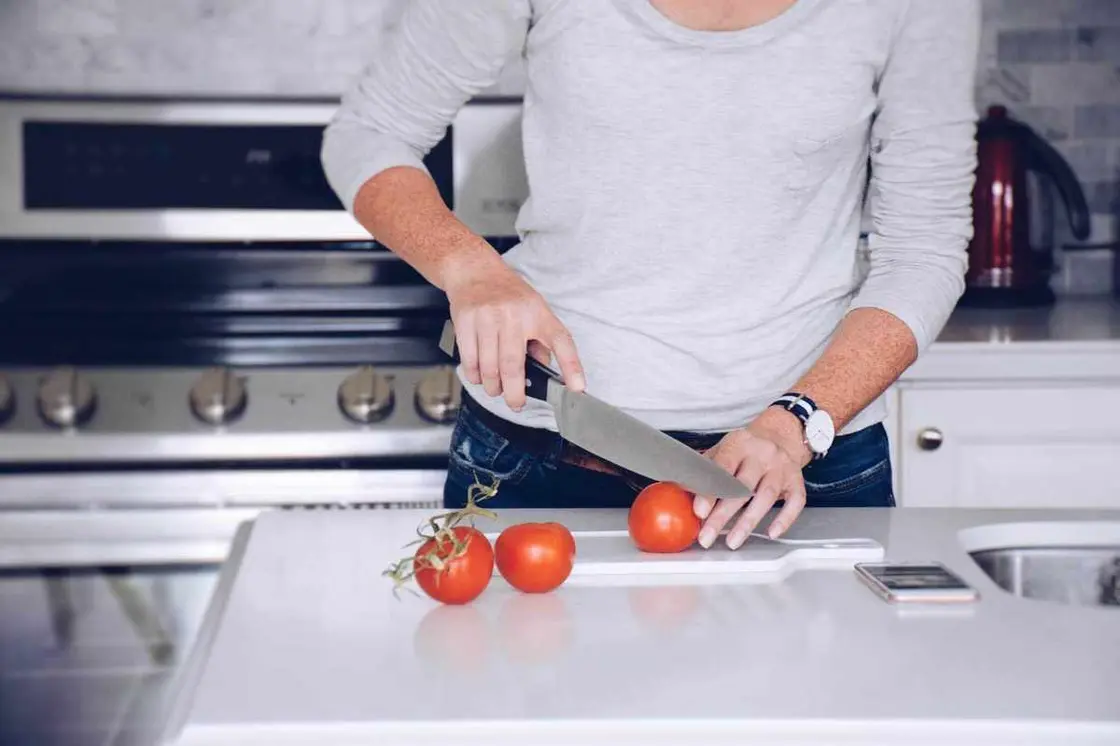
Prepare certain ingredients ahead of time. This can include cooking enough eggs for the week, chopping various vegetables, or roasting chicken alongside veggies. Bolotte suggests baking sliced vegetables like bell peppers and zucchini with chicken, then topping them with hummus or tzatziki when serving.
Make a Soup for the Week
Soup is a fantastic base for lunches. Portion it into glass containers or jars. There are countless recipes to explore. Try Kleiner’s cod and corn chowder, homemade chili, chicken tortilla soup, or minestrone.
Experiment with Mason Jar Salads
For a jar salad, layering is essential, but you can customize it each week. Start with dressing at the bottom, followed by sturdy veggies, proteins, grains, and finish with greens to keep them fresh. At work, you can either shake it up in the jar or transfer it to a bowl.
Consider Grain Bowls
Grain bowls are a twist on jar salads. Use your favorite whole grain, leafy greens, avocado, and proteins like smoked salmon or chicken, topped with a flavorful sauce. Look up recipes for inspiration like this Greek chicken grain bowl.
Try a Bento Box
If you want variety, a bento box filled with veggies and protein is a great choice. Kleiner suggests including boiled eggs, tuna salad, veggie sticks, nuts, and fruit.
Wrap It Up
Skip the processed meats. A whole grain tortilla filled with roasted veggies and a zesty sauce makes a delicious lunch. Check out these ideas for the best wraps that include flavorful condiments and fresh herbs.
Prepare Sauces in Advance
Wraps and grain bowls shine with a great sauce. While store-bought options are convenient, making your own can be just as easy. Explore these five sauce recipes for tasty options.
Use Dinner Leftovers for Lunch
Leftover dinner is an effortless lunch option. When cooking dinner, prepare extra with lunch in mind. It’s quicker to make a few more servings than to pack lunch from scratch.
For more Mason jar ideas, check out Taylor Swinson’s blog, which features meal prep tips and inspiring food photography.
Ready to try meal prepping? If it doesn’t work out, you can always revert to sandwiches. But you might discover it’s just the fresh approach your lunches need.