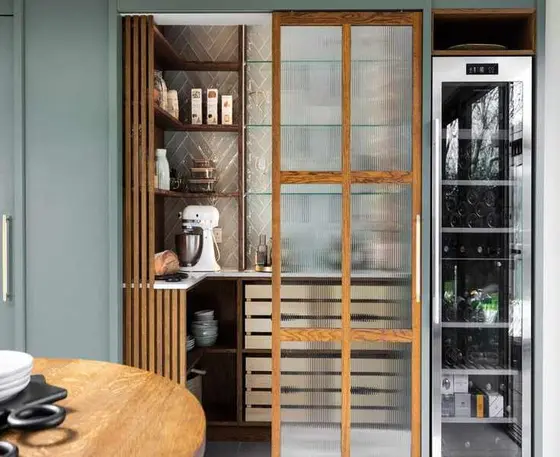
Keeping a small kitchen organized without a pantry calls for some thoughtful planning to maintain order and minimize clutter. While jamming cans and jars into every available space might seem like the simplest solution, it's not the best approach.
True, a spacious pantry would simplify the organization of a small kitchen, but lacking one doesn't mean you can't implement clever storage solutions. By getting creative with your kitchen layout and employing innovative storage techniques, you can achieve similar benefits, just on a smaller scale.
'When working in a compact kitchen, efficient storage becomes critical,' says George Forsyth, Director of Drew Forsyth & Co.. From wide drawers to pull-out shelves replacing traditional cupboard designs, even the most modest kitchens can be organized effectively with some smart strategies.
Strategies for Organizing a Small Kitchen Without a Pantry
We reached out to experts for their top recommendations on how to maximize space in a small kitchen without a pantry. Below are their best tips for decluttering and organizing your space efficiently.
When managing a kitchen without a pantry, establishing a well-organized food storage system is essential. Regardless of where you choose to store your staples—be it in cabinets, drawers, or elsewhere—a solid structure, regular decluttering, and some clever storage ideas can significantly enhance the functionality and tidiness of your kitchen.
1. Be Ruthless About Decluttering
Starting with decluttering is crucial for organizing a small kitchen without a pantry—you can't afford to waste valuable storage on items you don't really use. Examine every tin, packet, jar, and bottle, and dispose of anything that is expired or unlikely to be used (make sure to recycle or donate whenever possible). Extend this process to other kitchen tools as well.
'When decluttering, it's important to evaluate each item and determine its necessity,' advises professional organizer Laura Price from The Home Organization. 'Unless you're frequently preparing large meals, you might be surprised by how few items you actually need for a functional kitchen.' It's about letting go of the rarely used gadgets and focusing on essential tools,' she adds.
Craig Hoareau, an APDO member and owner of A Tidy Mind London, concurs, suggesting the use of collapsible tools like bowls and cutting boards that can be stored flat when not in use, which allows for more efficient storage of other items.

Laura Price is dedicated to helping others enjoy the advantages of an organized life, realizing that an orderly home brings peace, especially while raising three children. This inspired her to create The Home Organisation, a team of professional organizers.
2. Designate a 'Pantry' Cabinet
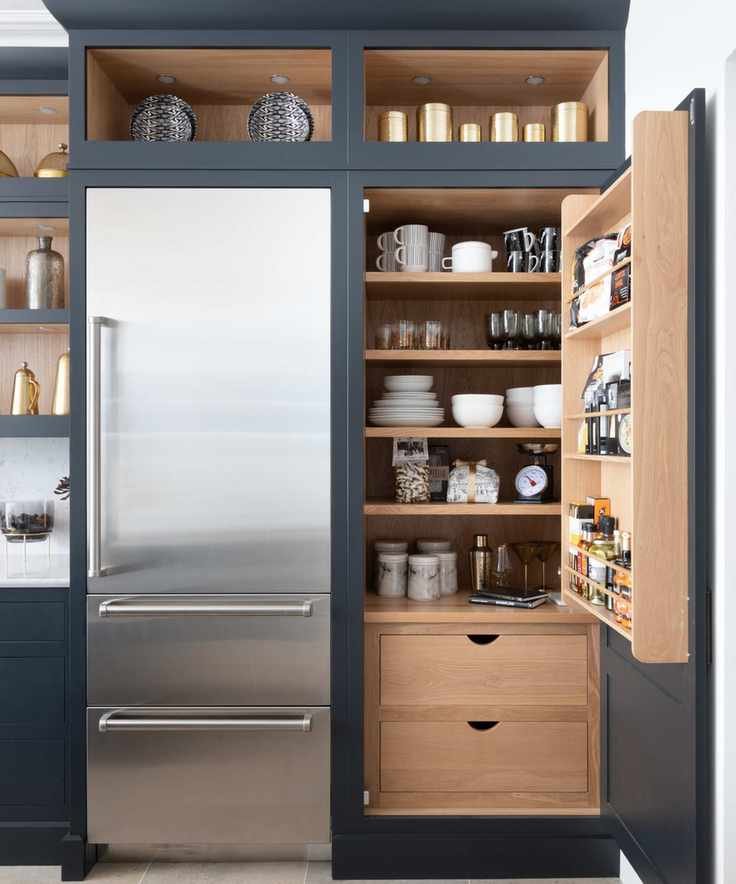
If your small kitchen lacks a pantry, it's likely equipped with cabinets, so consider dedicating one or two of these to food storage. Utilizing pantry organizers can maximize their efficiency. Start by listing what items you intend to store. You might want to buy door racks or a Lazy Susan from Target; they're excellent space-savers for jars, tins, and bottles, while pull-out shelves are ideal for pots, pans, and small appliances.
'When creating pantry-style storage, slide-out shelving systems are invaluable,' explains Ann Lightfoot, co-founder of Done & Done Home. 'Often, food items expire because they get pushed to the back of a cupboard without being noticed! For higher shelves, we recommend long bins available on Amazon that can be pulled out and placed on a counter, similar to a removable drawer.
3. Utilize Drawers Instead
If your cabinets are already overflowing, consider using drawers instead. Learning how to organize kitchen drawers effectively can maximize the space available. Assess the sizes of your drawers and allocate them accordingly. Slim drawers are perfect for tea towels, table linens, and spices, while deeper ones can accommodate larger items like decanted dried foods and small appliances.
4. Store Vegetables in Baskets
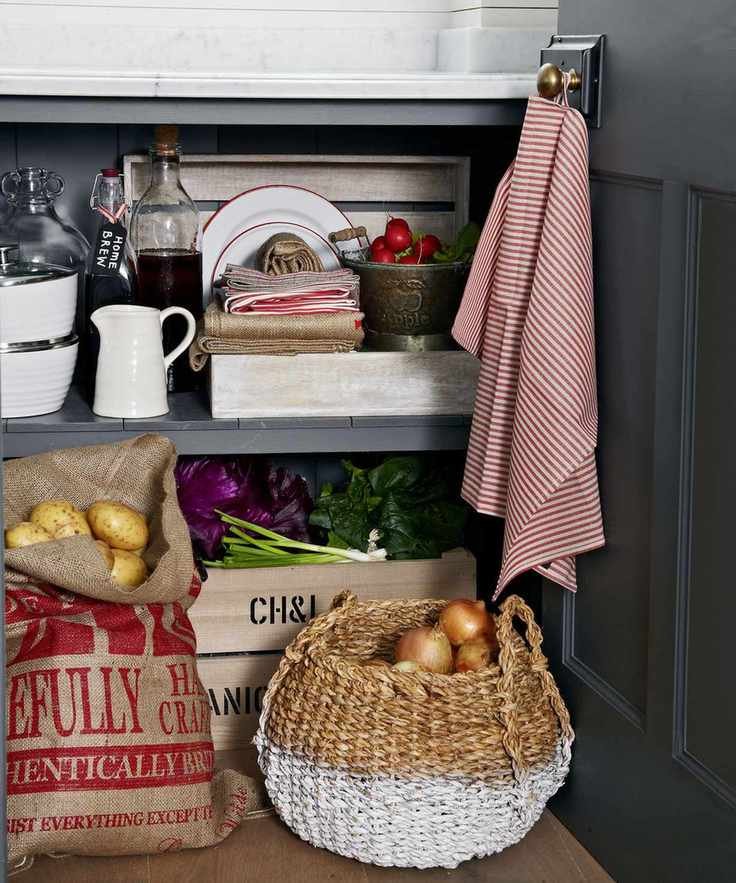
Many chefs recognize that fruits and vegetables last longer outside the fridge. If you don't have a pantry, you'll need to be resourceful. For items that shouldn't be refrigerated, wooden, crate-style drawers that slide into open cabinet shelves will keep them fresh and well-ventilated. If your shelves are already full, an open wicker basket will do just as well. Placed neatly on the floor, it looks stylish and lets you see what you need to restock.
5. Make Use of Cabinet Tops
If you had ample pantry shelves, you would certainly store everything behind closed doors. However, for now, it's perfectly fine to place less frequently used items atop kitchen cabinets, freeing up space for everyday essentials.
Using decorative baskets—preferably with lids—will keep your items organized and protected while also adding an appealing touch to your kitchen. If you're storing linens, consider using air-tight containers from Amazon to prevent odors from contaminating the fabric.
Keep in mind that placing items on top of the refrigerator is not advisable. The heat released from the fridge can damage your items, and it may also increase your energy consumption.
6. Compromise Countertop Space (If Necessary)
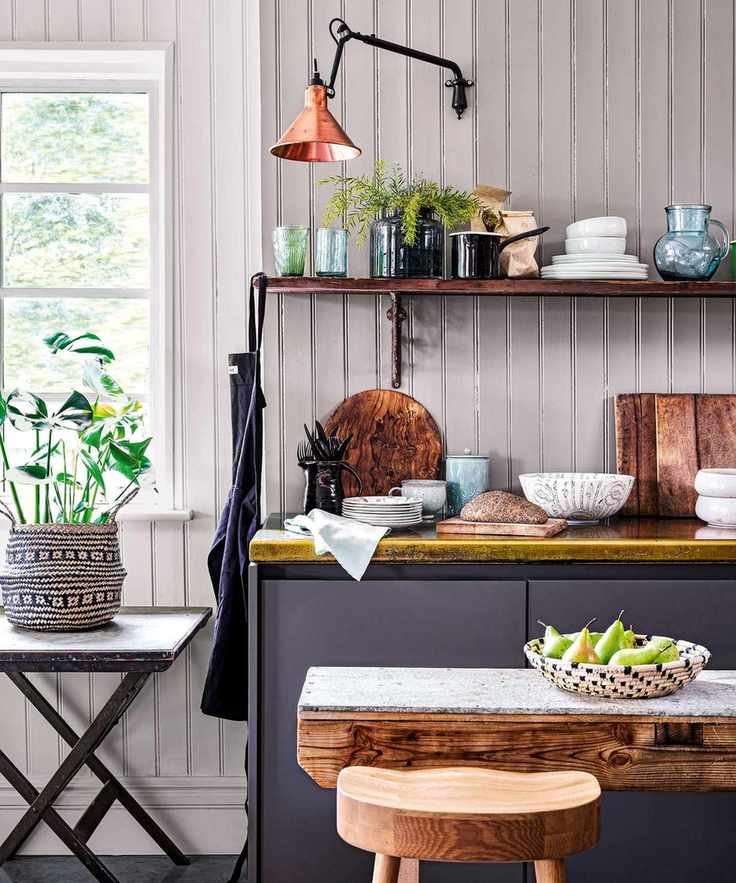
Ideally, countertops would remain clear, but let's face it—organizing a small kitchen without a pantry often requires some trade-offs. While it's not ideal to have open bags of flour or cereal boxes lying around, a few stylish canisters for frequently used pantry items can be beneficial.
When using countertops for storage, it's vital to master countertop decluttering techniques to maintain organization. You can utilize compact storage solutions, leading some professional organizers to suggest including well-known makeup storage options in smaller kitchens.
7. Find a Home for Spices
If you love cooking and have a variety of spices, organizing them can be a challenge in a small kitchen without a pantry. Fortunately, the compact size of spice jars allows them to fit into seldom-used spaces effectively.
'One great way to save space in a small kitchen is to use pull-out drawers for spices. This not only maximizes space but also simplifies access. For a more discreet solution, rolling spice racks from Walmart can fit neatly under counters or cabinets for easy access,' explains Andra DelMonico, lead interior designer at Trendey.
Ann Lightfoot also recommends using matching square glass containers from Target. 'They not only look appealing but also stack neatly, creating additional space. If you prefer to conceal spices, consider expandable step shelves or risers, allowing you to see items at the back while utilizing the space underneath as well.'
8. Ditch Bulky Packaging and Use Clear Containers
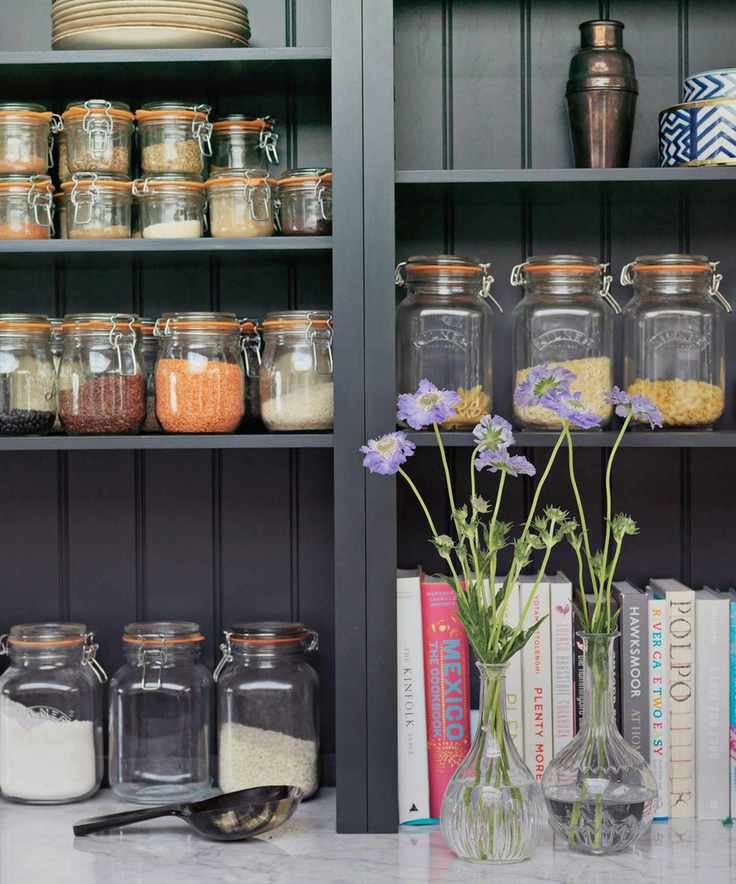
Eliminating bulky packaging whenever possible is an excellent space-saving strategy. Transferring ingredients into neat, airtight containers helps keep them fresh. Choosing clear containers makes it easier to find what you need and allows you to see when you're running low on essentials.
'When short on pantry space, maximizing every inch is essential; utilize the full height of your shelves with square, stackable canisters. Calculate how many containers will fit in your cabinets, and keep that in mind while shopping. If you buy more food than your cabinets can accommodate, overspill is inevitable, leading to a cluttered kitchen,' notes Laura Price.
Organize items by type and label them with expiration dates for easy identification. If you're incorporating dry ingredients into a kitchen shelving solution, consider aesthetics; mason jars are both functional and visually appealing when filled with nuts, sugar, flour, and coffee.
9. Add Portable Storage Solutions
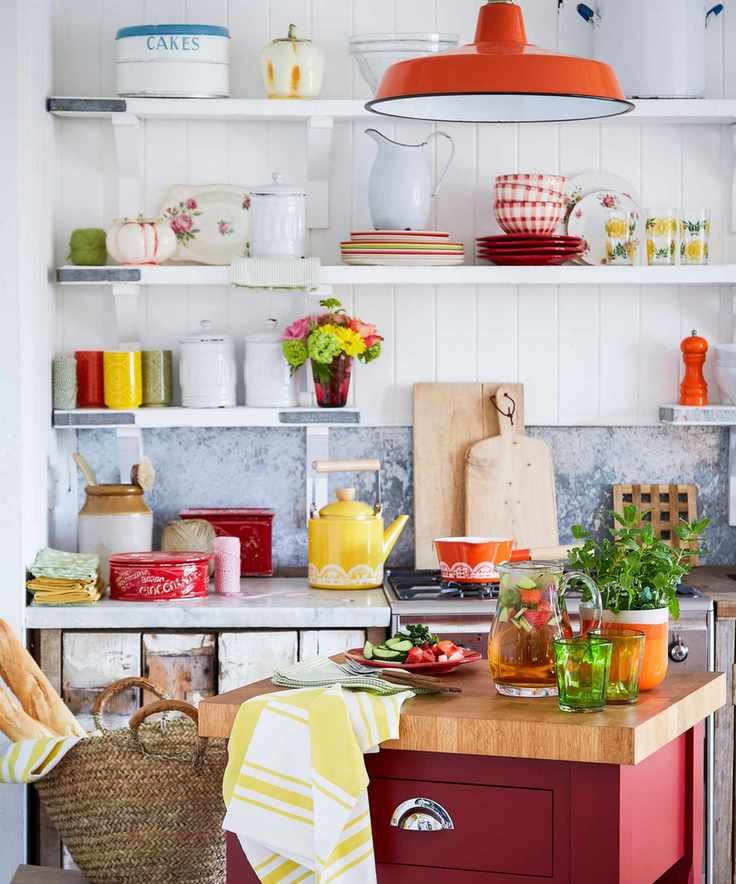
'A rolling kitchen cart or island can significantly boost storage while providing an additional surface for food preparation, especially in smaller kitchens. Look for options that combine drawers, shelves, and racks to optimize storage for various pantry items,' advises Louie Lavec, lead interior designer for All Barndominium Plans.
10. Steer Clear of Bulk Purchases
Without ample storage space, it's essential to be mindful of how much you buy at the store to prevent clutter from accumulating.
'While saving money on frequently used items is great, if you lack storage space, your kitchen can quickly become chaotic. Understanding how much can fit into your kitchen is crucial for maintaining order,' suggests Laura Price.
FAQs
What Can I Use Instead of a Pantry?
While it may not be the expansive walk-in pantry of your dreams, there are various ways to create pantry-style storage without sacrificing floor space. With the right organizers, a kitchen cabinet can effectively store cans, jars, and dry goods, as can a deep drawer if available.
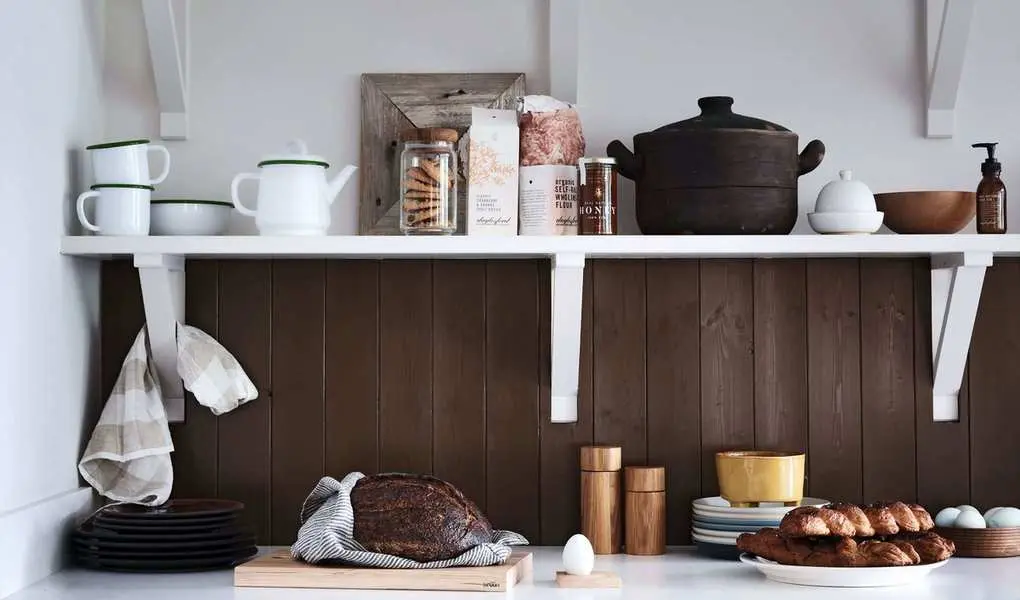
Open shelving can showcase stylish food canisters, cookbooks, and dishware, while hooks and racks are perfect for hanging utensils, dish towels, and aprons, freeing up cabinet space for less attractive items. Keeping it tidy allows you to add personality and style to your small kitchen through these visible storage solutions.
If your budget allows for custom solutions, explore unused alcoves that can be transformed into valuable storage, like the narrow spaces next to your fridge or oven. You might also consider adding pull-down shelves beneath cabinets for spices or using customized corner cabinets with pull-out options.
In conclusion, while every kitchen requires space for pantry essentials, remember that you don't need a traditional pantry to achieve this. With a bit of creativity, even the smallest kitchens can be organized and functional.