Transforming your dresser, especially when it’s filled to the brim, can feel like a huge task. However, with some smart strategies, you can easily create an organized and stylish system.
Keeping your dresser drawers tidy not only organizes your bedroom but also streamlines your morning routine. By investing time now, you can eliminate chaos, save time, and reduce stress—all while avoiding unnecessary ironing.
We’ve outlined a practical approach, featuring expert advice to help you organize your dresser effortlessly.
Organizing Your Dresser
Start by emptying all the drawers to gauge the available space and assess what you need. This also allows you to clean the drawers thoroughly and replace liners if you use them.
1. Clear the Clutter

Before restocking your dresser, evaluate each item. If you consistently reach for the same few pairs of socks out of many, it’s time to declutter. This principle applies to all clothing items.
“Create four piles: ‘keep’, ‘discard’, ‘recycle’, and ‘donate’,” suggests Kelly Hemingway, a professional organizer. “To determine if an item is worth keeping, ask yourself: do you use it? Do you love it? Does it add value to your life? If yes, keep it.”
2. Group Similar Items Together
Once your ‘keep’ pile is sorted, start categorizing your items. This is crucial for effective organization, especially with the diverse items typically found in dresser drawers.
Categorization can be based on garment type—like undergarments, loungewear, and t-shirts—or by purpose, such as work, casual, or formal wear. Consider grouping items you frequently use together.
“For any stray socks, store the odd ones in a box near the dryer. Pair them as you find matches, or toss them after a few weeks if they remain unmatched,” Kelly adds.
3. Assign a Unique Purpose for Each Drawer
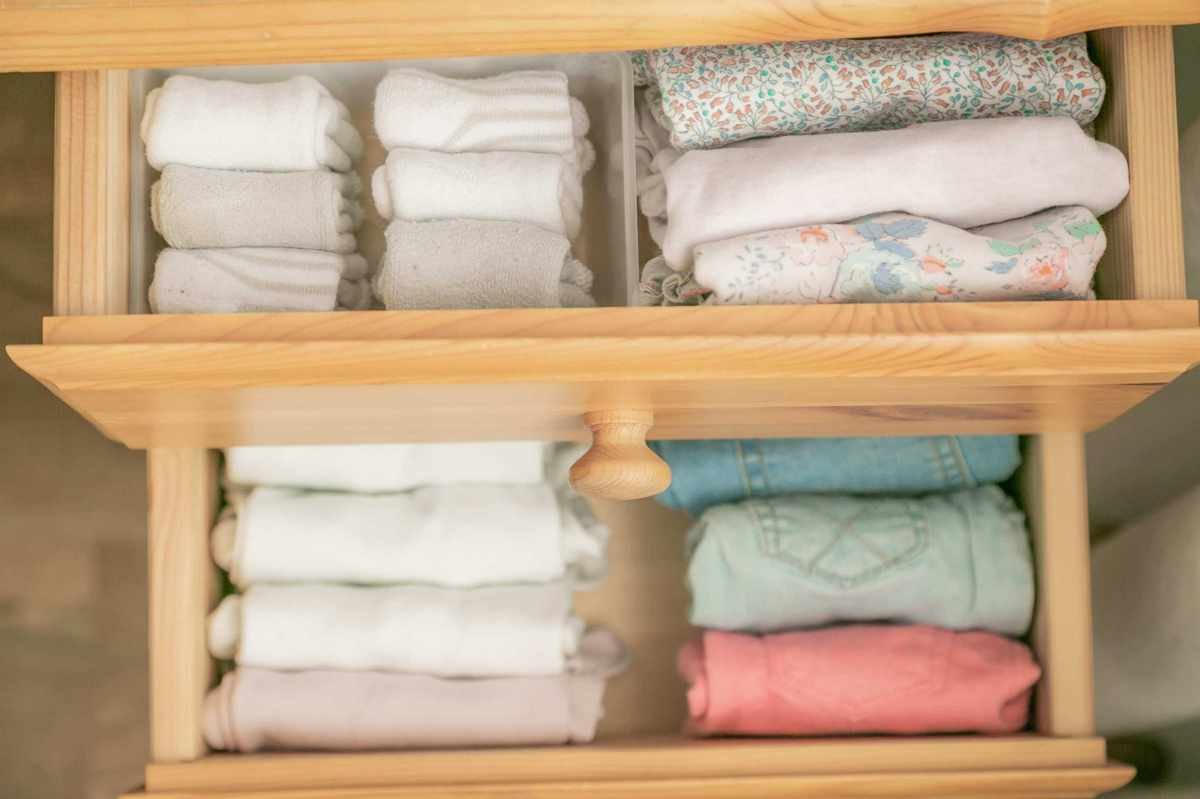
Designate a single category for each drawer to simplify finding items, which also helps maintain a neat appearance. If space is limited, it’s acceptable to combine categories, but ensure they make sense together.
For instance, keep underwear, socks, and bras in one drawer, or group jewelry and cosmetics together. This reduces the need to sift through multiple drawers.
4. Organize by Frequency of Use
When deciding drawer contents, prioritize items you use regularly, keeping them within easy reach. Higher drawers work best for frequently used items, while lesser-used pieces can go in lower, less accessible drawers.
“Consider whether you have unused storage options in your bedroom, such as nightstand drawers or under-bed storage,” suggests Alexandra, an interior designer.
5. Determine What to Fold
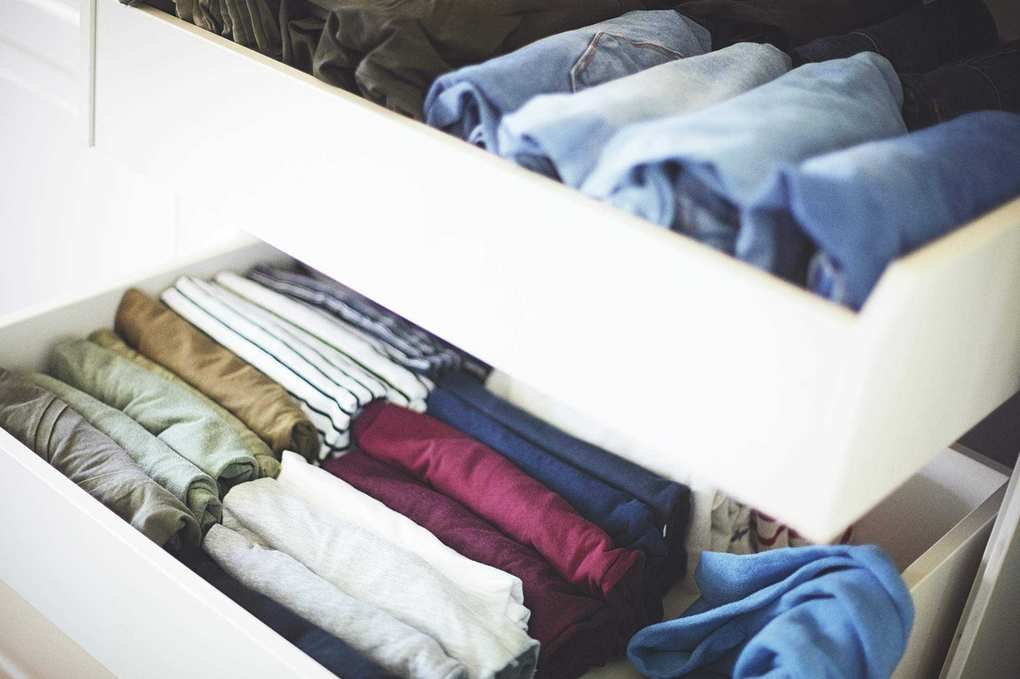
Most clothing is better suited for folding rather than hanging, but bulky items like sweaters and jeans should not clutter drawers. Ideally, reserve dresser space for smaller items such as t-shirts and socks to maximize overall space.
6. Keep to a Single Layer
While cramming drawers may seem tempting, it hampers organization. Even the best-organized drawers can become chaotic if you have to dig for items.
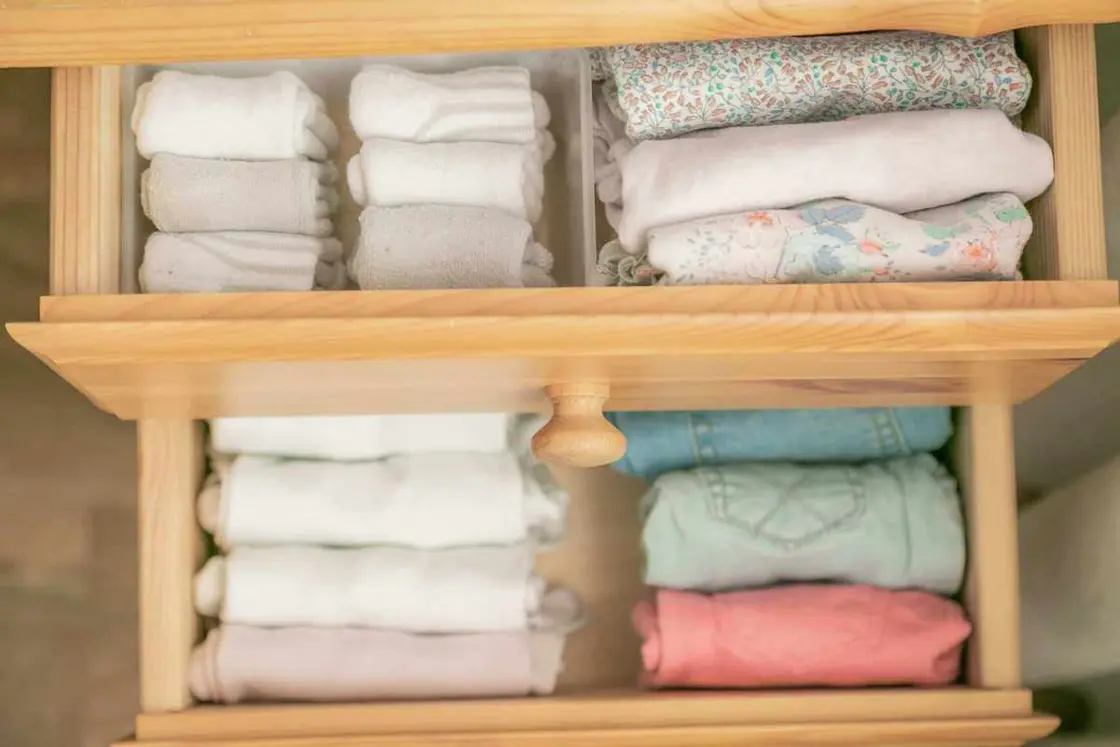
Implement the Marie Kondo-inspired ‘file and fold’ method: store items vertically like papers in a file cabinet. This approach not only saves space but also lets you see everything at a glance. Group similar items with dividers and consider organizing by color.
7. Literally Sort Your Drawers
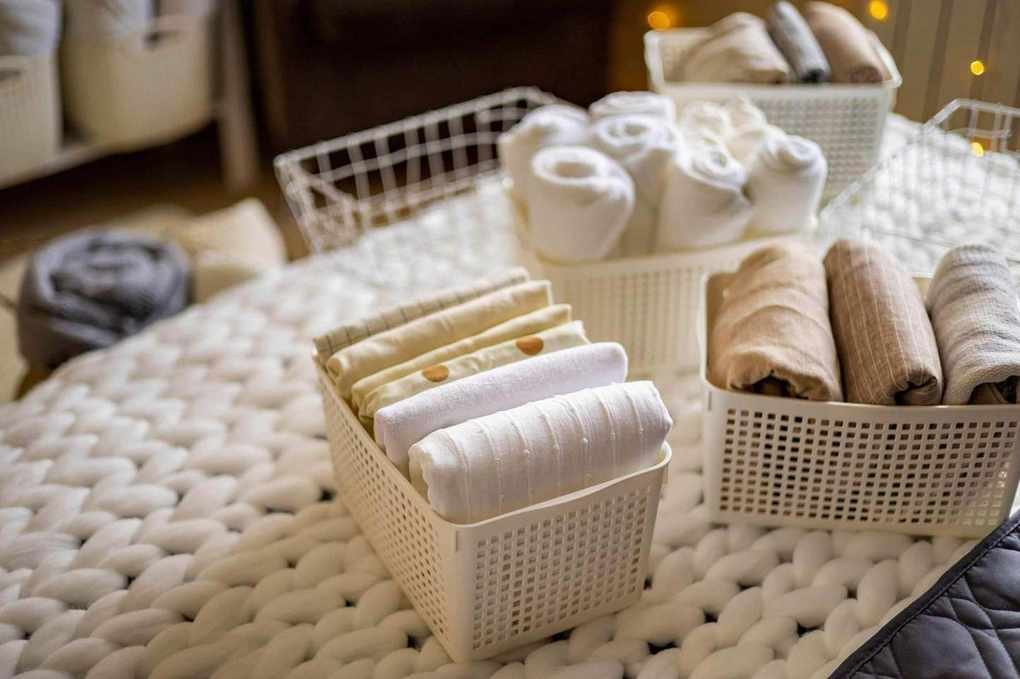
Underwear can be challenging to store, but dresser drawers are ideal. Combine organization techniques with suitable storage ideas. Many organizers offer designated sections for underwear, bras, and socks.
“Roll your underwear Marie Kondo style,” suggests Brenda Scott, a professional organizer. “For bras, stack them horizontally if space permits. Roll socks tightly to retain their shape.”
To keep everything organized, place frequently used items at the front and less-used pieces at the back.
8. Divide to Conquer
Even the best organization efforts can falter without drawer dividers. Designated spaces help you find and replace items without rummaging.
Store-bought dividers are a budget-friendly option and can be adjusted over time. Measure your drawer space to ensure you maximize efficiency. Cloth containers are also effective but remember to use the file and fold method for easy access.
“For organizing jewelry in drawers, utilize dividers or bespoke organizers to separate pieces into categories, streamlining access,” Emma George advises.
9. Keep the Dresser Top Organized
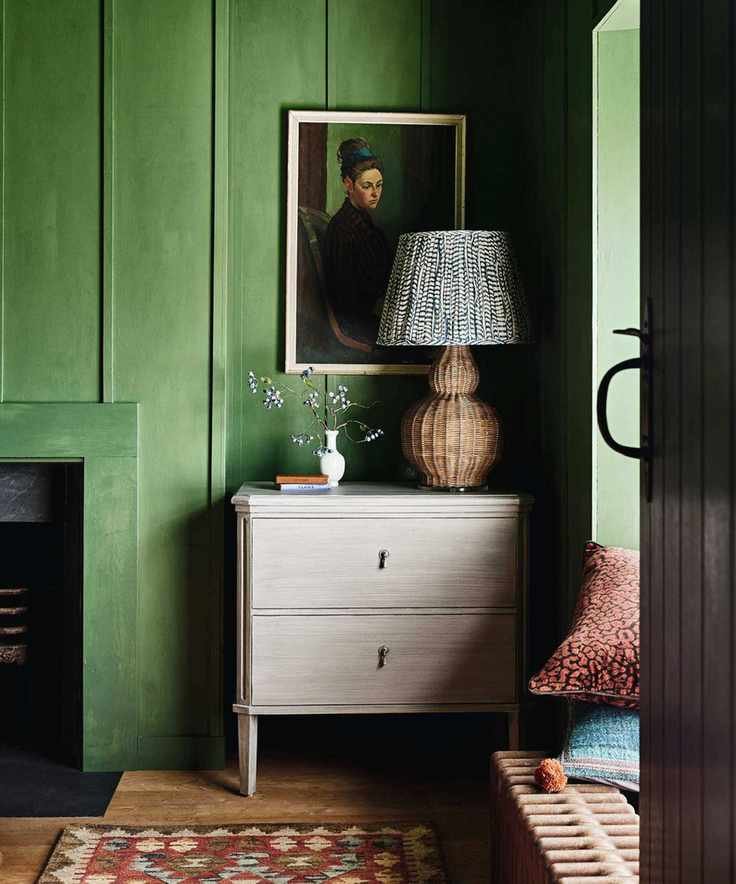
Surface areas like the top of your dresser should be kept clear of clutter. While it can serve storage purposes, limit it to essentials and use stylish baskets to contain smaller items.
“Add decorative elements like books or candles, and create a system for everyday items, such as a dish for jewelry or makeup,” suggests Christina Giaquinto, a professional organizer.
10. Maintain Your Organization
Whatever system you choose, ensure it’s one you can stick with to avoid reverting to chaos. It’s vital to find a method that fits your lifestyle.
Instead of carelessly tossing clothes back in the drawer, take a moment to refold and return them to their designated space. You’ll appreciate the effort when you don’t need to hunt for an iron at the last minute!
What Goes in Each Drawer?
Your drawer contents will depend on what you’re storing. Start by categorizing your items, and ideally assign a drawer to each category—one for t-shirts, another for pants, and so forth.
If space is tight, it’s okay to group similar categories within a single drawer—just separate them with dividers. Think about how items complement each other, like underwear and socks or jewelry and makeup.
When deciding which drawer to use for what, prioritize frequently worn items, ensuring they’re easy to access.
How to Organize Clothes in a Dresser Drawer?
To keep clothes organized, ensure everything is easily accessible. Less rummaging leads to a neater dresser, saving you time.
According to professional organizer Sonja Meehan, the file folding method is highly effective. “It makes locating items quick, allows for easy viewing, and is simpler to maintain than stacks of clothing,” she explains.
Begin by categorizing your clothing according to your lifestyle. You can organize by type (t-shirts, leggings, pajamas) or by function (sportswear, casual, nightwear). Next, fold items vertically and use dividers to keep them organized. For undergarments, consider specialized organizers with sections for each type.
To sustain order, place frequently used items at the front of the drawer and reserve the back for less frequently accessed pieces.