
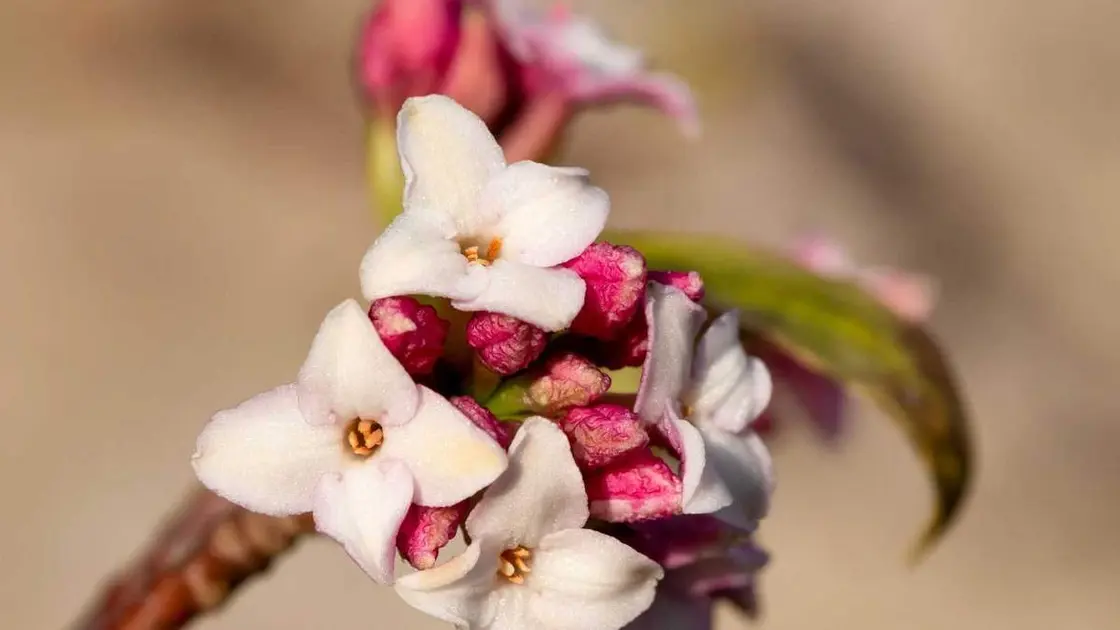
Daphne odora, known as winter daphne, is a cherished winter-blooming shrub famed for its sweetly scented and beautiful flowers. This plant can truly enhance your garden, featuring purple-pink buds in the fall that bloom into delicate pale petals in early winter.
Like other winter-flowering plants such as witch hazel, winter jasmine, or wintersweet, daphne adds vibrant color and delightful fragrance to your yard when everything else is dormant after the fall festivities.
Originating from China and Japan, Daphne odora has been appreciated for centuries, noted in ancient poetry and classic literature. Its enchanting flowers continue to captivate gardeners, making it a favored choice in gardens worldwide, marking the transition from one year to the next.
The alluring fragrance of Daphne odora attracts early pollinators when few other plants are in bloom. If braving the cold to find this aromatic shrub isn't appealing, its stems also serve beautifully as cut flowers, bringing a lovely scent to your home throughout winter.
Winter daphne is a visually stunning and sensory delight for any winter garden. Keep reading for tips on how to cultivate this evergreen shrub.
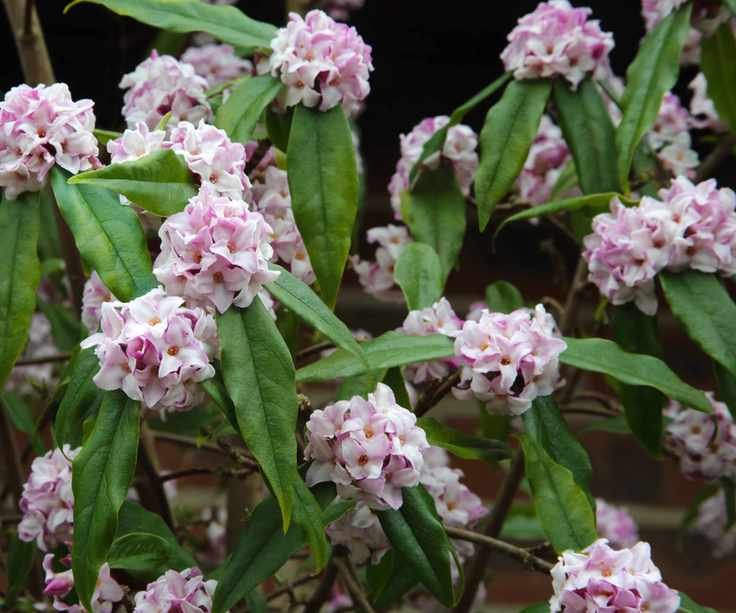
Growing Daphne
Even during the colder months, your garden can remain lively with the addition of winter daphne.
Considerations Before Growing Daphne
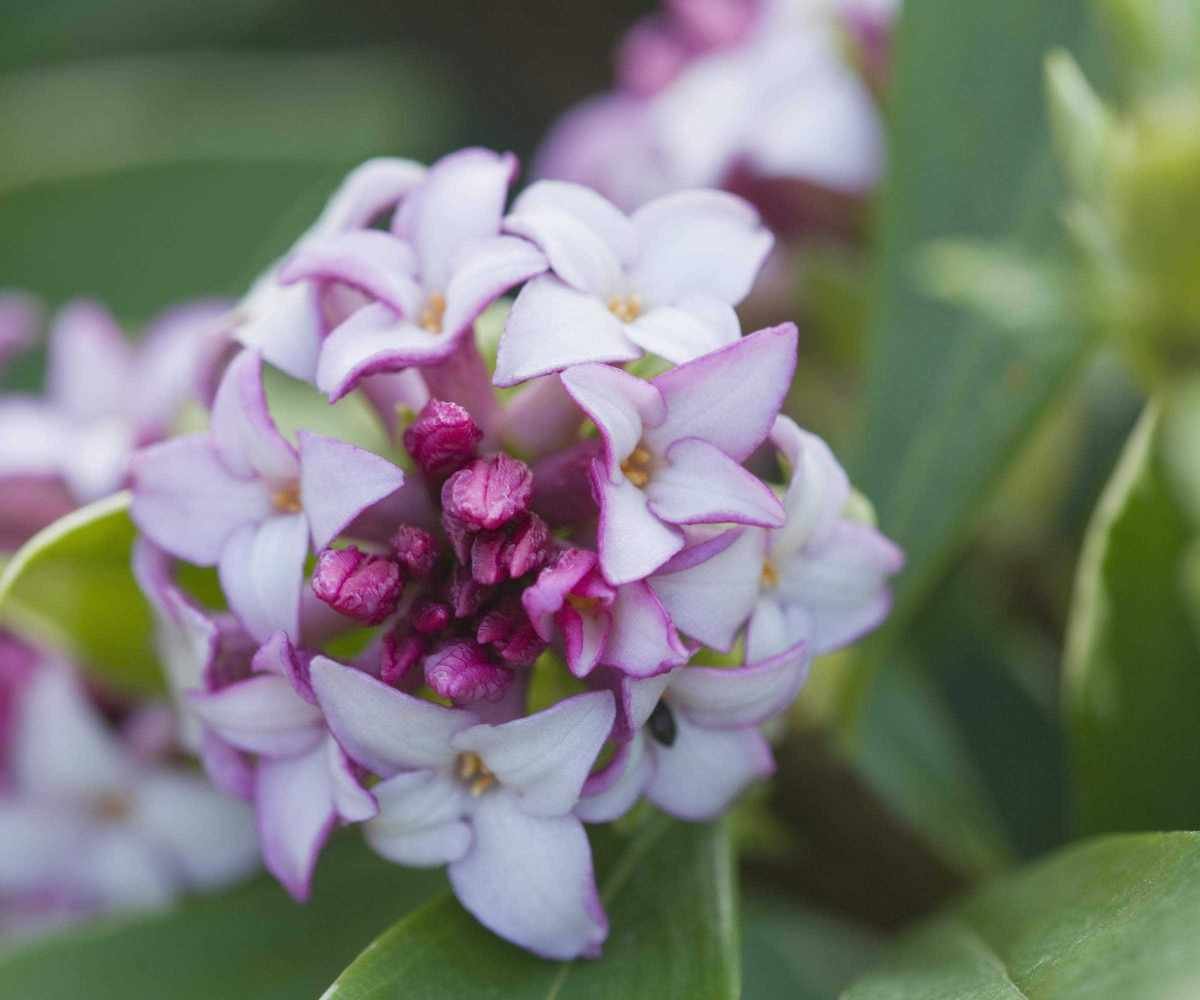
Daphne is an excellent choice for winter gardens, as its fragrant flowers make a significant impact. According to garden expert Mike Murphy, “Incorporating fragrant plants like daphne enhances the garden's sensory experience. They not only beautify the space but also attract pollinators, fostering a vibrant environment.”
This shrub thrives in US hardiness zones 4 to 9. While it is evergreen, some leaf drop may occur in colder climates. For best results, choose a sheltered, sunny spot in your garden, like near a wall, or consider potting it for winter protection.
As a slow-growing shrub, daphne typically adds just a few inches in height each year, reaching a mature height of about 3 to 4 feet in up to 10 years. Therefore, sourcing larger specimens from nurseries is advisable, such as this Daphne odora 'Rogbret' from Nature Hills. Opt for instant impact by selecting well-sized plants.

Mike grew up gardening with family. He tends a backyard orchard filled with dwarf fruit trees, raspberry and blackberry patches, and raised garden beds. Every spring, he enjoys sprouting new seeds for fruits and vegetables.
Essential Tips for Planting and Caring for Daphne
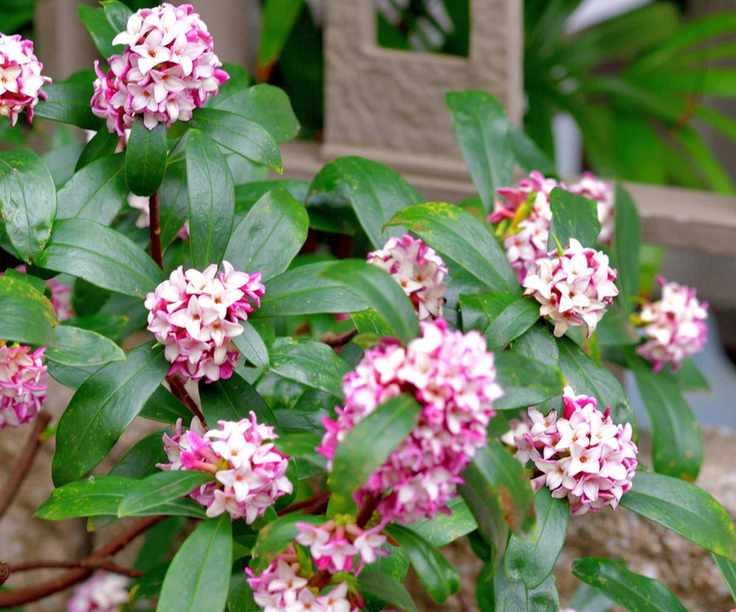
- Soil: Planting daphne can be tricky as they dislike root disturbance. Take care when planting. Mike advises that the best time to plant is in fall or early spring, allowing the plant to establish roots before extreme temperatures hit. They thrive in moist, well-draining soil, so adding mulch in fall is beneficial.
- Light: For optimal results, place your daphne in a location with part sun and part shade. While some varieties may tolerate full sun, most prefer some shade during the day.
- Watering: Regular watering is key during the first year after planting. Check the soil around the plant; if it feels dry, give it a thorough watering. Ensure proper drainage to prevent waterlogging.
- Fertilizing: Feed your daphne once or twice during the growing season with a balanced fertilizer. Since this shrub prefers acidic conditions, using an acid feed like this Soil Acidifier from Garden Goods Direct can enhance blooming.
- Pruning: Minimal pruning is generally needed, according to Mike, and should occur right after flowering to shape the plant. Remove any dead or damaged branches to maintain its natural form.
Daphne odora 'Rogbret' features striking variegated leaves and showcases impressive blooms! This heat-tolerant broadleaf evergreen produces fragrant pink-purple flowers in early spring.
Frequently Asked Questions
Can Daphne be Grown in Containers?
Yes, Daphne odora can thrive in containers, making it an effective option in cooler climates where you can move them indoors during winter. Ensure you use large containers with ample drainage holes and materials at the bottom to prevent water accumulation.
Incorporating daphne into your garden will bring vibrant color and delightful fragrance at a time when it's most appreciated. Consider other winter-blooming shrubs like wintersweet or winter jasmine for additional charm.



