Preparing a nursery ahead of your baby's arrival is time well spent. A well-organized space alleviates stress from misplaced items and clutter, allowing parents to concentrate on their newborn.
When planning nursery organization, consider systems that will adapt as your child grows. While babies don’t take up much room, their belongings certainly will. Designating homes for each item ensures easy access, day or night.
We consulted experts to gather top bedroom organization tips, helping you create the nursery of your dreams—assuming your baby sleeps well, of course!
Nursery Organization Essentials
Regardless of your layout, prioritize safety first. Research baby-proofing techniques to make this space secure.
“Focusing on safety doesn’t mean sacrificing style. Aim to design a chic and functional nursery that mirrors your taste while ensuring the utmost safety for your baby,” advises an expert.
1. Create a Functional Layout

Similar to a playroom, define how you'll use the nursery by creating distinct zones—diaper changing, dressing, feeding, and play areas. This structure fosters a seamless flow and clarity on where items belong, ensuring you maintain organization.
Keep floors clear to prevent tripping hazards, and don’t overlook lighting. A gentle nightlight can prevent mishaps during late-night feedings.
2. Optimize Closet Space
Starting with closet organization can set the tone for the rest of the nursery. Shelves often offer more practicality than hanging rods for baby items. However, a closet design that incorporates both is a smart investment.
Use cubby-style organizers for smaller items and install shelves above and below hanging rods for easy storage of toys, diapers, and seasonal clothes. For hanging clothes, arrange them from shortest to longest and invest in dividers marked by age for quick access.
3. Establish a Changing Station

A designated changing station prevents last-minute scrambles for wipes or diapers. Keep essentials in open-top containers for easy access.
Position your diaper disposal within arm's reach to avoid leaving your baby unattended. A portable caddy can also be a game-changer, allowing you to move supplies around the house as needed.
4. Keep Frequently Used Items Accessible
Efficient nursery organization means keeping often-used items within reach, which is crucial during late-night emergencies. Utilize top shelves for items like hats, pacifiers, and burp cloths, while the middle shelves can store current clothing. Bottom drawers can hold less frequently used items.
Store recent purchases at the back and older items in the front to manage your inventory effectively.
5. Plan for Growth
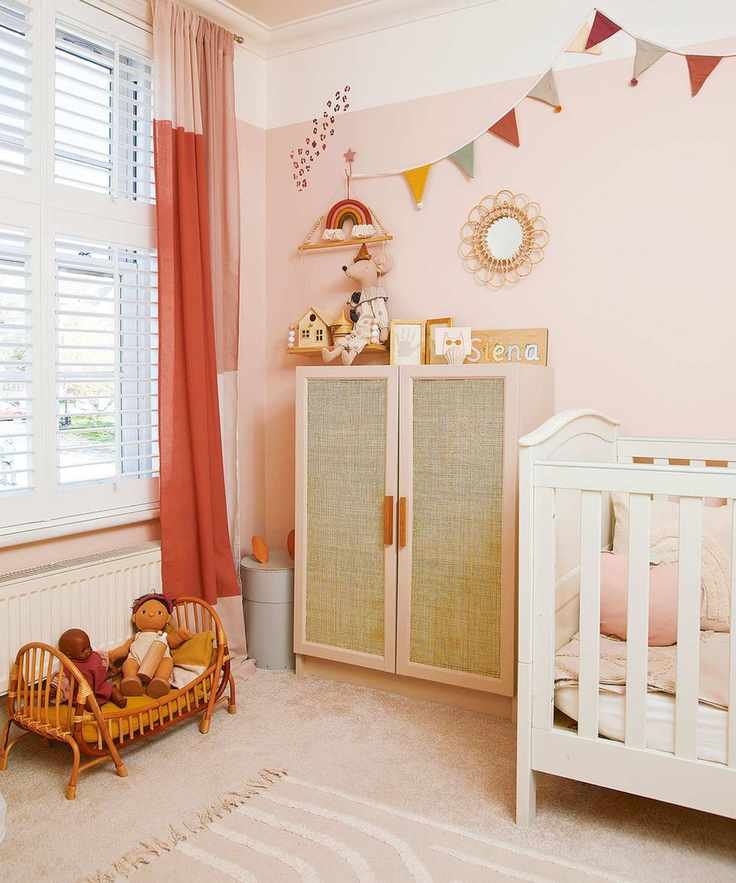
Selecting furniture that will grow with your child saves time and money. Look for cribs with removable sides or changing tables that function as storage units.
Consider multipurpose items to maximize space efficiency.
6. Embrace Cubby-Style Storage
Cubby shelves are adaptable for nurseries and playrooms. Open boxes that fit these cubbies simplify tidying up, making it easy to store blankets or toys.
7. Allocate Space for Future Clothing

Prepare for an influx of hand-me-downs and gifts by designating a nearby storage area, like the top of a closet or under the bed. Organize by size in labeled bins for easy rotation.
8. Utilize Wall Space
Maximizing vertical space can free up floor area. Shelving can display attractive items while also storing essentials. Consider over-the-door organizers and hanging storage to keep less appealing items hidden.
9. Keep Toys Accessible

While your baby may initially only need your attention, that will soon change. Invest in flexible toy storage with open baskets to promote independence and creativity.
Rotate toys regularly to prevent overwhelm, encouraging better play experiences.
10. Regularly Sort Through Items
As babies grow quickly, routine decluttering is key. Every few months, sort clothes into three categories: what fits now, what they’ll grow into, and what’s outgrown.
Store current items in accessible drawers while future items can be tucked away. Consider donating or storing outgrown clothes in vacuum-sealed bags, labeling them by age for easy retrieval.
Best Practices for Nursery Organization
To keep a nursery clutter-free, think about the room's function—where will the baby sleep, feed, play, or be changed? Group similar items together to create clear zones.
Organizing Small Nurseries
Zoning helps organize even the smallest spaces. Use portable stations for feeding or diaper changes, grouping similar items for easy access. Multifunctional furniture is also essential for maximizing space.
Utilize the area under the crib for storage while keeping clothing organized by size for efficient swapping as your baby grows.