Transforming a small living room into a cozy yet uncluttered space can be a challenge. You want furniture that’s both functional and stylish, but it can easily lead to a cramped feeling.
Interior designers have effective techniques to enhance your decor while maintaining an open feel. By implementing smart organizing methods and utilizing storage solutions, you can achieve a beautiful, clutter-free room.
We consulted experts to provide you with valuable insights, making it simple to create a well-curated and spacious living area.
What are effective ways to reduce clutter in a small living room?
A successful design incorporates all necessary elements without overwhelming the space. However, it’s all too common to overstuff a small room.
No matter if you’re decorating an apartment or a modest house, there are design strategies that ensure your living room is both functional and airy. Here are the essential tricks to consider.
Small Space Style: Because You Don't Need to Live Large to Live Beautifully | from $7.99 at Amazon
Whitney Leigh Morris, an interior design expert, makes living in under 400 square feet look effortless. In her book, she shares over 200 tips for maximizing tiny spaces without sacrificing style.
Chapters cover living, sleeping, eating, and bathing, featuring real-life examples from her charming cottage in Venice Beach, California, along with tours of other efficient small spaces.
1. Mind the Scale
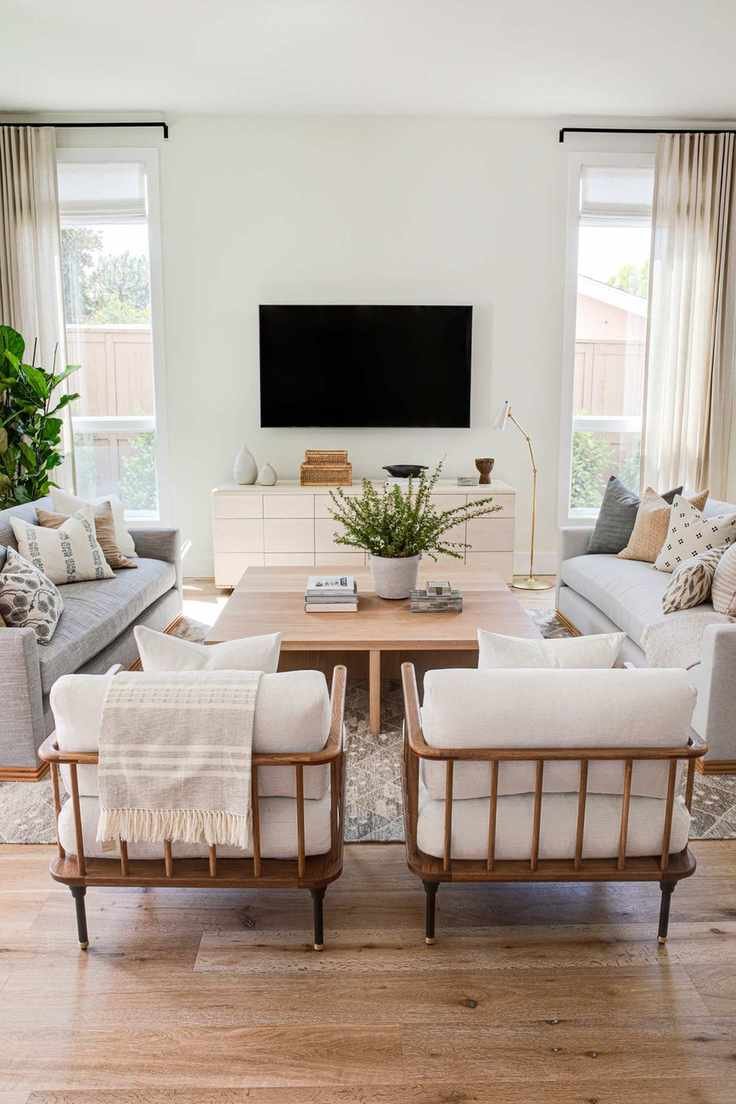
To keep your living room from feeling cluttered, focus on two key aspects: scale and symmetry. According to Peter Spalding, co-founder and creative officer at Daniel House Club, these elements can make any space feel larger.
“A well-chosen sofa can seat as many guests as a bigger model,” he explains. “Look for 'studio' or 'apartment' sofas, or consider vintage pieces from the 60s, 70s, or 80s that can be reupholstered.”
2. Rearrange Furniture
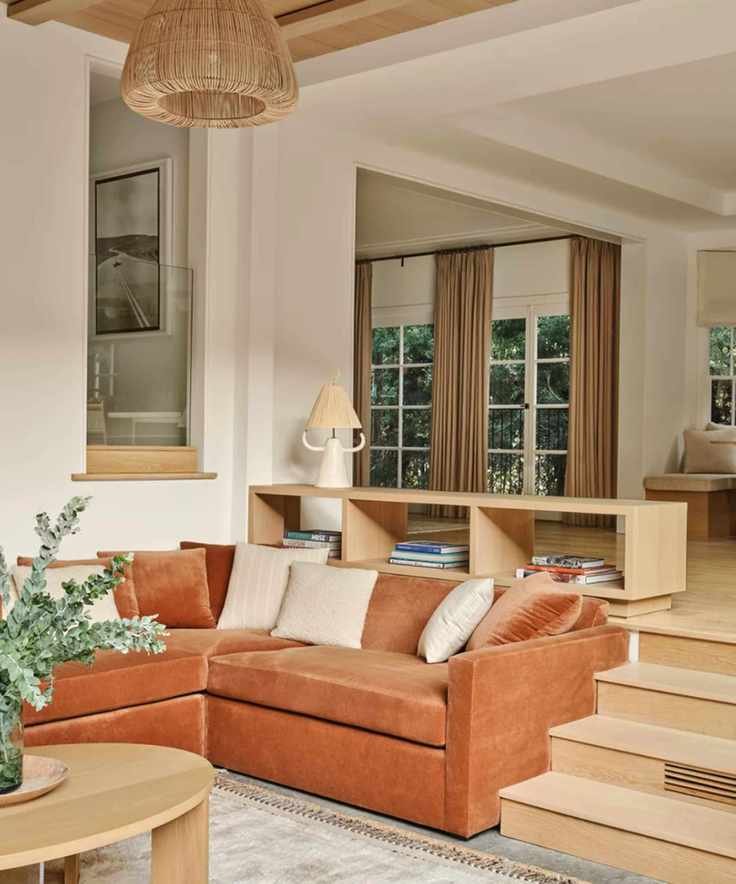
Furniture placement can significantly impact the room’s perception of space. “Try pulling your furniture away from the walls and floating some pieces,” suggests designer Artem Kropovinsky. This technique creates a more open layout and reduces the crowded feel.
3. Draw the Eye Upward
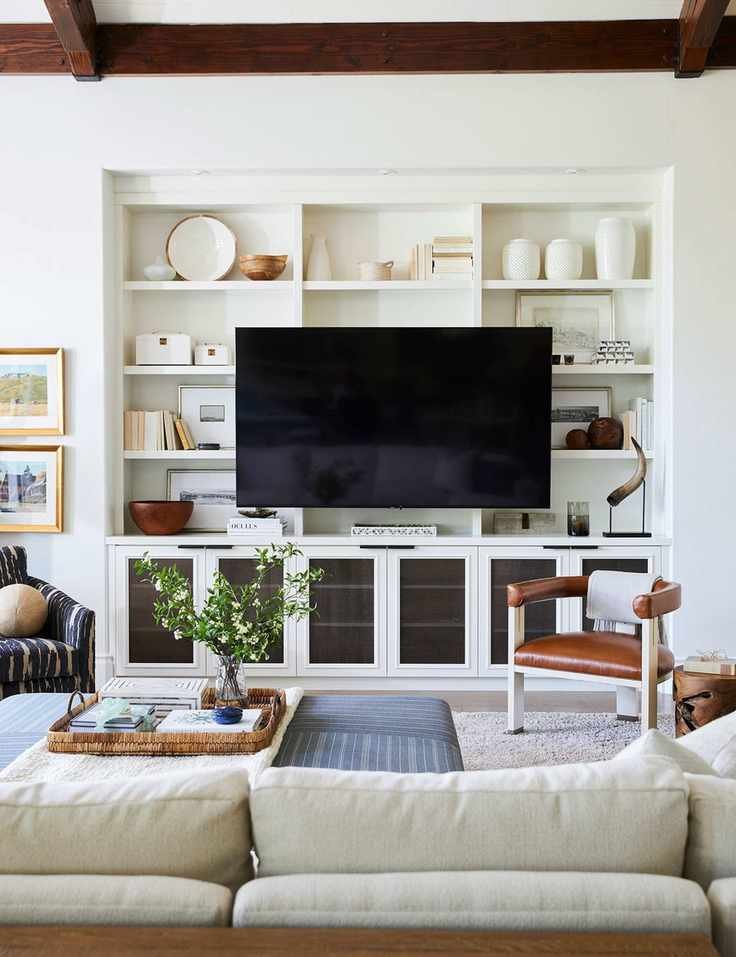
To enhance a small room’s height, invest in tall bookshelves or étagères filled with books instead of just decor. “This adds verticality and makes the room feel larger,” advises Spalding.
4. Simplify Accessories
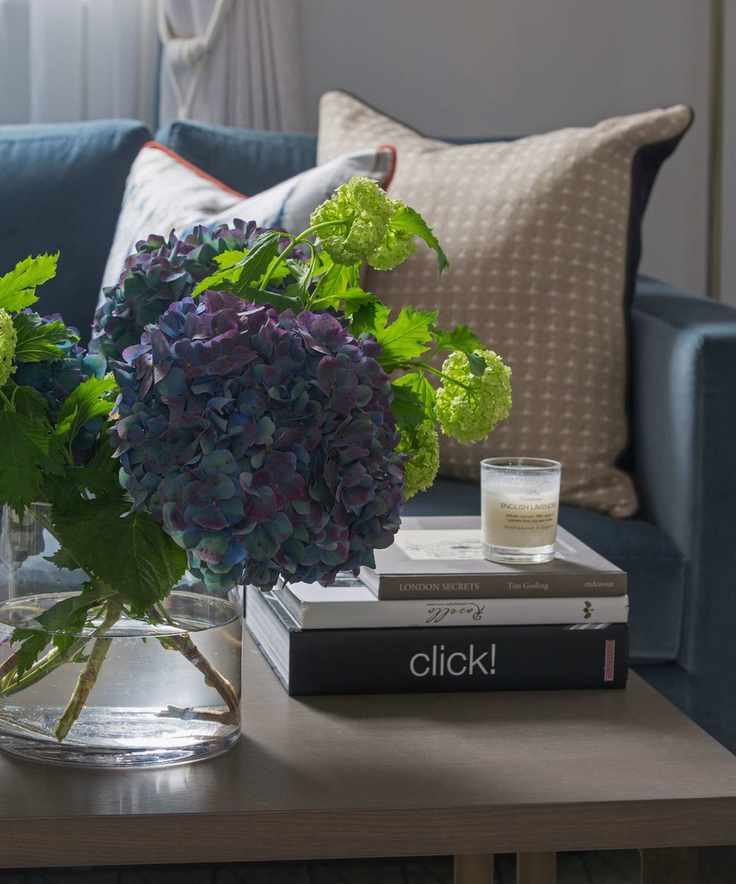
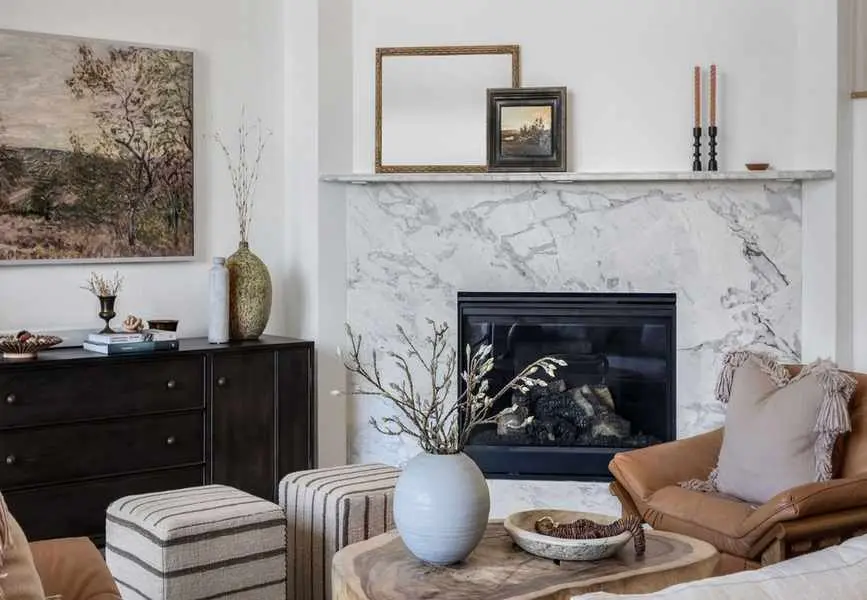
Be cautious with decorative accessories. “Keep surfaces tidy and avoid excessive clutter,” Kropovinsky emphasizes. Select a few standout pieces to maintain charm without overwhelming the space. Utilize matching baskets or drawers for storage.
5. Combine Tables
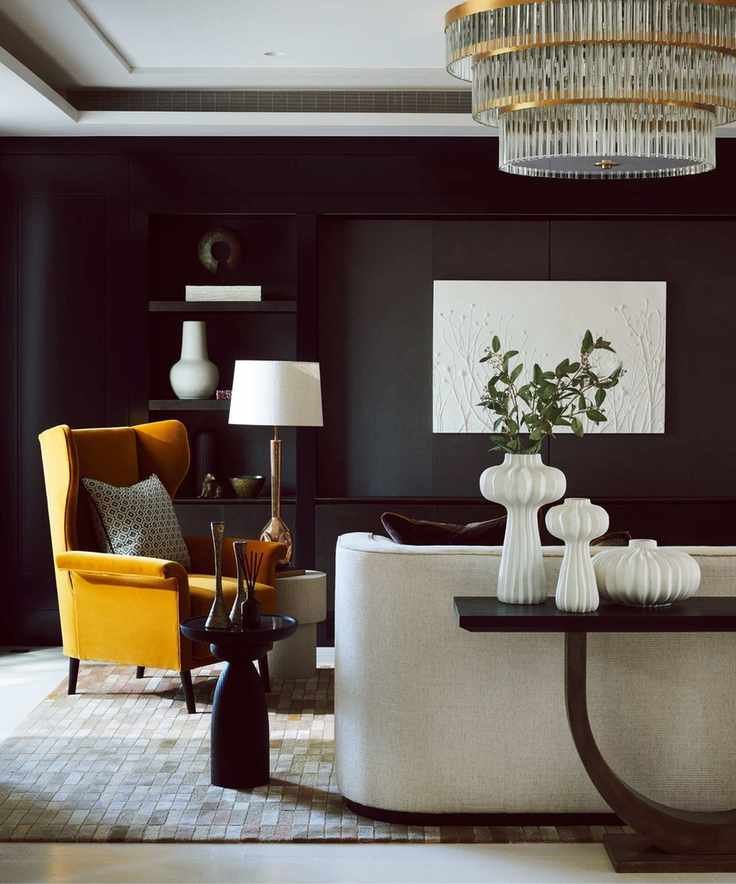
Smart furniture choices can help avoid overcrowding. “If your sofa is floating, use a narrow table behind it with lamps, eliminating the need for side tables,” Spalding suggests.
6. Go Big

Surprisingly, larger elements can benefit small spaces. “Consider oversized art or mirrors,” says Spalding. “A single large piece creates a focal point and anchors your furniture arrangement, enhancing the room’s order.”
7. Optimize Window Treatments

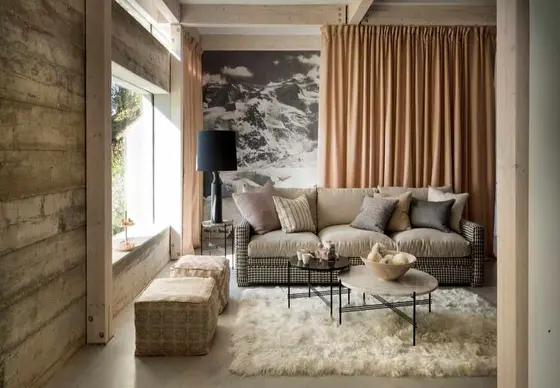
For a more spacious appearance, hang curtains close to the ceiling. “This draws the eye upward and enhances the room’s height,” Spalding recommends.
8. Select the Right Rug
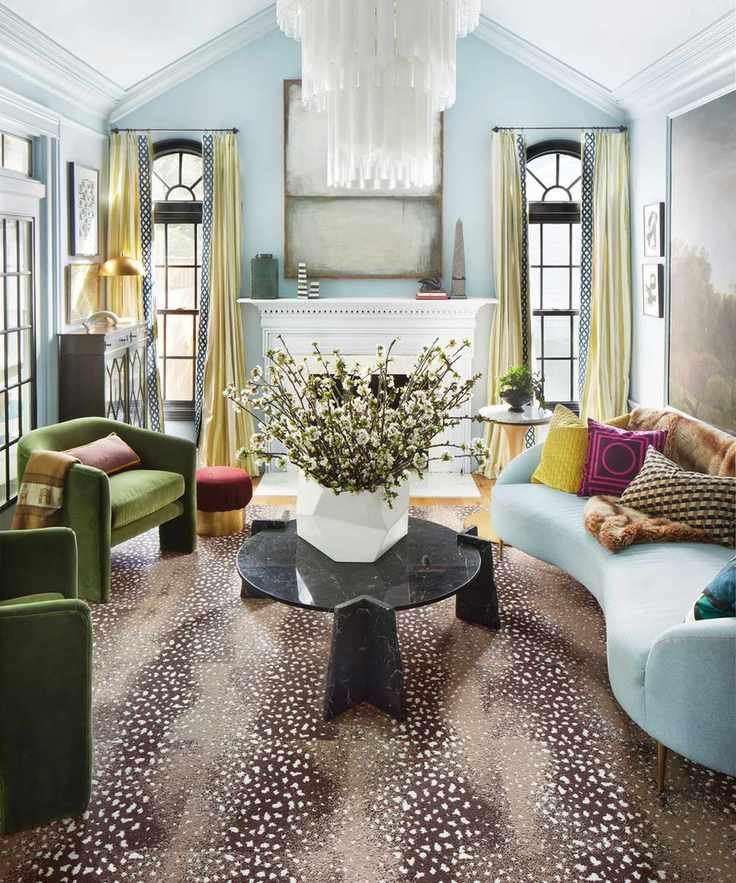
A rug can unify a space if chosen wisely. “Opt for a large rug that allows all furniture to sit on it,” Aileen Warren advises. “A small rug will disrupt the flow.”
9. Reduce Visual Clutter
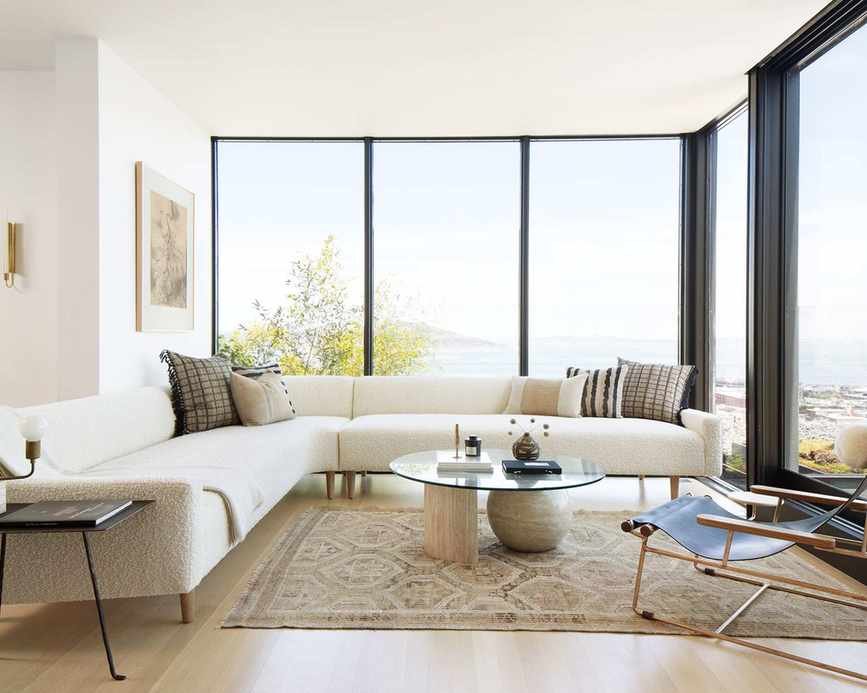
Visual clutter can arise from oversized furniture or too many accessories. “Balance colors, patterns, and textures for a more harmonious look,” says Jennifer Matthews. “Incorporate bold colors mindfully to maintain a cohesive flow.”
10. Choose Aesthetic Storage
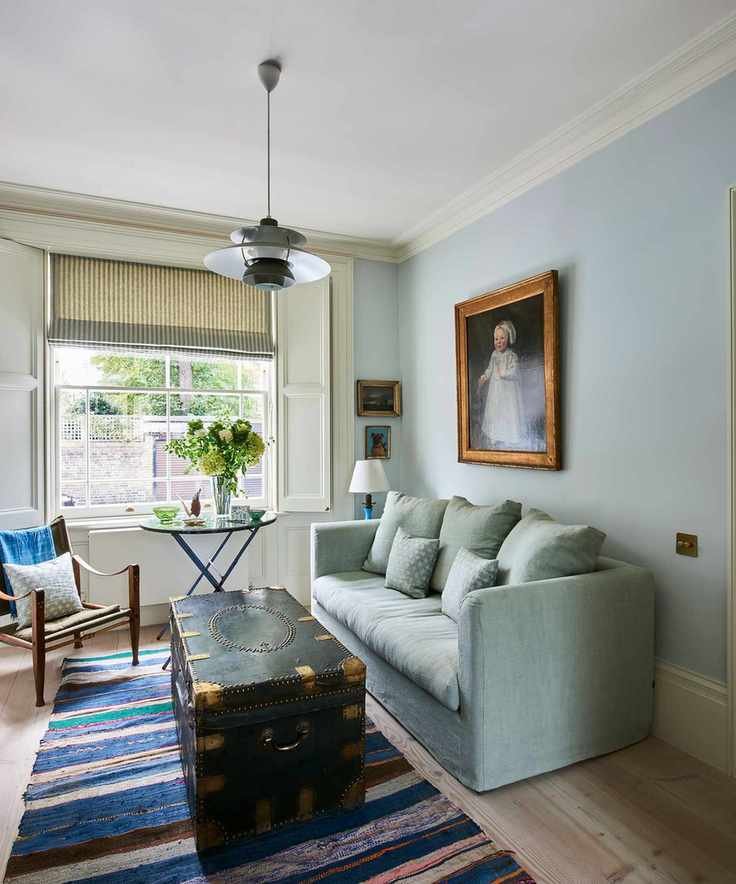
Storage is vital in a small living room, but aesthetics matter too. “Look for multifunctional pieces that don’t scream ‘storage,’” Spalding suggests. “A stylish trunk can serve as a coffee table while providing hidden storage.”
FAQs
Why does my living room feel cluttered?
Clutter can arise from furniture that’s too large, excessive decor, or poor organization. “Large pieces can make the space feel cramped,” explains Challie Stillman from Resource Furniture. “Utilizing multipurpose furniture can help maximize your area.”
Additionally, rotating accessories instead of displaying everything at once can keep the room feeling fresh and organized.
How can I create a cozy atmosphere without clutter?
To achieve a cozy yet spacious living room, consider colors, materials, and lighting. Opt for light hues with warm undertones to create an inviting atmosphere.
Incorporate textures like wood and rattan for a visually appealing space. Choose furniture that fits the scale of the room, and layer your lighting for warmth and intimacy.