
Curious about which garden plants are harmful to cats? Many popular outdoor plants can pose a risk to your feline companions. If your cat likes to explore and nibble on greenery, consider removing these plants from your garden.
From seasonal blooms to common backyard varieties like castor oil plants and clematis, some toxic plants may not be immediately recognizable. It's wise to research before introducing new plants into your space.
Although most cats tend to avoid unusual foods, they can still ingest toxins by brushing against plants and licking their paws afterward. In case of an emergency, contacting your vet is crucial. However, you can prevent stress and expenses by familiarizing yourself with plants that endanger your pet. Here are 10 plants that are toxic to cats.
Toxic Plants to Cats
These beautiful yet harmful plants should be avoided in your garden to ensure your cat's safety.
1. Day Lily / Hemerocallis
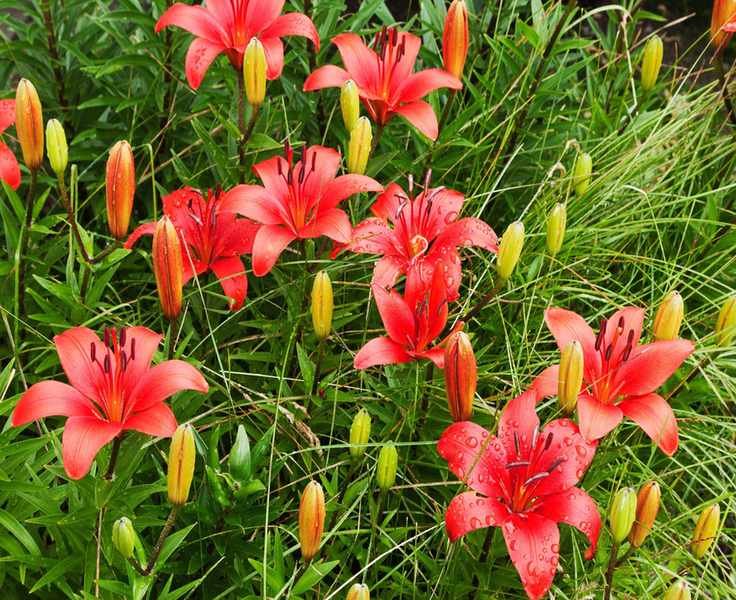
Daylilies are cherished for their delightful fragrance and vibrant flowers, but every part of this plant is extremely toxic to cats. Ingesting even small amounts can lead to serious kidney damage, according to experts. Avoid these both outdoors and as indoor arrangements.
2. Foxgloves
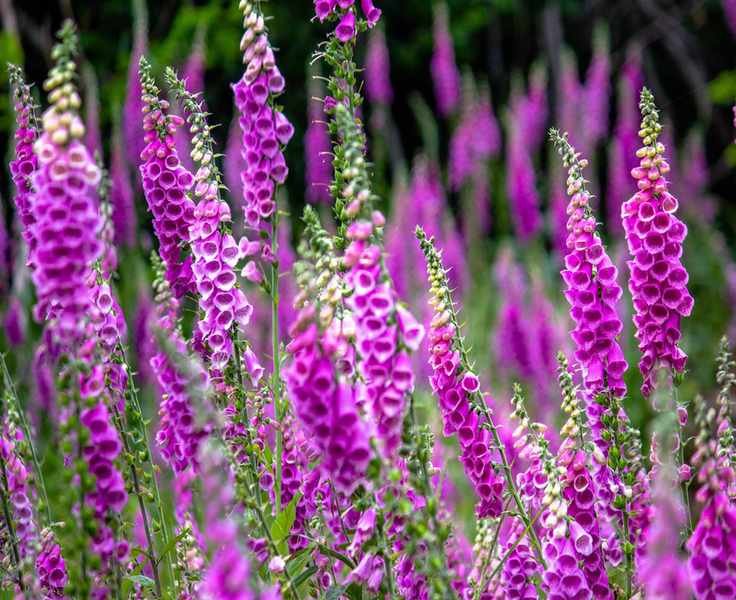
Foxgloves, with their majestic purple spires, are commonly found in gardens. However, they contain digitalis and other cardiac glycosides that can alter heart rates, making them a frequent cause of pet poisonings. Although most cats steer clear, some may be tempted to nibble on them.
Foxglove toxicity can occur from consuming leaves, stems, or seeds. It's essential for you and your vet to identify the plant if poisoning occurs; consider bringing a sample to the vet for proper identification.
3. Allium
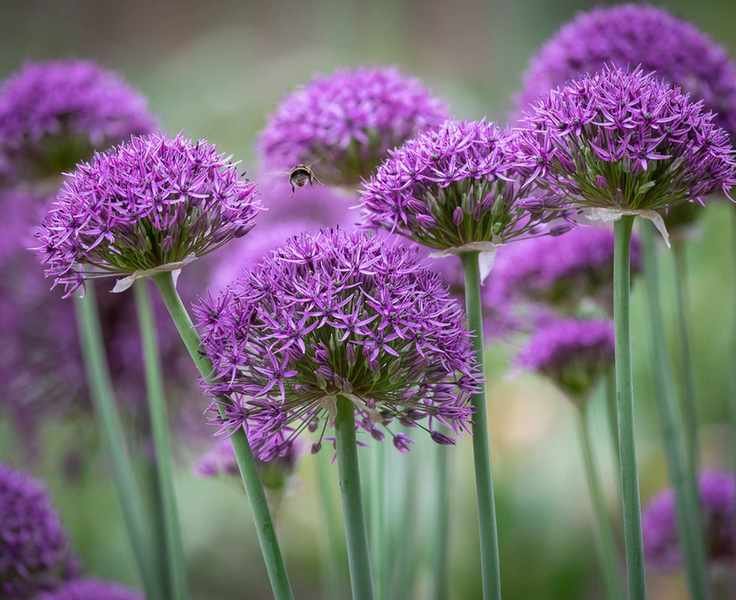
Alliums, which include varieties like chives and garlic, are stunning when in bloom but also potentially harmful. All parts of this plant can cause anemia and other serious health issues in pets if consumed.
4. Lily of the Valley
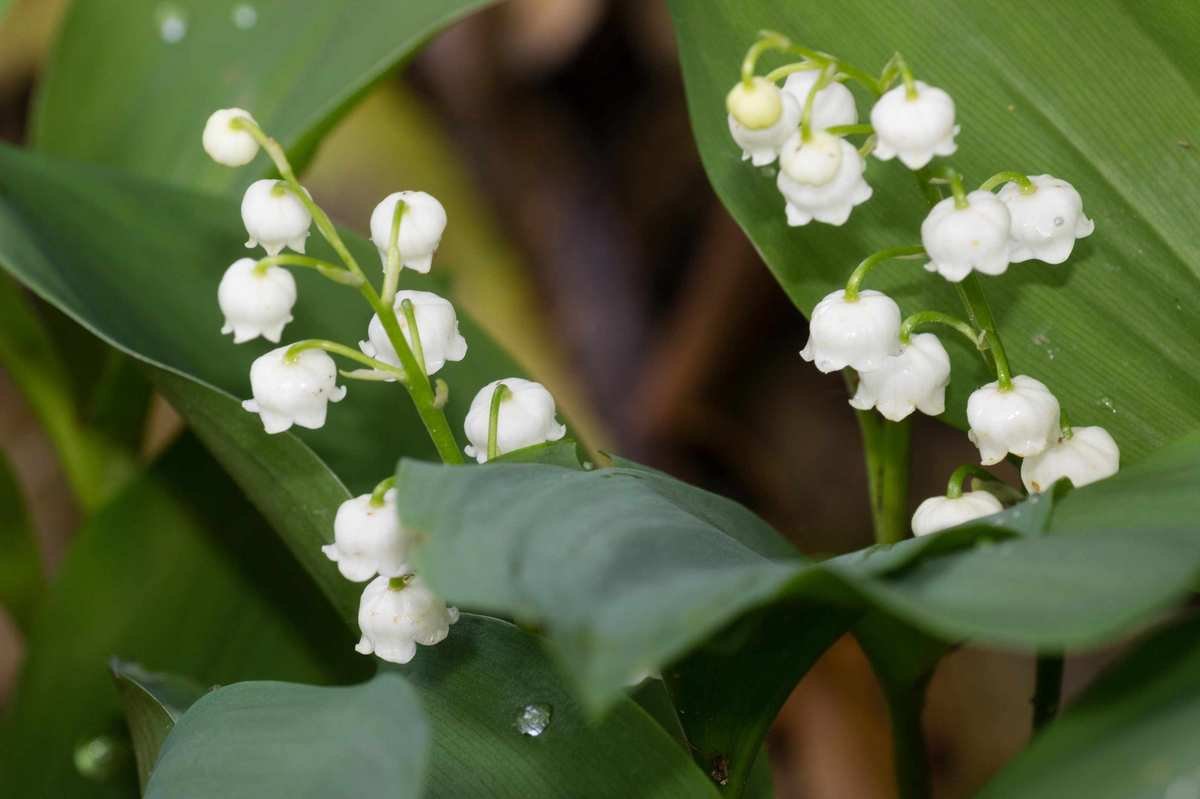
Common in gardens, Lily of the Valley features lovely white bells but is highly toxic. All parts of this plant contain cardenolides that can lead to severe heart issues and gastrointestinal distress. Immediate veterinary care is necessary if ingestion is suspected.
5. Daffodils

Daffodils, known for their cheerful appearance, are also dangerous for pets. They contain lycorine, which can induce vomiting and other serious conditions. All parts of the plant, especially the bulb, are harmful if ingested.
6. Clematis
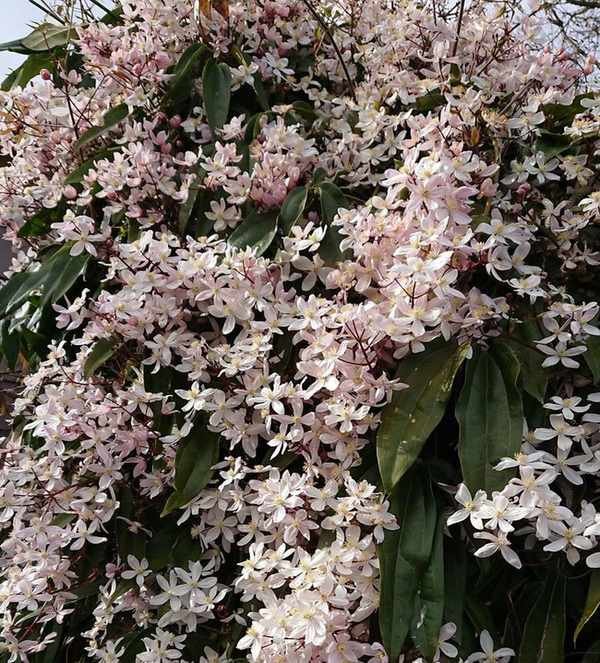
Clematis vines are popular for their beautiful flowers, but their roots, stems, and leaves can be toxic to cats. They contain an irritant called anemonin, which can cause gastrointestinal issues and malaise.
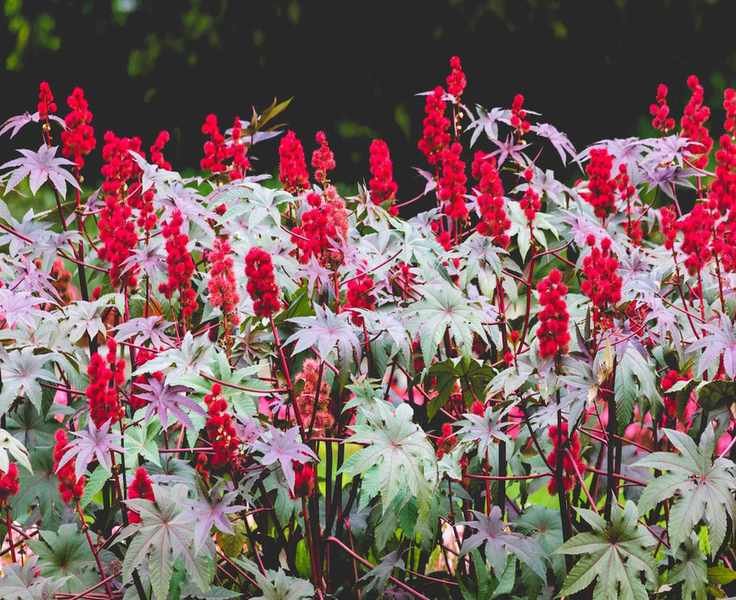
7. Castor Oil Plant
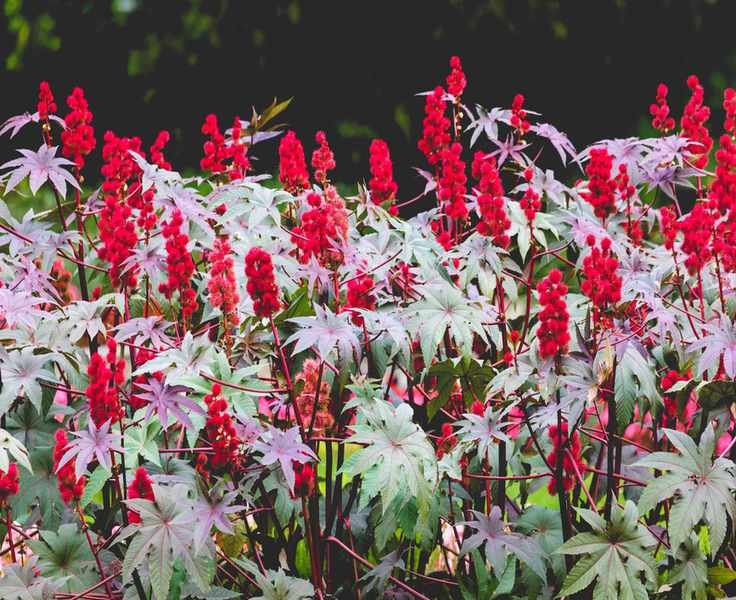
With its stunning foliage, the castor oil plant is an eye-catching addition to gardens. However, it contains ricin, a potent toxin that can be fatal to pets. Even small amounts can cause severe symptoms, and the seeds are particularly dangerous.
8. Snake's Head Fritillary
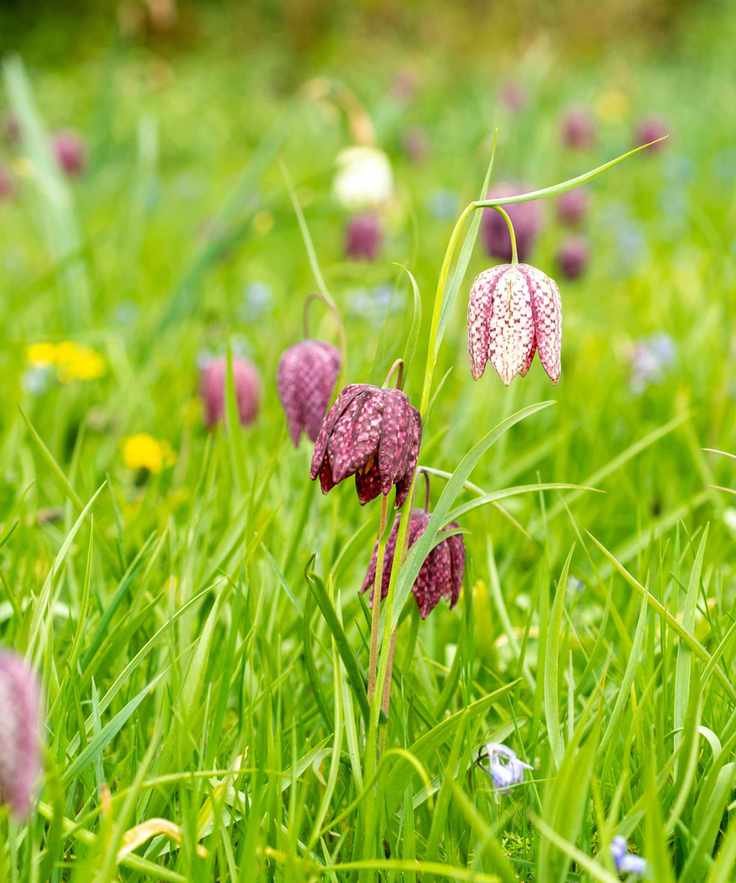
These charming bell-shaped flowers can be tempting for cats, but they contain allergens that can lead to illness if ingested. Immediate veterinary attention is critical if a large amount is consumed.
9. Madagascar Periwinkle
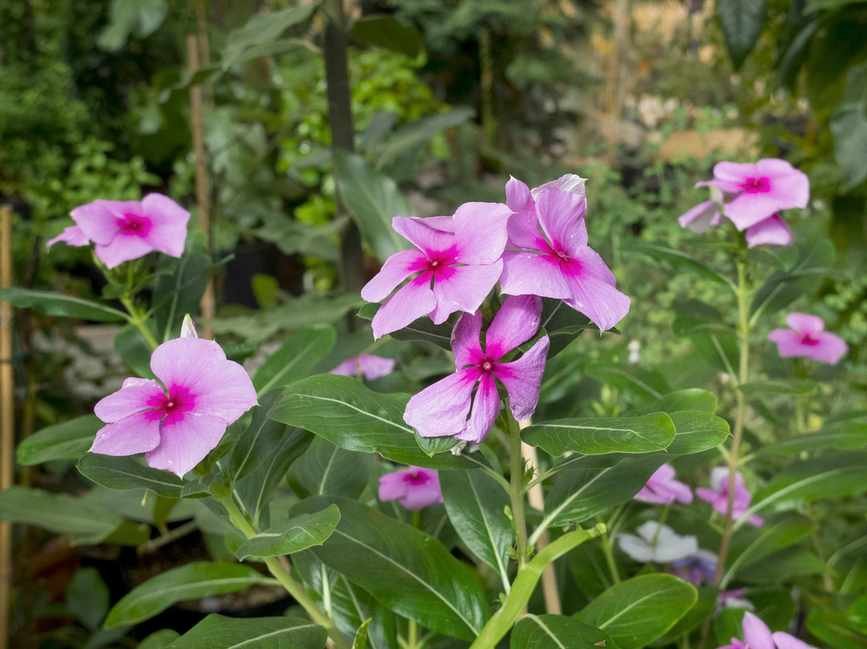
This low-growing plant is known for its colorful blooms and is often used in landscaping. However, it contains vinca alkaloids that can lead to severe poisoning if consumed by pets.
10. Bare Naked Ladies
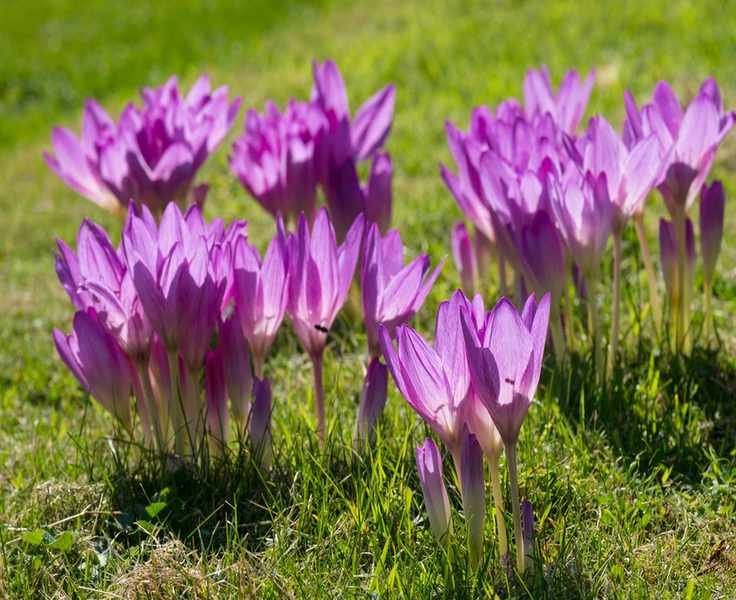
Also referred to as colchicum, these flowering bulbs can cause serious health issues in pets, including excessive drooling and seizures. If ingested, it's crucial to seek veterinary care immediately.
Which Plants to Avoid for Cats?
Some cats have a habit of nibbling on plants, which can lead to serious health issues. Identify the plants in your garden that pose the highest risk and remove them to keep your feline friend safe.
Experts say that while it might be impossible to eliminate all risks for free-roaming cats, you can minimize hazards by avoiding the most toxic varieties. Keep a list of harmful plants handy for your veterinarian if needed.
When it comes to indoor plants, be cautious. Certain species, like rubber trees, can also be harmful.
Safe Plants for Cats
Fortunately, there are several plants that your cats will love. Catmint and valerian are known to create a joyful response in many felines. Consider creating a special garden area just for them, filled with safe options.
Cat Thyme is another great choice, featuring fragrant blooms and a pleasant aroma that cats find appealing. It's a lovely addition to any garden that caters to your pet's preferences.



