
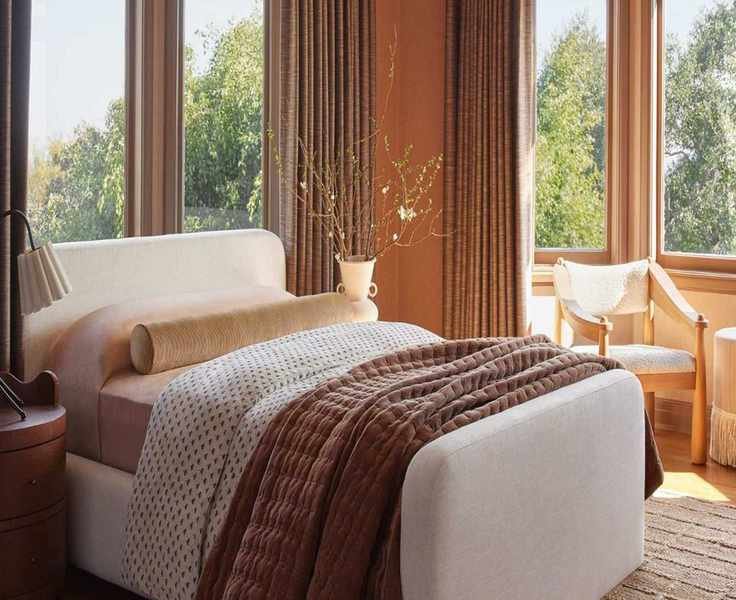
Designing your bedroom layout is crucial for optimizing functionality and aesthetics. The arrangement of your room can significantly influence its usability, making it vital to plan thoughtfully from the start.
Choosing the ideal layout can be overwhelming, as there are countless ways to set up your bedroom based on its size, shape, and intended use. Whether you're crafting a spacious master suite or a cozy nook, experts suggest starting with a detailed floor plan.
"We often gather the room's dimensions first to assess what furniture can fit without overcrowding the area," says a designer. "Next, we account for windows, door frames, and fireplaces to establish the natural flow of the room. We then divide the space into designated zones, like the bed and nightstands, dresser, and lounge areas."
With a clear floor plan, identifying the best furniture arrangement becomes much easier. To spark your creativity, we've compiled an array of bedroom layout ideas along with expert tips.
1. Begin with Bed Placement

Choosing the bed's location is pivotal, especially for smaller spaces. Since the bed is the largest piece of furniture, it greatly influences the room's functionality and atmosphere.
"In bedroom design, the bed is always prioritized, and everything else is arranged around it," shares a designer. "Typically, the bed's headboard faces the entrance."
"Positioning the bed opposite the door can create a focal point that draws you in, providing balance and symmetry," notes another expert. "Avoid placing the bed in front of a window, as this can block light and disrupt harmony."
Consider the wall size and other architectural elements when placing the bed. It's common to position it against the longest wall, ensuring it's unobstructed. If there's a fireplace, placing the bed on the opposite wall can create alignment and a cohesive look.
2. Organize Your Layout Around Views

Waking up to stunning views can set a positive tone for your day. If your bedroom has beautiful scenery, position the bed to maximize the view.
Ensure your furniture arrangement doesn't block the window, and opt for window treatments that can easily be drawn back for unobstructed light and visibility.
3. Incorporate Feng Shui Principles
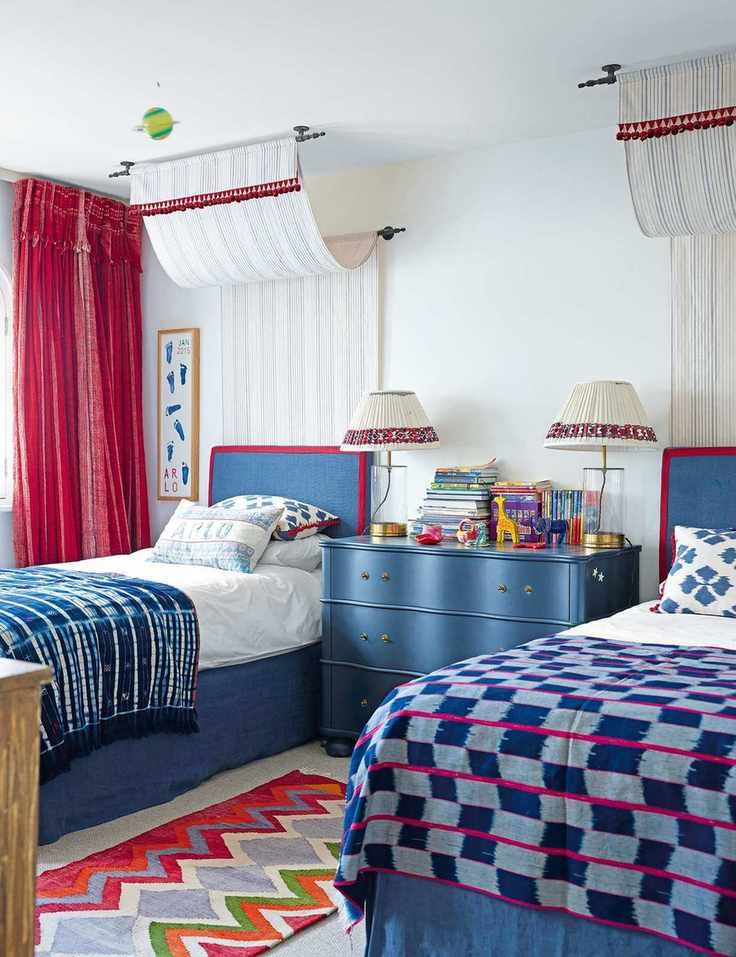
Utilizing symmetry can enhance your bedroom layout while promoting positive energy. In Feng Shui, pairs are thought to foster harmony, making symmetrical layouts ideal.
"Symmetry offers balance, often starting from a focal point like a statement bed or headboard," states an interior designer. "It adds comfort and rhythm to the space, down to details like pillows and bedside lamps."
4. Define Zones in Your Bedroom
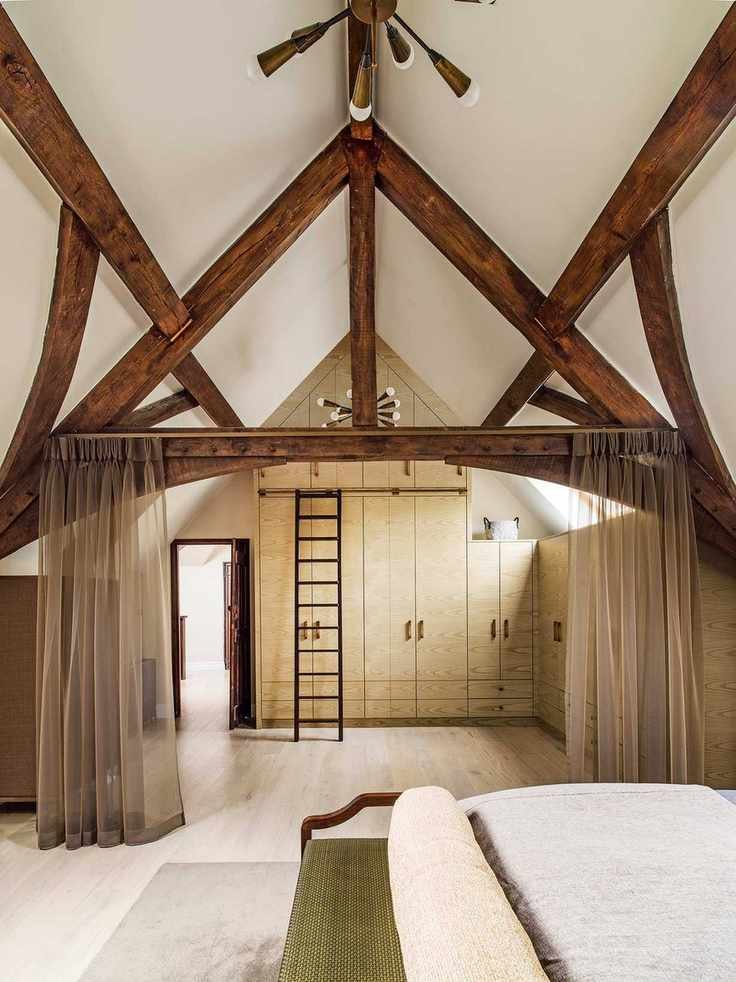
Does your bedroom serve multiple purposes, like a home office or yoga space? Zoning can quickly define areas using curtains or screens, depending on the size and shape of the room.
A sheer curtain can create an intimate sleeping area while keeping the space bright and airy during the day.
5. Add a Cozy Seating Area
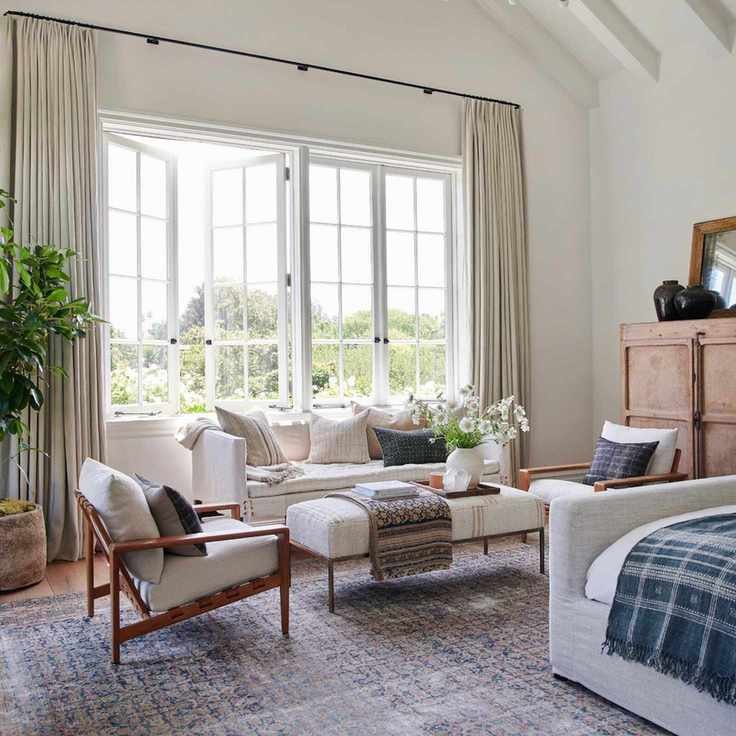
If space allows, incorporating a seating area can give your bedroom a luxurious feel. This space can be a perfect escape for reading or enjoying coffee away from the main living area.
Positioning seating near a window allows you to enjoy the views while adding an inviting touch to your room.
6. Consider an Ensuite Bathroom
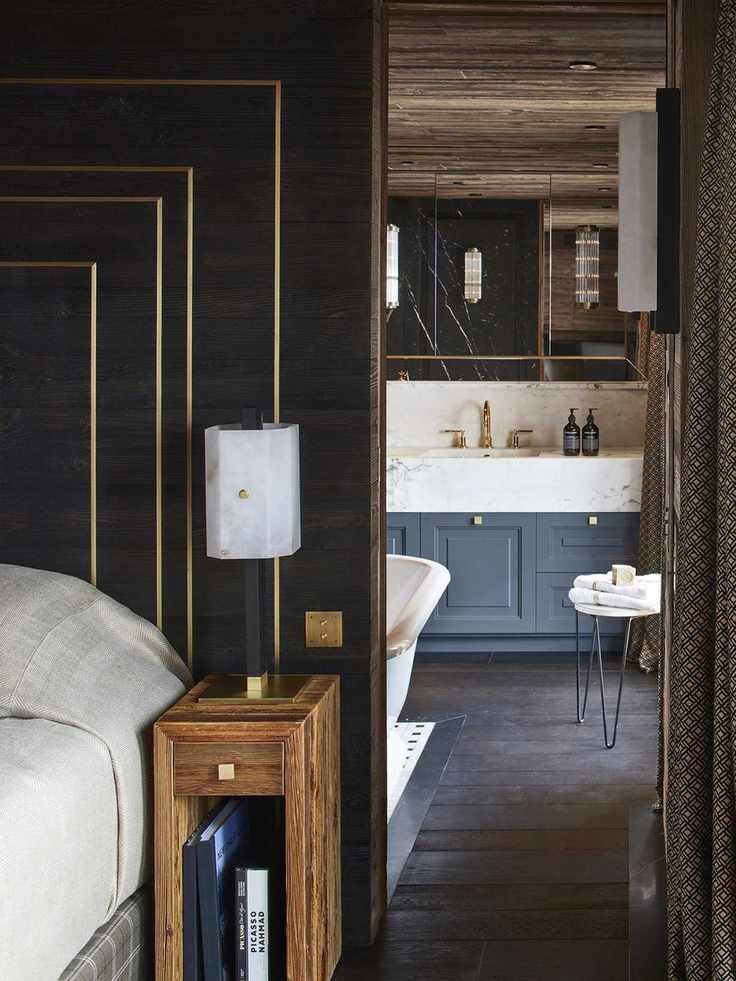
An ensuite bathroom is a luxurious addition, providing a private space to unwind. This layout can mimic boutique hotels, often featuring a partition wall and open entryway.
Coordinate the decor of both spaces using complementary materials for a cohesive look, enhancing the overall atmosphere.
7. Connect to a Walk-In Closet
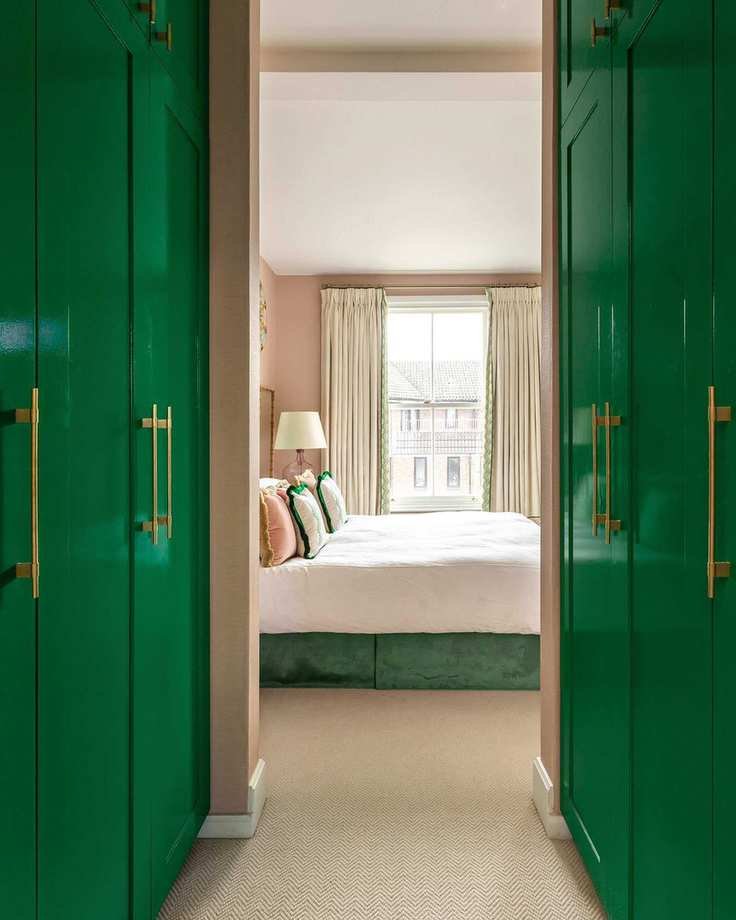
Integrating a walk-in closet is an excellent way to maximize bedroom space. This dedicated area for clothing and accessories keeps the bedroom tidy and clutter-free.
Custom closets can utilize vertical space effectively, making them ideal for those with extensive wardrobes while maintaining a streamlined appearance.
8. Embrace Awkward Angles
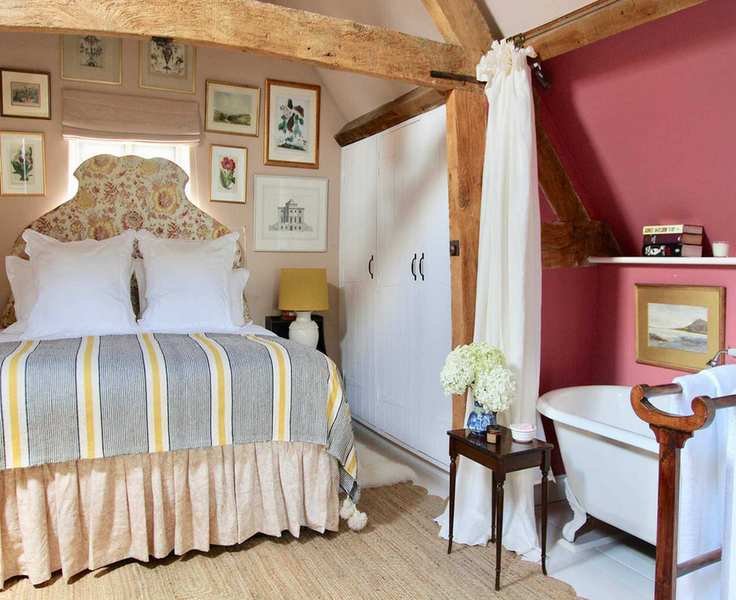
Rooms with sloping ceilings can pose design challenges, but they also offer character. With creative layout choices, these spaces can transform into functional and beautiful bedrooms.
In one guest room, designers maximized awkward alcoves by incorporating custom closets and a luxurious roll-top bath behind a curtain, creating a unique ensuite experience.
9. Consider Twin Bed Arrangements
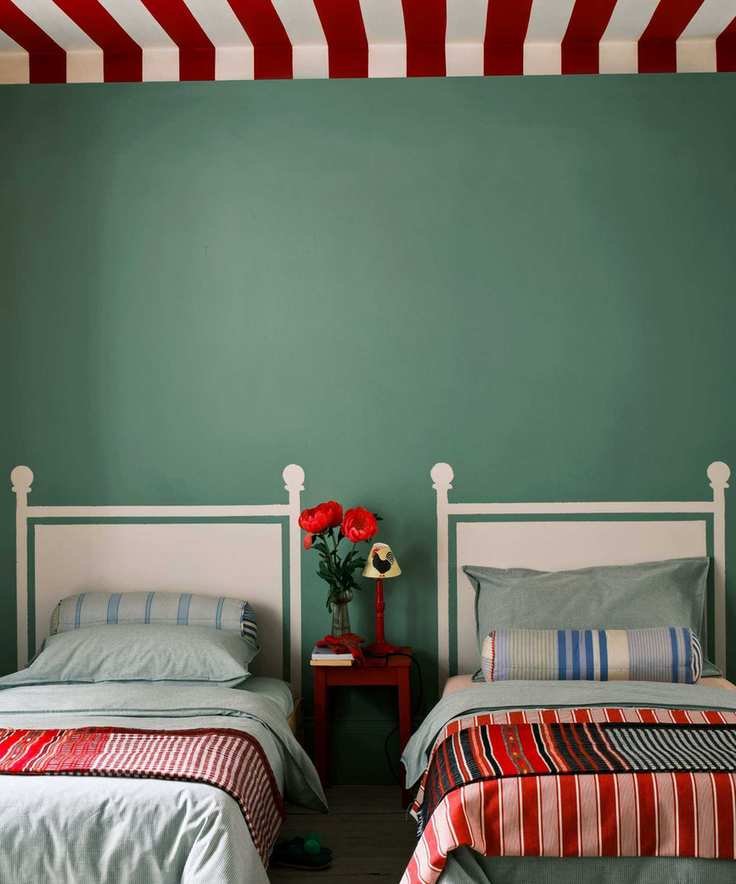
Twin bedrooms provide versatility, making them perfect for guests or siblings. This layout allows flexibility for various sleeping arrangements.
Symmetry is key in twin layouts, using matching beds and a shared nightstand for visual harmony. For guest rooms, feel free to explore unique designs that create visual interest.
10. Design a Cozy Bed Nook
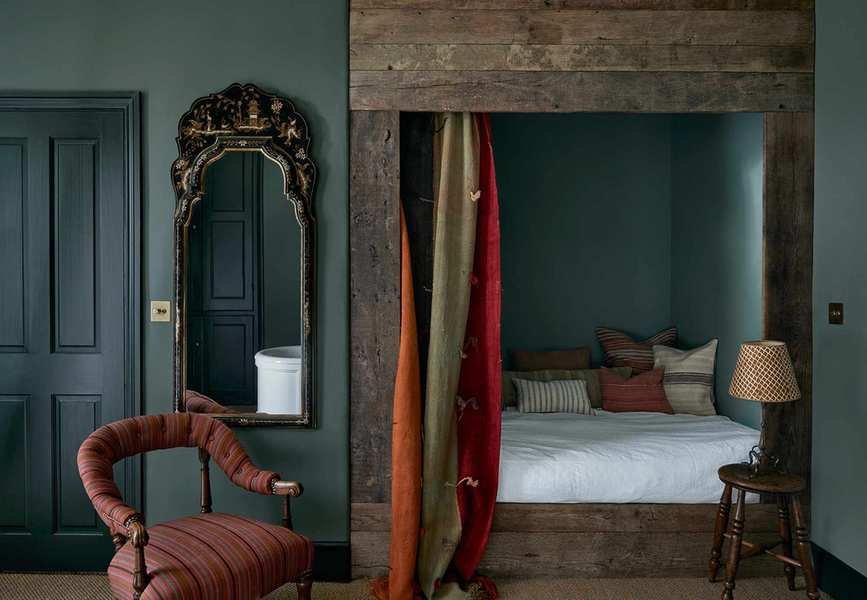
In tight spaces, creating a bed nook can maximize intimacy. Positioning a bed in a corner and enclosing it with a curtain provides a cozy retreat.
Darker shades can enhance the cocoon-like atmosphere, with colors like deep midnight blue or petrol green making the space feel inviting and warm.
11. Incorporate a Workspace
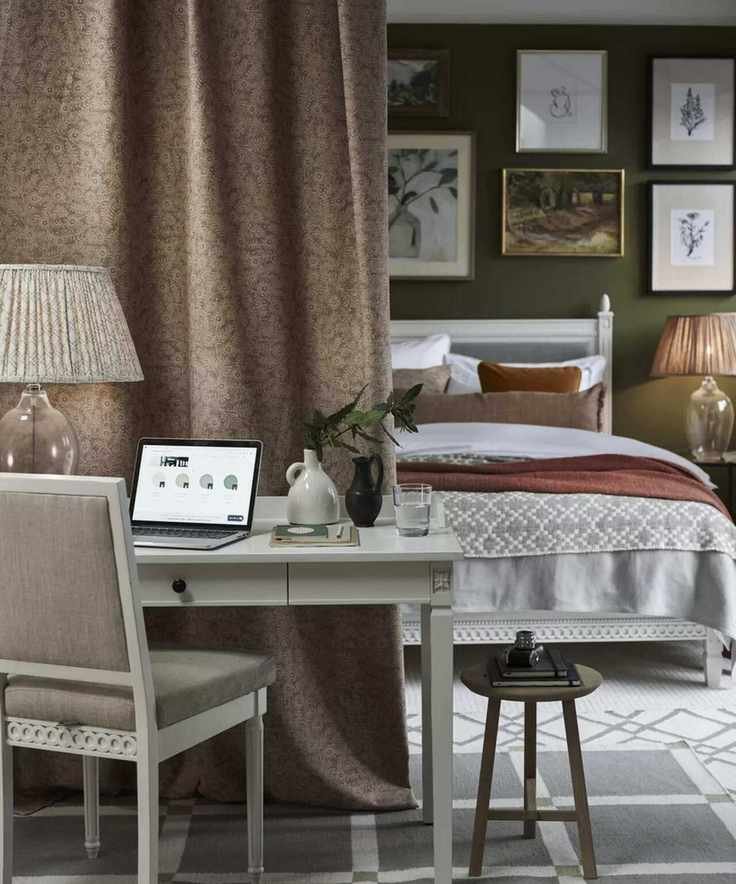
For those without a dedicated office, your bedroom can also serve as a workspace. When planning a layout with a desk, consider its placement carefully.
"To maintain a relaxing environment, position the desk away from the bed," advises a designer. "Ideally, place it near a window for natural light."
Best Bedroom Layout Practices
Determining the best layout for a bedroom depends on factors like size, shape, and intended purpose. A master bedroom's layout will differ from that of a guest or child's room.
"Consider if you'll need a sitting area, desk, or dressing table. Establishing a balanced layout and identifying focal points are essential for cohesion," suggests an expert.
While layout choices vary, certain design principles remain consistent. A classic approach is placing the bed centered on the primary wall, flanked by nightstands when possible.
"In every design, we prioritize placing the bed on the longest wall without obstruction," emphasizes a designer. "If there's a fireplace, positioning the bed opposite creates alignment and enhances space flow."
Symmetrical layouts are often favored for their calming effect, promoting harmony and balance.
Planning is vital for a successful bedroom layout. Before rearranging furniture, create a mock-up of your floor plan, noting the dimensions and placement of doors, windows, and architectural elements.
"Sketching a rough floor plan on paper can effectively visualize the layout, or you can use online tools for greater accuracy," suggests a designer. "Experiment with different arrangements, and consider measuring larger pieces to tape out their placement to visualize spatial dynamics."



