

Defining 'neutral' in room decor sparks much discussion. Some define neutrals as colors absent from the color wheel—think white, beige, grey, taupe, khaki, and ivory. Others suggest any dominant color can turn into a neutral, allowing other elements to shine.
According to Maria Speak, co-founder of a design firm, 'More is Less' captures her philosophy. The more of a single color present, the more neutral it becomes.
Neutral spaces are generally serene and easy to style, harmonizing with almost any color. Understanding the room's light is essential for selecting the right base tones.
'Light in a room influences the choice between warm and cool neutrals,' advises an expert. Warm neutrals work well in north-facing rooms as they enhance light, while cool tones suit different orientations.
Neutral Room Inspirations
A trend toward 'new neutrals' is emerging, with designers like Charu Gandhi incorporating them to create inviting spaces. These basic tones, from cream to grey, are enhanced with earthy shades like pinky-terracottas and turmeric. Explore how to make neutral room ideas anything but bland.
1. Enhance a Neutral Palette with Texture and Metallics
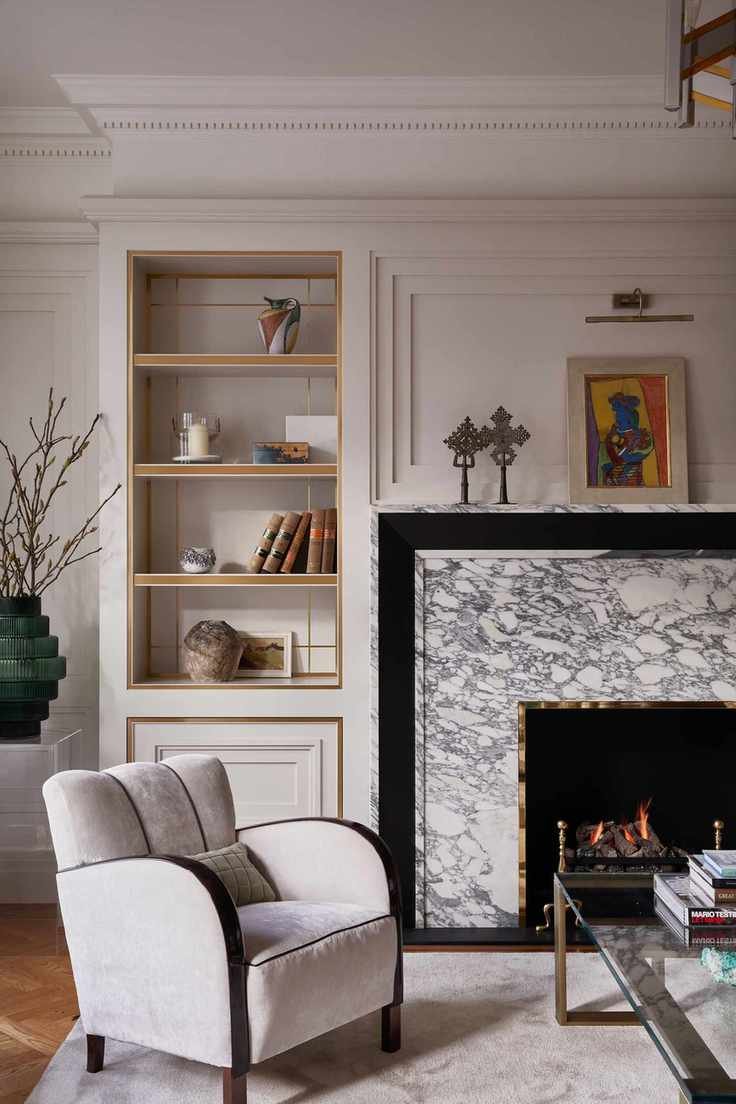
White is a classic neutral, often chosen to brighten spaces and serve as a backdrop for accent colors. However, neutral living room ideas can incorporate layers, textures, and intrigue.
Effective use of texture is crucial in a neutral setup for a cozy atmosphere. Without it, the space may feel lifeless.
Tiffany Leigh from a design studio notes, 'Textures prevent a flat or one-dimensional look.' Visual texture also plays a significant role, as seen in marble surrounds, metallic shelving, and upholstered armchairs.
2. Opt for Earthy Tones as a Warm Neutral Base
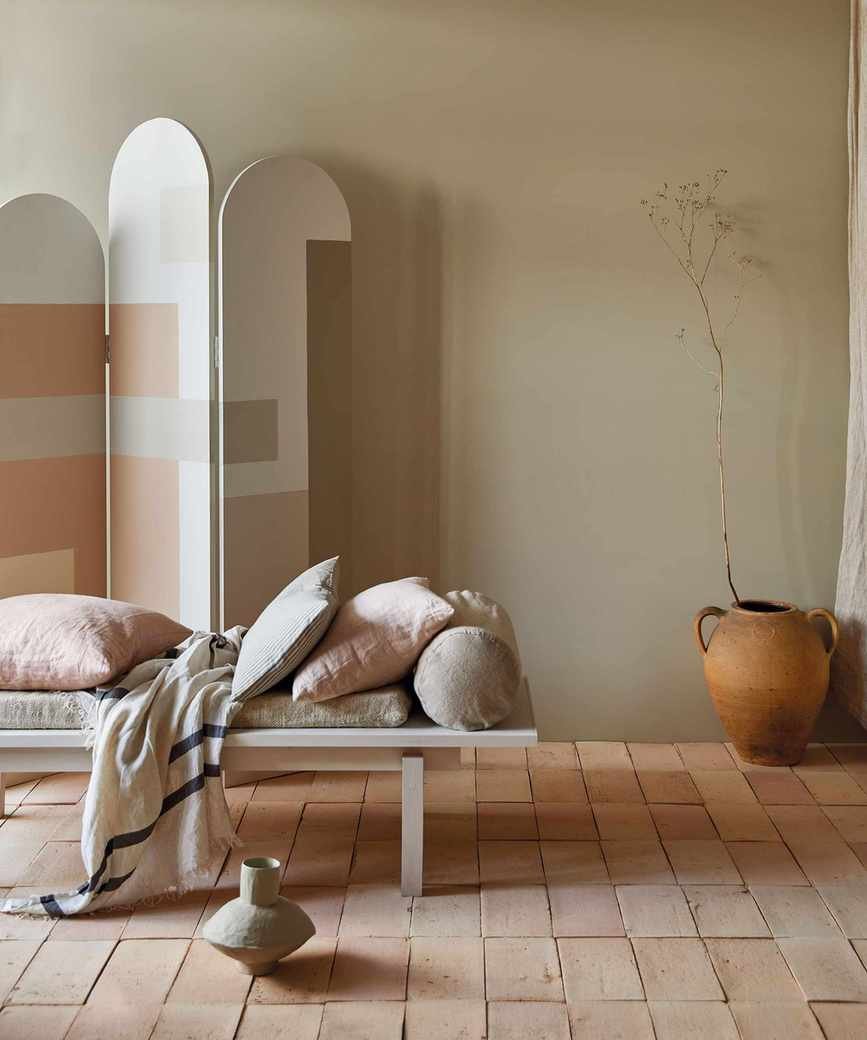
Warm neutrals with a chalky texture create a summery feel, especially when paired with handmade pale terracotta tiles that evoke Mediterranean charm.
Rob Whitaker, a creative director, states, 'Neutrals can complement stronger shades or serve as the main focus, with subtle variations in tone creating depth.'
3. Introduce Subtle Patterns in a Neutral Space

Patterns can add depth to neutral rooms. Subtle motifs in muted tones maintain tranquility while providing visual interest.
This design blends gentle patterns in various scales, ensuring nothing overshadows the calm ambiance.
4. Select Bold Neutrals for Maximum Impact

Rich, complex shades serve as versatile neutrals across the home. Although initially daunting, embracing a strong color often reveals its adaptability.
Consider light beige for softer areas or opt for grey in sunlit spaces. Deeper palettes work well with neutral furniture, making green tones particularly effective.
5. Utilize Monochrome for a Striking Look

Black and white decoration remains a powerful method for enhancing predominantly white kitchens. Varying proportions is key; a perfect 50:50 split risks creating a cold atmosphere.
Pair dark cabinets with marble for a balanced effect. A design expert notes, 'Deep shades, especially charcoal, are increasingly popular for kitchens, providing dramatic flair.'
6. Add Warmth with Natural Finishes in a Neutral Kitchen

A plain white backdrop accentuates interesting materials. Here, natural elm wood contrasts beautifully with white cabinetry.
Leila Touwen from a design firm explains, 'White can appear stark, but combining it with wood infuses warmth and depth into the space.'
7. Incorporate Wood Grain for a Modern Feel
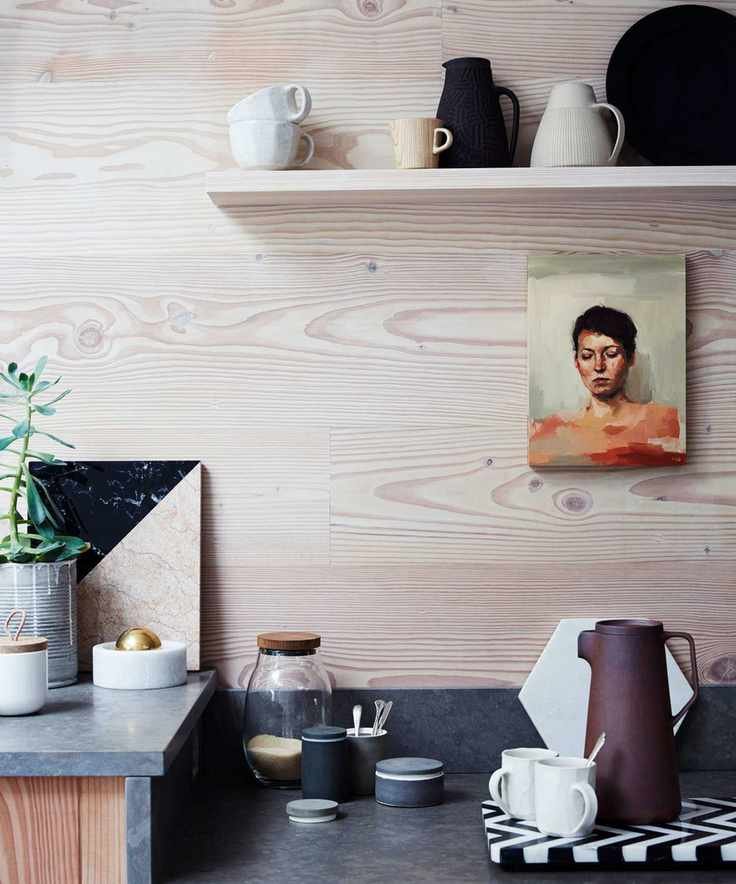
Thoughtful material choices define neutral kitchen designs. Warm wooden wall paneling offers a refined look, paired with smooth grey stone countertops.
This kitchen design showcases a rich natural palette, with layers of wood, stone, and ceramics enhancing the overall appeal.
8. Embrace Natural Materials for Timeless Elegance

Natural elements like wood, linen, and jute create a warm, inviting atmosphere. A round oak table brings softness, while a jute rug adds organic texture.
For a fresh twist, consider using terracotta planters filled with herbs or ferns.
9. Stick to a Cohesive Neutral Palette
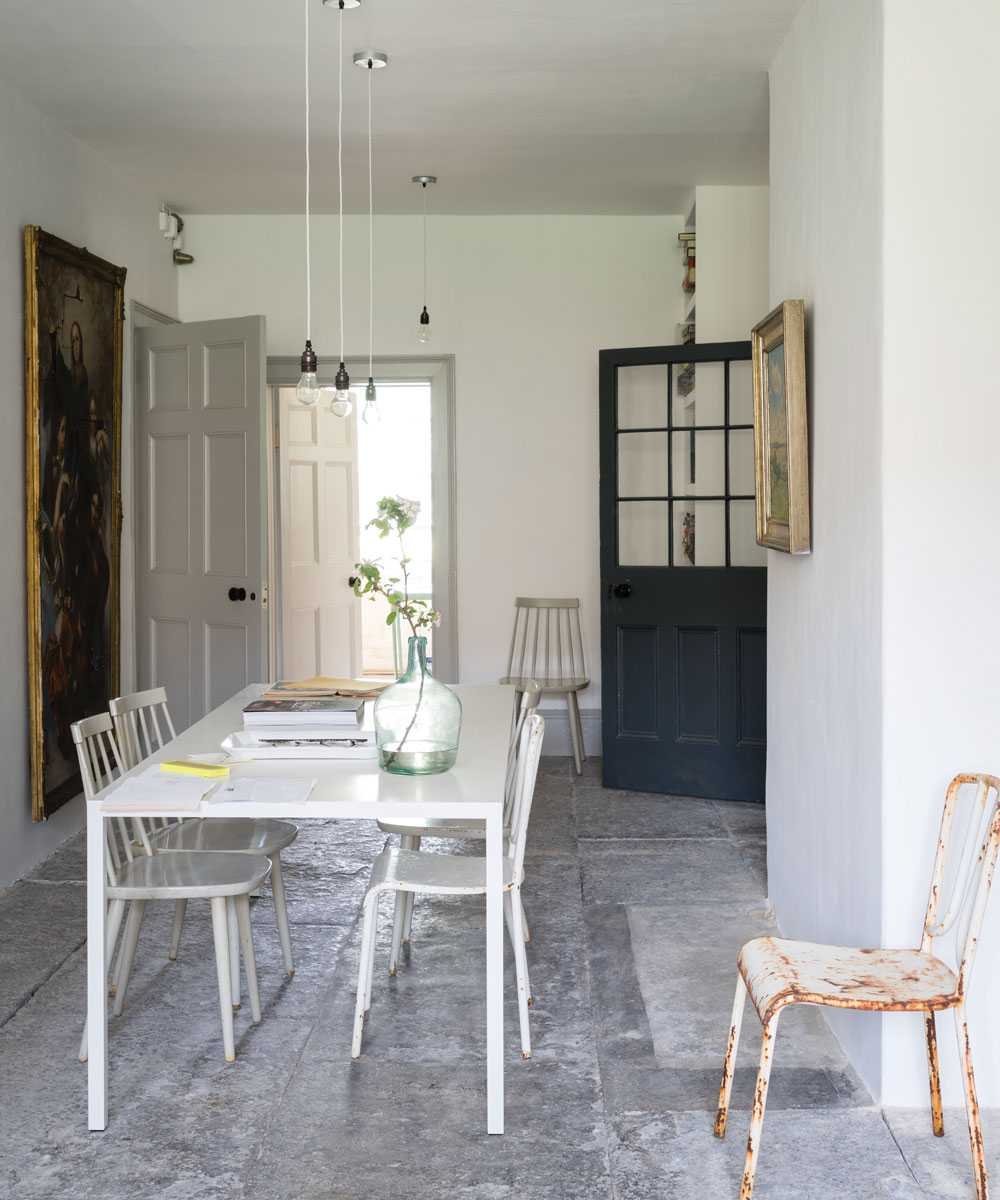
Commit to a single neutral tone while incorporating layers and hues from the same family to avoid a sterile look.
A paint brand simplifies this by grouping neutrals, guiding instinctive choices. A Scandinavian-inspired kitchen diner features calming greys that serve as a perfect backdrop.
10. Select New Neutrals for Dramatic Effects

While neutral tones usually brighten lower spaces, bedrooms can benefit from cozier shades.
'Earthy tones are trending for bedrooms,' advises a design leader. 'Opt for warmer hues with yellow undertones to maintain warmth even in darker shades.'
11. Use Black for Eye-Catching Highlights

When working with neutrals in children's rooms, consider materiality and architectural details. A monochrome palette can dilute the magic of childhood.
Designer Cortney Bishop illustrates a balanced neutral palette that offers playfulness, detailing how accessories can enhance a child's space.
12. Incorporate Earthy Metallics for Warmth

Warm metallics like bronze, gold, and copper provide enchanting accents in neutral bedrooms.
These tones harmonize beautifully with natural colors, enhancing the overall aesthetic while maintaining cohesion.
13. Opt for Yellow-Toned Neutrals to Radiate Warmth

Neutrals with yellow undertones—ranging from sandy to apricot shades—are ideal for sunny, south-facing rooms.
A warm color palette in a bedroom creates a serene atmosphere, perfect for hot climates.
14. Use Natural Materials for Textural Beauty

Furniture shapes significantly influence the interest within neutral spaces. A beautifully crafted limestone washbasin adds elegance to a bathroom.
This design showcases how natural materials can transform a typically sterile environment into a warm retreat.
15. Cultivate a Calming Haven with Natural Elements
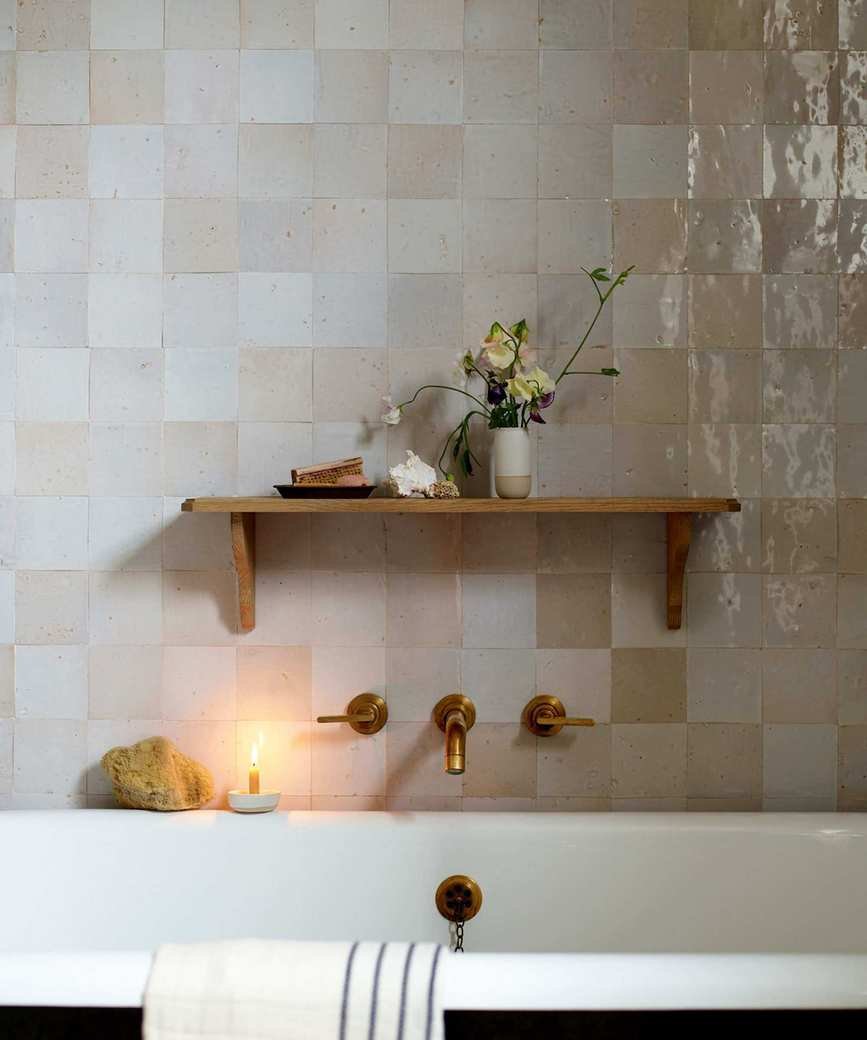
This room highlights the beauty of natural materials, juxtaposing a wooden shelf with aged brass taps and unique zellige tiles.
The oak shelf creates an inviting touch, balancing the cooler finishes often seen in bathrooms.
How to Style a Neutral Room?
Begin by assessing the light type in your space to choose a complementary color. Warm neutrals like cream suit cool light, while brighter shades work in warmer light. Add texture and subtle patterns using natural materials, furnishings, and fabrics. Layering lighting is also key, using warm bulbs for a welcoming environment.
How to Introduce Color to Neutral Rooms?
Adding color to neutral spaces works best with just two to three accent shades. Use throws and pillows for layering, incorporate area rugs, and select accessories featuring subtle accent colors. Consider painting trim or furniture with accent shades and introducing plants or floral arrangements for vibrancy.



