
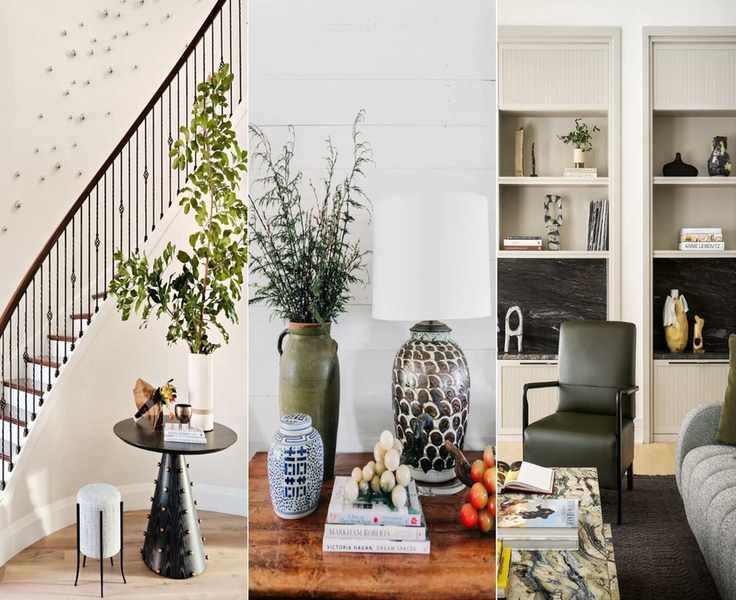
Styling a vignette can instantly elevate your space, blending classic design principles with your unique flair. Whether refreshing an empty table or revitalizing a neglected corner, vignettes are a quick route to a more polished look.
These decorative arrangements vary widely, yet experienced designers follow key guidelines to craft inviting displays. We gathered insights from professionals on how to showcase everyday items beautifully, presenting 12 innovative ideas to enhance any nook in your home.
Defining a Vignette
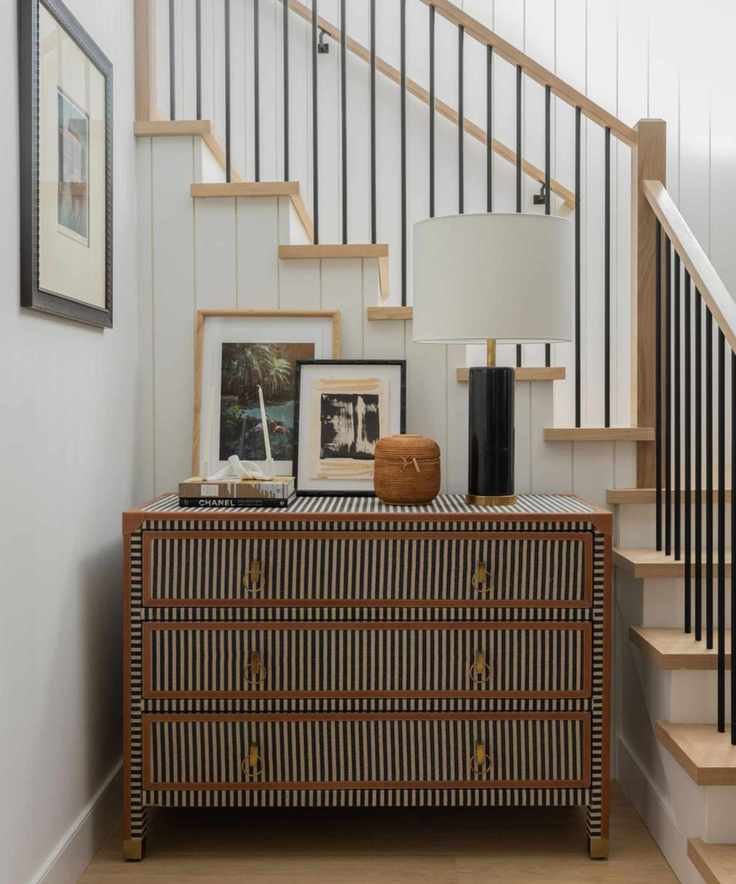
According to Paul Corrie, founder of a Washington, D.C.-based design firm, 'Vignettes allow for a curated collection of decor. They tell a mini-story, showcasing items from travels, cherished keepsakes, or personal art.' Understanding vignettes opens doors to endless interior design inspiration.
These arrangements can transform any area, from small forgotten spots to expansive displays. Caroline Brackett, a designer from South Carolina, notes that vignettes can encompass entire walls, integrating stools for extra seating or art for visual appeal.
12 Vignette Ideas for Every Space
Here are 12 expert-approved strategies for crafting captivating vignettes in your home, emphasizing color harmony, the rule of thirds, and negative space.
1. Revitalize an Unused Corner
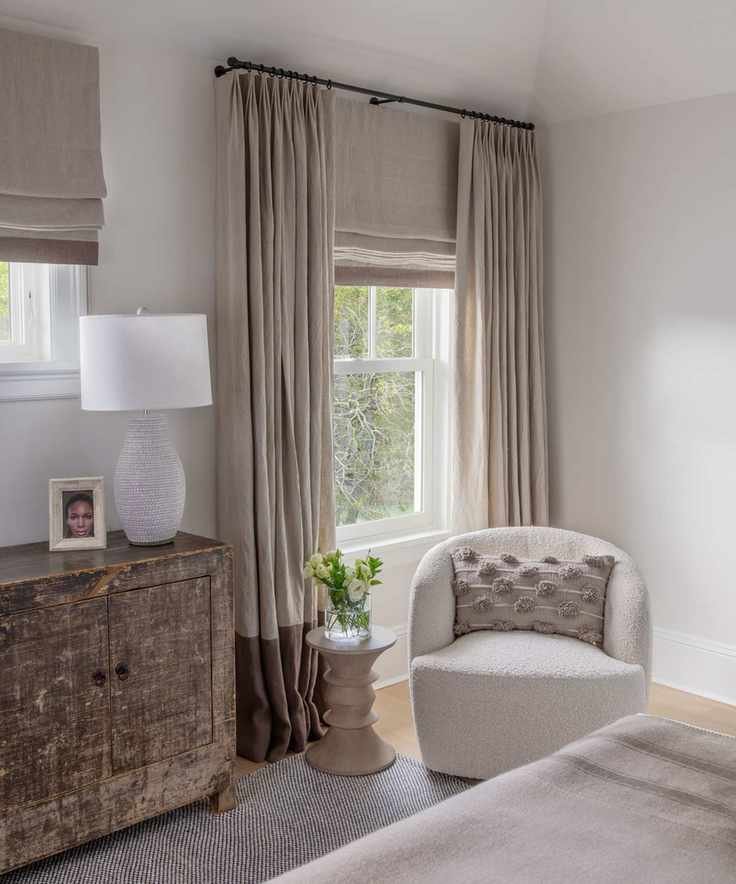
Gale Sitomer, a designer in New York, suggests transforming overlooked corners into cozy retreats. 'Layering is key to making these areas inviting. Include lush seating and surfaces for personal items like your phone or coffee,' she explains.
If near a window, soft drapery enhances the atmosphere. In windowless spots, consider adding lamps or art to draw attention and create warmth.
2. Start with an Abundance
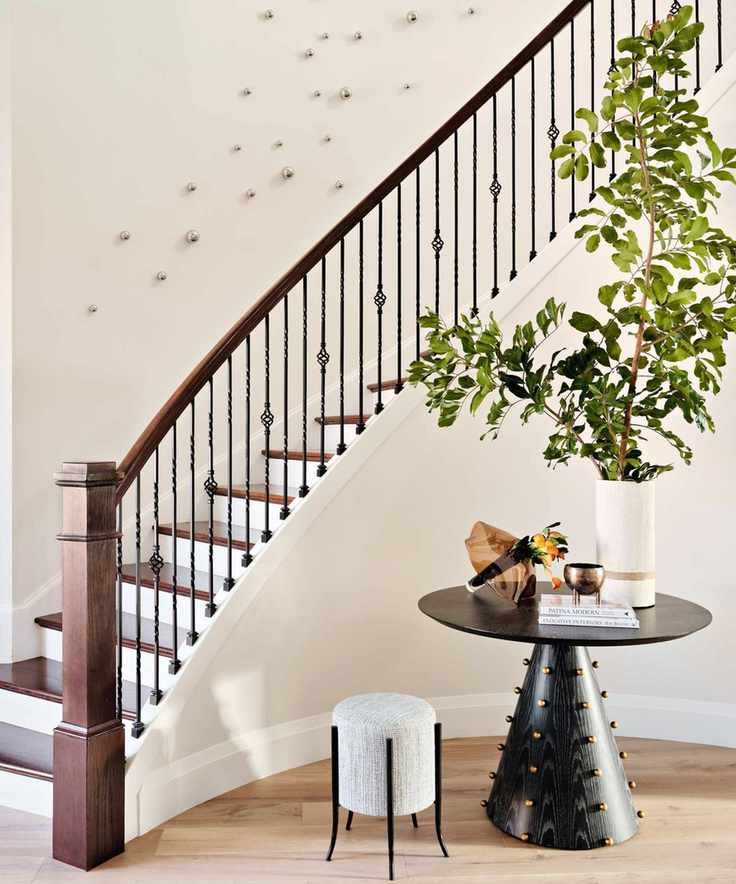
Rayana Schmitz from Florida recommends gathering an array of decorative elements before finalizing your vignette. 'Begin with more than you think you'll use and allow time to experiment with placement,' she advises.
This iterative process ensures you find the perfect arrangement, balancing visual elements and avoiding clutter. Incorporate personal touches to enrich the vignette's character.
3. Use a Console Table as a Base
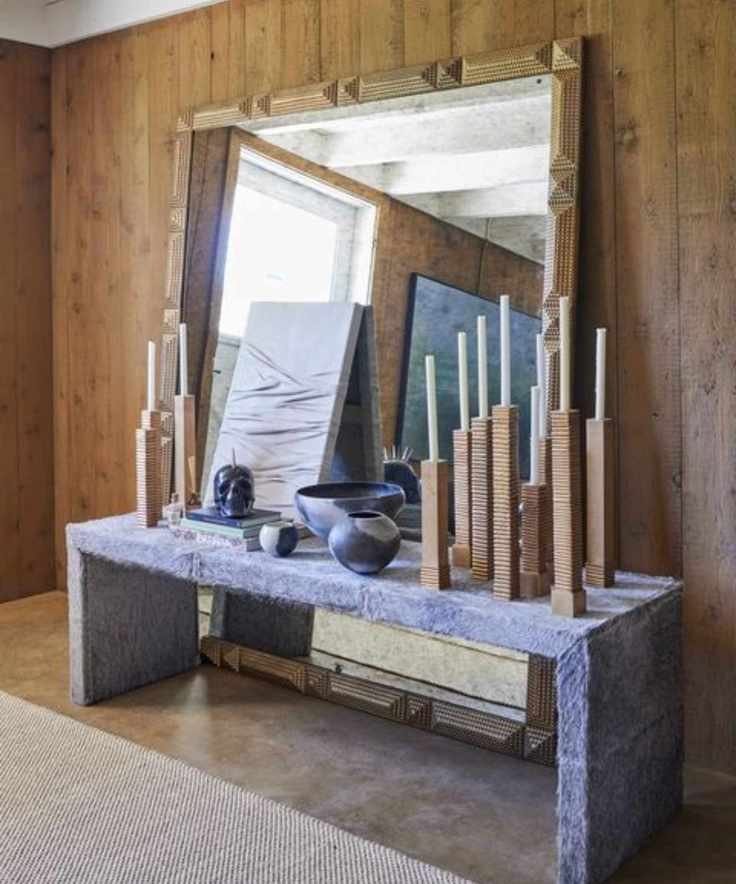
When designing a vignette in a living room, a console table serves as an excellent starting point. Layer it with accessories and surround it with artwork for a cohesive look.
Elizabeth Krueger emphasizes the importance of layering. 'Consider symmetry versus asymmetry when arranging elements like lamps and ottomans,' she says, noting how proportions and overlapping layers enhance the aesthetic.
4. Begin with a Tray
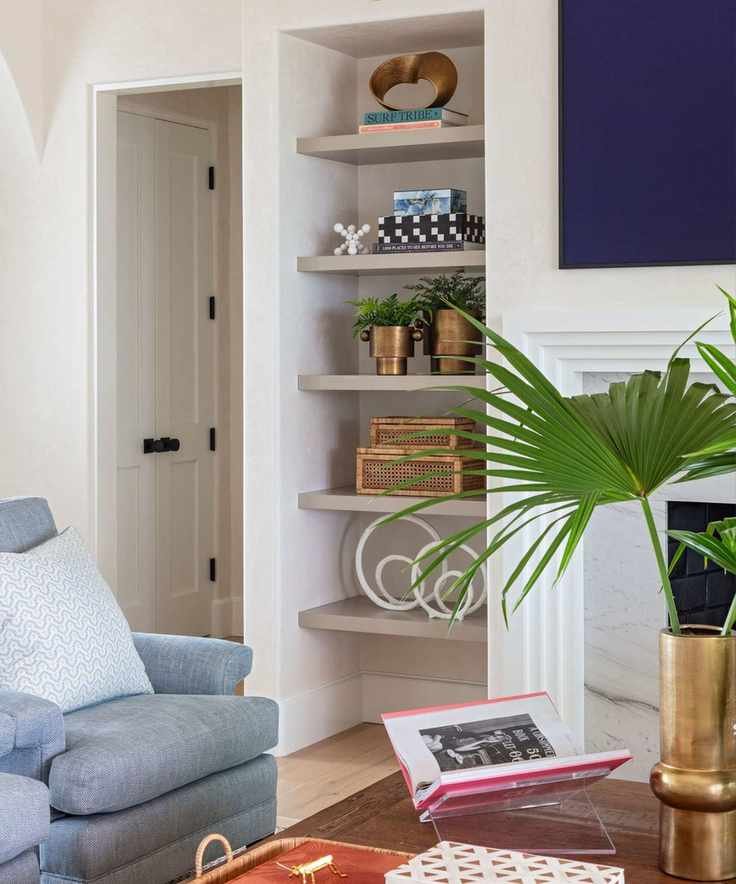
Trays offer a practical and stylish foundation for vignettes. Caroline suggests using a tray that complements your decor style, then layering items like colorful books, a vase, and a candle.
5. Visualize a Mountain Shape
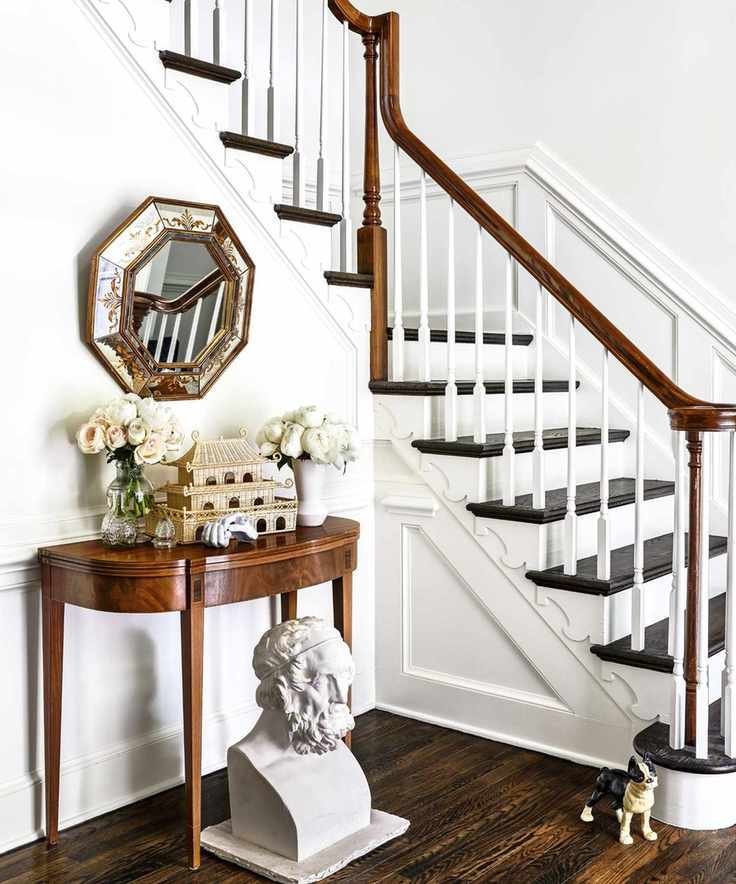
Paul recommends thinking of your display as a mountain, with a peak that gradually descends. 'Introduce taller pieces first, then fill in with smaller items for a harmonious flow,' he advises.
6. Personal Touches and Vintage Finds
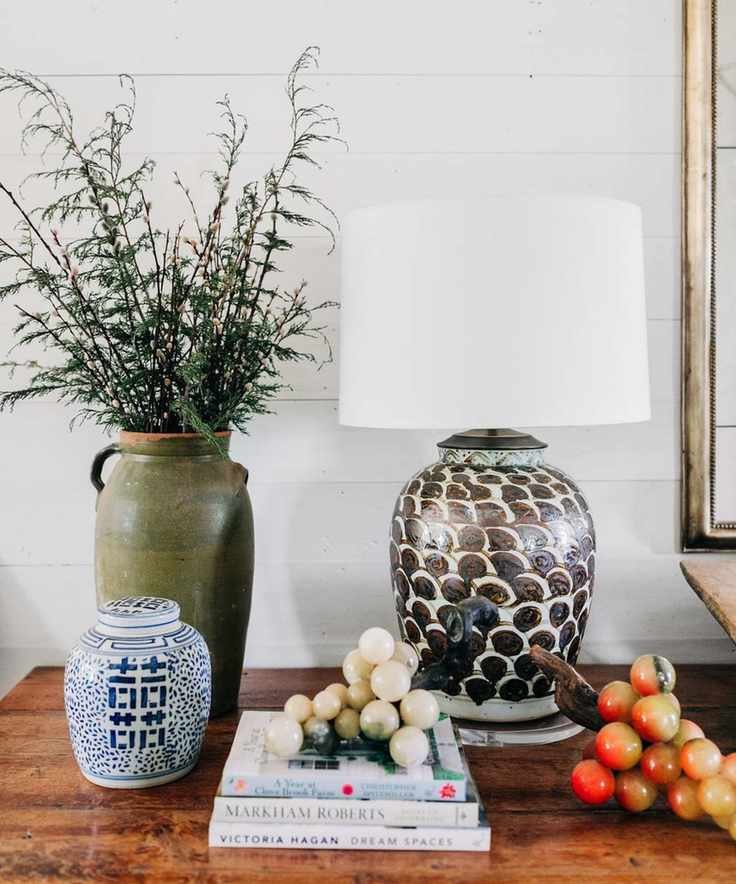
Incorporating family heirlooms and vintage decor adds warmth to your vignette. Jennie Bishop from Studio Gild believes that these items hold more meaning than contemporary finds.
Vignettes should reflect your personality, showcasing colors and objects that resonate with you.
7. Create a Unified Color Palette
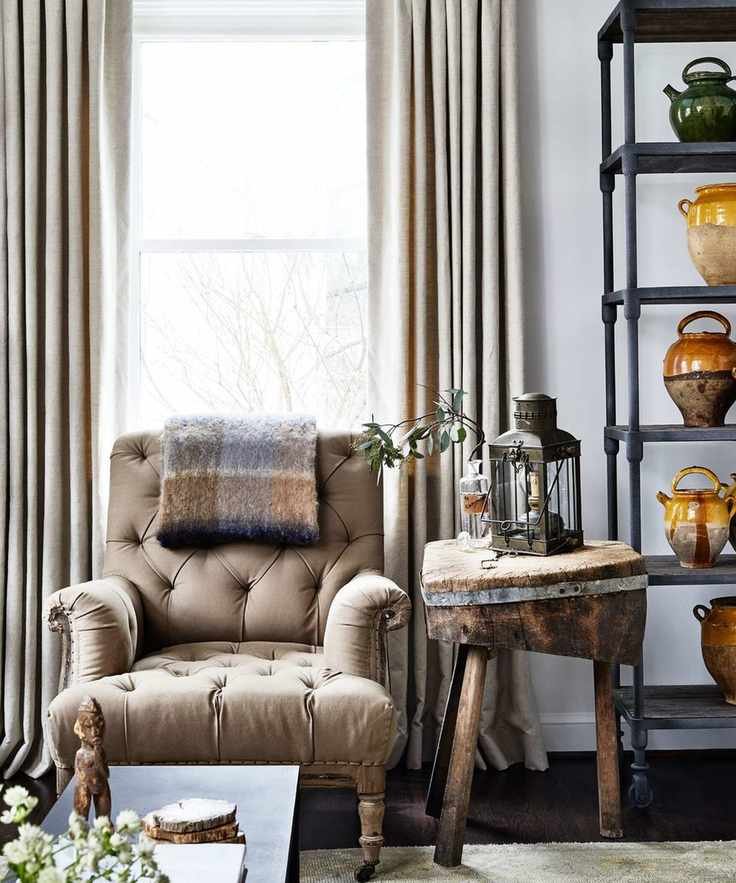
Color cohesion is vital. Paul emphasizes that thoughtful color choices avoid chaos in your display. 'Select shades that complement each other for a polished look,' he suggests.
8. Embrace the Rule of Thirds
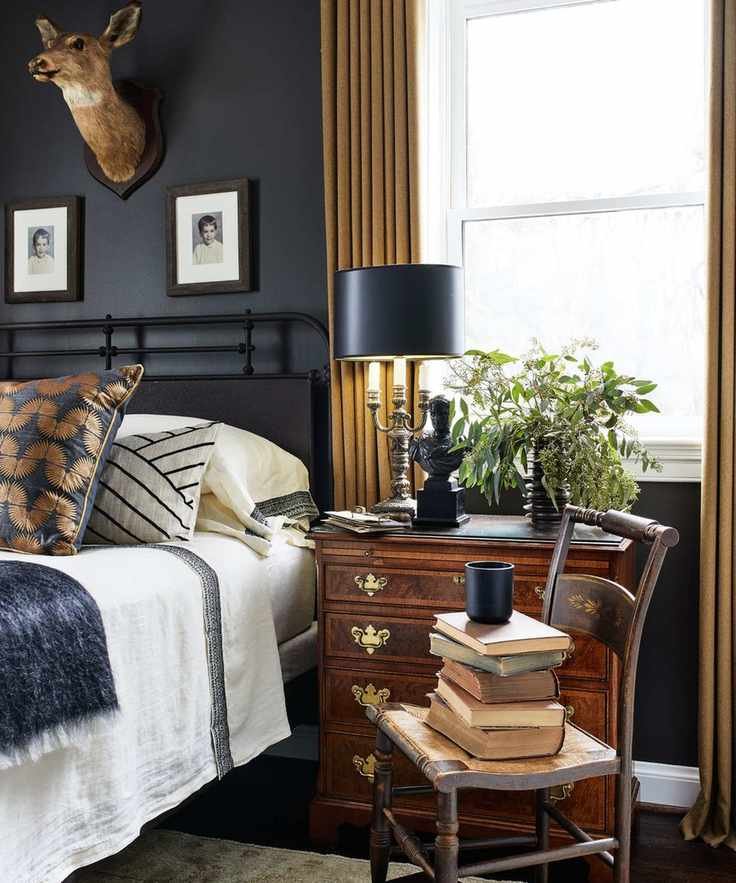
This design principle helps with balance and symmetry. Caroline explains that grouping objects in odd numbers creates a visually appealing arrangement. Mixing shapes and sizes adds interest.
9. View from Multiple Angles
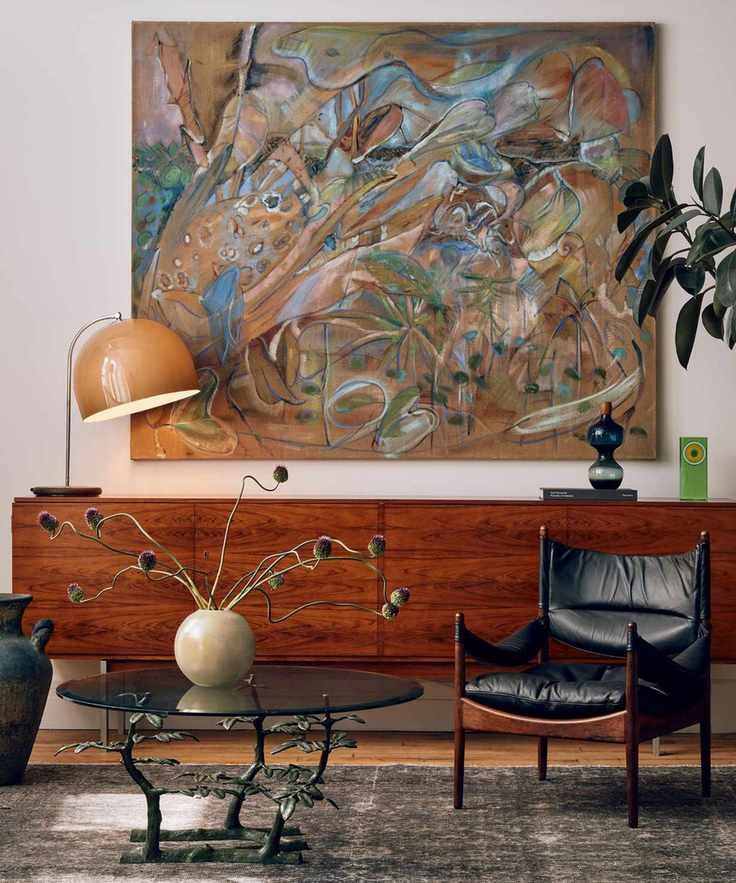
Consider your vignette from different perspectives. Joe and Megan from a Brooklyn design studio suggest assessing how it looks from various angles to achieve a well-rounded arrangement.
10. Pay Attention to the Background
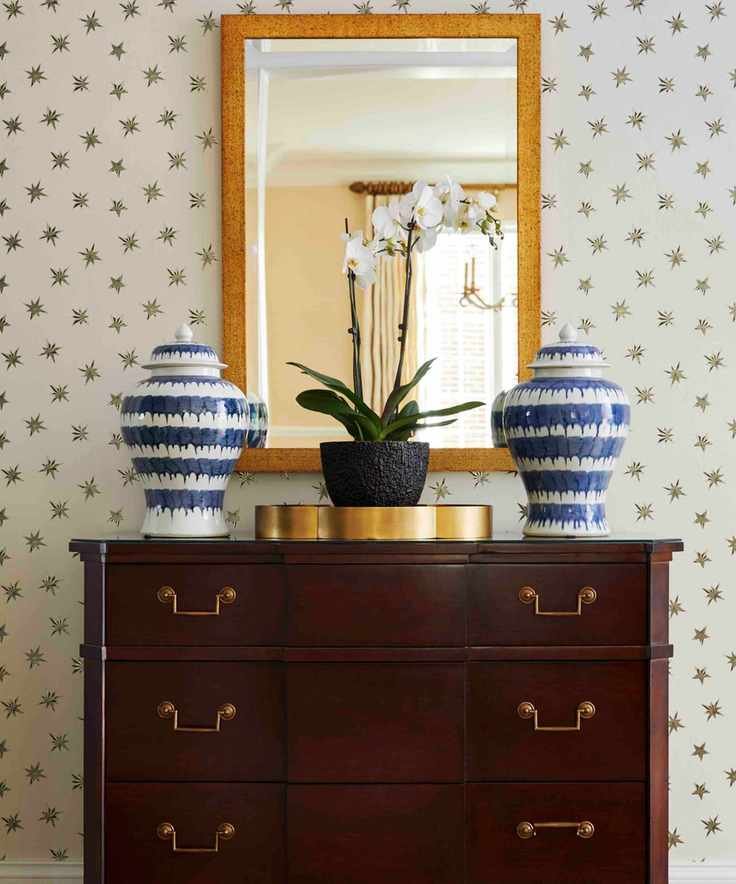
Your vignette's background influences its overall impact. Caroline highlights the importance of choosing contrasting colors or patterns to enhance your display.
11. Embrace Negative Space
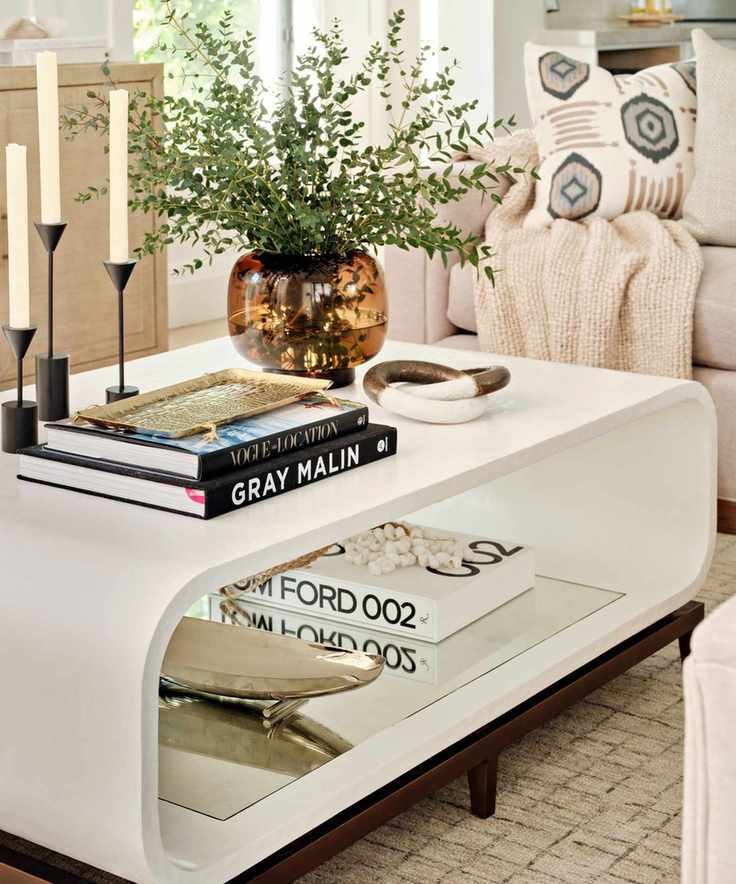
While layering is essential, allowing negative space is equally important. Nick Cryer advises leaving gaps for each item to shine, avoiding overcrowding while maintaining visual balance.
12. Add Plants for Freshness
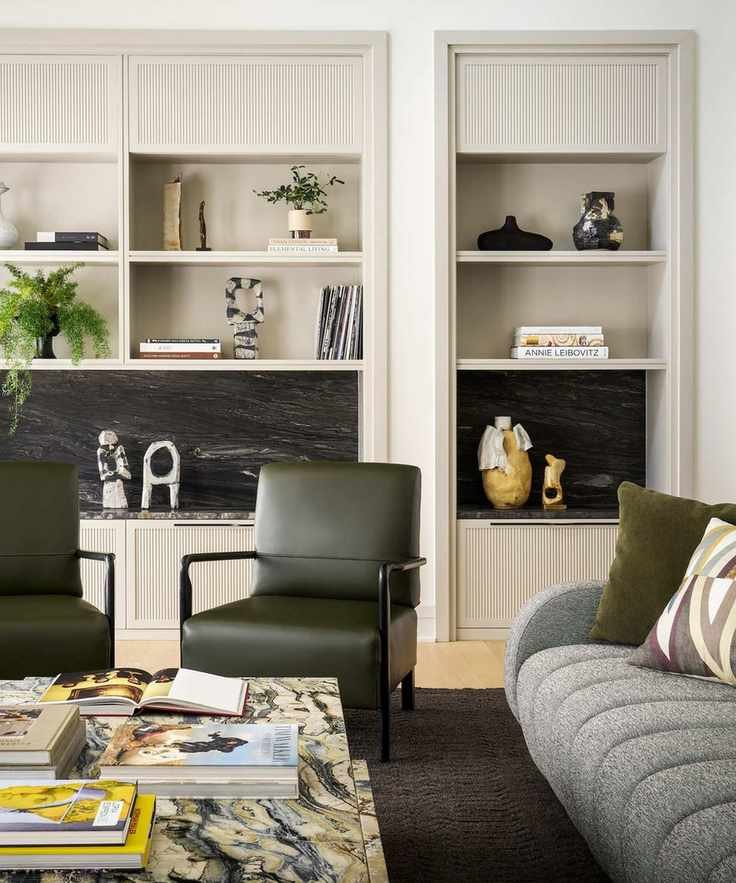
Incorporate greenery to enliven your vignette. A few potted plants can rejuvenate any dull area. Jennie loves using plants to complement books and decor pieces.
These vignette suggestions should inspire your creative journey. Remember to make it personal with meaningful items, and enjoy experimenting with colors and shapes. With thoughtful editing, you'll transform any forgotten space into a stylish vignette.



