
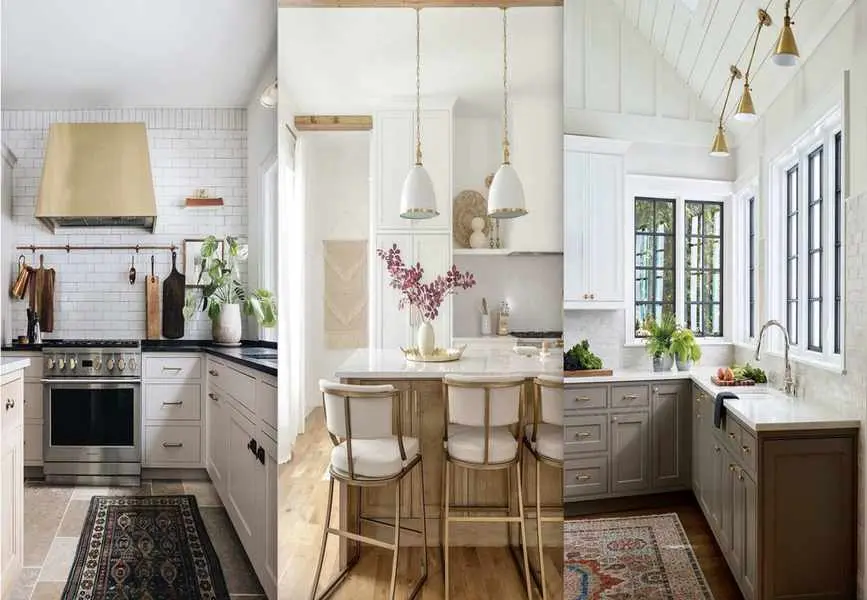
A well-designed lighting plan can significantly enhance your kitchen experience, whether you're cooking or entertaining.
Effective schemes often involve a layered approach that adjusts lighting based on time of day and tasks. Farmhouse kitchens may present unique challenges, like lower ceilings (often 7ft (2.1m) or lower), limited natural light, and numerous beams and trusses.
Farmhouse kitchen lighting ideas – get inspired
Creating an effective lighting design is crucial. Integrate lighting ideas into your farmhouse kitchen planning from the outset for the best results.
Consulting a lighting professional can help you coordinate with your electrician and kitchen designer for optimal illumination from all angles.
1. Incorporate rustic pendant lights

Farmhouse kitchens shine with rustic textures and natural materials. When selecting ceiling lighting, consider materials that enhance the space's character.
James Thurstan Waterworth, founder of Thurstan Design, emphasizes the importance of texture in design. 'Consider materials like wood, metal, and ceramics and how they contribute to the overall feel.'
This sustainable ceiling light, made from mycelium and green wood waste, offers earthy tones that beautifully complement greenish-blue walls. It's an eco-friendly choice for any home.
2. Use table lamps in traditional kitchens
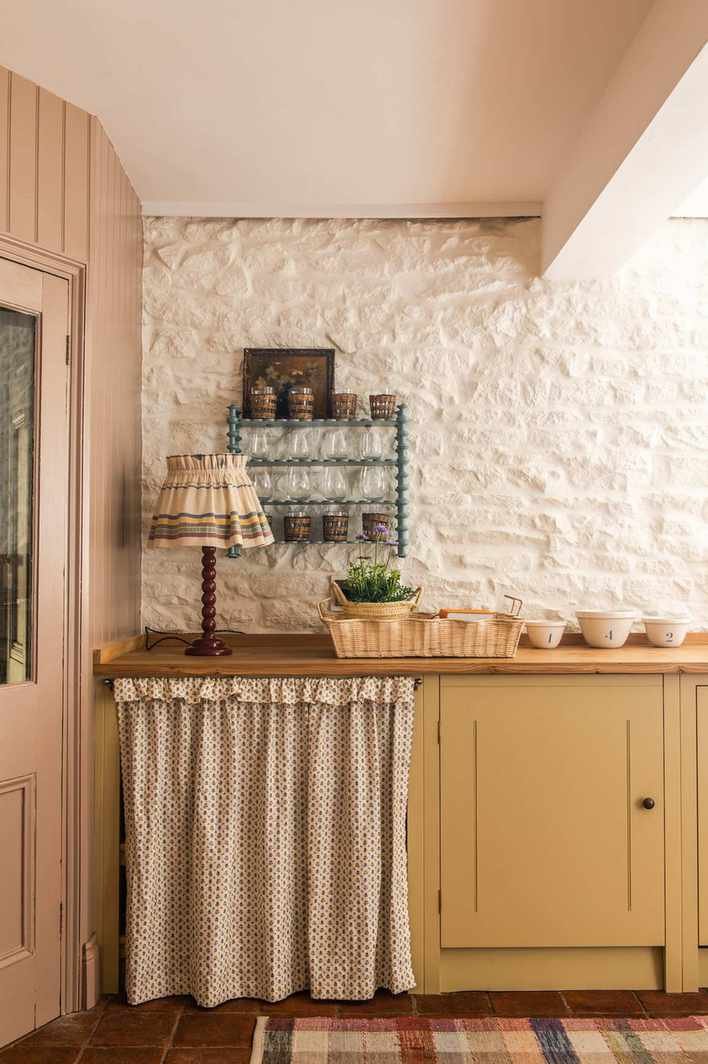
Farmhouse kitchens exude charm through their historical features and cozy atmosphere. To maintain this character, table lamps are an excellent option, as Melanie Griffiths, editor of Period Living, suggests.
'While spotlights are useful for tasks, they can create harsh lighting. Table lamps offer a warm glow, perfect for a farmhouse setting. Pair them with fabric shades to blend with window treatments or cabinet skirts.'
'They also work well with exposed stone or brick walls, eliminating the need for intrusive wiring,' she adds.
3. Enhance ambiance with wall fixtures
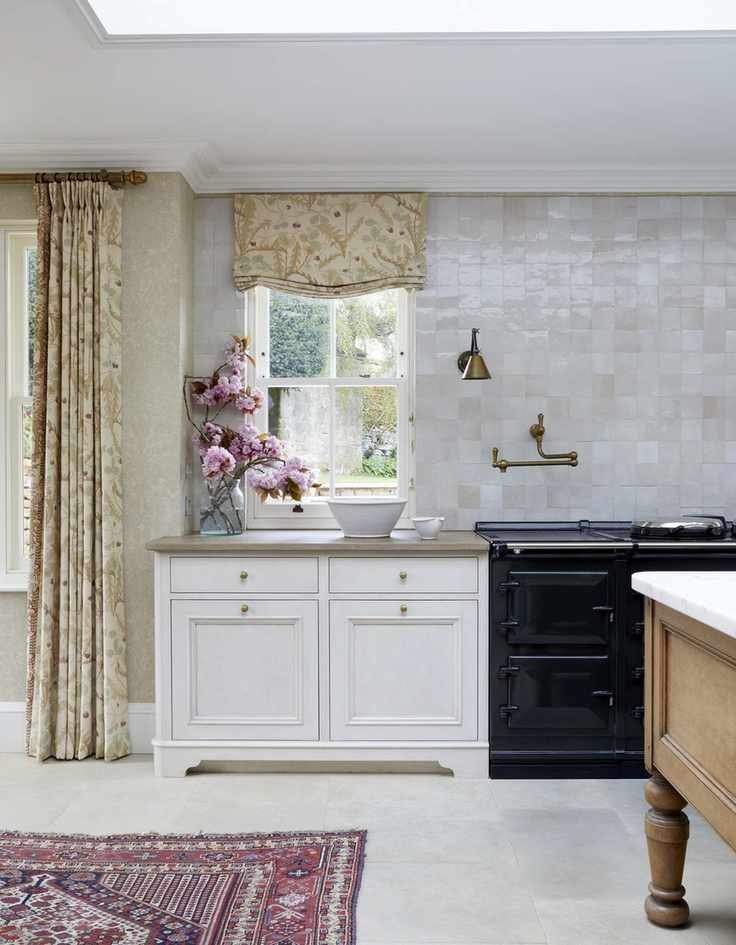
Far from just functional, farmhouse kitchens are central to family life. Henriette von Stockhausen, interior designer and founder of VSP Interiors, highlights the need for atmospheric lighting.
'Kitchens are now social spaces, so wall lights provide a cozy glow, enhancing gatherings and activities.' Opt for burnished brass fittings for added warmth.
4. Introduce a splash of color

Pendant lights can provide both task lighting over an island and a pop of color in a farmhouse kitchen.
Consider the existing architecture when adding color to your lighting. Vibrant hues can complement rustic elements without overwhelming the room's character.
5. Embrace layered lighting

Using various light sources is key in farmhouse kitchens. Richard Moore, design director at Martin Moore, states that controllable lighting allows for mood adjustments.
'Combine ceiling spots, wall fixtures, pendants, and under-cabinet lights for versatility, transforming your space from a workspace to an entertainment area,' he explains.
6. Subtle color in minimalist designs
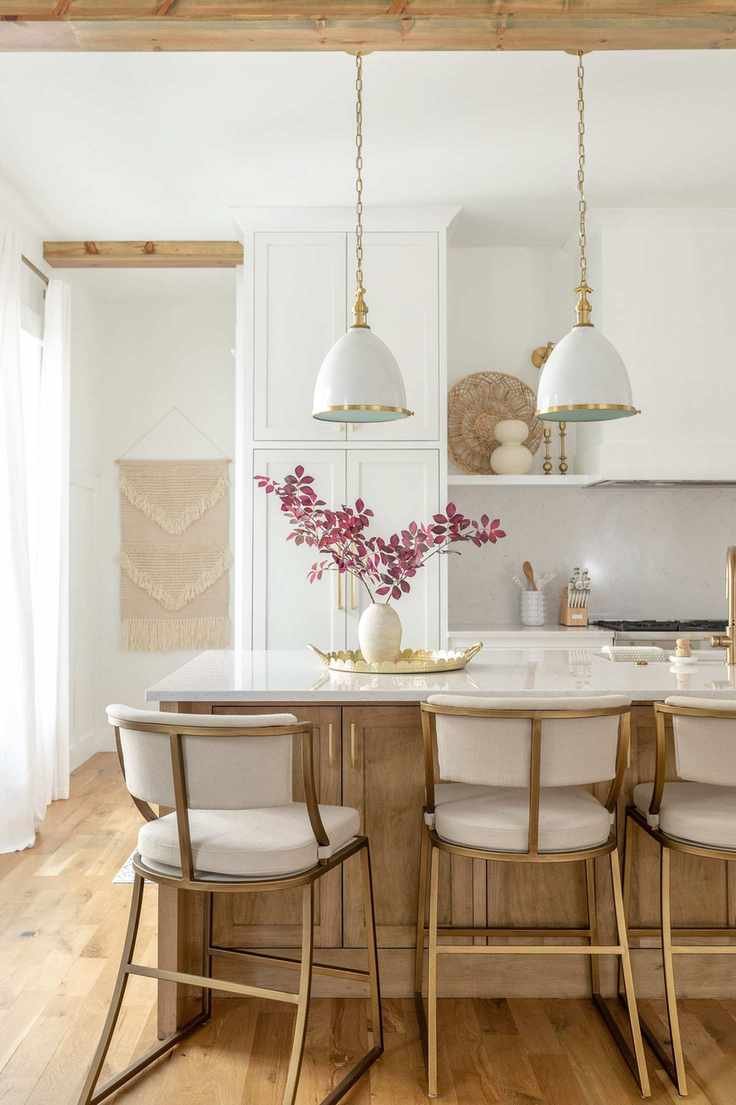
Styling / Kendall Hancock
Modern farmhouse designs often feature muted colors with occasional subtle pops. This Oklahoma home showcases mint green pendants that add a soft touch to an otherwise neutral palette, as noted by designer Jaime Parker.
7. Balance cozy with modern elegance
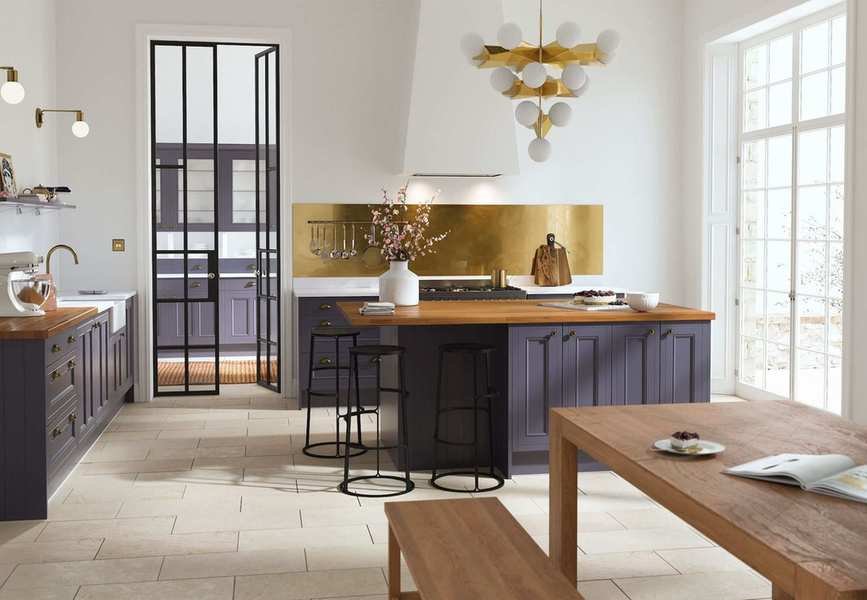
Elevate your farmhouse kitchen with upscale finishes and lighting designs. Brass accents and contemporary chandeliers can enhance the aesthetic.
Darren Watts from Wren Kitchens advises including decorative elements while keeping some utensils visible to foster a warm, lived-in feel.
8. Layer your light sources

Consider different lighting styles for a farmhouse kitchen. Ben Marshall from Hudson Valley Lighting explains the significance of ambient, task, and accent lighting.
'Ambient lighting provides a general glow, while task lighting aids in cooking and other activities. Accent lighting highlights design elements, creating a unique atmosphere.'
9. Mix styles for contrast

Mixing different lighting styles can create a relaxed and inviting vibe. Lauren Meichtry of Elsie Home emphasizes using vintage pieces alongside modern fixtures for an eclectic look.
Combine various designs, like a classic pendant with a modern spotlight, to create a cohesive family of lighting.
10. Illuminate cabinets
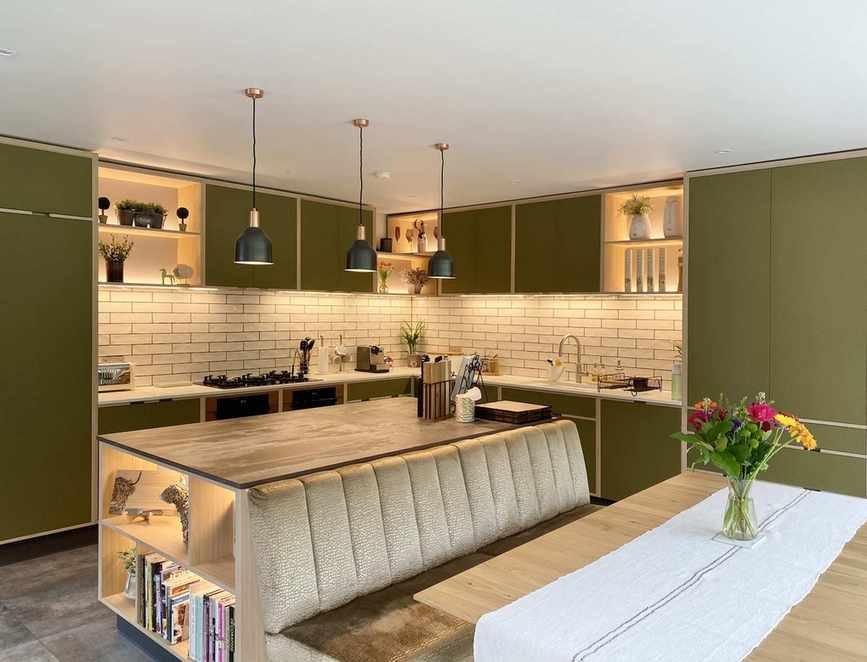
Lighting should be a priority in kitchen planning. Marketa Rypacek from Industville suggests incorporating in-cabinet lighting for a cozy evening ambiance.
11. Cluster lights for impact
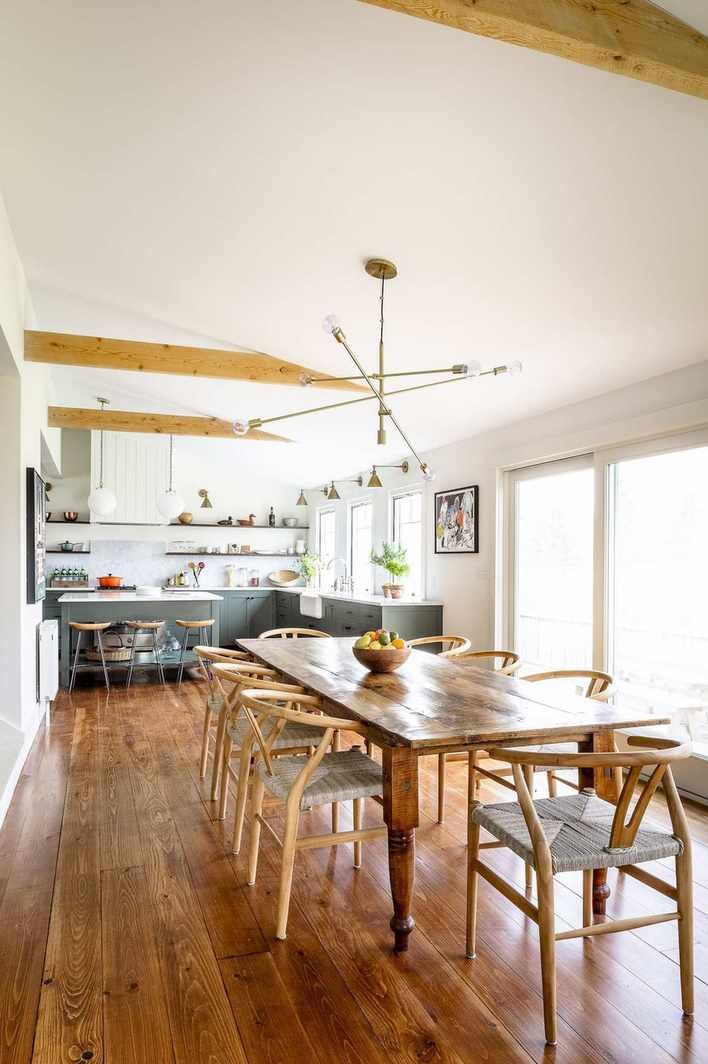
To avoid a small lighting fixture looking insignificant, consider a cluster of smaller lights arranged in a line or varying heights. This creates an eye-catching display, as seen in a Maine kitchen designed by Jessie Tobias Design.
12. Embrace a mix of old and new

A modern farmhouse celebrates both history and contemporary design. Champalimaud Design utilizes statement lights to create harmony between vintage and modern elements.
13. Fit multiple lighting sources

Kitchens require a balanced distribution of light. Consider incorporating mini pendants, like deVOL's handmade options, which add interest while providing ample illumination.
14. Industrial flair
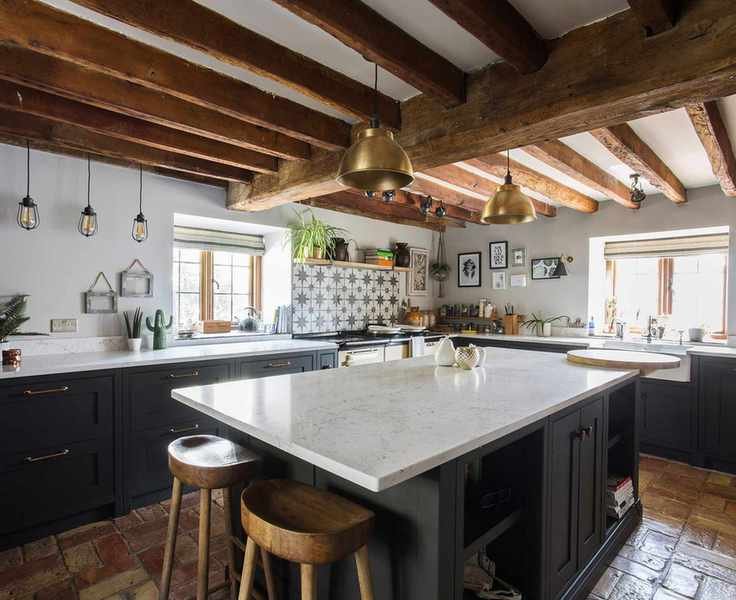
Industrial lighting pairs well with rustic finishes typical of farmhouse kitchens. This style includes Edison bulbs, caged pendants, and large factory shades for an eclectic look.
15. Go big with shades
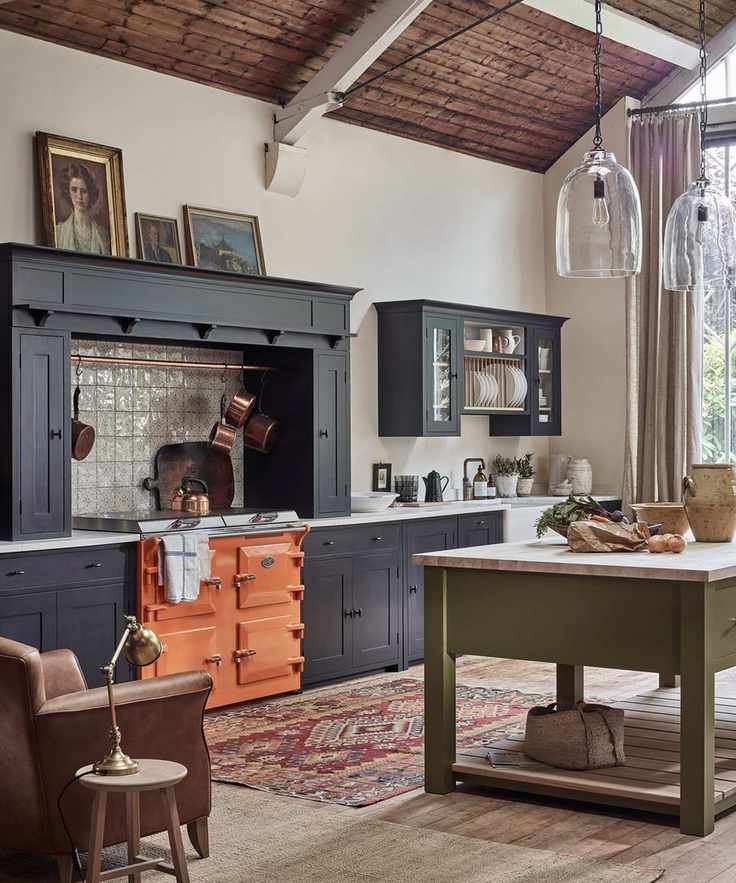
If you want impactful pendants, opt for larger shades in neutral colors. The transparency of these fixtures ensures they won't overpower your kitchen's decor.
16. Work with wall lights
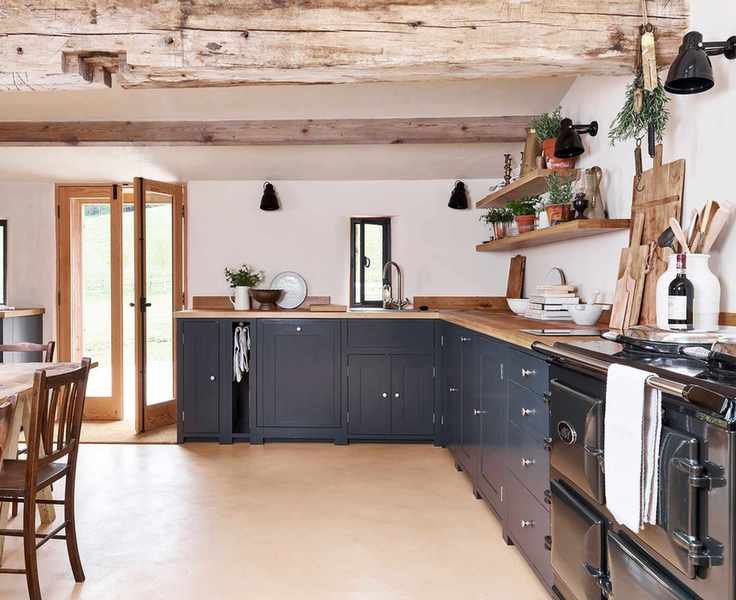
Wall lights can define specific areas for cooking and prep. Emma Sims-Hilditch from Sims Hilditch recommends using dimmable options to adjust lighting intensity as needed.
17. Align your lights
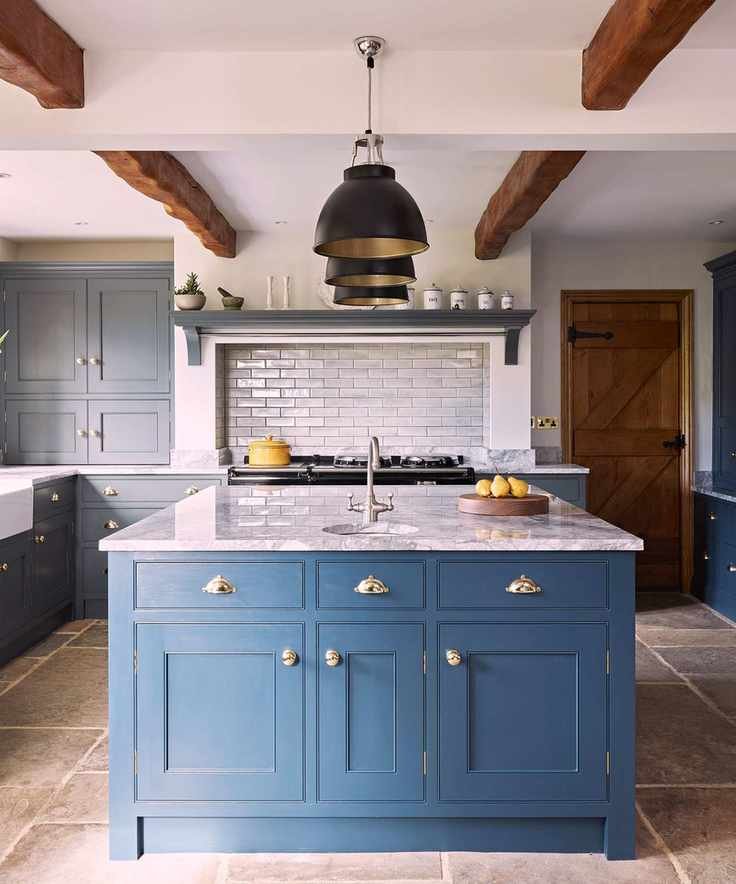
Pendants should be hung symmetrically for aesthetic appeal. Collaborate with your designer to ensure they suit your kitchen's proportions and your preferences.
18. Create a striking focal point

Utilize dramatic lighting, like upcycled chandeliers made from fishing nets, to enhance your kitchen's character and draw the eye upward.
19. Hang lights low for visibility

For high ceilings, consider hanging pendants closer to work surfaces. Experiment with colored cables and Edison bulbs for a playful touch.
20. Maximize light distribution
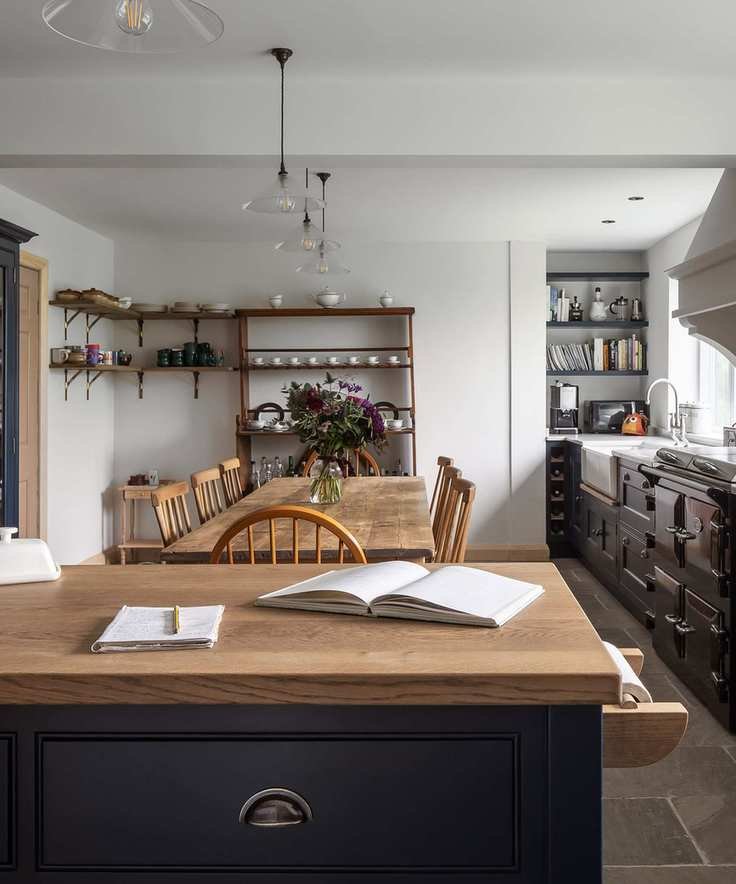
In low-ceiling kitchens, transparent shades can elevate the light without drawing attention to their height. A series of hanging pendants can visually elongate the space.
21. Be cautious in old buildings
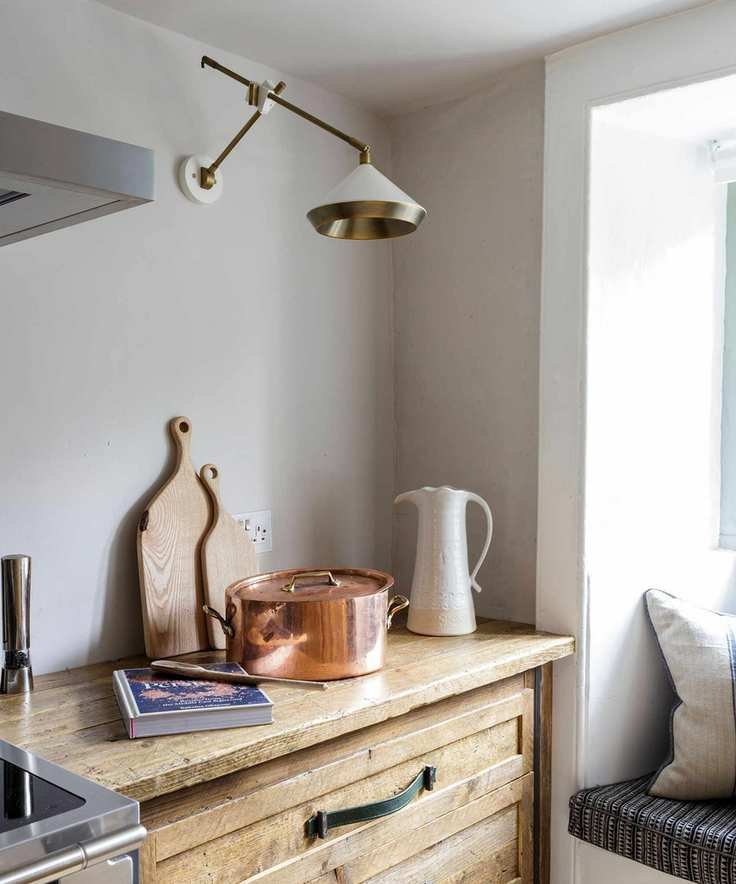
In listed buildings, wall lights are often more practical. Irene Gunter of Gunter & Co suggests adjustable fittings for focused illumination.
How to light around wooden beams?
To illuminate wooden beams, downlights are ideal. In vaulted ceilings, surface-mounted spotlights can effectively direct light, enhancing the wood's texture.
How to light a kitchen with low ceilings?
For low ceilings, uplighting can create an illusion of height. If units extend to the ceiling, focus on vertical surfaces to brighten the space.
What lighting style suits a farmhouse kitchen?
Farmhouse kitchens benefit from decorative fixtures. Classic pendants or understated antique lanterns work well, complemented by architectural lighting that enhances the room's features.



