
With increasing life expectancies, planning for a secure retirement has never been more important. Many Americans over 50 are concerned about their financial readiness, with a significant number reporting they have no retirement savings at all. A recent survey indicates that over half of older adults doubt they'll have sufficient funds for their extended lifetimes.
Traditionally, pension plans supported retirees, but now we primarily depend on Social Security—potentially at risk of depletion by the mid-2030s—and our 401(k) savings. Disturbingly, only 50% of those eligible for a 401(k) actually utilize these accounts. Furthermore, life expectancy has risen dramatically; between 2000 and 2019, it increased by over six years. This shift necessitates a new approach to retirement planning.
It’s essential to formulate a strategy. Effective retirement planning can turn what might feel like a daunting phase into an exciting opportunity to explore your passions.
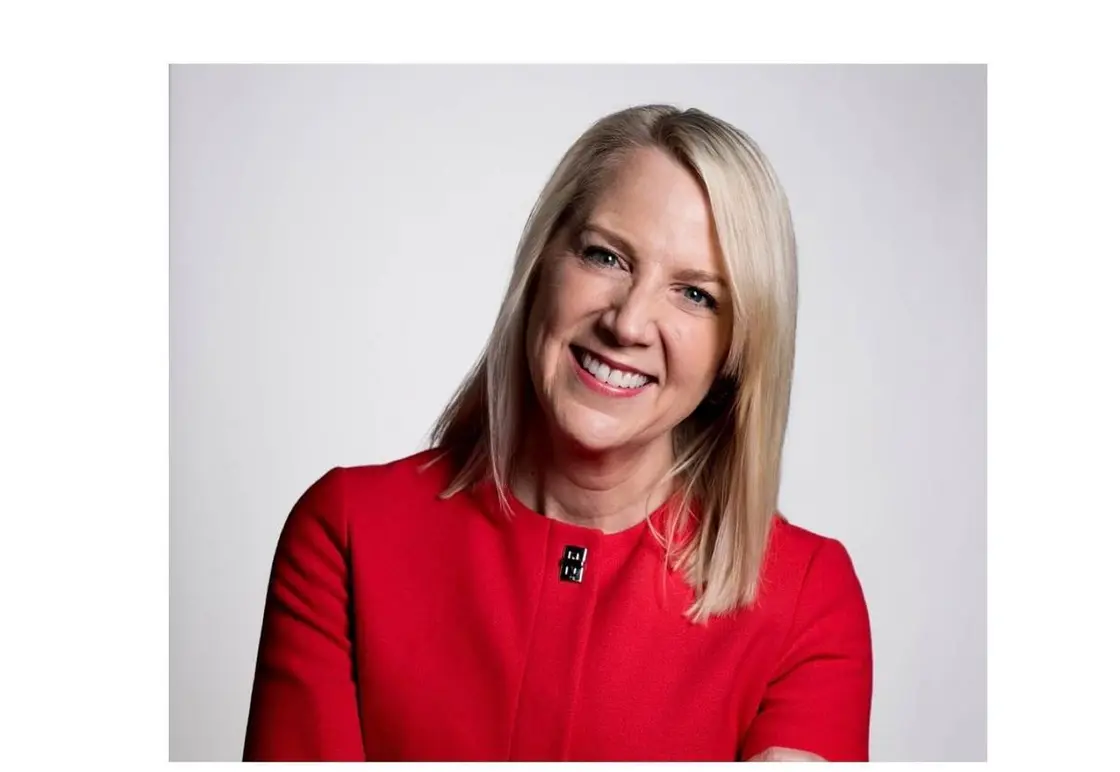
In her insightful book, How To Retire: 20 Lessons For A Happy, Successful, And Wealthy Retirement, the author gathered insights from 20 retirement experts to highlight key strategies for success. Here are her top three recommendations for achieving the retirement you desire.
Retirement Strategy #1: Implement the Bucket Approach
Have you heard about the “bucket strategy”? This method involves maintaining a cash reserve to provide peace of mind during market fluctuations. While you still invest in a portfolio, having a cash reserve enables you to avoid selling investments during downturns.
How much should you keep in cash? If you're withdrawing about 4% annually, it's suggested to keep around 8% (or approximately two years' worth) of living expenses in your cash bucket. This cash should be in a high-yield savings account to earn interest while remaining accessible.
Retirement Strategy #2: Explore Semi-Retirement Options
The Bureau of Labor Statistics projects a 96% increase in the number of people aged 75 and older still in the workforce by 2030. Many may need to work longer due to insufficient savings. Working can allow for additional years of investment growth while limiting withdrawals from savings.
Moreover, there are significant non-financial benefits to semi-retirement. Many individuals find fulfillment and purpose in their work beyond just financial gain. Choosing a less stressful job can keep you engaged and connected to your community.
Retirement Strategy #3: Crunch the Numbers
One common reason for retirement shortfalls is failure to assess future needs accurately. It's advisable to take the time to estimate your monthly expenses in retirement, even if the calculations are rough. Start by visiting the Social Security Administration website to estimate your benefits.
Combine this figure with potential withdrawals from your savings, keeping the 4% rule in mind. For instance, with a million-dollar portfolio, a 4% annual withdrawal allows for $40,000 in the first year. Assessing Social Security alongside this amount helps you determine if you're on track to meet your income needs.
Final Thoughts
Regardless of your planned retirement timing, taking charge of your finances is crucial for success. Don’t leave your future to chance. By being proactive and strategic in your retirement planning, you can foster not just confidence but also a retirement uniquely tailored to your aspirations.



