

If you're looking to enhance your home decor, you're in the right spot. We've gathered recommendations from the most acclaimed designers to help you embark on your next interior project with confidence.
Interior design encompasses a wide range of elements, from understanding colors to practical advice on furnishing your space effectively. Here, we highlight the most important insights from our favorite designers that you should keep in mind.
These interior design tips will guide you on choosing furniture, fabrics, color schemes, lighting, and much more.
Key Interior Design Tips
Stay ahead of trends with home decor ideas from renowned designers, and learn how to incorporate the latest trends into your spaces with our essential tips.
1. Introduce Personality with Upholstery and Rugs

Transform your space without having to repaint by using patterned rugs and unique upholstery. Combine these with eclectic art and decor to create a vibrant and welcoming atmosphere.
'Our clients wished to personalize their rental space, so we curated a colorful and stylish furnishing solution,' explains Samantha Todhunter. 'The neutral backdrop allowed our creative vision to flourish, blending classic shapes and bold colors for a fresh and dynamic result. This design can easily adapt to any new space, ensuring a lively ambiance wherever they go.'
2. Utilize a Mural as a Headboard

Wall murals can dramatically alter the feel of a room. For instance, a bold mural behind a bed creates a striking focal point, while small-scale patterned cushions can tie the look together.
'In the master bedroom, we chose aqua blue as an accent color to promote a serene atmosphere,' shares Natalia Mylar. 'A botanical Fromental wallcovering serves as a stunning backdrop, harmonizing beautifully with the luxurious blue velvet upholstery. Crisp white elements add a refreshing touch to the space.'
If your budget allows, you can commission bespoke wallpaper, or many brands offer customizable designs to fit your room's dimensions.
3. Experiment with Painted Patterns

Consider using paint to breathe new life into furniture. This eco-friendly approach allows you to express your creativity.
'Painting is the ultimate DIY project — it not only transforms your space but is also therapeutic,' advises Annie Sloan. 'Adding stripes to lampshades or revitalizing an old dresser with color can significantly enhance your home's appeal.'
4. Make a Statement in Small Areas

Your downstairs bathroom, while small, can benefit from bold patterns and colors. It's the perfect space to experiment with vibrant designs.
'Color and pattern are key to our designs,' says Lucy Barlow, creative director of Barlow & Barlow. 'Combining various patterns not only brings energy to a room but also creates a joyful environment! We enjoy mixing busy florals with simpler stripes, as they complement each other while adding visual interest. Small spaces like bathrooms are ideal for showcasing daring patterns.'
5. Embrace Wallpaper for Entire Rooms

Be bold with your design choices and cover all walls with the same wallpaper instead of limiting it to a feature wall. You can even coordinate your window treatments with a complementary pattern.
'Adding color to a room can be easily achieved with bold wallpaper or paint,' suggests Emma Deterding, creative director and founder of Kelling Designs. 'Choose something you love and cover the entire room to create a cohesive look.'
6. Combine Horizontal and Vertical Stripes

Using stripes of varying sizes both horizontally and vertically can create an engaging visual effect. Stripes across a fireplace can widen the space, while vertical lines on a wardrobe can enhance height.
'In designing this nursery, we aimed to create a cheerful and enduring space,' explains Andrew Griffiths of A New Day. 'The yellow closet adds a pop of color against the soft stone walls, while the contrasting lines of the fireplace and wardrobe add a playful touch.'
7. Create a Unique Installation

Decorative details in unexpected areas can create a stunning focal point. This Milanese-inspired bathroom showcases a striking tile design that contrasts beautifully with the home's period features.
'Patterns can introduce a distinctive element into a room, but achieving balance is essential,' notes Pandora Taylor. 'I loved these unique mosaic tiles, but using them throughout would be overwhelming; instead, I incorporated them in the shower area to create a delightful surprise against the plain walls.'
8. Incorporate Print into Shelving

Layering various fabrics and wallpapers can help create a cozy and inviting atmosphere. Utilize offcuts or a roll of wallpaper as part of your bookshelf decor, alongside your cherished books and items.
'I enjoy integrating different patterns within a room to foster character, keeping in mind the balance between bold and subtle prints,' explains Lucy Cunningham. 'Applying wallpaper to the backs of shelves is an excellent way to introduce color and pattern for those who may not feel confident using it throughout a room.'
9. Maintain Consistency in Style

For a cohesive look, select designs that share a common theme when mixing patterns. If you're using bold graphics, ensure that your florals reflect a similar simplicity.
'Creating a comfortable home is crucial in our designs, alongside establishing a unique feel,' states Katie Lion, senior interior designer at Kitesgrove. 'Incorporating a variety of patterns, prints, and textures results in a layered space, allowing standout features to shine. This approach is particularly effective in large open-plan areas.'
10. Foster Intimacy in Dining Areas

Including an upholstered banquette provides ample seating and creates a cozy atmosphere around the dining table. The bold red checkered design complements the striped upholstery of the chairs.
'In an open-plan setting, it's essential to ensure the furniture feels anchored. Banquette seating maximizes space while defining the dining area,' shares Isabella Worsley.
11. Embrace Upscaled Furniture

While new furniture is appealing, antiques add a charm that contemporary pieces often lack. Mixing older furniture with modern designs can create an eclectic yet unified look.
'We collaborate with Studio27, One Brick Lane, and The Restoration in London to source and upcycle mid-century pieces, infusing warmth and individuality into spaces while being budget-conscious,' explains Caz Myers.
12. Layer for Comfort

Adding layers to a room is essential for both comfort and aesthetics.
'A simple yet effective way to achieve this is by using a cloth-covered table, whether it's a console, coffee, or side table,' suggests Nicole Salvesen of Salvesen Graham. 'This can be a classic look with a fringe or more contemporary with a modern fabric. A longer cover can also cleverly hide clutter underneath.'
13. Invest in Quality Fabrics

Opting for high-quality fabrics not only enhances the overall aesthetic but also ensures durability.
'For inspiring yet affordable fabrics, I recommend The Cloth Shop and Warris Vianni in west London,' suggests Georgina Cave.
14. Conceal Utilities

'In an open kitchen and living area, it's best to hide as many utilities as you can,' advises Martin Brudnizki. 'We have a wall of built-in cabinets that conceal appliances and cleaning supplies, adorned with framed botanical prints to add character to the limited space.'
15. Dress Windows for Natural Light

Bright, well-lit spaces are far more enjoyable than dark ones, but window treatment ideas can ensure they look stylish.
'Be strategic with window treatments. You don't always need heavy lined fabrics; unlined blinds can be effective and more budget-friendly,' suggests Emily Todhunter.
16. Replace Wall Cupboards with a Pantry

'Innovative storage solutions can create a sense of spaciousness while showcasing finishes,' explains Philippa Thorp. 'Consider adding a small walk-in pantry or laundry area to keep kitchen walls uncluttered, which can also save costs.'
17. Be Bold with Color, but Selectively

Use the color wheel to mix hues confidently, incorporating an accent color to make a statement.
'A daring color choice can significantly enhance a design, especially in compact spaces. Focus this on one feature, like a headboard or bedcover, to create a striking effect,' suggests Tiffany Duggan of Studio Duggan.
18. Change Accessories with the Seasons
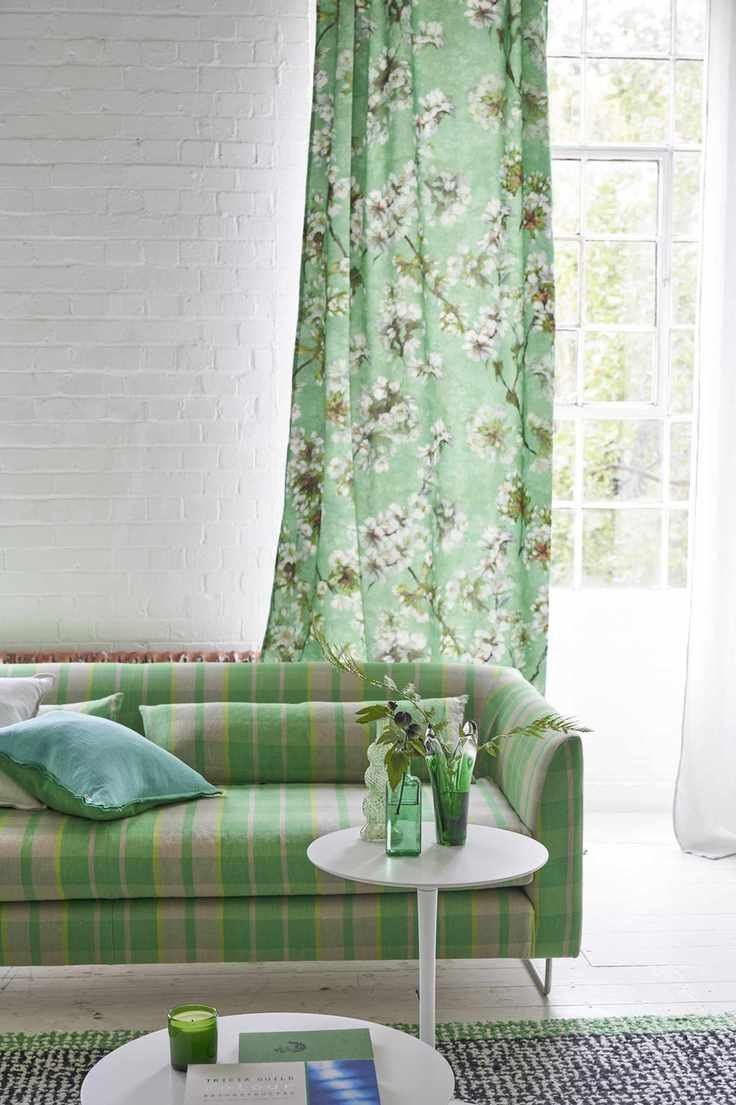
'Small adjustments can yield significant results. Adapt to the seasons by adding cushions and throws in winter, and switching to vibrant silks and linens in summer,' advises Tricia Guild of Designers Guild.
19. Employ Paint Effects for Unique Aesthetics

Paint effects can lend individuality to your space. Using stencils can simplify the process for ceilings or walls. 'It's an affordable and impactful way to create a beautiful backdrop,' say Katie Glaister and Henry Miller-Robinson of K&H Design.
20. Invest in a Statement Piece

'Combining high-street finds with statement pieces can maximize your budget; ensure the investment item is truly unique,' shares Beata Heuman.
'Edition94 in South Kensington is a treasure trove of vintage furniture and bespoke homeware. Its founder, India Whalley, has a keen eye for distinctive designs sourced from hidden gems across the globe. I adore the vintage side tables that she hand-lacquers in bright colors — each piece is one-of-a-kind and customizable.'
21. Integrate Art into Your Design

In the design process, consider the art that will feature in your space, as it could inspire the overall aesthetic.
'For reasonably priced art, we look to British Art Portfolio,' says Emma Deterding. 'They curate a fantastic collection of works by both emerging and established artists.'
22. Prioritize Accessories
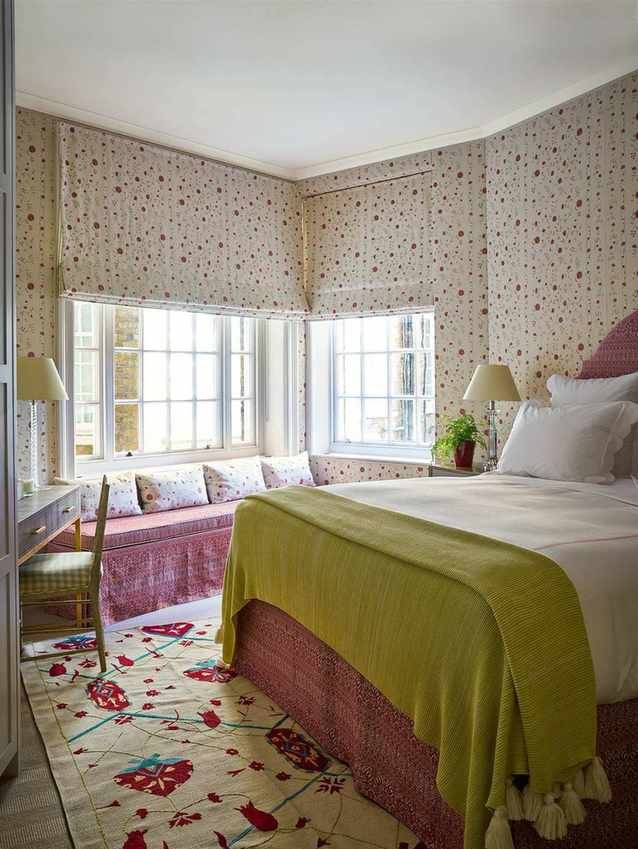
'Focus on accessories. For instance, keep bedroom fabrics simple but introduce a colorful bedspread and decorative cushions. They can transform the look instantly,' advises Penny Morrison.
23. Mix High-End and Low-End Pieces

'Remember to blend high-end and budget-friendly items. A simple wicker basket will look stunning on an antique chest rather than a fancy porcelain piece. Also, investing in quality flooring is crucial, as it's one of the hardest elements to replace later,' emphasize Paolo Moschino and Philip Vergeylen of Paolo Moschino.
24. Seek Aged Finishes for Character

'Aged brass fixtures are currently trending, but you don't have to buy new. We collaborate with artisans like Masterfix Solutions to revamp existing light fixtures into exquisite finishes,' shares Roselind Wilson.
25. Incorporate Houseplants

'Integrate houseplants wherever possible. For our London clients, we partner with Patch for advice on suitable plants. Collect unique and repurposed planters, like zinc buckets for a rustic vibe, or get creative with other materials,' suggests Katie Cox of Ham Interiors.
26. Be Resourceful with Upholstery

'When upholstering a sofa, be clever,' advises Nina Campbell. 'If you find a fabric you love but can't afford, opt for a plain fabric for the sofa and use your favorite on a chair or cushion. Having a sofa made is a big investment, and settling for a second choice will lead to regret later.'
27. Rethink Existing Items

'Consider how you can repurpose what you already own,' suggests Nicola Harding. 'An old piece of furniture might find new life with a different placement or use. Assess the colors around it and embrace contrasts.'
28. Enhance Plain Fabrics for a Luxurious Touch

'At large windows, maximize your budget while maintaining style by edging affordable linen curtains with a more luxurious, patterned fabric,' suggests Lucy Barlow.
29. Seek Unique and Unconventional Collaborations

'We frequent flea markets and explore the high street for hidden treasures, always on the lookout for interesting collaborations,' shares Sophie Coller of Kitesgrove.
30. Shop Internationally for Quality
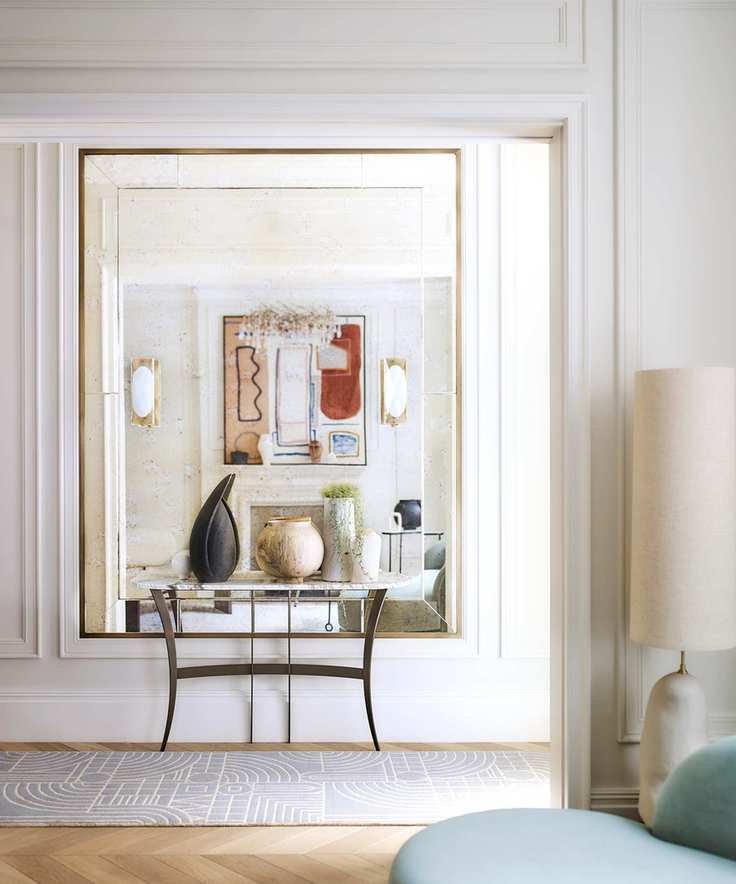
'When sourcing items for projects, consider international options. The US is known for furniture, the Netherlands excels in tapware, and Germany offers top-notch appliances,' advises Irene Gunter of Gunter & Co.
31. Integrate Lighting into Cabinetry

'Consider fixed wall lights on cabinetry or bookcases,' suggests Emma Sims-Hilditch of Sims Hilditch. 'Charming decorative lampshades can create a soft ambiance, perfect for bedrooms and living rooms where harsh lighting should be avoided.'
32. Incorporate Craft into Your Design

Including handcrafted elements in your design, such as embroidery or framed textiles, adds character.
'We love creating unique pieces, from hand-painted murals to embellished cushions and headboards,' shares Kit Kemp.
33. Consider the Room's Temperature

'Cool colors tend to be calming, while warmer tones are invigorating,' explains Matthew Williamson. 'Reflect on the atmosphere you wish to create in your space. Do you want your living room to feel like a peaceful retreat or as vibrant as the city outside? Would you prefer your bedroom to exude romance or the charm of a countryside cottage? Understanding the function of the room will guide your color choices.'
34. Use Trimmings for Detail

'Trimmings can unify a design scheme — they're excellent for adding a striking touch of color,' suggests Katharine Pooley. 'Choose a hue that complements your artwork or other elements in the room. They can also enhance existing pieces by adding interest and renewing their appeal.'
35. Create a Moodboard to Shape Your Design

'Creating a long-lasting moodboard is beneficial,' suggests Peter Sheehan of The London Resolution. 'An experienced interior designer can analyze what you appreciate in your chosen images, and you can learn this skill as well.'
36. Use Antiques for Authenticity

'Antiques bring depth and history to a space,' says Emma Sims-Hilditch. 'They tell a story and can fit into modern interiors beautifully.'
'In a contemporary home characterized by sharp lines and smooth surfaces, there's no need for everything to be new. For example, an antique commode can be updated with a washbasin to create an eye-catching vanity. Reupholstering antique chairs or sofas in contemporary fabrics is another way to blend old and new, enhancing the overall design.'
'Heirlooms, such as family portraits or furniture, can also find a place in your home. A dark wood grandfather clock passed down through generations can beautifully contrast with the stone of a converted barn or the fresh walls of a renovated city townhouse.'
37. Curate a Unique Look with Art

'Art adds a personal touch to your interior, so choose pieces that resonate with you,' advises Emma Sims-Hilditch.
'There are many beautiful, unique artworks available from antique dealers and markets. Once you find a piece that speaks to you, consider how it influences your design decisions, including color palettes. If your artwork appears worn, it can be professionally restored to make it a vibrant addition to your contemporary home.'
What Are the 7 Principles of Interior Design?
The seven principles of interior design help both professionals and enthusiasts create balanced, harmonious interiors. They encompass:
- Balance – Achieve harmony in a room through symmetry or the 60-30-10 rule for color schemes, and consider lines in design.
- Unity – Use consistent colors, shapes, or motifs to create a cohesive environment across various spaces.
- Rhythm – Employ repetition to unify designs through color, pattern, and shape.
- Emphasis – Establish a focal point that inspires the overall design scheme, such as a centerpiece or accent wall.
- Contrast – Highlight differences in color and furnishings to create visual appeal, like pairing a soft sofa with angular elements.
- Scale – Use scale effectively to enhance contrast and emphasis, ensuring proportions are correct for impactful designs.
- Detail – The strength of professional designers lies in their attention to detail, ensuring that even the smallest elements contribute to the overall aesthetic.



