
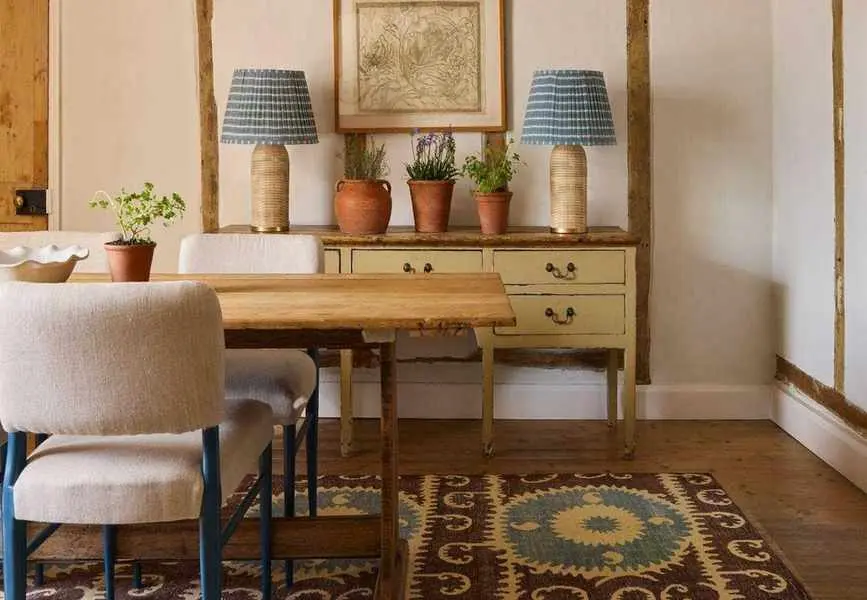
A great rug can transform a room, adding warmth and style while tying together diverse decor elements. It's essential to select the right color for your space, reflecting your design preferences and overall color scheme. This year, certain shades are falling out of favor, and designers are steering clear of specific hues.
With trends constantly shifting, some rug colors are becoming outdated. From dull grays to overly bright tones, avoiding these four options will help maintain a stylish and timeless space.
1. Avoid Bright, Overly Saturated Colors – Embrace Warm, Rich Hues
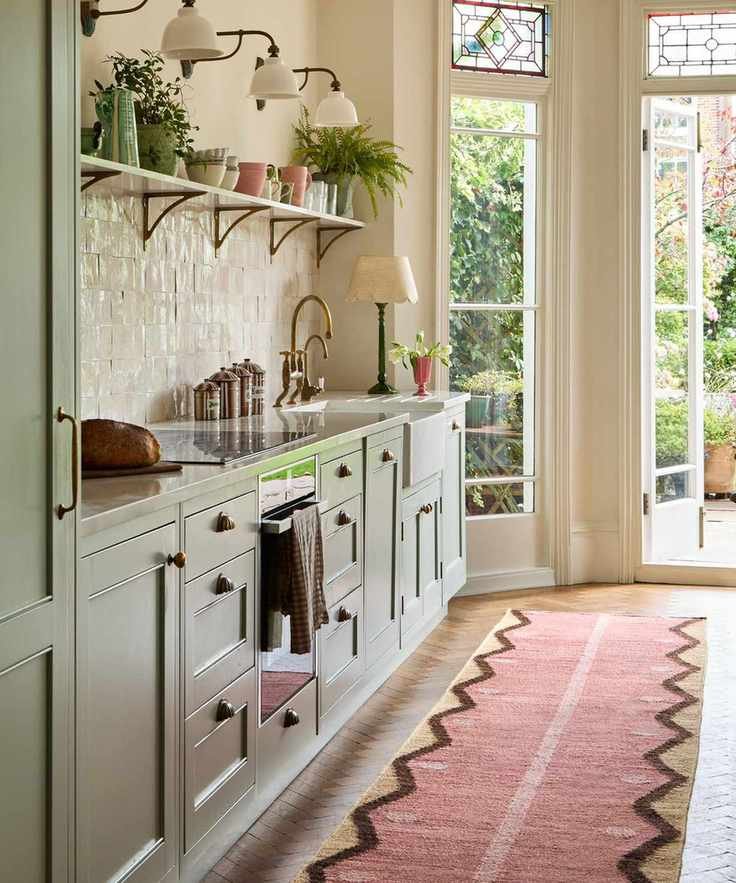
The Skye Runner in Rose Pink and Berry from a well-known brand adds vibrancy to a bright kitchen without overwhelming the space.
Designer Laura Stephens cautions against choosing rugs with overly bright colors that dominate a room. While bold shades have their place, they work best when used in moderation, such as on walls or furniture.
She adds that vivid tones can quickly become overpowering in a large rug, limiting the room's adaptability over time. Ideally, rugs should ground the design instead of commanding attention.
Zara Bolingbroke-Kent, founder of a popular rug company, notes a trend toward jute rugs and softer palettes that are easier to live with. However, there's a growing interest in rich blues, greens, and maroons, often paired with warmer accents like mustard for added depth.
2. Skip Cool-Toned Grays – Opt for Muted Green Alternatives
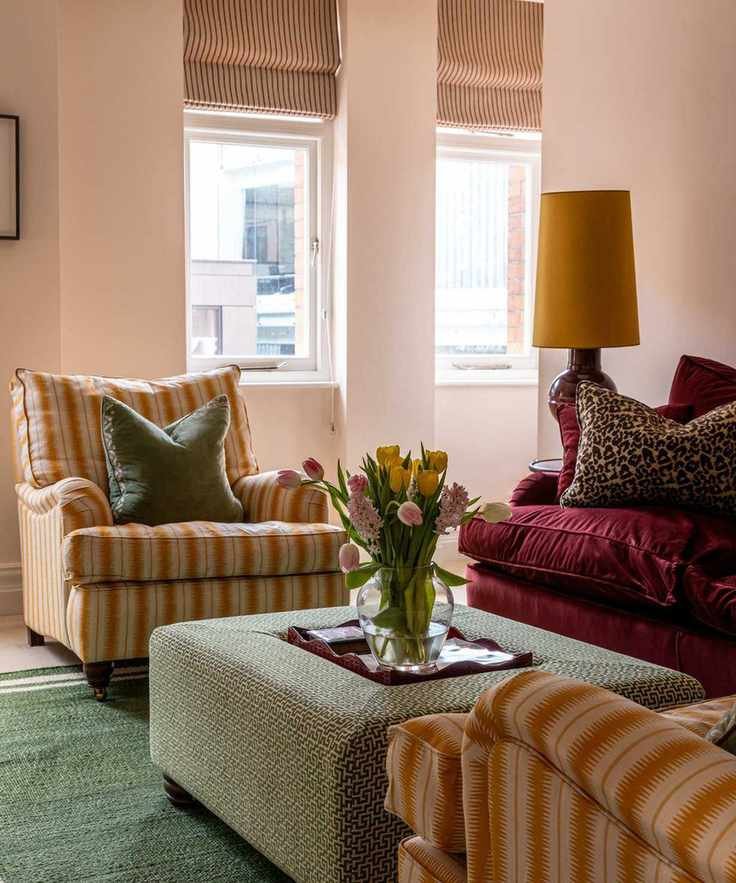
A green jute rug adds earthiness and vibrancy, balancing warm pink and yellow decor in this stylish living room.
Cool-toned gray rugs may seem like a safe option, but they often lack the warmth and depth that make rugs inviting. Designer Flora Slater points out that gray can appear flat and lifeless, detracting from the room's overall warmth.
In contrast, a muted green rug can bring a natural vibe, making the space feel grounded and cohesive. A gray rug would fail to provide the same effect, stripping the room of its character.
3. Ditch 'Invisible' Neutrals – Avoid Rugs That Match the Floor
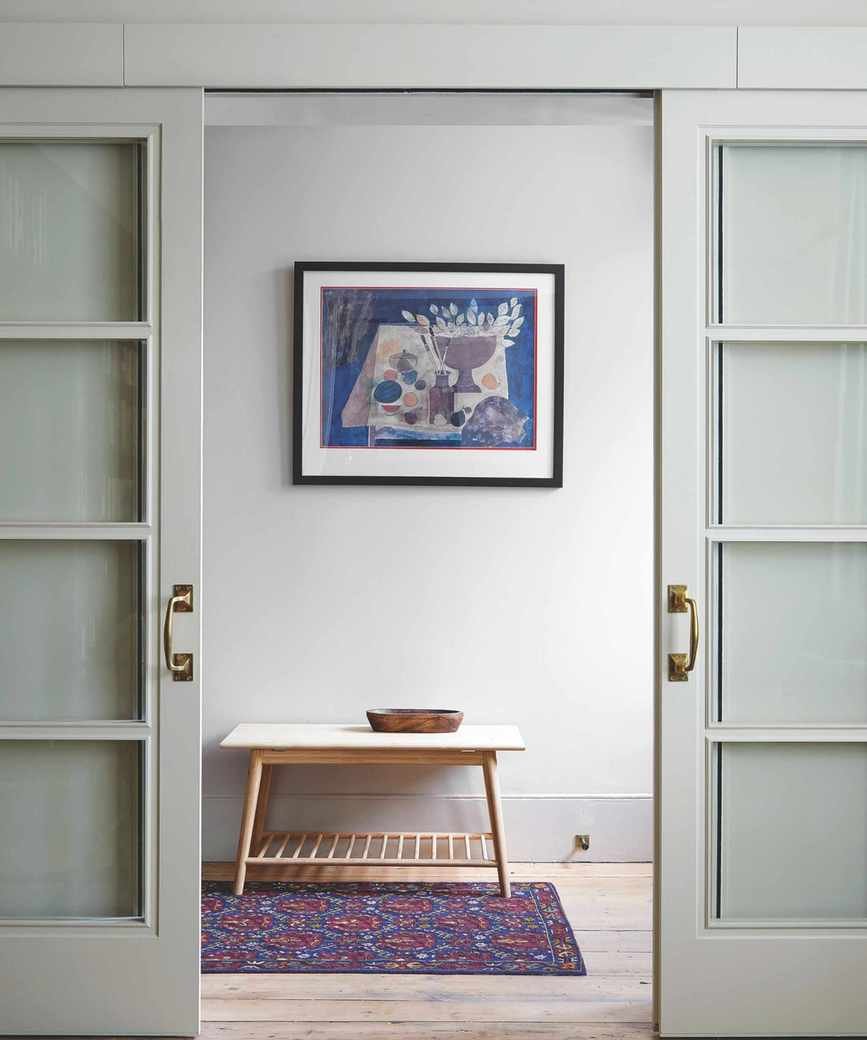
A vibrant Persian rug adds character to this minimalist hallway, enhancing the overall ambiance.
Jen Baxter from Baxter Hill Interiors warns against rugs that blend in with the flooring. Pale or similar tones can flatten a room and even create safety issues. Instead, rugs should define spaces and provide intentional layering.
Whether it's a narrow kitchen rug or a larger dining room piece, select styles that showcase patterns and textures. Historical designs, such as Persian or geometric rugs, bring lasting interest and allow for a more muted furniture palette.
4. Avoid Flat Primary Colors – Choose Earthy Shades with Depth
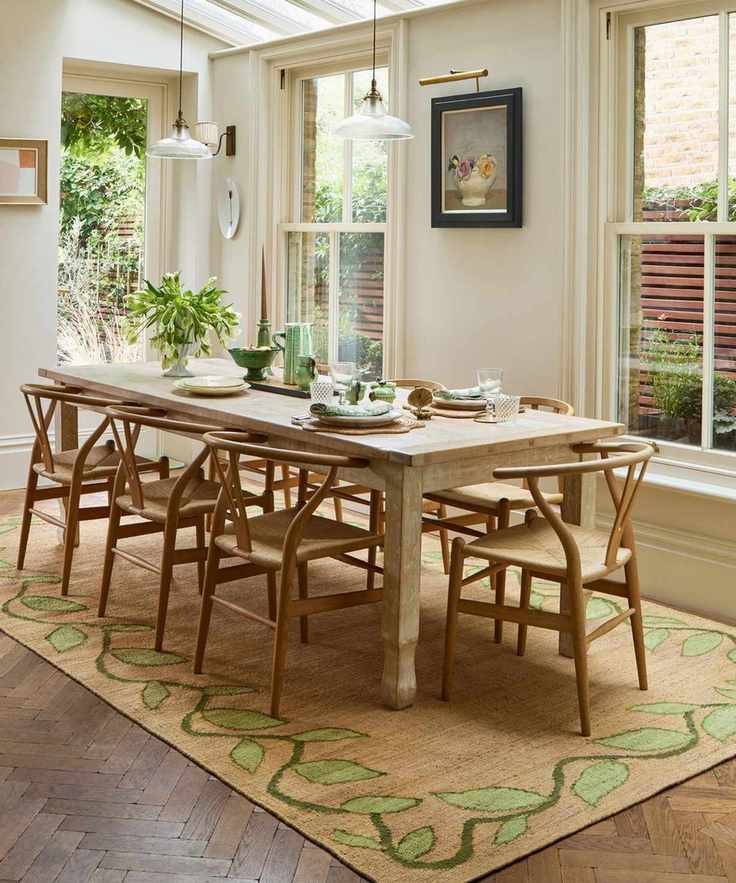
A jute rug with a leafy border introduces a natural feel to this airy dining space.
Zara notes that while bold primary colors aren't as trendy, there's a shift towards colors that feel grounded and natural. Jen agrees, emphasizing the importance of avoiding synthetic hues that appear artificial. Instead, opt for colors with depth and complexity.
Natural dye palettes boast warmth and variation, shifting in different light, making them visually appealing and durable. Look for rugs with rich oranges, earthy reds, or layered blues and greens that enhance your space.
Stylish Rug Recommendations
Instead of cool grays and loud brights, this year's trends favor warm neutrals with color. A balanced, multi-tonal rug can effectively introduce color into your space, acting as a bridge between various elements in the room.



