There's a moment when coffee transcends mere beverage status, filling your senses with hints of marzipan, chocolate, or vanilla. This elevated experience hinges on selecting the right coffee beans.
The coffee world can be overwhelming, laden with jargon. If you're uncertain about arabica vs. robusta, single-origin vs. blend, or dark vs. light roast, you've come to the right spot. I'll guide you through five key points to help you pick coffee beans that transform your morning cup into a delightful experience.
Insights from top coffee experts, roasters, and producers will assist you in making informed choices. If you're also aware of the best grinding and storage methods, you'll be set for coffee perfection.
Choosing Coffee Beans
When you step into a coffee aisle, you might notice images of mountains and rainforests. But what do they represent? It's key to understand the basics, as explained by chef Ashley Palmer-Watts, who emphasizes simplicity in discussing extraordinary coffee.
He suggests a practical approach to discovering your flavor preferences — one that involves chocolate.
1. Identify Your Flavor Preferences
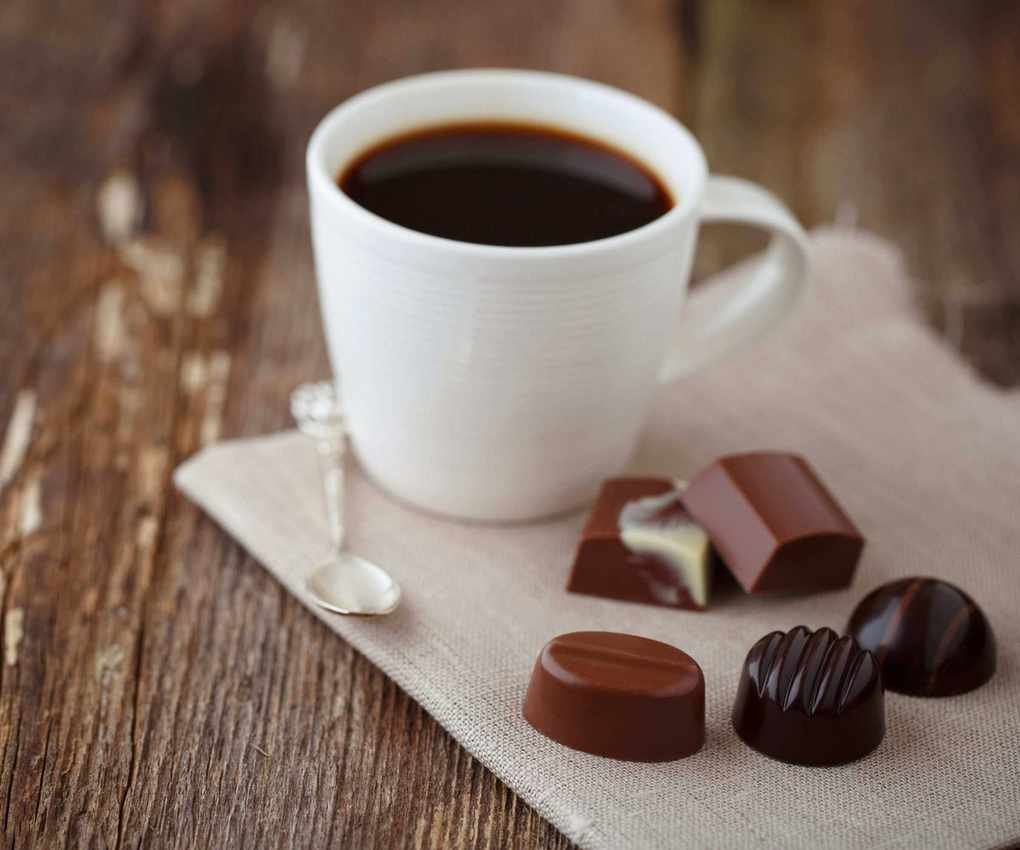
Ashley Palmer-Watts, a Michelin chef, focuses on enjoyable flavors rather than complex terms. He believes that anyone can taste coffee's notes with a bit of guidance.
Start by selecting coffees with various flavor descriptions you think you might enjoy, alongside a few adventurous options. For instance, try one labeled as 'nutty and fruity,' another as 'sweet and biscuity,' and one that's 'rich and fudgy.' Pair these with quality chocolate that shares similar notes. Brew a cup of each coffee and alternate sips with chocolate nibbles to discover how they enhance each other's profiles.
2. Single-Origin vs. Blend
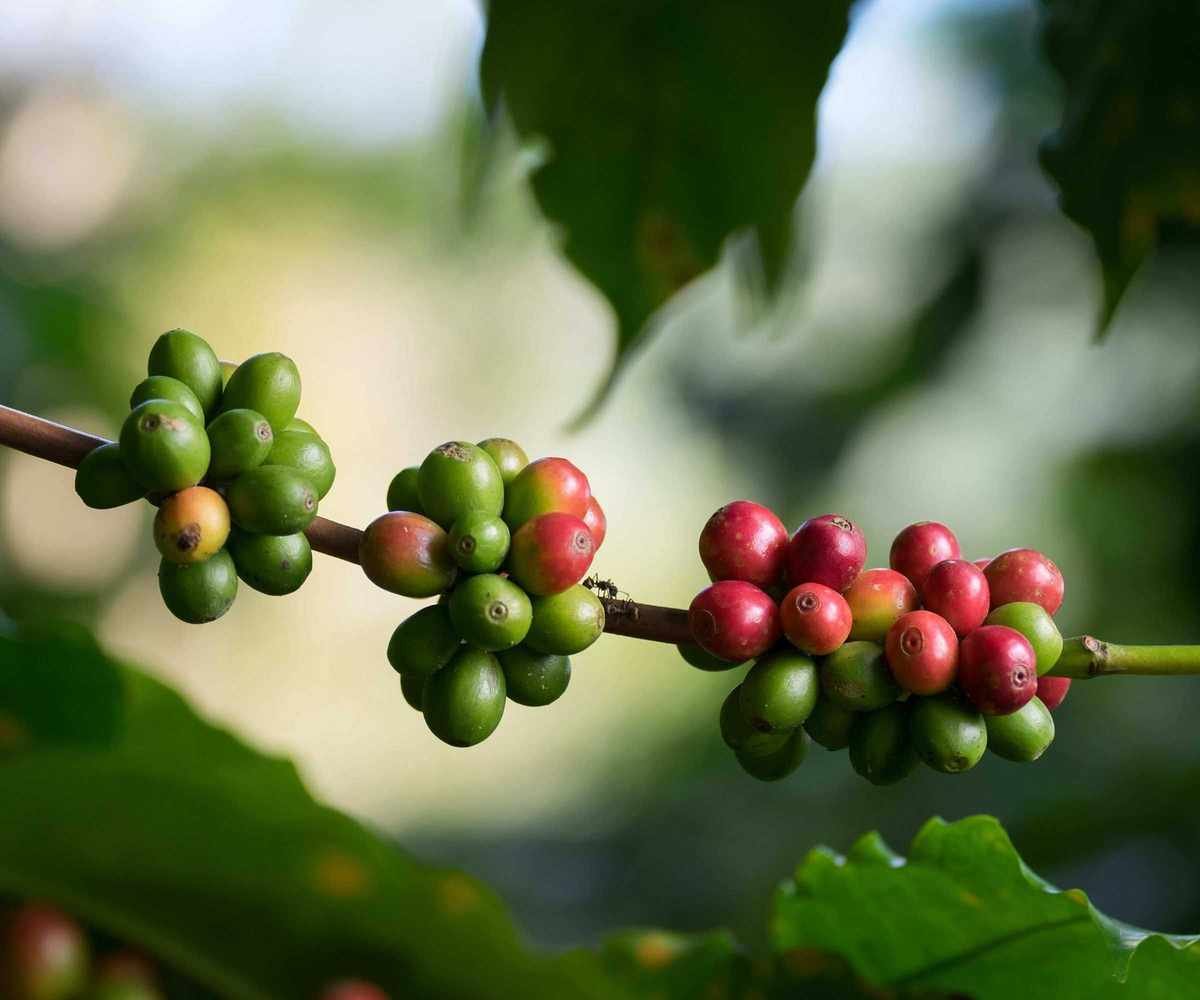
Once you identify your desired flavors, consider their origins. You can choose between single-origin beans, which come from one farm or region, or blends, which mix beans from various sources. Single-origin beans are often praised for their purity and distinct flavors, while blends aim to maintain a consistent taste year-round.
3. Arabica vs. Robusta
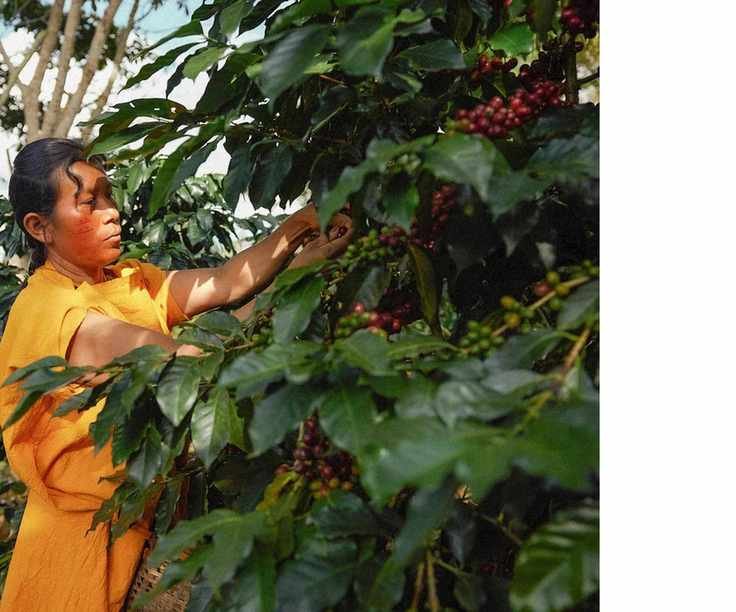
Understanding arabica and robusta varieties is crucial. Arabica, often preferred for its sweetness and complexity, typically grows at higher altitudes and cooler climates. In contrast, robusta is stronger, more bitter, and contains about 50% more caffeine, making it cheaper and ideal for commercial coffee.
There's also liberica, less known and not as favored, with a fruity and floral taste but often rejected for its woody notes.
4. Selecting Your Roast
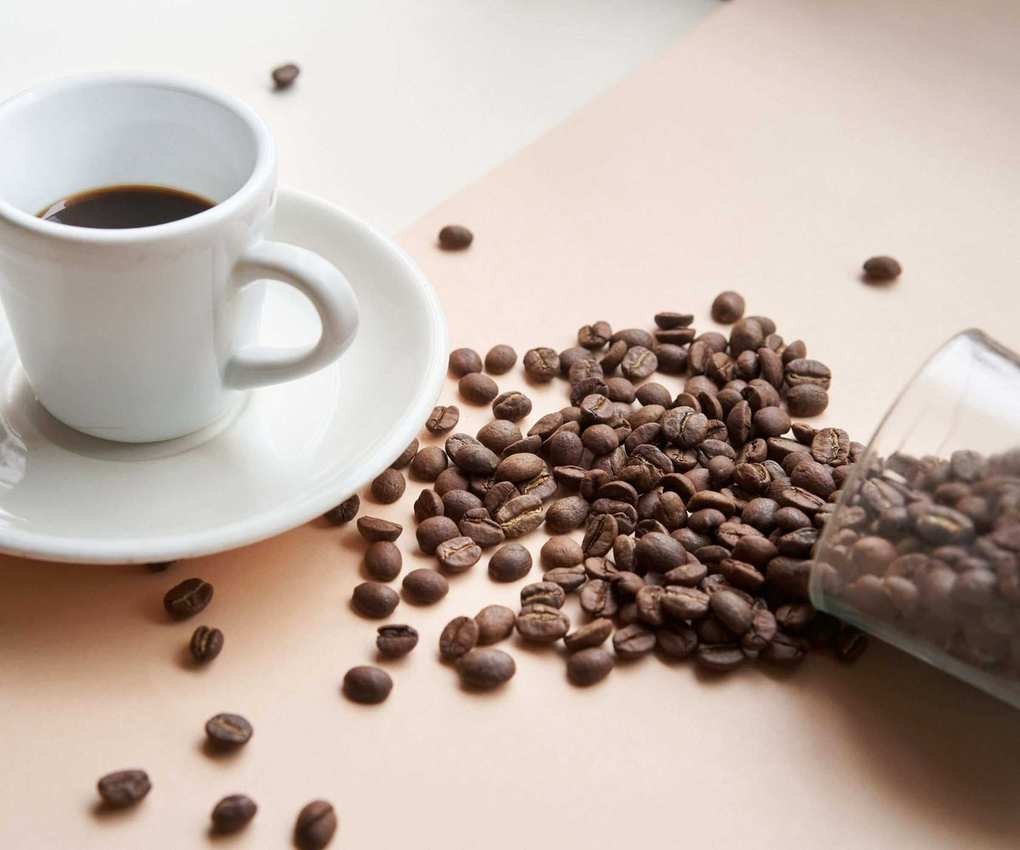
Understanding your roast preferences is vital for brewing. Light to medium roasts work well for filter brewing methods, while medium to dark roasts are suited for espresso and French press. An omni-roast can cater to both styles, allowing for versatility in brewing.
Ashley suggests not sticking to just one coffee type. Experimenting with flavors and roasts can enhance your coffee experience, adapting to your mood and meal pairings.
5. Caffeinated vs. Decaffeinated
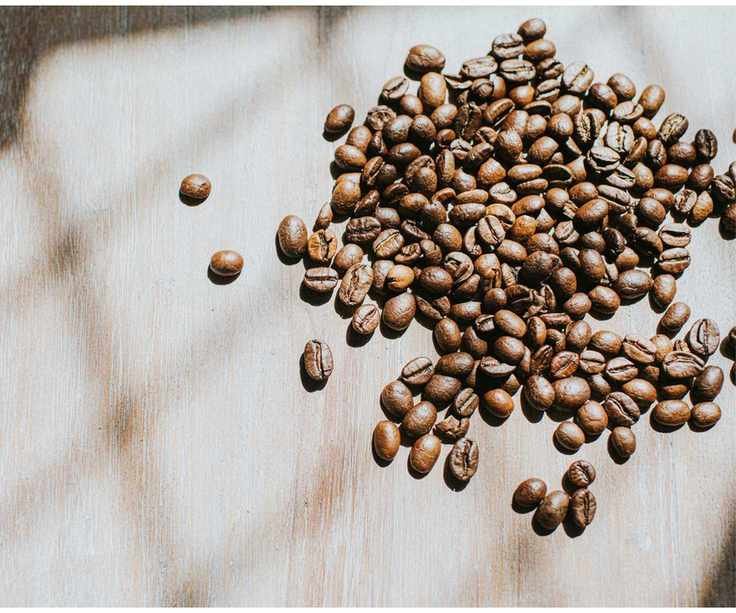
Finally, consider whether you prefer caffeinated beans. For many, caffeine is essential; however, if you drink coffee frequently, decaf options might be appealing. Knowing the decaffeination methods is crucial, as some processes can be harsh on beans. The Swiss water method is gentler and preserves more flavor.
6. Ethical Coffee Choices
Don't overlook the ethical aspects of coffee production. Seek brands committed to sustainable practices and look for certifications like Rainforest Alliance or Organic. Some brands prioritize social and environmental initiatives, making them great options for conscious consumers.
Final Thoughts
Choosing coffee beans may seem complex, but it boils down to understanding your flavor preferences, roast style, origin, and bean types. Once you grasp these basics, the world of coffee opens up for enjoyable experimentation.
| Flavor Profiles | Floral; fruity; nutty; earthy; chocolate; biscuit; caramel | Self-explanatory |
| Roasts | Dark, medium, light | Darker roasts (for French press and espresso); light roast (pour-over and drip) |
| Bean Type | Robusta or arabica | Arabica is sweeter, robusta is more bitter |
| Origin | Single or blend | Blends often have more body |
FAQs
What is the best coffee bean for beginners?
While there's no universally best bean for novices, Brazilian beans are often mild and nutty, making them a great starting point. Colombian beans also offer a mild, fruity flavor suitable for newcomers.
Is there a coffee bean that is the best?
While some may claim Black Ivory coffee is the best due to its price, personal preference ultimately dictates the best choice. Experiment with different varieties to find your favorite.