

March 3 marks World Wildlife Day, offering the perfect chance to create a sanctuary for birds, insects, and small mammals in your garden. This year's theme celebrates aromatic and medicinal plants, which play a vital role in promoting biodiversity.
While essential features of a wildlife garden are beneficial, the real magic happens when you cultivate plants that provide food and shelter. Aromatic herbs and fragrant flowers are among the best choices for attracting wildlife.
Additionally, many of these aromatic plants have healing properties, making them great for your own wellness. Here are five top picks to consider planting this spring.
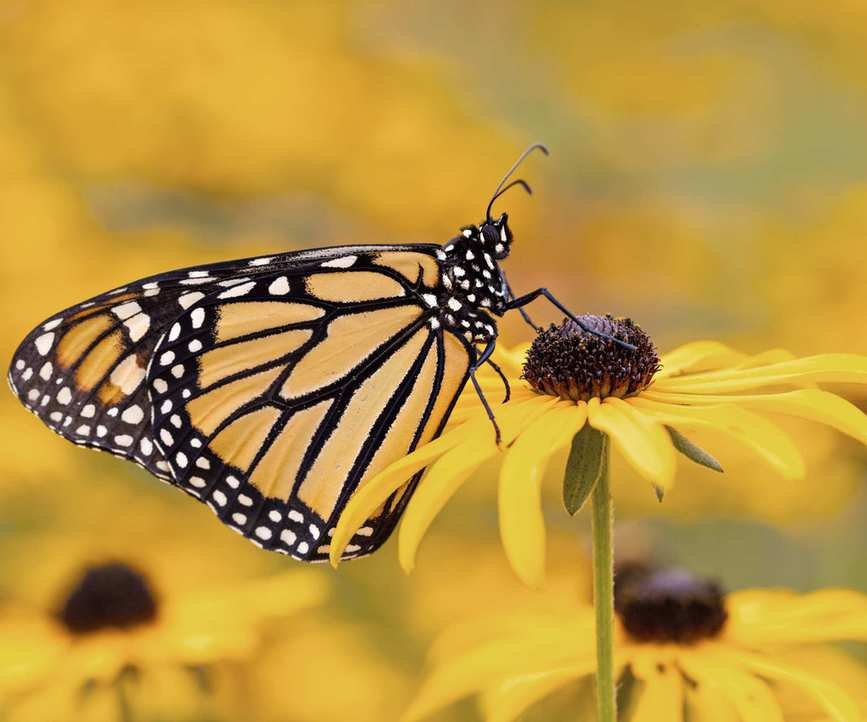
Monarch butterflies are frequently seen around rudbeckias.
5 Fragrant Plants to Attract Wildlife
Creating a wildlife-friendly yard doesn’t have to be limited to World Wildlife Day. A diverse selection of plants for pollinators, birds, mammals, and beneficial insects can turn your garden into a vibrant haven all year long. Here are five aromatic and medicinal plants to kick off your journey.
Note: Always consult a healthcare professional before using any plants for medicinal purposes.
1. Bee Balm
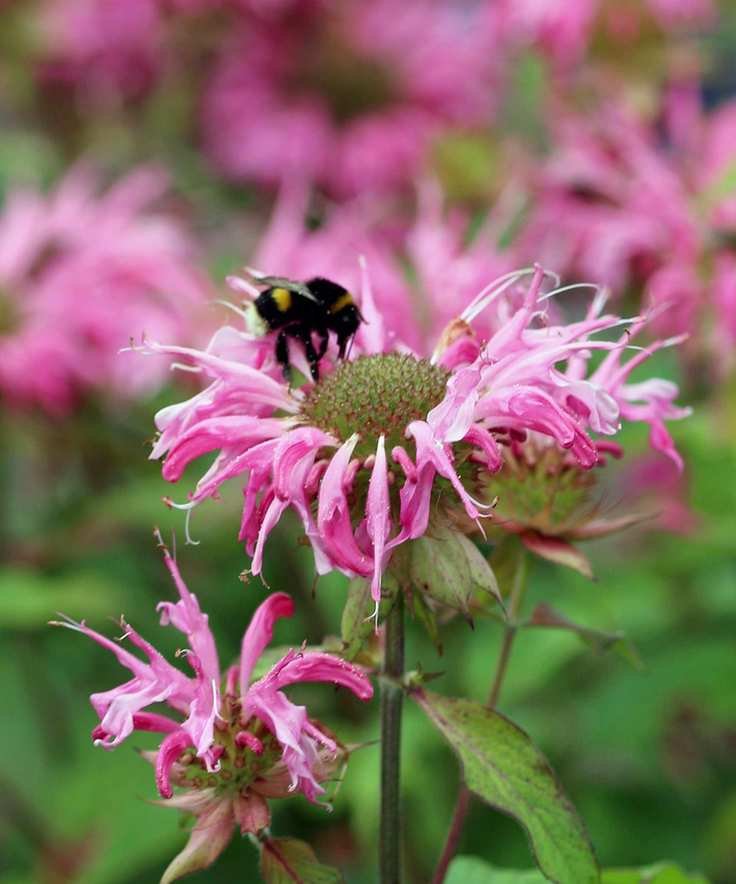
Dwarf varieties of bee balm can thrive in pots.
- USDA: Zone 4-9
- Attracts: Bees, butterflies, and hummingbirds
Bee balm is a favorite among pollinators, showcasing vibrant colors from red to purple and white to yellow. Its delightful citrus and minty aroma makes it a garden gem.
“Traditionally, it’s been used for digestive and respiratory issues as well as stress relief,” says a gardening expert.
This plant enjoys sunny spots but can be prone to powdery mildew if crowded. It’s perfect for inviting butterflies and hummingbirds, enhancing the peaceful areas of your garden.
Explore options for planting bee balm at your local nursery.

2. Elder
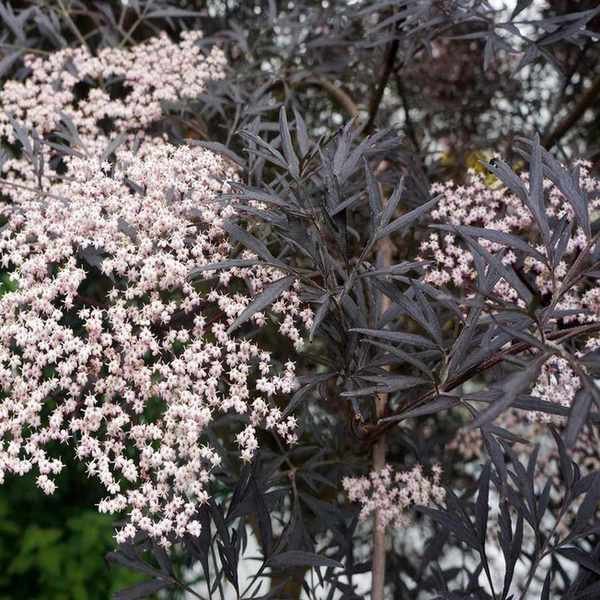
Every part of the elder plant has historical medicinal uses.
- USDA: Zone 3-9
- Attracts: Songbirds, pollinators, and deer
Elder is a standout choice, producing fragrant spring flowers and dark berries that nourish birds during winter.
Its clusters of flowers attract various insects, including bees and butterflies. The berries are a vital food source for birds like robins and bluebirds.
Elder also adds visual interest with unique varieties, such as black elder, known for its dark foliage and pink flowers.
As a medicinal plant, elderberries are noted for their antiviral properties, while the flowers aid respiratory health.
Starter elder trees can be found at garden centers.

3. Moonflower

Moonflowers bloom at night, closing during the day.
- USDA: Zone 10-12
- Attracts: Bats and nocturnal pollinators
Night-blooming plants like moonflower are essential for supporting nighttime wildlife, including bats, which are crucial for a healthy ecosystem.
The sweet fragrance of moonflowers lures moths and other nocturnal pollinators, creating a beautiful sight in moon gardens.
To enhance their appeal to bats, plant moonflowers near water sources, where moths and mosquitoes gather.
Moonflower seeds are available at gardening retailers.
Warning: While attractive, moonflowers are toxic if ingested.
4. Hyssop

Hyssop flowers bloom from July to October.
- USDA: Zone 4-9
- Attracts: Bees, butterflies, and goldfinches
Hyssop is a low-maintenance plant that thrives in sunny, well-drained areas. Its lovely purple flowers are not only beautiful but also attract a variety of songbirds.
Traditionally, hyssop has been used for respiratory relief and to treat bruises. Its distinct licorice scent draws in songbirds, particularly goldfinches.
For deer-resistant gardens, hyssop is an excellent choice due to its strong aroma.
Hyssop seeds can easily be purchased from garden supply stores.
5. Yarrow

- USDA: Zone 3-9
- Attracts: Ladybugs, lacewings, and birds
Yarrow is one of the simplest plants to grow for supporting wildlife, attracting beneficial insects like ladybugs and lacewings, as well as birds such as goldfinches.
This fragrant plant features a slightly spicy scent and offers medicinal benefits, such as aiding wound healing.
Yarrow flourishes in various colors and can reach up to three feet, making it a lovely addition to any garden design.
Because it attracts ladybugs, it’s an excellent ally in natural pest control.
To promote further blooms, remember to deadhead yarrow after flowering, but leaving some flowers will provide seeds for birds.
Find yarrow seeds in various shades at specialty stores.
Does Rosemary Attract Wildlife?
Absolutely! Rosemary attracts numerous wildlife species, especially during its spring bloom. The herb's purple-blue flowers provide early nectar for bees, butterflies, and other helpful insects.
There are countless ways to enhance your garden's wildlife appeal this season. Consider adding a pollinator strip or a simple wildlife shelter, or incorporate these features into your yard.
- Wildflower Seeds for Pollinators: A mix of 18 nectar-rich wildflower varieties.
- Blue Resin Bird Bath: This beautiful bird bath features a decorative scallop design.
- Wooden Insect House: Constructed from durable fir wood, this insect house offers ample shelter.



