
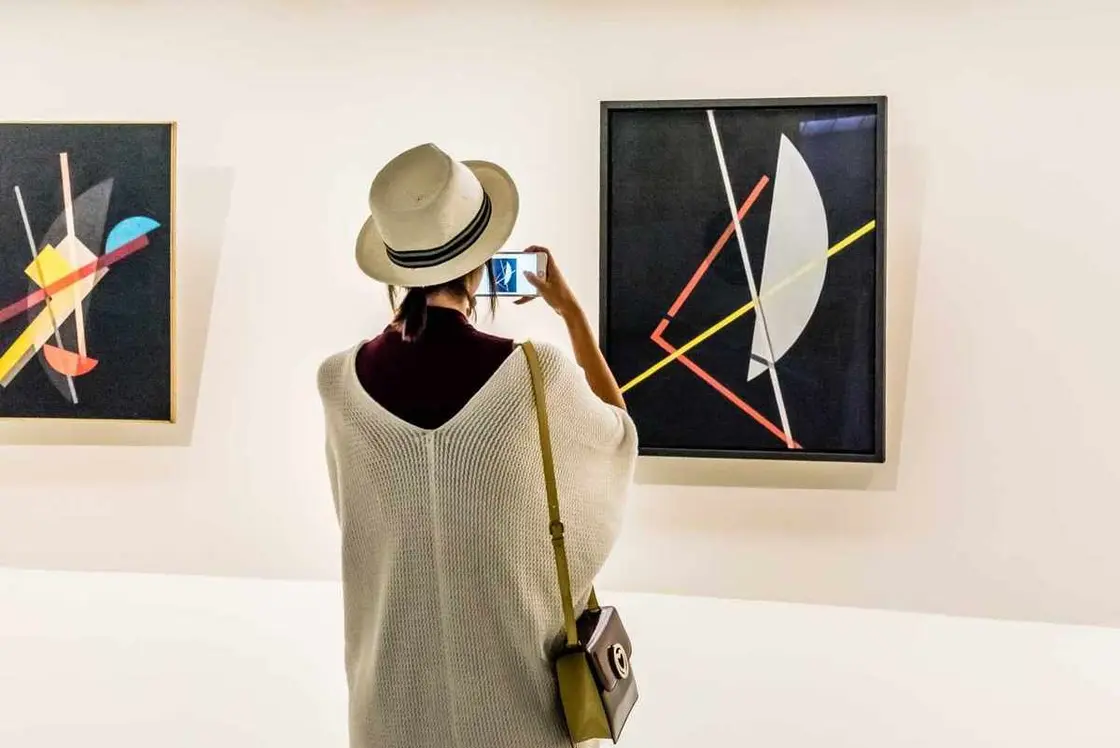
Are you ready to buy your first major artwork? It's important to understand a few vital aspects before making a purchase to ensure you choose wisely. Art isn't just for the wealthy anymore; numerous affordable pieces are out there, and various avenues exist for acquiring art that can enrich your collection and serve as a future investment.
Whether you're a novice or a seasoned collector, these tips will guide you on your journey to building a collection. Let's explore how to start off on the right foot.
Identify Your Preferences
Art buying is a personal experience, so it's crucial to understand what truly resonates with you. Make sure you're drawn to a piece because you love it, not merely for its potential value appreciation. A fantastic way to refine your taste is by immersing yourself in different art forms. Attend gallery openings, visit museums, and participate in art fairs. The more art you see, the clearer your preferences will become, and you may even connect with local artists, gaining insights into their creative processes.
Learn About the Artist
Once you find an artwork that interests you, dive into learning about the artist behind it. Discover their artistic journey, studio practices, and exhibition history. Start by exploring their website and social media profiles, which often showcase their work, background, and artistic biography. Many artists will also provide a C.V. and artist statement, which can shed light on their career and accomplishments in galleries and museums.
Think About Medium and Placement
Artists utilize various mediums including painting, sculpture, textiles, photography, and installations. Understanding the medium is vital as it affects how the piece fits into your home and its potential resale value. Some artworks may require special care or unique display considerations, so knowing these details ahead of time will help you maintain your investment and appreciate the art you acquire.
Consider Long-term Enjoyment
Be bold in your choices, but also thoughtful. The artwork you select will likely be with you for many years, possibly even a lifetime. Most pieces aren't designed for quick resale, and art appreciation often develops over time. Reflect on whether the artwork can seamlessly integrate into your living space for the long haul.
Collecting art is a deeply personal endeavor and a passion for many. Let your interests guide you as you expand your collection. Understanding your tastes, the artist, and the medium will help you become a more knowledgeable collector and ultimately find the perfect piece.
- Beginner's Guide to Art Investment: What Occurs at a Live Auction
- The Love for Art: Is It Truly a Wise Investment?
- Investing in Art: Essential Information to Get Started



