Surprisingly, the realm of interior design is currently experiencing a revival of 1990s trends. This era was characterized by bold shapes, innovative materials, and a minimalist ethos that often favored neutral palettes over vibrant colors.
Many 90s design elements are now reappearing in 2025, but they’re being incorporated into much more elaborate and colorful settings. While the influence may seem subtle at first glance, it’s evident that many contemporary designers, now in their 40s, are drawing inspiration from this iconic decade.
1. Sleek Chrome and Metallic Finishes
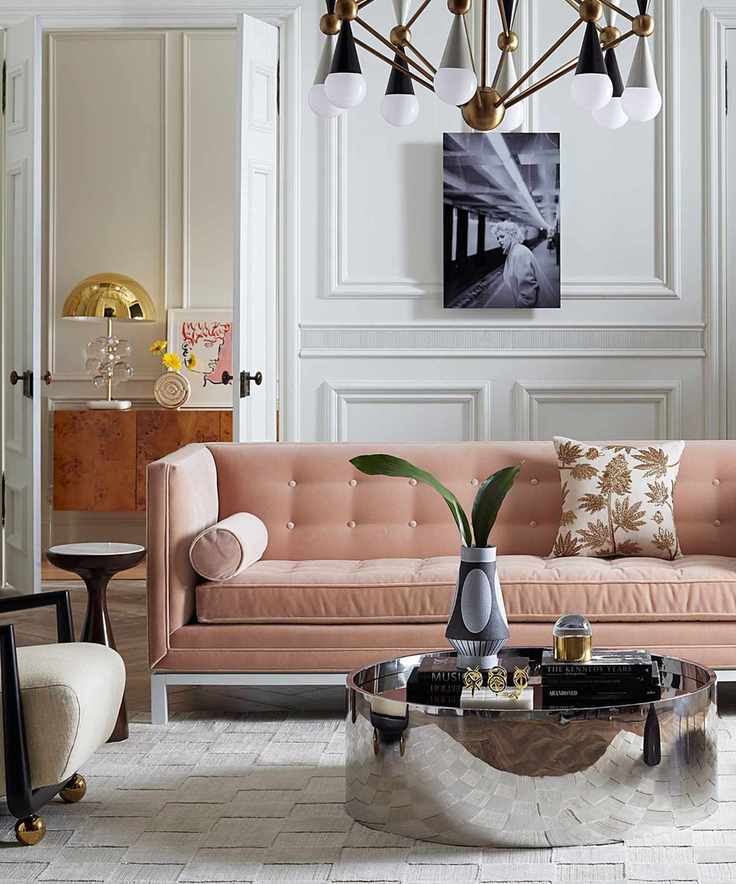
The resurgence of chrome is quite unexpected. After a long dominance of warm brass, chrome is making a stylish comeback in 2025, bringing a cool vibe. In the 90s, chrome was the go-to metallic finish for minimalist designs, enhancing sharp angles and clean lines. Now, it’s being integrated into softer aesthetics.
“I’ve always favored brass, but I prefer chrome for items like serveware because it contrasts beautifully with natural materials like wood and wicker, giving a polished touch,” shares interior designer Jake Arnold.
Chrome has re-emerged in tableware this year, with this elegant candlestick featuring a long taper candle serving as a stylish nod to the trend.
For a subtle touch, consider these striking Ramona Chrome Flutes from Anthropologie, whose chunky design echoes 90s aesthetics.
Chrome doesn’t have to be overly modern; it pairs beautifully with rustic pieces, like this stainless steel pitcher with a rattan handle, adding a Scandinavian flair.
2. Curved Fireplaces
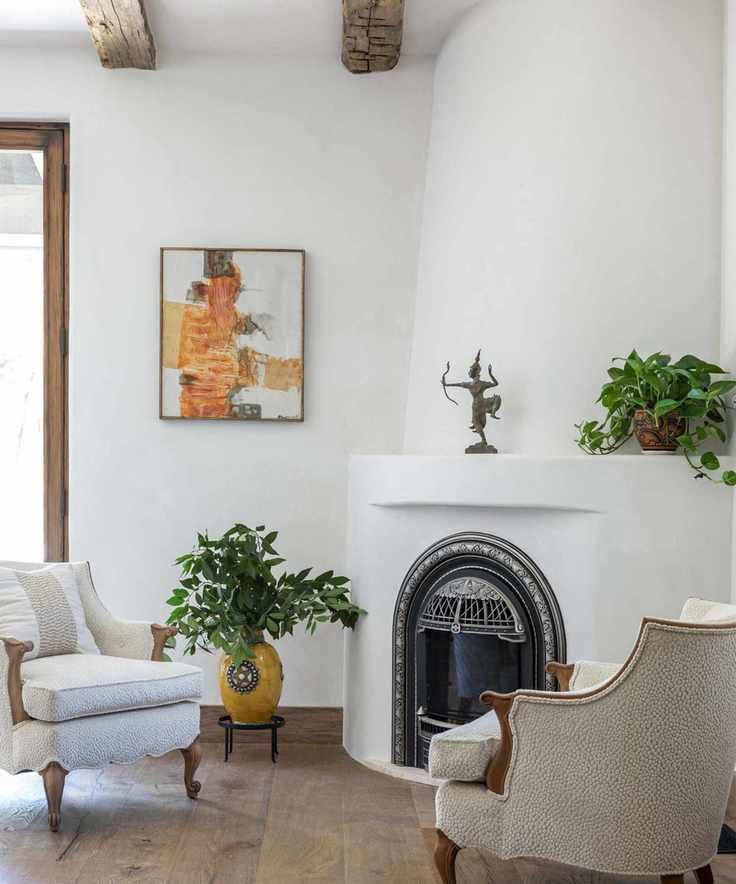
Surprisingly, these contemporary rounded fireplaces were quite popular in the 90s. Santa Fe designer Heather French notes, “Much of Santa Fe's architecture features rounded designs from the 90s, offering a playful and fun aesthetic.”
Today, these fireplaces serve as gentle focal points, often paired with rounded sofas and chairs, creating a clean, airy look. Modern builds are increasingly opting for rounded designs, providing more layout flexibility without overwhelming the space.
3. Monochrome Schemes
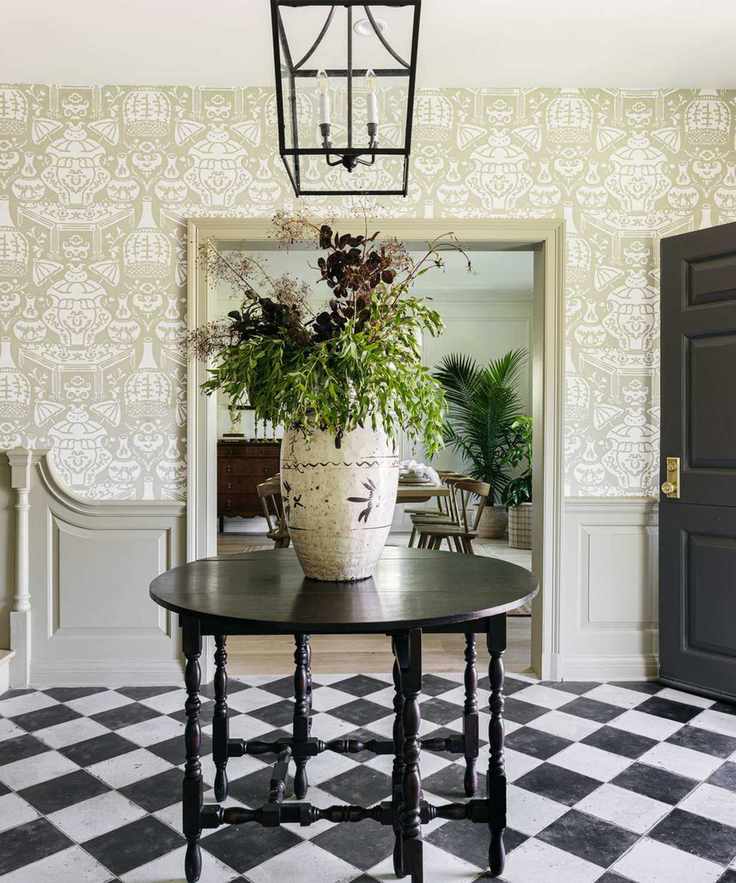
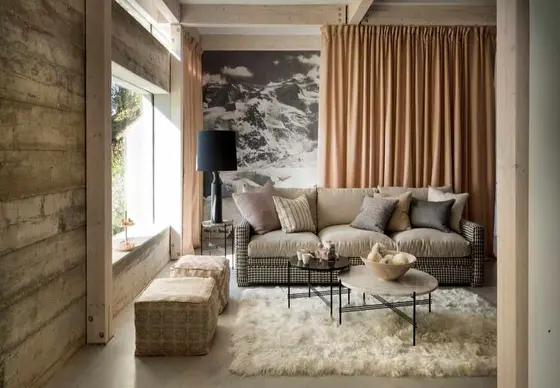
The striking monochrome trend of the 90s is back, with black and white palettes being embraced once again for their graphic and bold appeal. When executed thoughtfully, they can introduce an element of intrigue through layering.
“Incorporate unexpected monochrome elements,” advises New York designer Sarah Tract. “Mix various materials, textures, and shapes for a dynamic look.”
A standout piece of black furniture can anchor a room, creating a stunning contrast against lighter shades. Pairing this with a white wall sets the stage for a chic monochrome vibe.
Introducing texture and softer shades can soften the black and white scheme; consider this linen-look cushion for a gentle touch.
This checkerboard area rug beautifully blends two trends, making it a perfect bold statement piece for any living space.
4. Gray Walls
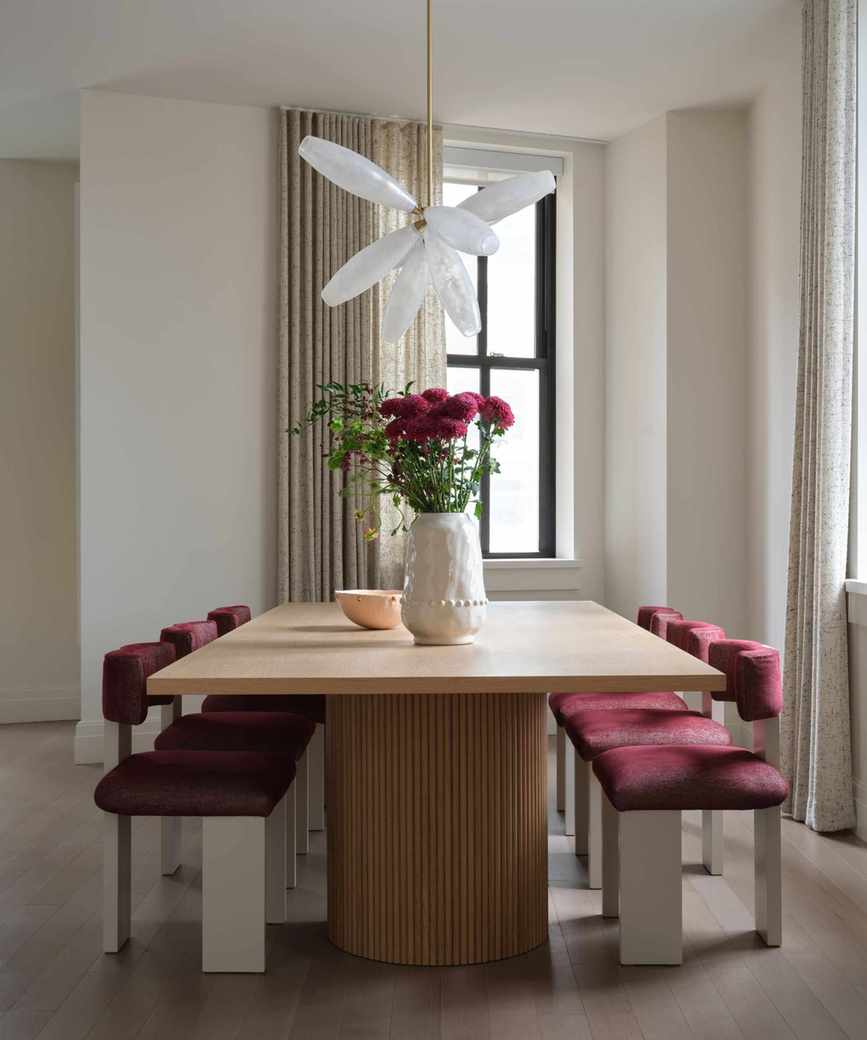
Gray has long been a staple in interior design, first gaining popularity in the 1990s as a sophisticated alternative to the vibrant colors of preceding decades. While it had its moment in the 21st century, softer colors have recently taken the spotlight.
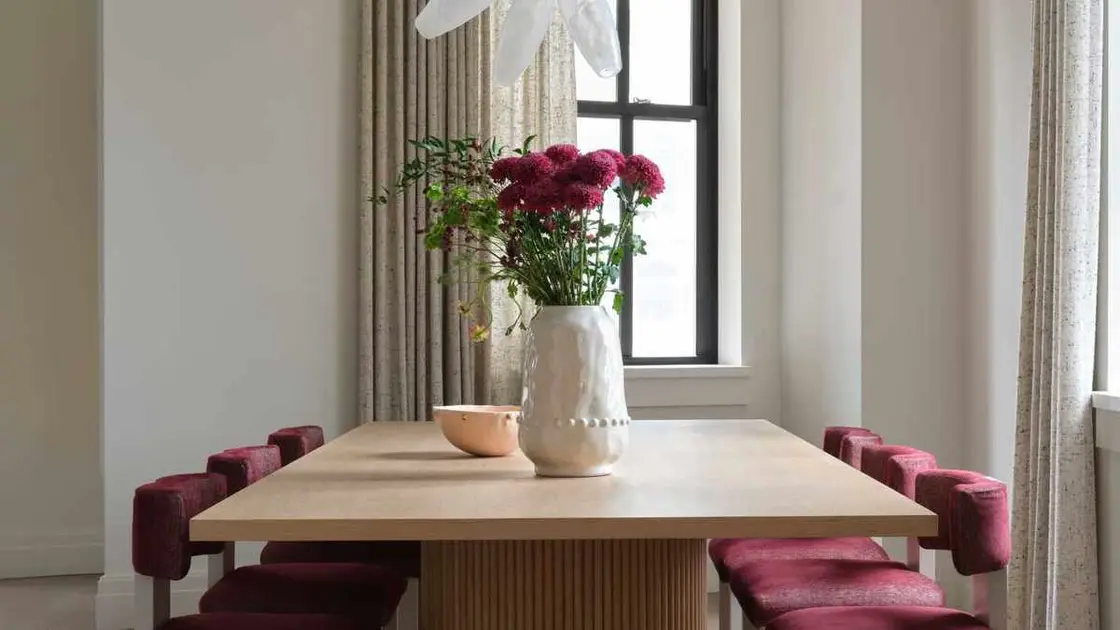
“The curtains guided the choice of gray for this dining room,” explains Sarah Tract. “With hints of brown and taupe, a stark white would have felt too harsh. We opted for Accessible Beige by Sherwin-Williams.”
Using gray as a backdrop allows current shades, like taupe and deep red, to shine.
5. Raw Edges
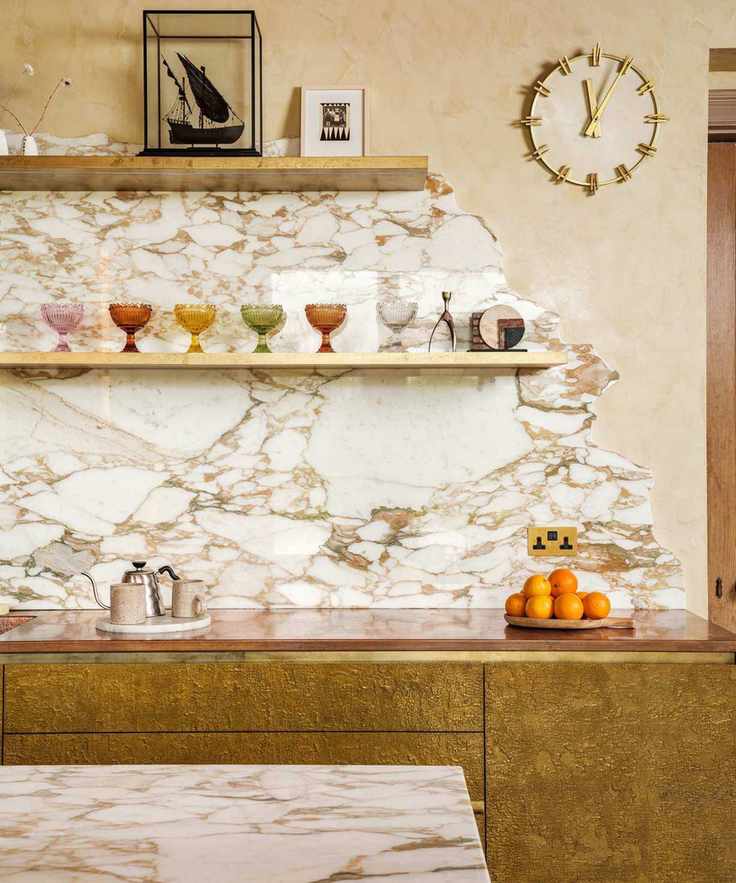
In the 90s, there was a movement toward industrial materials, reflecting the trend of transforming warehouses into living spaces. This raw aesthetic is slowly making its way back into modern design.
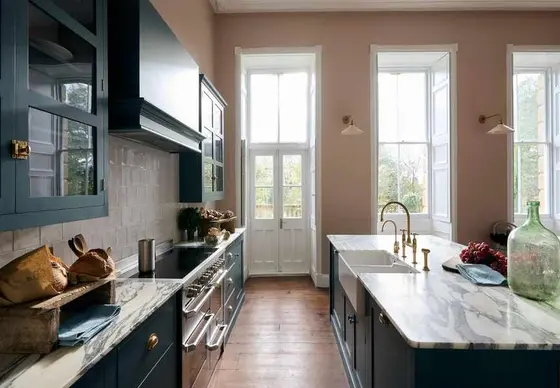
Take this kitchen with its irregularly edged backsplash by designer Jo Berryman. Though crafted from luxurious stone, its raw edges highlight its natural beauty.
“We aimed for a kitchen that felt distinct from a traditional country style. It’s more than just a cooking space; it’s a sanctuary inspired by the lush surroundings,” Jo explains. Earthy hues like copper and terracotta were chosen to bring warmth and sophistication.
Trends tend to cycle, and the resurgence of 90s design elements is testament to this. These styles are being revitalized in 2025, blending seamlessly with contemporary influences to create fascinating spaces.