
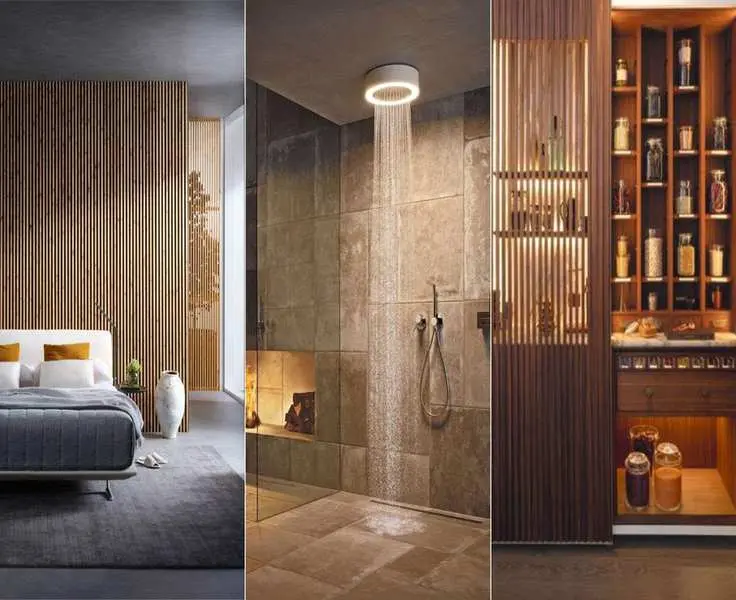
Smart lighting not only brightens your home but also creates an energy-efficient and adaptable setting.
This technology seamlessly integrates into your home's design, addressing your task-oriented and ambience needs while aligning with your circadian rhythms, thus enhancing your comfort and overall wellbeing.
Experts have outlined the advantages of smart lighting along with five innovative ideas to incorporate into your living space.
How Smart Lighting Enhances Wellbeing
In modern interior design, smart lighting does more than illuminate; it cultivates an atmosphere that combines technology, functionality, and style, says an interior designer.
Industry professionals agree that strategically implementing smart lighting can significantly elevate your living environment, blending sophistication with convenience.

Elizabeth Grace is an Interior Designer and Home Expert with a degree from the University of Notre Dame. She started her career as an intern in a top New York firm and now works with both residential and commercial clients.
Advantages of Smart Lighting

Various smart lighting options offer distinct benefits that can enhance your home and wellbeing.
Many individuals experience daytime fatigue, often feeling more alert in the evening. This may be due to artificial lighting, which can disrupt our biological rhythms, explains an electrical services CEO.
Some smart lights mimic natural daylight, helping to regulate circadian rhythms for improved sleep and wellness, according to a co-founder of a lighting company.
Adjustable light intensity can be beneficial for those with sleep disorders, enhancing their restfulness, says the electrical services expert.
Smart lighting can also modify brightness and color temperature based on natural light, thus saving energy and reducing your monthly utility costs.
Additionally, these systems can assist with everyday tasks, boosting productivity by providing the ideal lighting for focus.
Another advantage is the ability to enhance home security and aid individuals with mobility or vision challenges. Smart lighting can integrate with security cameras to activate floodlights.
Voice and app controls simplify lighting adjustments, enabling you to manage settings remotely. Lights can be programmed to simulate your presence for security, deterring intruders, while motion sensors can enhance safety by turning on lights when someone approaches.
Scheduling lights to turn on or off at set times helps maintain a routine, conserve energy, and secure your home when you're away.
For night workers, smart lighting can facilitate a normal sleep pattern, eliminating waking in darkness, states the LED expert.
Finally, smart lighting can be connected with other devices, like thermostats or security systems, creating a cohesive home experience.
Each of our top smart lighting concepts features at least one of these benefits, serving as an effective way to enhance your daily life.
1. Automatic and Motion Sensor Lighting

Automatic and motion sensor lighting merge efficiency with innovation, providing a hands-free solution for your movements, states an interior designer.
These sensors simplify daily activities, boost security, and conserve energy by keeping lights off when not needed. Ideal placements include pantries, closets, or cabinets.
If navigating dark hallways at night is a struggle, consider connecting smart lighting kits to motion sensors for enhanced security, explains an electrical company president.
Imagine hallway lights dimming as you pass a sensor, or using an app to flash lights as a warning during a potential break-in.
2. Simulating Natural Light

Some smart systems are designed to replicate natural light, aiding your circadian rhythm by mimicking the sun's changing intensity. These rhythms are the internal clock that regulates alertness and restfulness.
Choosing the right lighting for each room significantly impacts mood and productivity, explains a lighting expert.
To kickstart your day, incorporating blue light in the bathroom can energize you, while cooler tones enhance productivity in workspaces.
As the day winds down, shift towards amber tones to prepare your body for sleep; warm light bulbs in the living room can promote melatonin production.
With remote controls, you can adjust light intensity and color temperature from anywhere using your smartphone or voice commands.
3. Smart Shower Light

A smart shower light utilizes color therapy to sync with your circadian rhythms while enhancing your bathroom's ambiance. This waterproof LED light adjusts from bright daylight to warm tones for relaxing showers.
You can program it to change color or intensity based on weather or your schedule, ensuring a gentle wake-up in the morning and a calming evening transition, says the electrical expert.
4. Rise and Fall Lights

Smart lighting allows for customization, especially in kitchens and dining rooms, with rise and fall lights.
You can adjust height and intensity, creating ambient or task lighting as needed, says an interior designer. These fixtures can be lowered for focused work or raised for softer illumination during gatherings.
5. Strip Lighting

Strategically placed strip lighting enhances functionality beyond traditional solutions, according to an interior designer. As task lighting, it can be installed under cabinets or along staircases, improving aesthetics and safety.
As a decorative element, strip lighting can accentuate architectural features like bookshelves or fireplaces, adding depth to your space.
Smart strip lights allow for adjustments in intensity and temperature based on usage time.
FAQs
How Does Smart Lighting Deter Intruders?
Intruders can often tell when a house is empty. Configuring smart lighting to turn on and off at random times mimics occupancy, enhancing security, shares an electrical services CEO.
How Can Backlighting Enhance My Living Room?
Backlighting can turn ordinary features into stunning focal points, enhancing artwork or architectural elements. Integrating backlighting reveals the textures and shapes of your decor, according to an interior designer.
These easy-to-install smart lighting features can transform your living space. Whether you're aiming to enhance aesthetics or create a flexible environment, these energy-efficient solutions boost both your wellbeing and home functionality.



