
It's easy to postpone decluttering your space, but there are clear indicators that it's time to take action. If you're struggling to maintain order, it might be a sign that your belongings have taken over.
Whether you feel stressed while cleaning or find organizing your closet challenging, these signals indicate that it's time to tackle the clutter. Here are six major signs from organizing experts that suggest it's time to declutter.
Significant Signs You Need to Declutter
Many of us find ourselves in denial about the volume of our belongings. We might think we just need better home storage or more time to tidy up. However, the situation often calls for serious decluttering strategies to manage the chaos.
Decluttering Planner | $6.99 at Etsy
Kick off your tidying journey with this 21-page planner filled with actionable checklists and expert tips.
1. Clutter Affects Your Mental Health
Research shows that a cluttered environment can lead to depression. If your mood has dipped at home, it might be time to reduce the clutter. This could also be impacting your sleep, especially if your bedroom is overwhelmed with items.
'Clutter can trigger emotions like shame, anxiety, and stress,' notes Catherine Hamilton-Cooper, a professional organizer. 'It can lead to poor self-care and unhealthy habits. If your clutter is affecting your mental state, seek help and begin to declutter gradually, with support if necessary.'
2. Surfaces Are Covered in Piles

While some messiness is normal, experts indicate that there shouldn't be piles on surfaces without designated places. Kait Schulhof, a professional organizer and founder of A Clean Bee, advises:
'If you see clutter accumulating on surfaces where it doesn't belong, it's time to reorganize and declutter. Whether it's clothes on chairs or papers on desks, taking action is vital.'
3. Clutter Disrupts Your Work Life

Whether you work from home or in an office, clutter shouldn't hinder your productivity. Catherine Hamilton-Cooper reminds us:
'If you often find yourself late because you can't locate your essentials, or if your workspace is so chaotic that it impacts your performance, it's time to make a change.'
4. You're Always Cleaning

While it's great to have a cleaning routine, if you find yourself cleaning constantly just to maintain order, your space might be too cluttered. Jackie Pittman, a professional organizer, states:
'If tidying up feels like a never-ending battle, it's clear that clutter has taken control. Effective decluttering can drastically reduce the need for constant cleaning.'
5. Daily Tasks Become Difficult

Feeling overwhelmed while trying to declutter can signal a serious issue. Catherine Hamilton-Cooper explains:
'If your kitchen is so cluttered that preparing a simple meal feels impossible, it's time to get organized. If your couch or kitchen table is unusable due to clutter, it's a clear sign to reclaim your space.'
6. Storage Solutions Are Overflowing
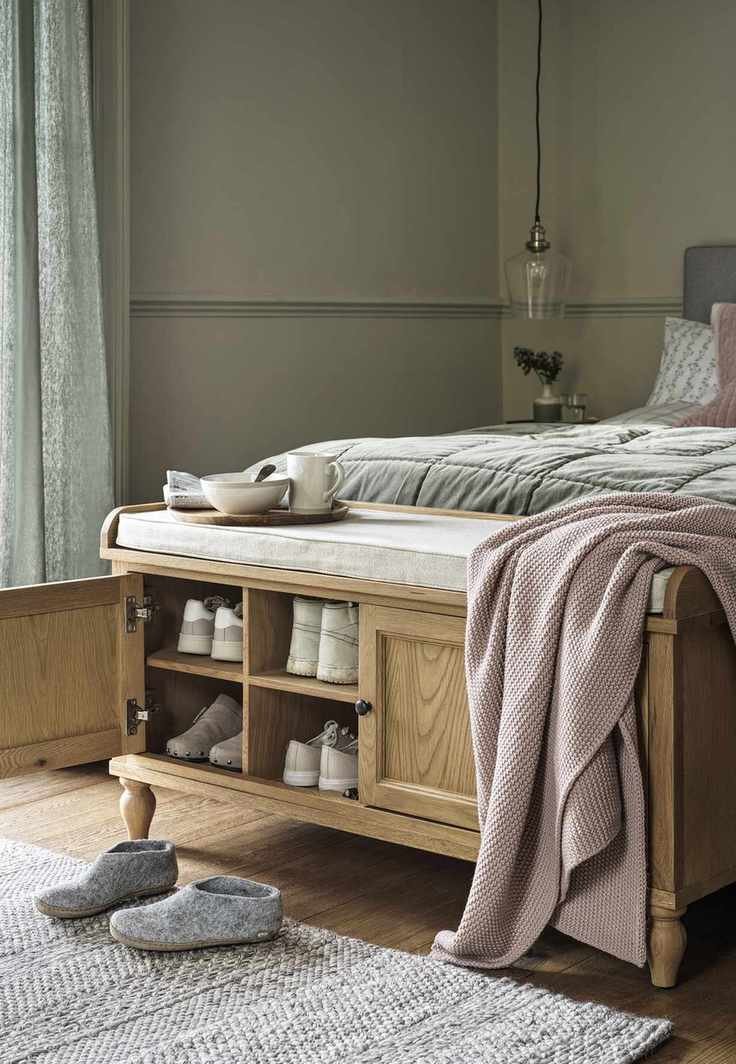
Experts emphasize that overflowing storage is a blatant sign you need to downsize. Marissa Hagmeyer, co-founder of The NEAT Method, states:
'If your storage solutions can't adequately accommodate your items, it's time to declutter. Reducing your possessions can ease decision fatigue and bring a sense of tranquility. Sometimes, simply removing expired items can create significant space.'
Common Questions
How Can You Declutter When Overwhelmed?
When you realize you have too much stuff, be decisive about your decluttering. Skip the 'maybe' pile and focus on what to keep versus what to discard. Inviting a friend or a professional can provide valuable perspective on what's essential.
Why Do I Feel Overwhelmed When Decluttering?
Decluttering can be daunting due to the numerous decisions required in a limited timeframe. This feeling can intensify when dealing with sentimental items. Enlisting help from friends, family, or a professional can alleviate pressure and assist in establishing effective decluttering methods.
Having support from friends or professionals can lighten the mental load associated with decluttering, making the process smoother. Remember to take it one step at a time; starting small is often the best strategy.