
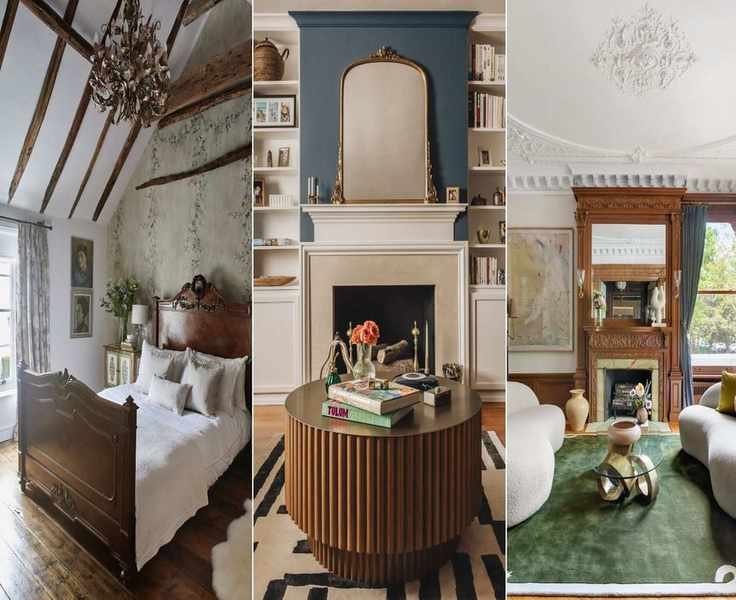
Let's be clear from the outset: when it comes to original features in house design, my stance is to protect and preserve! If your home still boasts its authentic period details, they should be maintained for future generations to appreciate.
You might wonder which original features you should keep intact. We consulted with interior designers, and they almost unanimously agree that well-crafted and visually appealing period features deserve to be preserved.
But what if the original details aren't your style or they clash with your vision for the home's interior design? Instead of removing or replacing them altogether, designers suggest adapting and updating these features to align with your overall aesthetic.
Which Original Features Should You Keep and Which Can Be Replaced?
In the world of interiors, the term 'original features' typically refers to the doors, windows, staircases, fireplaces, flooring, and even small elements like door handles that were installed when the home was originally built. These details can be decorative or functional, but they all contribute to a home's unique story and character.
Consider how to integrate these features into your design and think long and hard before deciding to replace them.
Here's what the experts recommend regarding the original features that should be preserved and those that could be updated.
1. Preserve the Original Doors
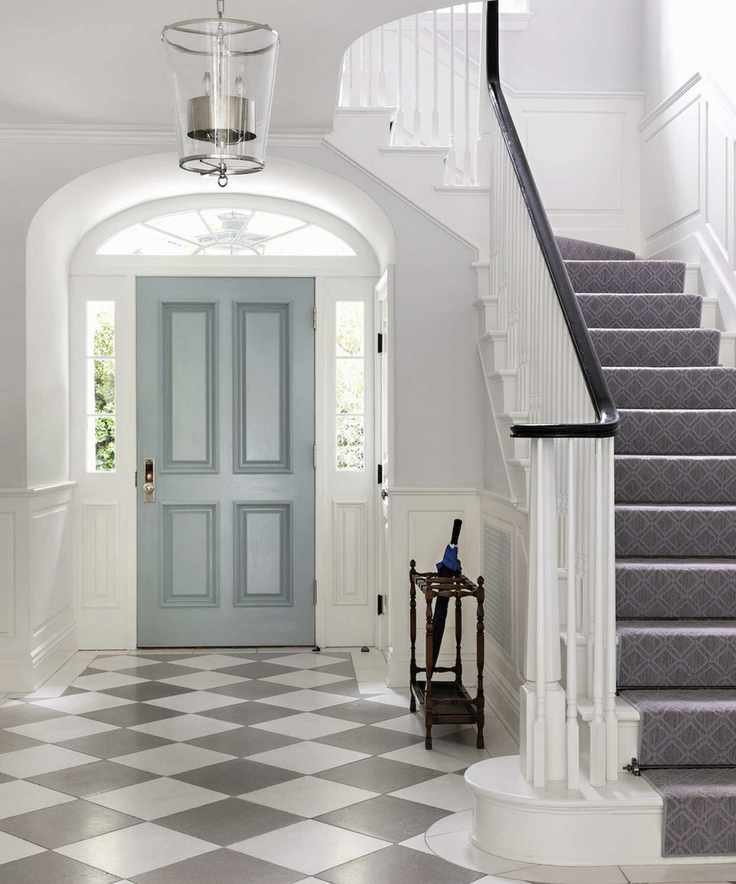
For homes aged 70 years or more, it's advisable to keep the original internal doors. You can certainly repair, repaint, or even strip them back to their original wood finish, but replacement should only occur if they're damaged beyond repair.
Along with the doors, the original hardware adds character and reflects the era in which they were made.
'Solid wood doors with intricate designs should be valued for their craftsmanship,' says Lauren Lerner, CEO and founder of Living with Lolo. 'Such qualities are rare in modern alternatives.'
If you reside in a historic property or a designated area, be sure to check local guidelines regarding the replacement of original doors and windows. Engaging with local preservation officials and building departments early on can help clarify requirements. If you decide to replace them for aesthetic reasons or energy efficiency, consult with architects and specialists in historic preservation to ensure that any replacements meet both historical and contemporary standards.
2. Repair Authentic Windows Whenever Possible
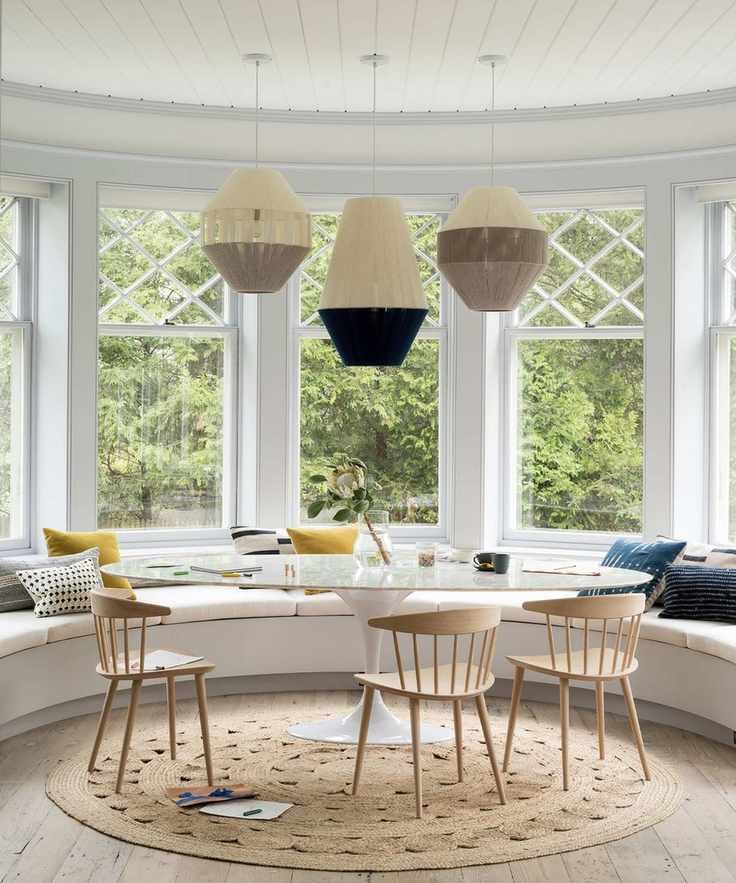
Think of a child's drawing of a house: the windows represent the eyes of the property, an image that stays with us into adulthood. Original windows significantly contribute to a home's character and should be preserved or repaired whenever possible. Like the doors, these windows were designed in harmony with the home's architecture, making it essential to maintain that historic and aesthetic balance.
'Unique windows with original glass or shapes enhance a home's visual appeal,' adds Lauren Lerner. 'Stained glass details or decorative panels add artistic value and color, making them irreplaceable.'
Old wooden window frames are prone to damage from extreme heat and moisture, which can lead to rot or brittleness over time. Additionally, consider how energy efficient the original windows are.
Interior designer Vani Sayeed notes, 'Windows original to historic homes are often single-pane and may need to be replaced for proper functionality. Fortunately, we can now find historically accurate windows that perform well.'
If you're considering replacement due to energy efficiency, be sure to research options that comply with heritage regulations and consult with local preservation officials.
3. Keep Period Fireplaces Intact
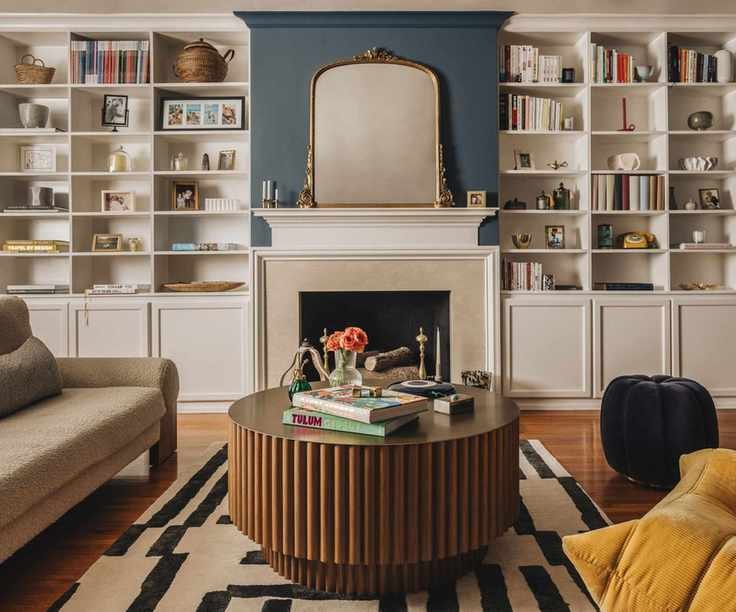
Few things evoke the feeling of 'home' like a crackling fire in a lovely traditional fireplace. These original pieces exude warmth, comfort, and nostalgia, making them worthy of preservation.
Lauren Lerner adds, 'Original fireplaces with mantels and hearths serve as focal points, showcasing unique details that enhance a room's charm.'
LA-based interior designer Tancred Vilucchi agrees, noting that updating these features to align with modern tastes is possible. 'A simple old fireplace can be partially restored while refinishing its mantel or adding new surround stone,' he explains. 'We recently redesigned a living room where the clients were unsure about keeping the original fireplace. We enhanced the design by adding casings around the mantel, painting the wall a deep blue, and placing a mirror on the mantel, transforming the entire space.'
4. Maintain Characterful Moldings and Decorative Plasterwork
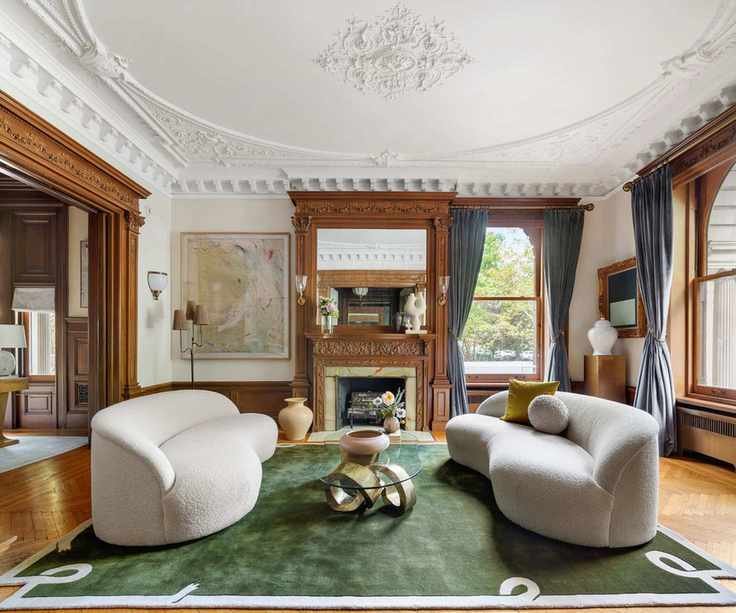
Decorative plasterwork and moldings were common features in historical homes. Some, like chair and picture rails, had practical purposes, while others were purely ornamental, like the intricate ceiling roses and cornices shown above in a Brooklyn apartment updated by Jason Saft of Staged to Sell Home. Regardless of their purpose, if a home's original moldings are intact, they are worth keeping, especially since they can easily be modernized.
Tancred advocates for transitional design, blending the old with the new to create a cohesive aesthetic. 'Old crown moldings can add charm to a room featuring contemporary furniture or cabinetry,' he states.
Interior designer Fitore Syla from Kosovo-based Muza agrees: 'You can be creative by recoloring or adding new elements, but preserving these features allows you to pass on a story to future generations, keeping valuable treasures alive.'
5. Keep the Original Staircase

The staircase is often overlooked, yet it can greatly influence a home's appeal. Replacing it with a style that doesn't match the home's architecture can draw unwanted attention. With so many design variations available, it's crucial to select the right staircase for your setting, which usually means keeping the original.
Original doesn't have to mean dull; even simple staircases can feature embellishments. 'Staircases with ornate railings or banisters serve as essential structural and decorative elements that showcase craftsmanship,' adds Lauren Lerner.
Chisana Hice-Smith, an interior designer at In Site Designs, concurs: 'Original staircases can be stunning works of art featuring detailed woodwork, banisters, and newel posts. They often represent a central element of the home's architectural style. If a staircase is unsafe, it may need to be replaced, but efforts should be made to replicate the original design to maintain the home's character.'
In Julia Dempster's 1920s Mediterranean-revival home in LA, replacing the original tiled staircase was never an option. 'In a world obsessed with modernity, this staircase stands as a testament to timeless elegance and craftsmanship,' Julia reflects.
6. Retain the Original Flooring for Added Character
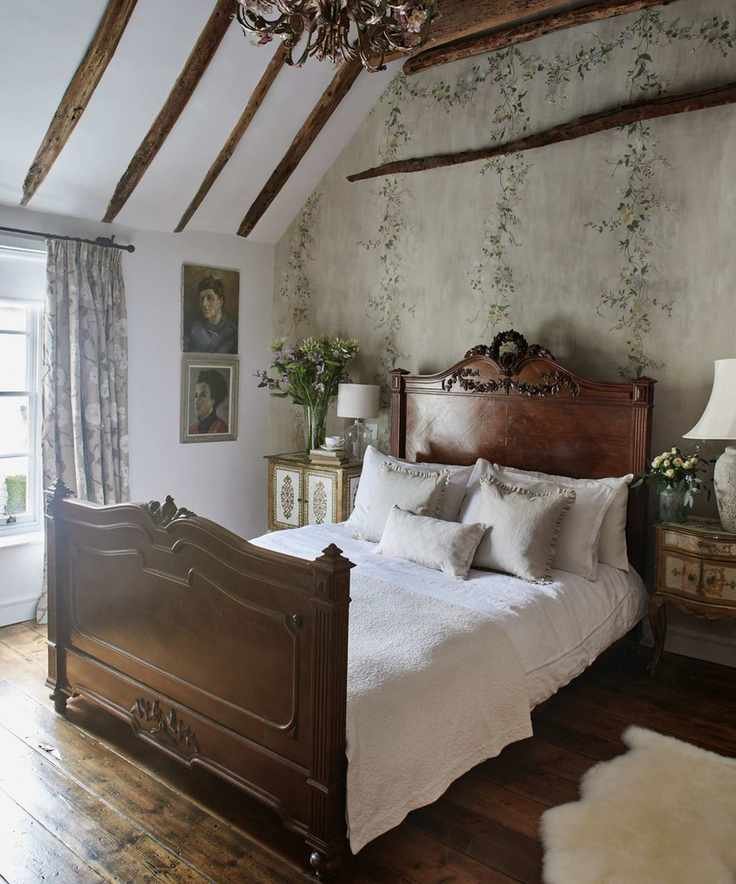
When antiques dealer Holly Clements renovated her village home in southern England, she discovered the original 300-year-old wide plank wood flooring in the main bedroom. There was no question of replacing them; instead, she carefully cleaned them with wire wool and white spirit, allowing their timeworn beauty to shine alongside the room's original ceiling beams, also uncovered during renovations. Holly's thoughtful restoration highlighted the house's original character.
This approach resonates with Fitore Syla. 'As long as the old features maintain their function, they should never be replaced. Their history and style are unique, representing an era of design and architecture that fascinates me.'
What if the flooring is damaged or excessively worn? 'Flooring can be easily refinished,' Vani Sayeed advises. 'If it's damaged, we can seamlessly blend in similar wood to create a cohesive look.'
7. Replace Only Damaged or Unsafe Features
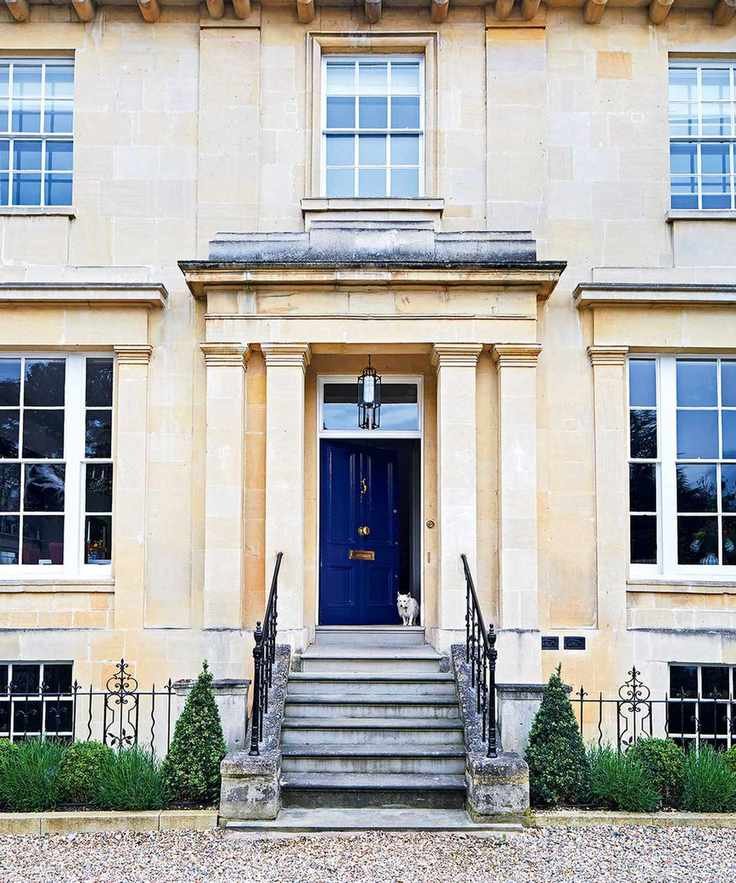
Is it ever acceptable to replace original features? Yes, especially if they are unsafe. However, with charming features, it's wise to stay as close to the original design as possible during replacements.
'Aesthetic upgrades may align with the homeowner's preferences or enhance market value, but preserving the property's character is crucial. Consulting preservation experts can help ensure that replacements complement the original design and enhance the property's appeal,' says Lauren Lerner. For doors or windows, energy efficiency upgrades can improve comfort and reduce costs.
'Balancing the preservation of historical features with modern amenities is essential,' adds Chisana Hice-Smith. 'While it's important to retain these elements, your home should also be comfortable for daily life.'
One area where design experts unanimously agree is that safety comes first, particularly regarding structural and electrical elements. 'Outdated electrical wiring, plumbing, or heating systems should be updated to meet current safety standards,' advises Lauren Lerner.
Moreover, there can be design advantages to replacing electrical components. 'Electrical switches and their cover plates should be replaced,' Tancred suggests. 'They were once seen as purely functional, but now many companies offer stylish options, from reproduction pieces to modern designs. Upgrading these can enhance any decor and atmosphere.'
So, what is the takeaway regarding your home's original features? Hopefully, I've convinced you to join the cause of protect and preserve. If you must replace period details due to irreparable damage, it's wise to check local regulations first before seeking similar heritage replacements. Maintaining original features helps preserve the character of a home, and isn't that what we all desire? A home full of character and stories, especially with a rich history.



