

Earth Day is an opportunity to make small yet impactful changes in your garden that only take five minutes. These quick tasks can create a healthier environment for pollinators, improve soil quality, and support the ecosystem. Simple actions can lead to significant benefits.
In my experience, it's often the minor adjustments that yield the most substantial results. Consider these tasks as gentle nudges towards a more balanced garden rather than extensive overhauls. Each small effort contributes to a thriving outdoor space.
If you're interested in enhancing your garden for wildlife, these quick tasks will seamlessly fit into your overall vision, bringing life and vibrancy to your yard.
1. Create a “Messy Minute” Corner
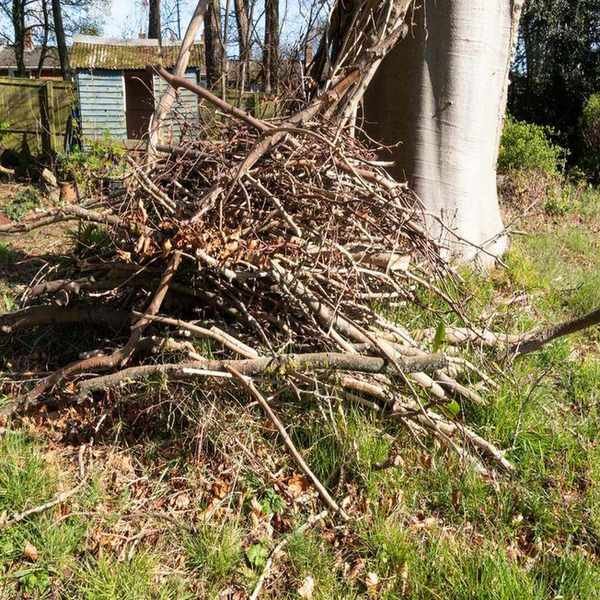
Gardeners often prefer neatness, but wildlife thrives in messiness. Take five minutes to establish a small, discreet area in your yard where fallen leaves and twigs can accumulate naturally. This area becomes instant habitat, inviting beetles, fungi, and birds to explore.
In my own yard, I designated a “messy minute” zone, and soon enough, I noticed an increase in wrens and beneficial insects. Even small piles of twigs can create homes for garden critters. You might find a simple leaf rake handy for gathering materials without overdoing it, but remember, less is more.
2. Hydrate Your Potted Plants Effectively
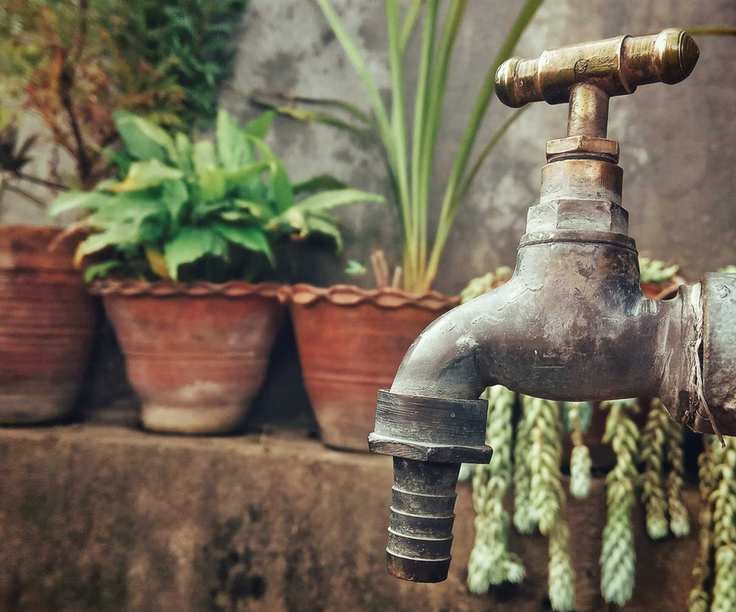
We’ve all been guilty of the quick sprinkle, giving our plants a superficial rinse that barely reaches their roots. Instead, take five minutes to deeply hydrate a few pots by dunking them in water. Fill a bucket, submerge the pot, and wait until the bubbles cease.
This technique revitalizes container plants like lavender and geraniums, especially in regions where spring winds can dry out pots quickly. I found this method effective after realizing my supposedly watered plants were dry underneath. A stock tank can streamline this task while enhancing the appearance of your garden.
3. Chop and Drop: Instant Soil Nutrition
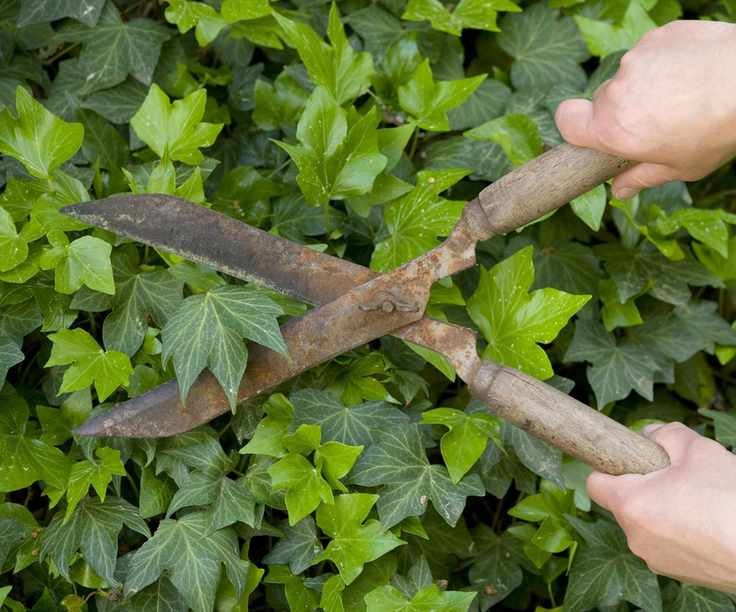
While composting is great, it can be a lengthy process. Instead, grab some snips and spend five minutes trimming soft plant growth, like herb clippings or spent flowers, and drop them directly onto the soil. This method immediately enriches the soil and retains moisture.
Soft plants like basil and French marigold break down quickly, making them ideal for this technique. I’ve had success using this in my vegetable beds, where it helps prevent soil from baking under the sun—like a light blanket for your plants. Reliable Okatsune pruners can make this task enjoyable.
4. Introduce a Water Source
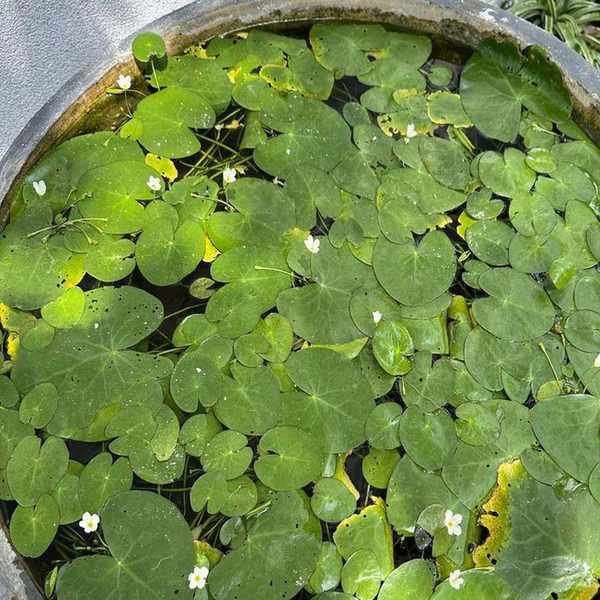
Water is essential, but it doesn't require elaborate setups. A simple dish or saucer filled with water can attract numerous insects and birds. Adding pebbles helps them access the water safely.
Within days, you might spot bees, butterflies, and birds enjoying this tiny oasis. I placed a chipped ceramic saucer near woodland sage, and it soon became a hotspot for wildlife. For a more decorative option, consider a used wine barrel to enhance the aesthetic while still serving its purpose.
5. Pause Before Deadheading
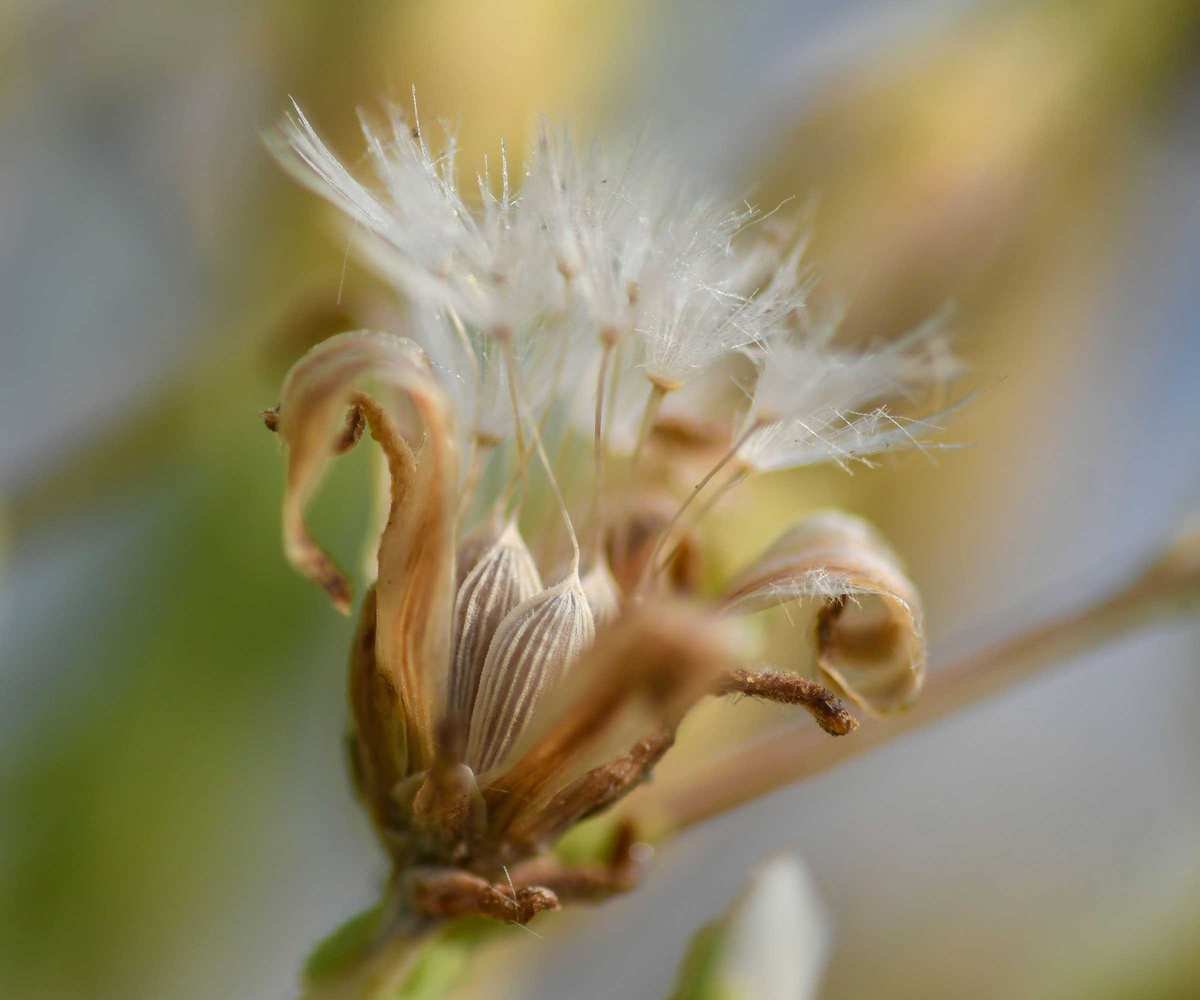
Deadheading is often seen as a necessity for maintaining blooms. This Earth Day, consider refraining from this task and let some flowers go to seed instead.
Seed heads from plants like coneflower and black-eyed Susan provide nourishment for birds, particularly goldfinches. Leaving a few weeds with seedheads can also benefit various species. I learned to leave some patches untouched, creating a lively feeding ground. If aesthetics are a concern, selectively leave some blooms while tidying others. Balance is key in gardening.
For those interested in fostering this natural cycle, investing in native wildflower seeds can encourage biodiversity over time.
6. Create a Micro-Habitat
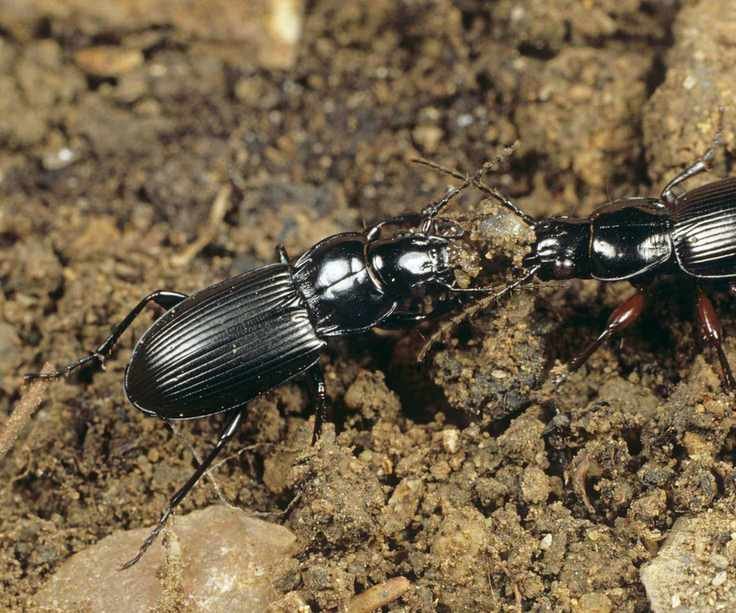
This task feels delightfully crafty. Find a flat stone or piece of wood, lift it, and place it back down, leaving just enough space for creatures to find shelter. You’ve just created a micro-habitat in under five minutes.
Small mammals, insects, and amphibians will use these cool, shaded spots as safe havens. In my garden, a slab of stone revealed a thriving community of woodlice and the occasional frog, showcasing the hidden life within our greenspaces. If you need stones, field stones are a great option to let nature flourish.
It’s easy to believe that meaningful environmental action must be grand, but gardens thrive on subtlety and the cumulative effect of small changes.
These Earth Day tasks emphasize participation over perfection. Each five-minute job is a step towards a healthier ecosystem that includes you, your plants, and all the creatures that share your space.
The best part? You can accomplish any of these tasks in the time it takes to brew a cup of tea. So, step outside, take five minutes, and start making a difference.



