Dust can be an unwelcome presence in any home, settling on surfaces and triggering allergies. Despite regular cleaning, it often seems to multiply, hiding in corners and on shelves.
Several factors contribute to the quick accumulation of dust, including air quality and the types of materials in your decor. Fortunately, many of these factors can be adjusted to create a cleaner, less dusty environment.
Here are six reasons why dust gathers faster than you can clean it, along with practical ways to effectively reduce dust in your home.
6 Causes of Rapid Dust Accumulation
Dust accumulation can negatively impact your health by lowering air quality and attracting dust mites, which can aggravate allergies.
Implementing a few smart cleaning strategies can significantly enhance your home's comfort.
1. Your HVAC filter needs attention
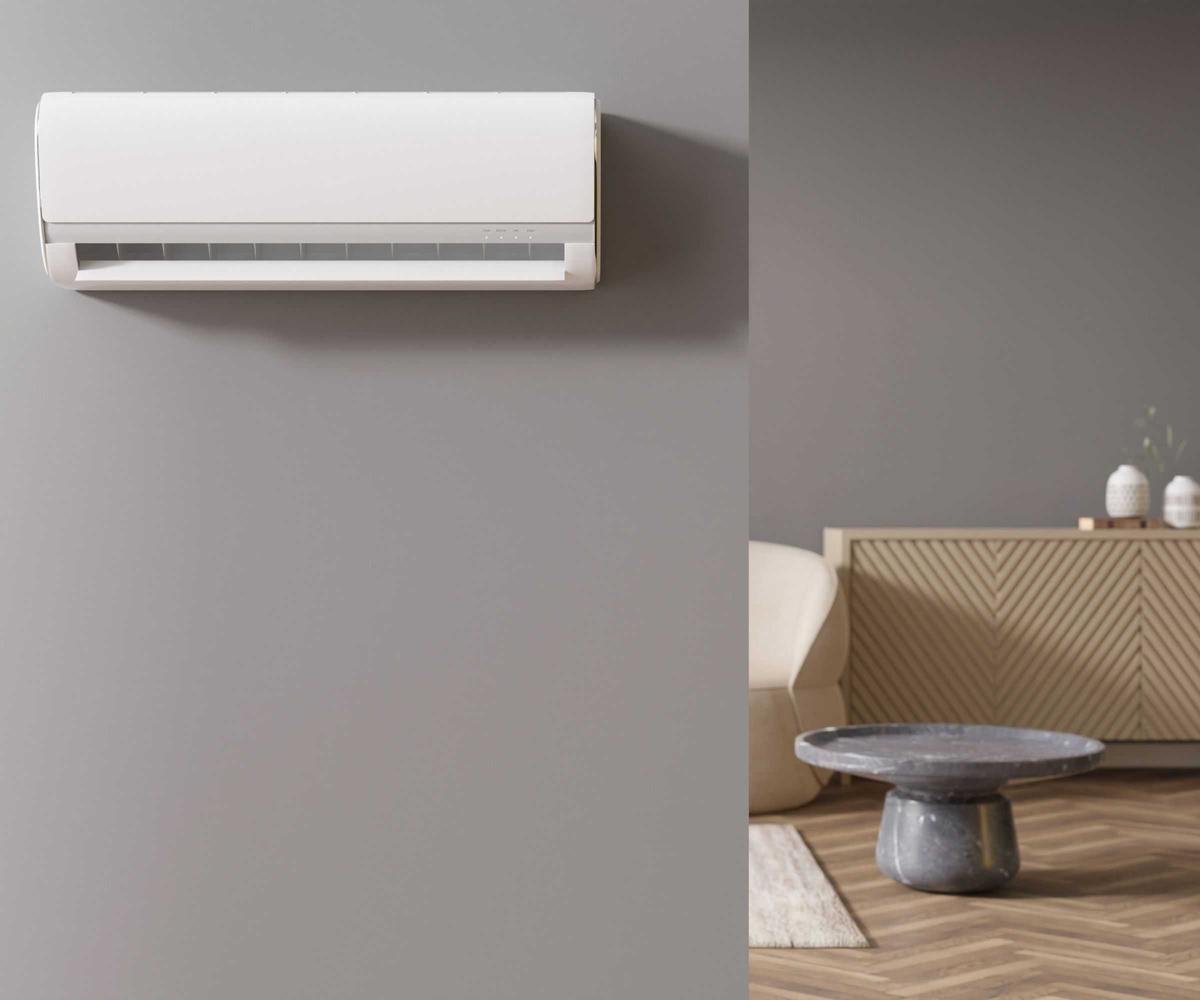
Your HVAC system is crucial for maintaining good air quality. Neglecting to maintain your HVAC system can lead to excessive dust buildup.
According to Ryan Meagher, if your HVAC filter is dirty or too small, dust will accumulate at a much faster rate. “Upgrading your filter and checking the filtration system can make a huge difference,” he recommends. Adding standalone air purifiers in high-dust areas can also help supplement your HVAC system.
Additionally, it’s wise to clean your vents to boost air quality.
2. Incorrect dusting techniques

Many people make common dusting errors, warns Aminah, a cleaning expert. She advises against using dry cloths, which frequently just relocate dust instead of removing it. Opt for a microfiber cloth for better dust capture and always dust from top to bottom to avoid re-dusting cleaned surfaces.
Don’t forget to dust before you vacuum to catch any fallen dust. Damp dusting can also be effective. The Scrub Daddy Damp Duster is a fantastic tool for this, as it collects dust in a single motion without disturbing it.
 Editor's pick
The damp duster is moistened with plain water and easily glides over surfaces to gather dust, requiring only a quick rinse to clean it.
 Bestseller
Having multiple microfiber cloths in each room makes it easy to quickly dust surfaces when needed. Color-coding can help avoid cross-contamination.
 Bestseller
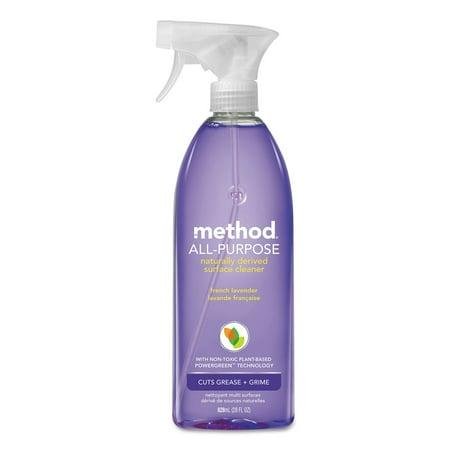
Using an all-purpose cleaner can make dusting simpler, as damp cloths prevent dust from becoming airborne. Plus, it leaves a pleasant scent.
3. Unsealed windows and doors

Draft-proofing your home is essential for more than just energy efficiency. Sealing gaps with door brushes and silicone sealants can help keep outdoor dust from entering your home.
This is especially crucial during pollen season, which can worsen allergies. Combine draft-proofing efforts with allergy cleaning tips to create a sneeze-free home.
4. Fabrics that shed

Cozy textiles like throws and pillows often shed fibers that contribute to dust. Synthetic materials are notorious for releasing microfibers. Punteha van Terheyden suggests avoiding these items if possible. If you must have them, wash them upon purchase to remove loose particles.
Using a gentle detergent like Tide Free & Gentle can be helpful in maintaining cleanliness without aggravating allergies.
5. Overlooking vertical surfaces

Dust doesn’t just settle on flat surfaces; it can also collect on vertical areas like walls and furniture. Aminah points out that curtains and carpets can gather significant dust.
Regular vacuuming of these areas is essential. Don’t forget to wash throws and cushion covers periodically to keep them fresh.
Using your vacuum to clean curtains is a unique strategy, but be cautious with suction settings to avoid damage.
6. Having pets

Pets inevitably contribute to a dustier environment due to dander and hair. Regular grooming can significantly reduce dust levels in your home, according to Ottilie Blackhall.
Bathing pets with pet-safe shampoos can help remove dead skin and keep your home cleaner. Additionally, using an air purifier designed for pet owners can assist in capturing dander and hair before it settles.
Choosing the right air purifier based on your room size is crucial. Make sure to clean or replace filters regularly for optimal performance.
This model covers 1,115 sq.ft. Powerful Puroair Hepa Air Purifier effectively captures dust particles.
FAQs
Do open windows help reduce dust?
While it may seem keeping windows open would trap dust, it actually allows more dust to enter your home. It’s best to open them only when necessary for ventilation or cooling.
Maintaining a clean home can be challenging, but implementing these quick tips can significantly reduce dust levels. Regular dusting is still necessary to ensure a cleaner environment and minimize allergies.