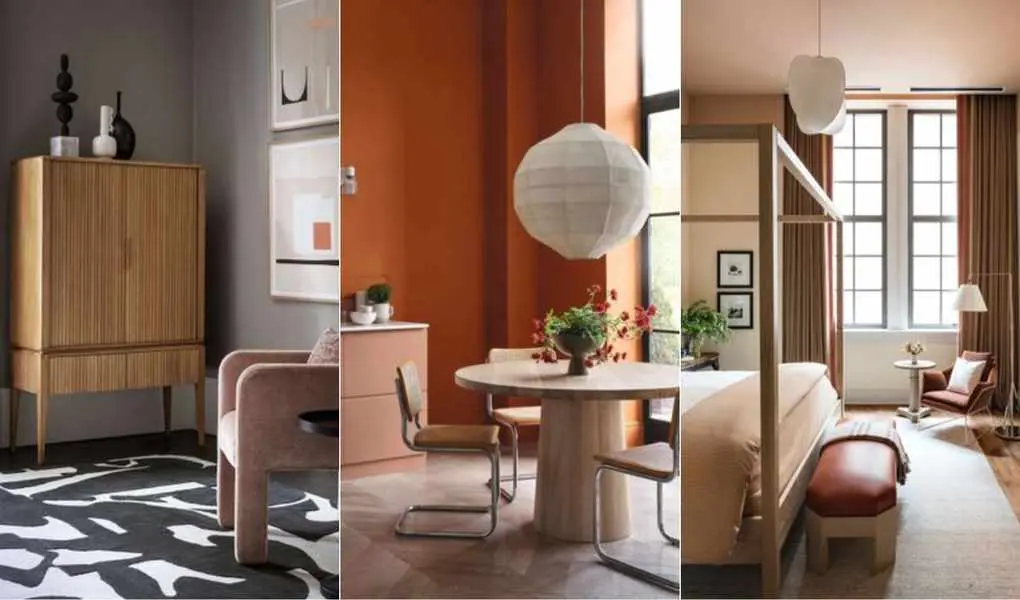
Getting your space organized is essential for enhancing daily efficiency and crafting a cohesive environment that feels purposeful.
Every area has its unique needs, but several universal organizing principles can guide you in structuring any space.
Whether you're tackling a full room like a kitchen or a smaller setting like a bathroom vanity, these expert insights will simplify the task.
Steps to Organize Any Space
Start by defining your goals for the space. Are you aiming for practicality, preparing for a move, or getting ready for a seasonal shift? Understanding the function of the area and what needs to be stored will help you sidestep any future organizational pitfalls.
1. Plan According to the Room's Function
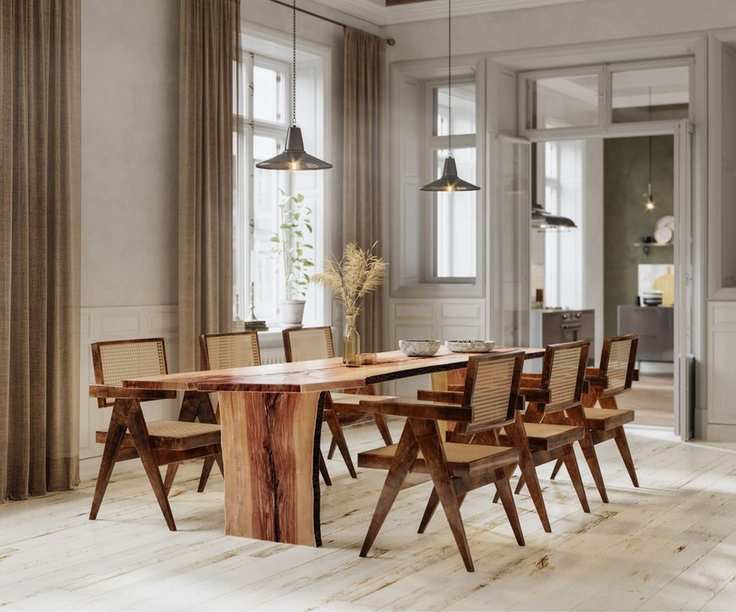
Rich Mullins, an organization expert, emphasizes that grasping the room's purpose is vital. A home office needs functionality, while a living room leans towards comfort and aesthetics.
This clarity will guide you on what should remain, what can be removed, and where to place items for both beauty and efficiency.
Stefania Rella, an interior designer, suggests considering potential activities that will occur in the space. After identifying the purpose, plan the details carefully.
Evaluate your storage options and figure out what complements the items you need to keep. Don't forget to think about how furniture can enhance the room's functionality and warmth.
Personal touches such as decorative pieces can also help make the space feel like home.
2. Declutter

Before organizing, clarify your space by eliminating unnecessary items that don't serve a functional or aesthetic role.
Nick Valentino, a professional mover, advises starting fresh by clearing out as much as possible and giving the area a thorough clean. This step is crucial for achieving your desired outcome.
Rich Mullins adds that you should remove items that are no longer useful. Organizing by categories can streamline the process, like grouping kitchen items into utensils, cookware, and pantry supplies.
Martin White, an interior designer, recommends being decisive during decluttering. If you haven't used an item in a year, it's time to let it go. Donate or recycle as needed.
3. Define Zones
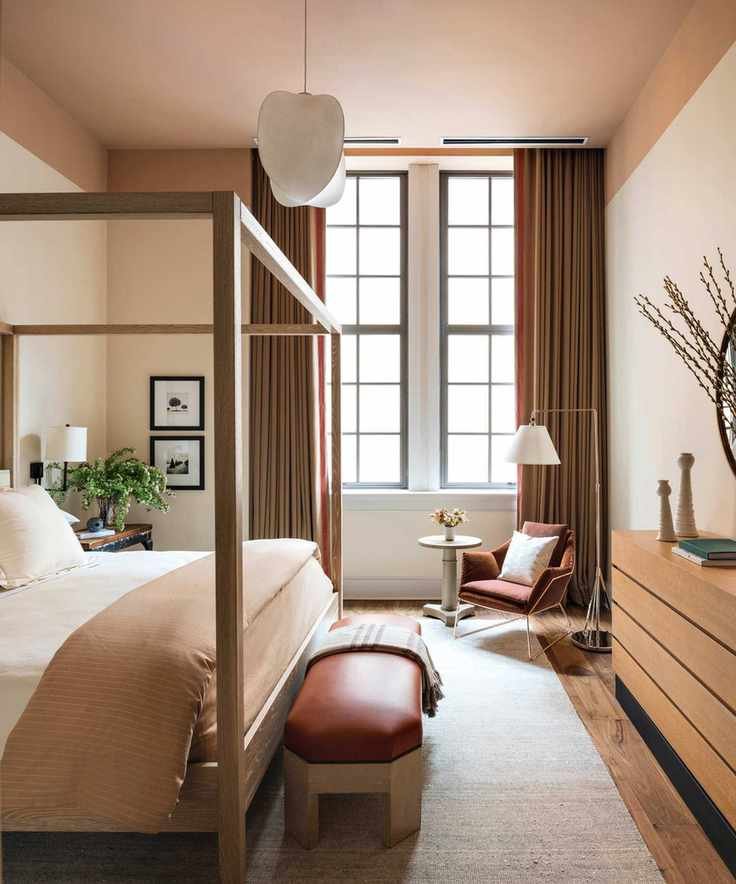
Victor Cheung, a Feng Shui expert, suggests creating zones within your living or working space for better functionality. This can enhance both organization and visual appeal.
In open layouts, defining zones helps to clarify item placement, enhancing flow and clarity.
4. Sort and Categorize Items

Tanya Stone from Tanya Stone Interiors advises laying out all items and grouping them based on similar functions. Assign specific locations for these items, considering their usage and size.
Think about daily usage when sorting. For example, keep frequently used blankets easily accessible while storing extras in a basket out of sight.
Martin White suggests utilizing bins and baskets to keep items organized and easily retrievable. Labeling containers can speed up the finding process.
Mayfair Wall-Mounted Wine Glass Shelf
$178.00
This open storage option is perfect for displaying your drinks while keeping them organized.
Tava Handwoven Rattan Box
$189
These stylish rattan boxes provide a functional storage solution for various items and can be labeled for easy access.
Acrylic Bloc Collection Desk Storage
$106.00
This versatile storage box is ideal for organizing smaller items, from office supplies to craft materials.
5. Ensure Accessibility
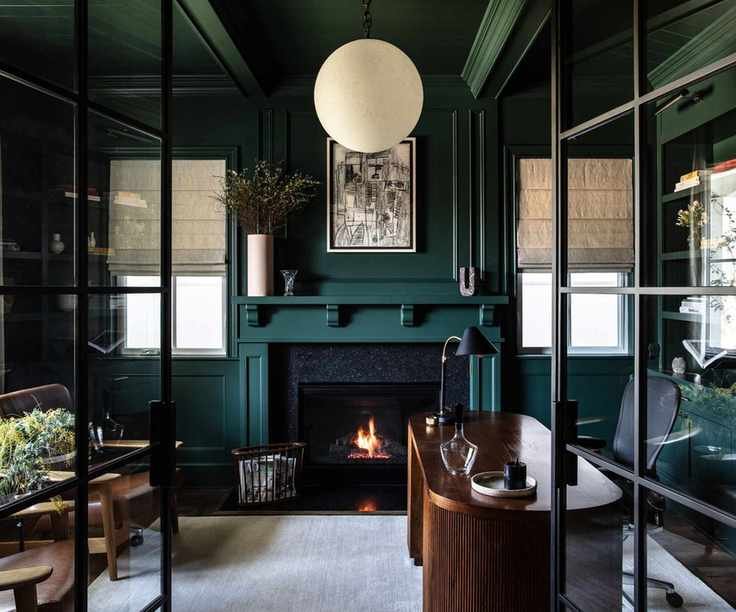
Prioritizing accessibility is essential for a functional space. Keep frequently used items within easy reach, while less common items can go in harder-to-reach areas.
Rich Mullins stresses that both home and office spaces should be organized to minimize clutter and maximize efficiency.
Understanding your daily activities will help you determine the best ways to arrange items.
6. Maintain Regularly
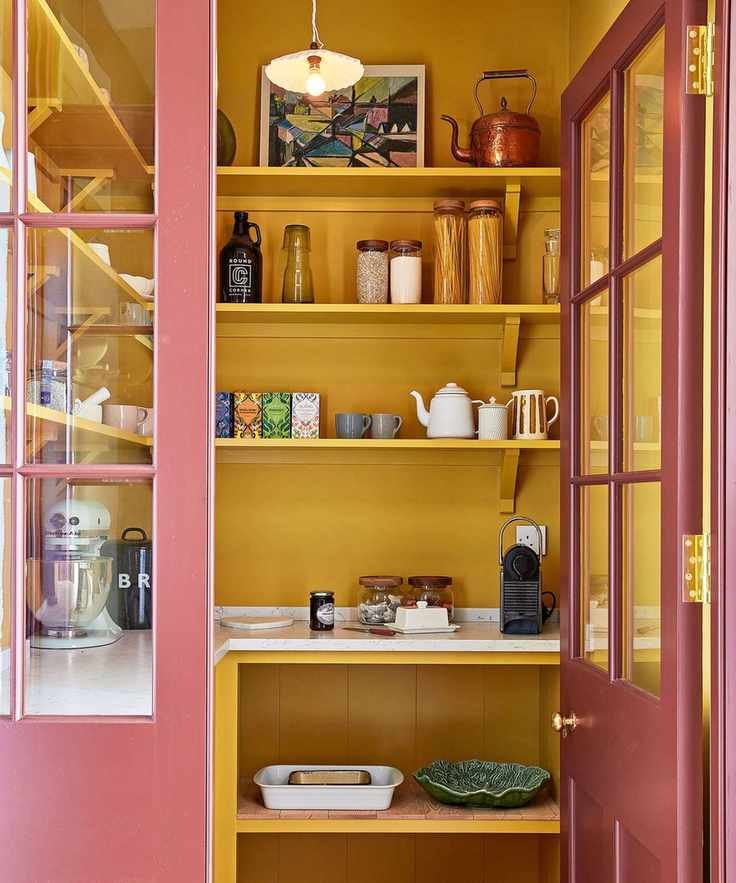
Organizing is an ongoing task. Foster a tidy atmosphere by establishing regular maintenance habits like weekly cleaning and seasonal decluttering.
One tip is to keep a storage basket by the door for items that need organizing later, helping maintain a clutter-free surface until you have time to sort.
FAQs
Where to Begin When Decluttering?
Christina Giaquinto, a professional organizer, suggests starting small and setting a timer for 15 minutes. If overwhelmed, take a break, hydrate, and approach the clutter in sections for a manageable experience.
Remember, avoiding overcrowded storage areas leads to better organization. Invest in multi-functional furniture to optimize your storage capabilities.