
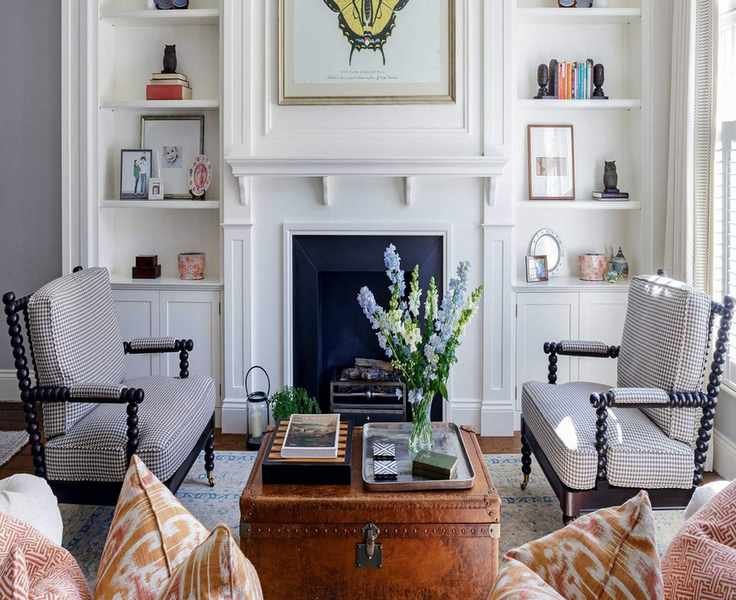
If you're searching for tranquil home decor tips, you're in good company. Many seek to transform their spaces into relaxing sanctuaries, and professional designers often hear this request.
We consulted design experts for their favorite ways to evoke serenity in your home. Whether you want quick fixes for a calming oasis or need guidance for significant interior shifts, these straightforward suggestions are sure to inspire you.
Understanding Tranquil Home Decor
What does it mean to create a tranquil atmosphere, and why is it essential?
Implementing tranquil decor in your home, or even just one room, is crucial for relaxation and well-being. A calm environment can greatly enhance your quality of life, so picking up a few soothing design strategies is an excellent start.
From our experts, you'll understand the significance of decluttering, selecting peaceful colors, optimizing lighting, choosing soothing accessories, incorporating plants, and identifying key areas to focus your calming efforts.
1. Begin with Decluttering
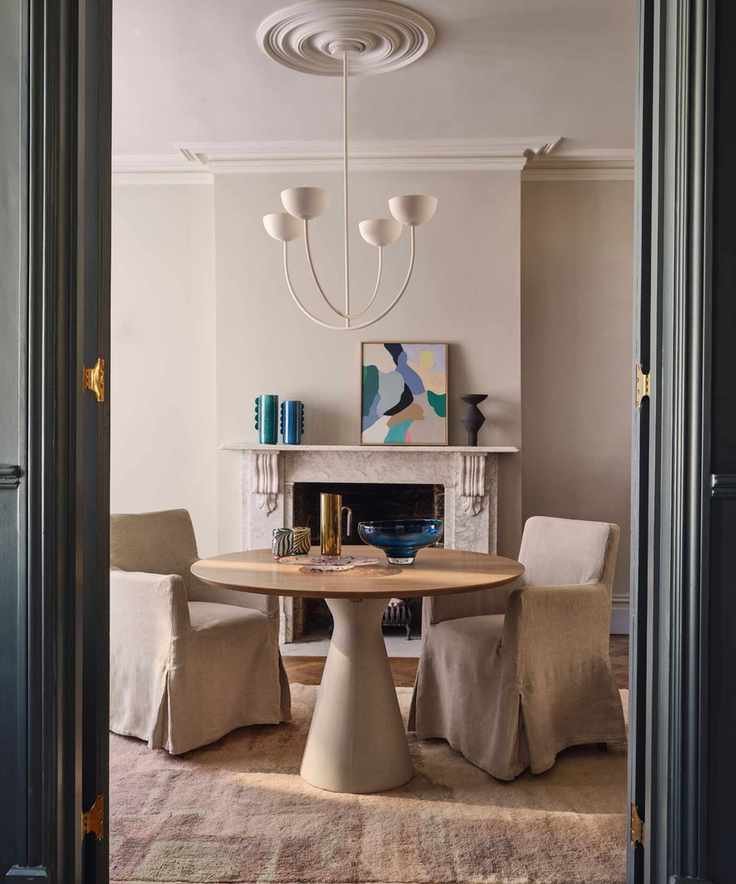
It might not be the answer you were hoping for, but a cluttered space makes it nearly impossible to achieve tranquility. Before you implement any calming decor ideas, prioritize clearing out the clutter.
Interior designer Kristin Marino from Austin, Texas, emphasizes this: 'Minimalism and relaxation go hand in hand. Be mindful of your furniture and decor choices. Organize to maintain a clean, open atmosphere.'
Fortunately, decluttering can be a rewarding experience. Learning to make decluttering enjoyable can help you stay ahead of the mess and take this vital step toward serene decor. The results can indeed be transformative.
2. Use Soothing Lighting
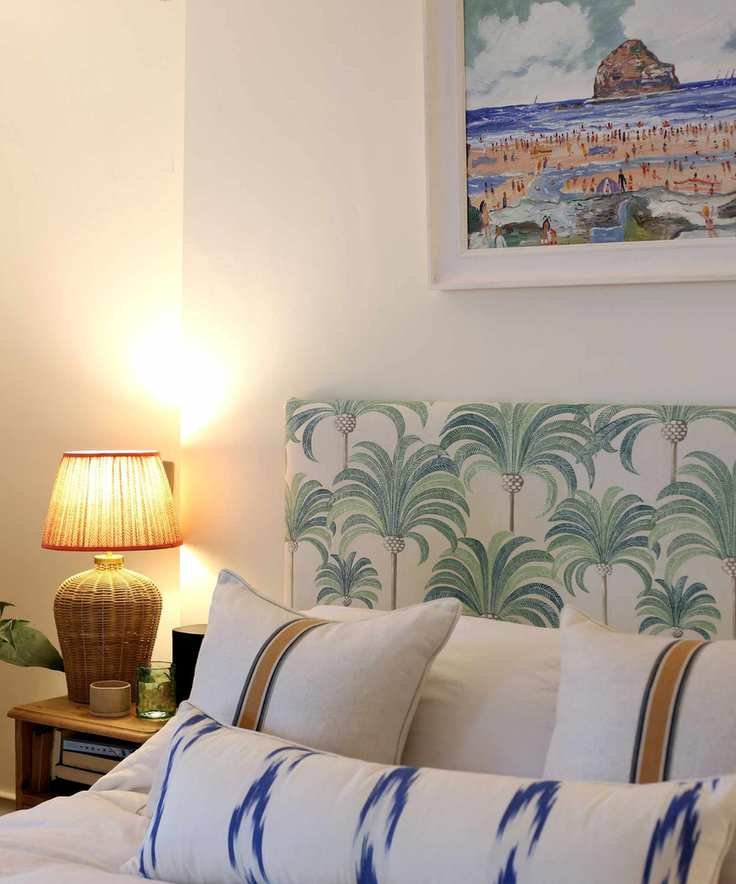
Lighting is a key element of any room design, and it's even more critical when aiming for a soothing atmosphere. When selecting lighting options to foster relaxation, precision is essential.
Los Angeles designer Lisa Checo from OOAK Design Studio suggests experimenting with colored bulbs: 'Amber bulbs can significantly alter a room's mood. Lighting should enhance the space, so avoid oversized lamp shades and harsh overhead fixtures.'
Andi Morse of Morse Design in Atlanta, Georgia, agrees that soft lighting is critical for a peaceful vibe: 'I use dimmers on overhead lights to create lower light levels. Distributing lamps throughout the room allows for gentle illumination without relying solely on overhead lights.'
Marino further advises opting for lower wattage bulbs: 'Avoid bright overhead lights. I prefer 2700K bulbs over the typical 3000K, as they emit a softer, more inviting glow.'
3. Embrace Calming Textures and Colors
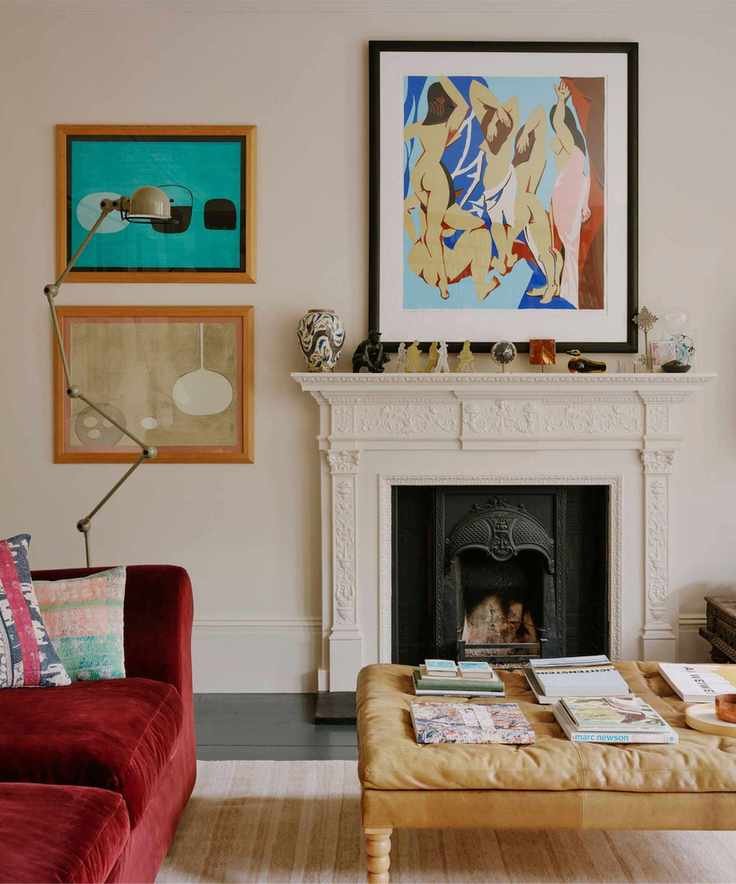
Choosing the right paint colors is vital for a peaceful ambiance. Opt for shades that evoke safety and tranquility. Soft, muted colors are ideal, while vibrant tones should be avoided as they can be overstimulating.
Textural choices are equally important. Soft materials enhance comfort and warmth.
According to Marino, lighter shades like soft blues and pastels create a serene palette. For textures, choose softer options like linens and bamboo, steering clear of harsh materials such as concrete or dark woods.
Morse echoes her sentiments, stating, 'Light, muted tones are soothing. Avoid overly bright shades that disrupt tranquility. Soft whites and light neutrals make for excellent backdrops.'
Checo suggests incorporating earth tones and natural elements into your decor: 'I love adding mohair and velvet to soften spaces. Keep patterns minimal to maintain focus on textures and shapes.'
After decluttering, simplify your decor by using a calm color palette and gentle textures to achieve a truly tranquil environment.
4. Prioritize Key Rooms for Soothing Decor
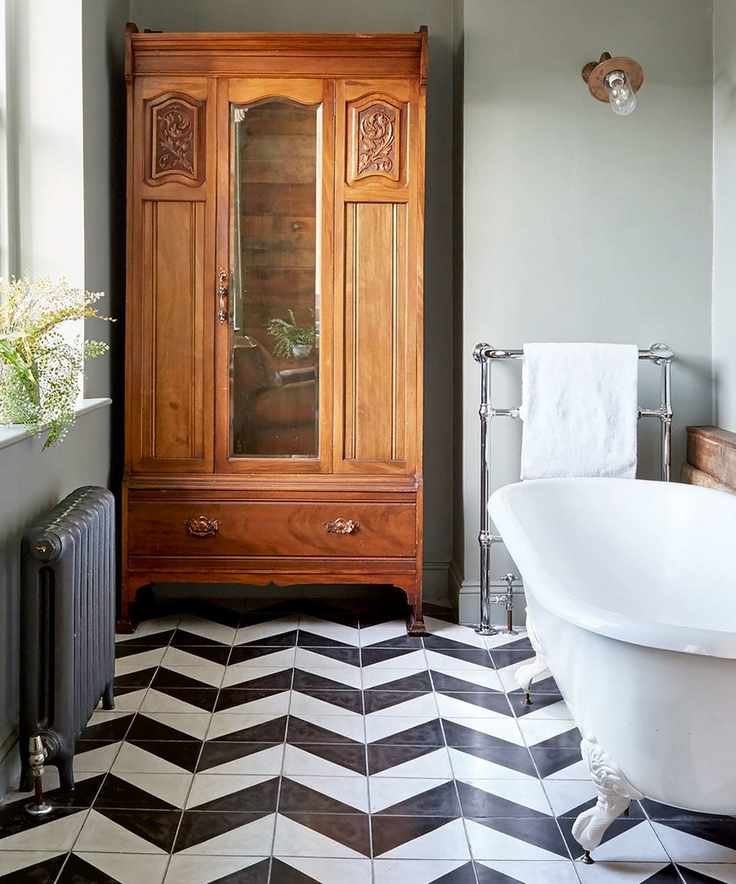
If you choose only three rooms to focus on, prioritize your bedroom, bathroom, and living room. These areas provide the most opportunity for relaxation, allowing you to reserve vibrant colors for other parts of your home.
'Soft neutrals or pastels are ideal for bedrooms, while similar shades work well in bathrooms,' notes designer Jen Ebert. 'Living rooms can handle a touch more warmth, with blush pinks or soft taupes adding to the calm atmosphere.'
Stick to your selected palette, layering varying tones for depth without introducing clashing colors. As Morse advises, 'A consistent color scheme fosters a soothing environment, avoiding anything that feels jarring.'
5. Utilize the Calming Effects of Plants
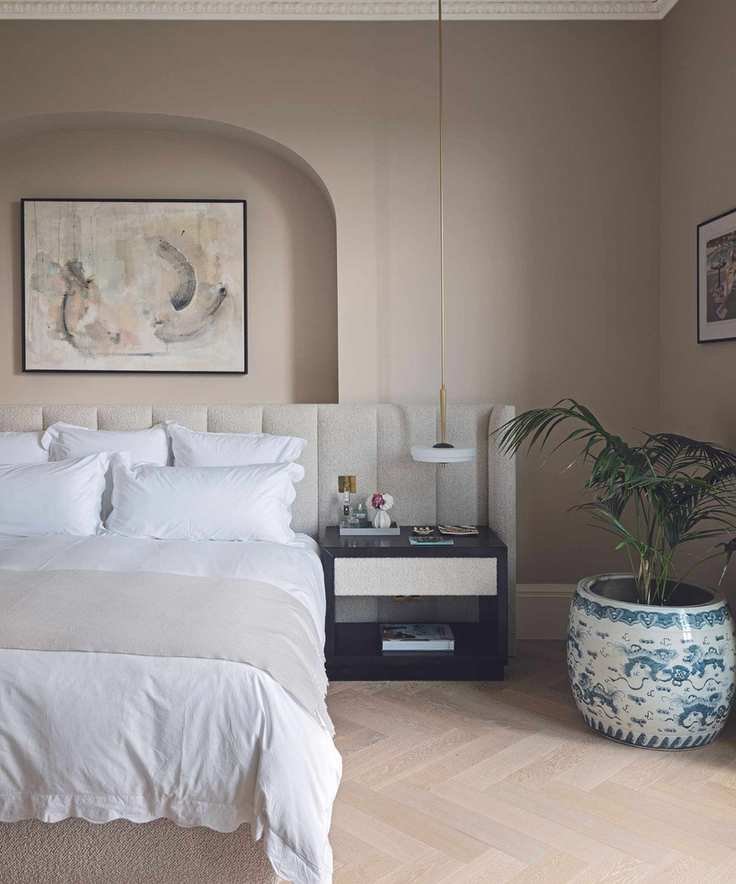
Never underestimate how plants can enhance tranquility in a room. Incorporating greenery is an effective way to boost well-being and enliven your space. Marino agrees: 'Plants and fresh flowers bring nature indoors, fostering a peaceful atmosphere.'
House plants offer numerous health benefits, including air purification and stress relief. They can even improve focus and sleep quality, especially varieties like snake plants. Every tranquil decor plan should incorporate some greenery.
6. Accessorize to Build a Calming Sanctuary
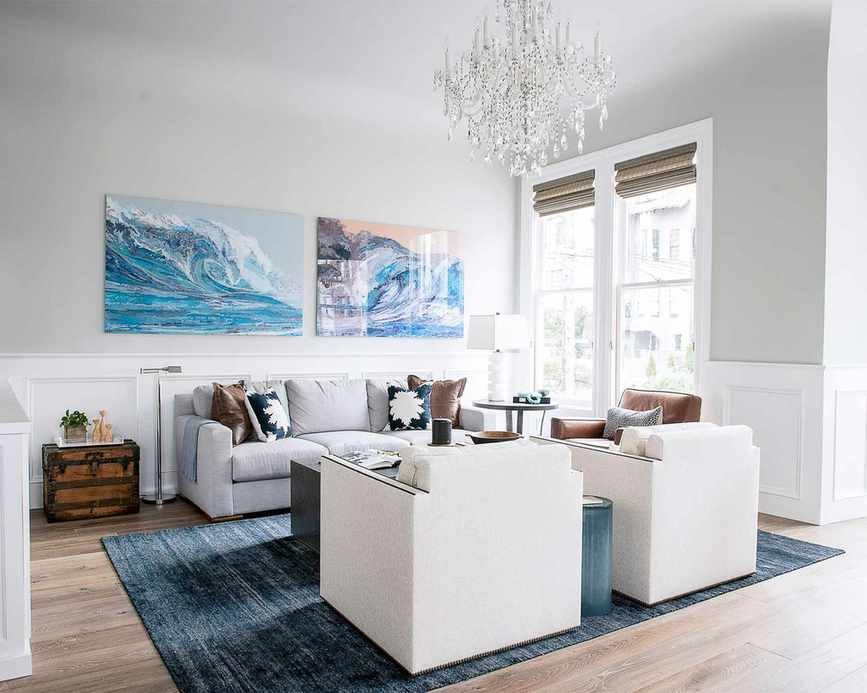
When crafting tranquil decor, the finishing touches—like accessories—are just as vital as paint colors or materials.
Morse provides specific accessory advice: 'Eliminate clocks and calendars as they remind you of time constraints. Instead, add peaceful imagery or objects. If the beach calms you, consider art or decor that reflects that serenity—what soothes one person may not work for another.'
Marino suggests tailored accessories based on the room's purpose: 'Oil diffusers can create a spa-like feel in bathrooms. In bedrooms, opt for soft linen pillows and cozy blankets. For living rooms, include plants and subtle lamps.'
Creating a peaceful home can be simple. Focus on colors that evoke calm, usually soft, neutral tones. Layer in textures for warmth and invite soothing decor that complements your chosen palette without overpowering it.



