
Peat-free compost is now a go-to choice for responsible gardening. For years, gardeners relied on peat due to its ability to retain moisture and nutrients effectively.
However, the extraction of peat harms unique ecosystems and contributes to carbon emissions, a significant factor in climate change. Gardeners seeking to cultivate an environmentally friendly space are now exploring alternatives, prompting horticultural brands to innovate with peat-free products.
High-quality peat-free composts are available for various plant stages, from seed-starting and potting soil to specialized mixes for containers and mature plants. After years of using peat-free options, I understand the overwhelming variety on the market. Here's a curated selection of top peat-free compost types to help you choose wisely and achieve fantastic results.
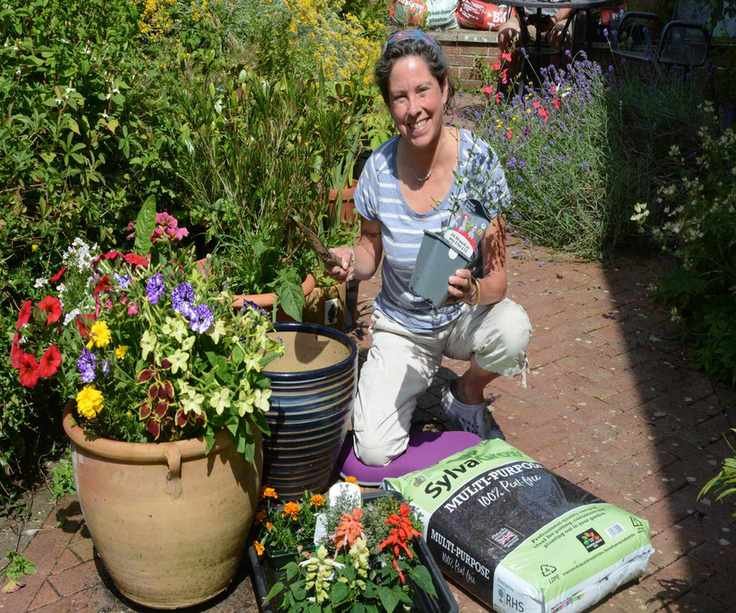
I've transitioned to peat-free compost for everything from seedlings to container plants
Options for Peat-Free Compost
For years, I've embraced peat alternatives for growing flowers, vegetables, and even vibrant summer containers and winter baskets.
Given our yard's highly alkaline soil, I rely on ericaceous peat-free compost for acid-loving plants like stunning azaleas and flavorful blueberries in pots.
Key Ingredients in Peat-Free Compost
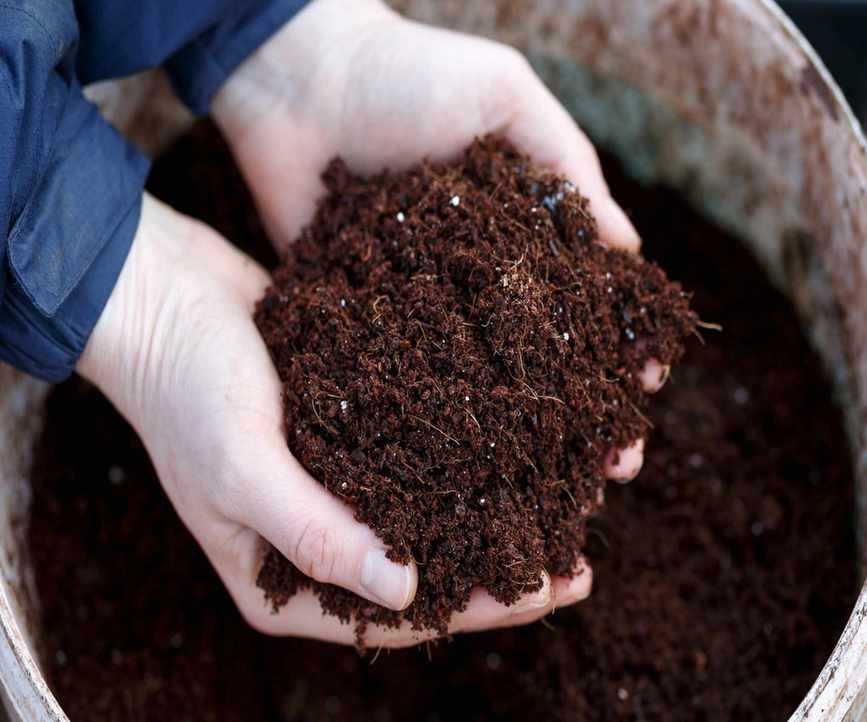
Peat-free composts blend various materials, including green waste and coir, to optimize growing conditions
Peat-free compost typically includes organic materials, often enhanced with loam and fertilizers. Common components feature:
- Coir from coconut husks, excellent for moisture retention and lightweight for easy handling.
- Wood fiber, a byproduct of timber, improves soil drainage and aeration, particularly useful for clay-heavy gardens.
- Composted garden waste, incorporating recycled materials like grass clippings and vegetable scraps, provides a rich nutrient profile.
- Sheep wool compost, high in nitrogen, mimics peat's water retention, reducing the need for frequent feeding and watering.
- Worm castings (vermicompost), rich in nutrients and beneficial microbes, can be a standalone product or a valuable ingredient.
Recommended Brands for Peat-Free Compost
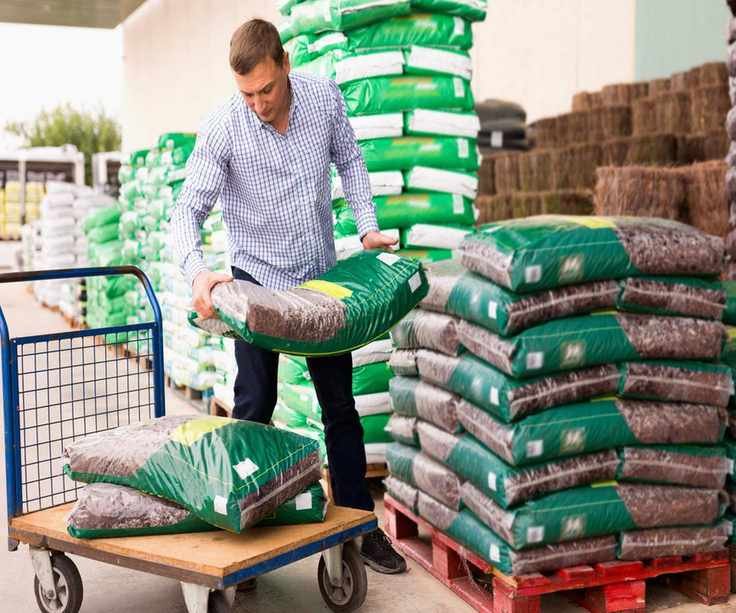
Quality peat-free compost is widely accessible today
Plants require a spectrum of nutrients as they grow, with the most essential being nitrogen, phosphorus, and potassium, along with magnesium, calcium, and sulfur. Quality peat-free composts offer a balanced mix of these nutrients.
Here are some notable peat-free compost brands in the US:
- R&M Organics: A family-run business that produces nutrient-rich compost from cow manure, enhancing moisture retention. Available on Amazon.
- Wakefield Biochar: This family-owned firm focuses on sustainability and uses FSC-certified wood scraps to create natural soil boosters. Find it at Walmart.
- Charlie's Compost: Based in Kentucky, Charlie's creates fertilizers rich in beneficial microbes from various organic materials, including chicken manure. Shop on Amazon.
- Wiggle Worm Soil Builder: Utilizing pure worm castings, this product creates nutrient-rich compost suitable for various plants. Available on Amazon.
- Seed compost: Ideal for germinating seeds, this mix should be light and airy for optimal water and oxygen flow. A coconut coir blend like Burpee Organic Coconut Coir Mix on Amazon is excellent for starters.
- Ericaceous compost: Essential for acid-loving plants like rhododendrons and blueberries, this compost provides necessary minerals. Check out Coast of Maine Organic at Amazon.
Utilizing Peat-Free Compost
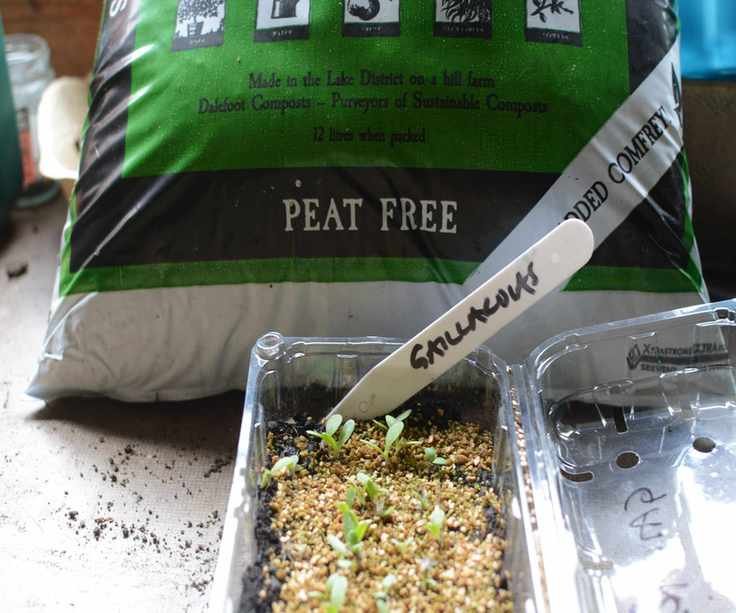
Peat-free composts cater to every growth stage, from seedlings to mature plants
Over the years, I've noticed significant advancements in the quality and variety of peat-free composts.
However, keep in mind that peat-free compost behaves differently than traditional peat. Always adhere to the instructions on the packaging, especially concerning watering and fertilizing.
A common challenge gardeners face is peat-free compost appearing dry on the surface, leading to overwatering and root damage. Test the moisture level by inserting a finger into the compost; if it feels dry at the first knuckle, it's time to water. If it feels damp, wait a couple of days before checking again.
Peat-Free Compost for Flowering Plants
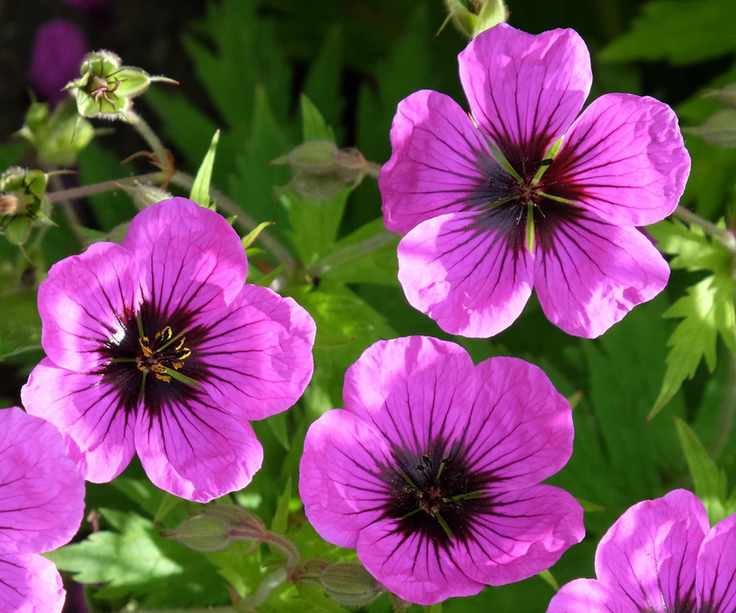
Hardy geraniums thrive in peat-free compost with good drainage properties
Coir-based composts provide consistent moisture for flowers like petunias and begonias, while plants needing good drainage, such as lavender and hardy geraniums, prefer wood fiber composts.
Composts containing sheep wool, rich in nitrogen, are ideal for leafy plants like hostas and hydrangeas.
Green waste compost, including homemade compost, offers a broad nutrient spectrum for all plants, although adding grit or vermiculite can enhance drainage for potting applications.
Peat-Free Compost for Fruits and Vegetables
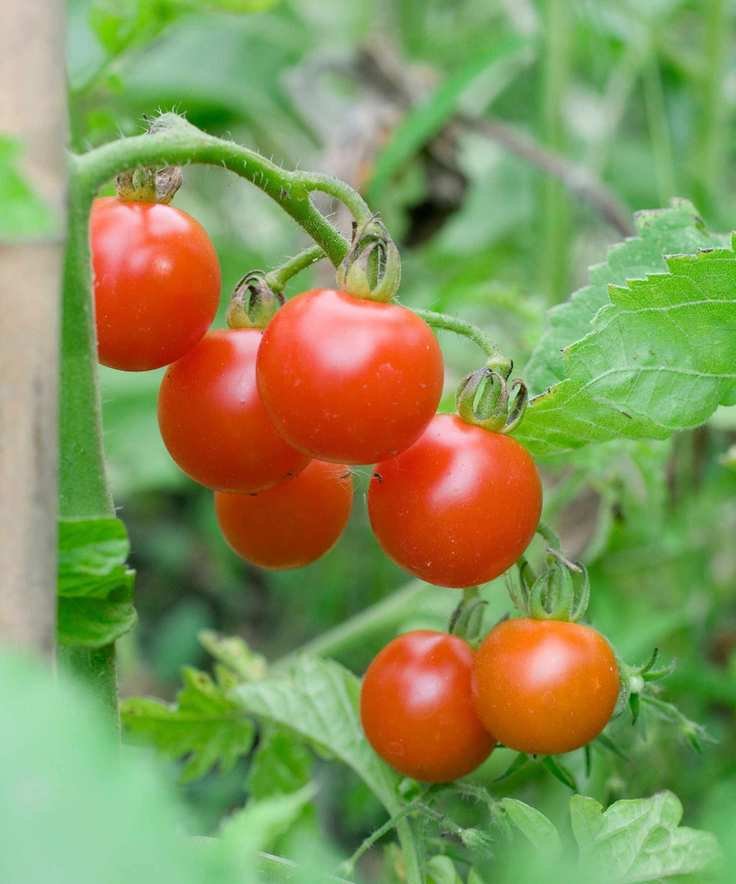
For container crops, nutrient-rich wool compost is ideal due to its moisture retention
We cultivate our vegetables in raised beds, grow bags, and containers filled with peat-free compost.
For crops needing consistent moisture, such as celery, arugula, and cabbage, coir-based soil works wonders.
Wool compost, abundant in nitrogen, supports brassicas and is excellent for containers due to its moisture-retaining properties.
Wood fiber products enhance drainage, making them suitable for root vegetables like carrots and parsnips.
Understanding Peat and Its Impact
What is Peat?
Peat accumulates over thousands of years from decomposed plant matter, forming critical habitats for various rare species.
While most peatlands are located in the Northern Hemisphere, they can also be found in Southeast Asia and South America.
These ecosystems play a vital role in combating climate change, acting as carbon sinks that capture greenhouse gases.
Are There Downsides to Peat-Free Composts?
As brands continue to explore peat-free options, results can vary based on ingredients and textures, but improvements are ongoing.
Homemade compost, derived from garden waste, risks introducing weeds if not adequately managed. I've learned to tackle baby weeds promptly to minimize their spread.
As long as you avoid common composting pitfalls, homemade mixtures can transform into remarkable plant food over a few months, provided you exclude certain items that shouldn't go in the compost bin.
Despite ongoing debates, more gardeners are shifting towards peat-free practices.
Embracing this approach is a learning curve, but once you grasp the essentials, gardening sustainably without peat becomes rewarding, knowing you're also contributing to a healthier planet.



